President Donald Trump’s attempt to create U.S. jobs by taxing solar panel imports could backfire.
That’s according to the CEO of the Solar Energy Industries Association trade group, who says it’s domestic workers that will feel the pain.
“We have been the fastest growing form of new energy...and this is putting the brakes on that crazy growth,” Abigail Ross Hopper told Cheddar in an interview. “These are not people who are looking for what nationality the company they work for is. They just want to feed their families and pay their mortgages. And those are the people whose jobs are at risk.”
Earlier this week President Trump signed a law that would impose a 30 percent tariff on imported solar panel and sells, a move the administration says will encourage domestic manufacturing.
But the SEIA says the vast majority of the 260,000 Americans employed in the industry work in peripheral industries like installation. Ross Hopper says the bill will result in 23,000 layoffs this year and delay or cancel billions of dollars of investment in the sector.
She also says it might dissuade U.S. consumers from going green.
“Most [businesses and consumers] want to choose solar because it saves them money,” she said. “This decision changes that calculus.”
For full interview [click here](https://cheddar.com/videos/solar-power-in-america).
Melania Trump received a lot of criticism for wearing a jacket with the phrase "I DON'T REALLY CARE, DO U?" scrawled across the back on her way to meet with migrant children at the Texas-Mexico border. The bizarre choice, at such a heated moment, may have been "a very calculated move," said Vox reporter Rebecca Jennings.
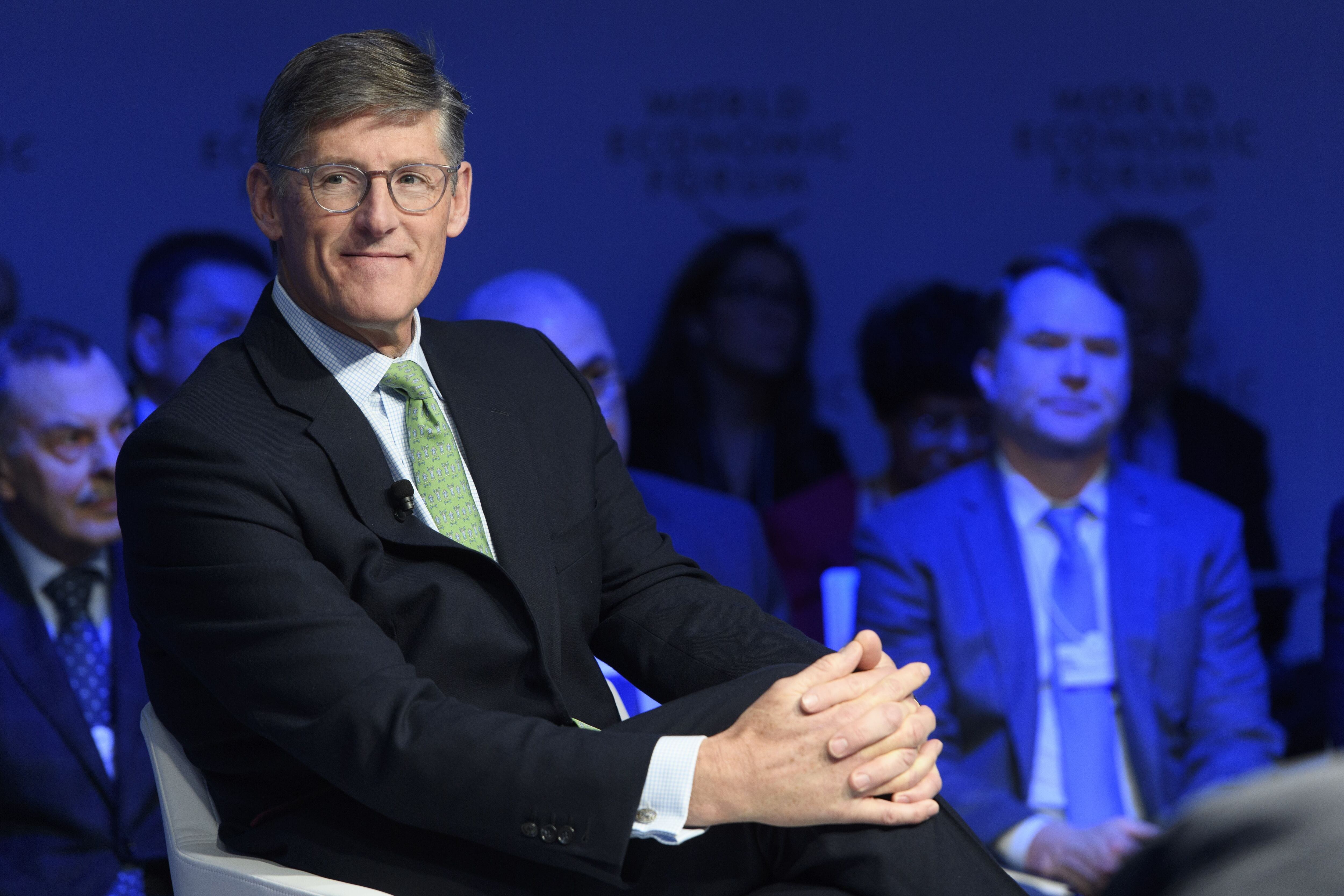
Citigroup CEO Michael Corbat weighs in on the backlash over family separation at the border and the need for immigration reform.
Image Credit: Shutterstock
The country's top court on Thursday ruled that states can force online retailers to charge sales taxes on purchases even if they don't have a physical presence in the state. D.A. Davidson's Tom Forte says Amazon may actually end up benefiting from that rule.
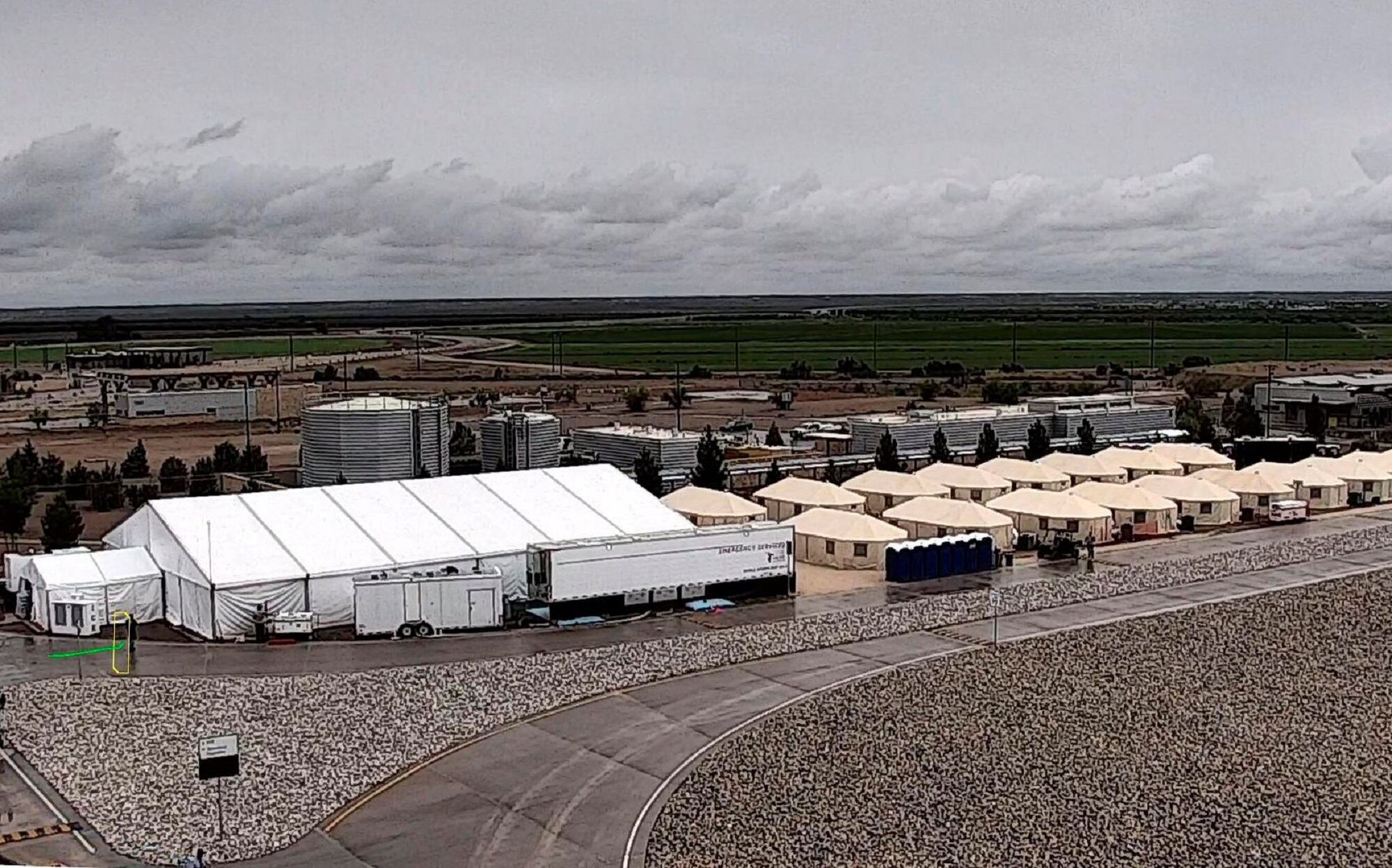
The recent crisis at the U.S.-Mexico border isn't that different from the injustices committed against the transgender community, says actress and transgender rights activist Angelica Ross. "We, as a country and as a global society, have lost touch with our humanity," she tells Cheddar.
Mike Corbat, head of the fourth biggest bank in the U.S. with $1.84 trillion in assets, said that, while many of the current trade agreements in place need to be updated to reflect the modern economy, it's 'unfortunate' that progress from other policies, like tax reform, could be hampered by the threat of trade wars.
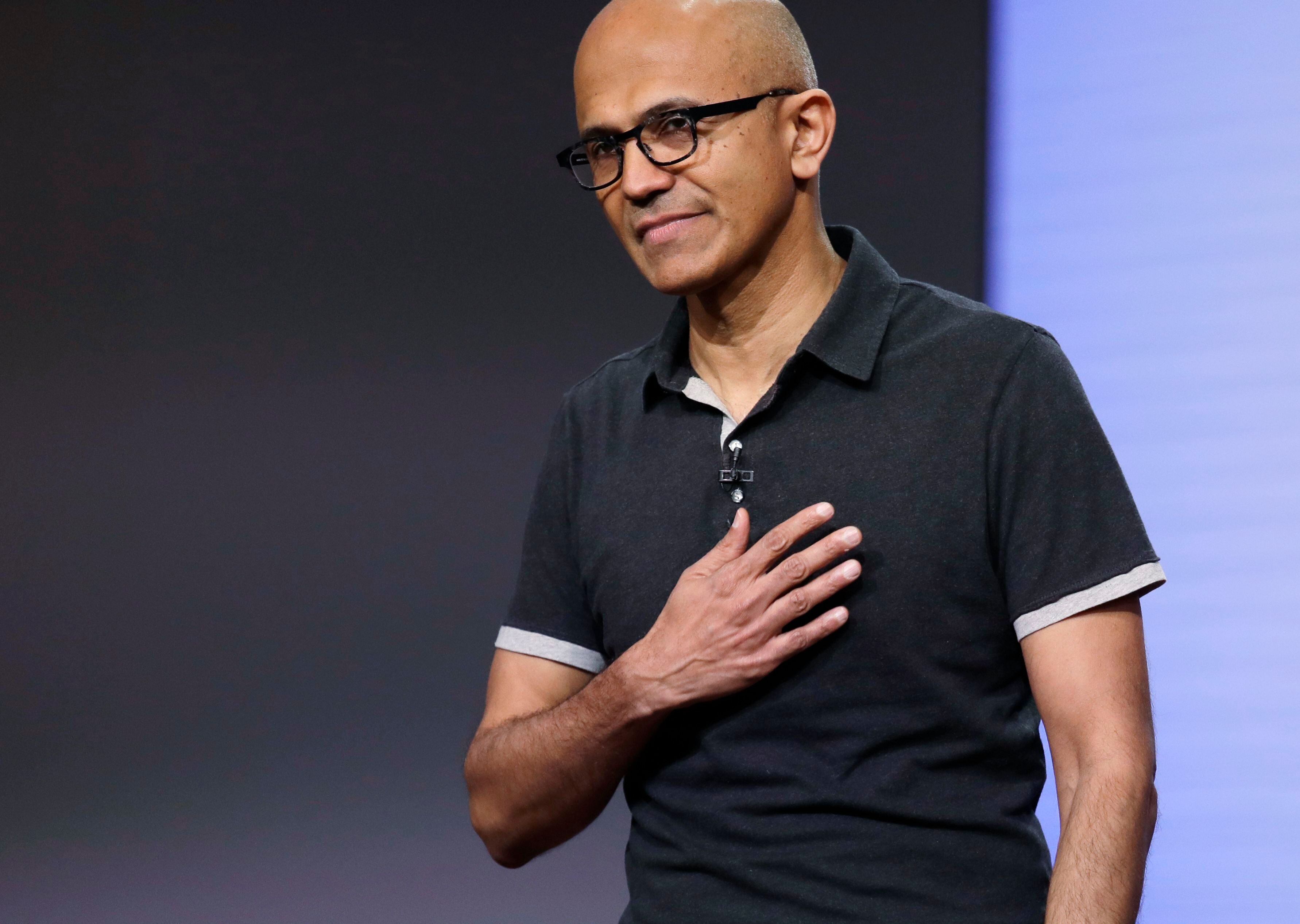
Employees of big tech companies hold their leaders to a high moral standard and force them to speak out, says Dana Wollman, executive editor at Endgadget. Microsoft staff recently protested against letting U.S. Immigration and Customs Enforcement, which has been criticized for its treatment of migrant children at the border, use the company's Azure cloud technology.
The president said he will sign an executive order as soon as Wednesday to prohibit officials from separating children and parents at the southern border, after days of standing by the zero tolerance policy. His changed stance may stem from national backlash in the political and private sectors, says Jack Crowe, news writer at the National Review.
President Trump on Tuesday again deflected blame for tearing apart families at the U.S. border and suggested deporting entire family units, and Republicans scrambled to come up with a legislative fix for the crisis.
The former president of Mexico, a long-time advocate of legalizing cannabis globally, joined the board of the cannabis culture company. Adam Levine, CEO of High Times, said his addition will lend support to its efforts.
Markets opened sharply lower on Tuesday after President Trump directed his administration to identify an additional $200 billion worth of Chinese goods that could be hit with taxes, upping the ante in the potential U.S.-China trade war. Trump's announcement comes in response to China's threats to retaliate against an original round of tariffs, targeting $50 billion worth of U.S. imports.