President Donald Trump’s attempt to create U.S. jobs by taxing solar panel imports could backfire.
That’s according to the CEO of the Solar Energy Industries Association trade group, who says it’s domestic workers that will feel the pain.
“We have been the fastest growing form of new energy...and this is putting the brakes on that crazy growth,” Abigail Ross Hopper told Cheddar in an interview. “These are not people who are looking for what nationality the company they work for is. They just want to feed their families and pay their mortgages. And those are the people whose jobs are at risk.”
Earlier this week President Trump signed a law that would impose a 30 percent tariff on imported solar panel and sells, a move the administration says will encourage domestic manufacturing.
But the SEIA says the vast majority of the 260,000 Americans employed in the industry work in peripheral industries like installation. Ross Hopper says the bill will result in 23,000 layoffs this year and delay or cancel billions of dollars of investment in the sector.
She also says it might dissuade U.S. consumers from going green.
“Most [businesses and consumers] want to choose solar because it saves them money,” she said. “This decision changes that calculus.”
For full interview [click here](https://cheddar.com/videos/solar-power-in-america).
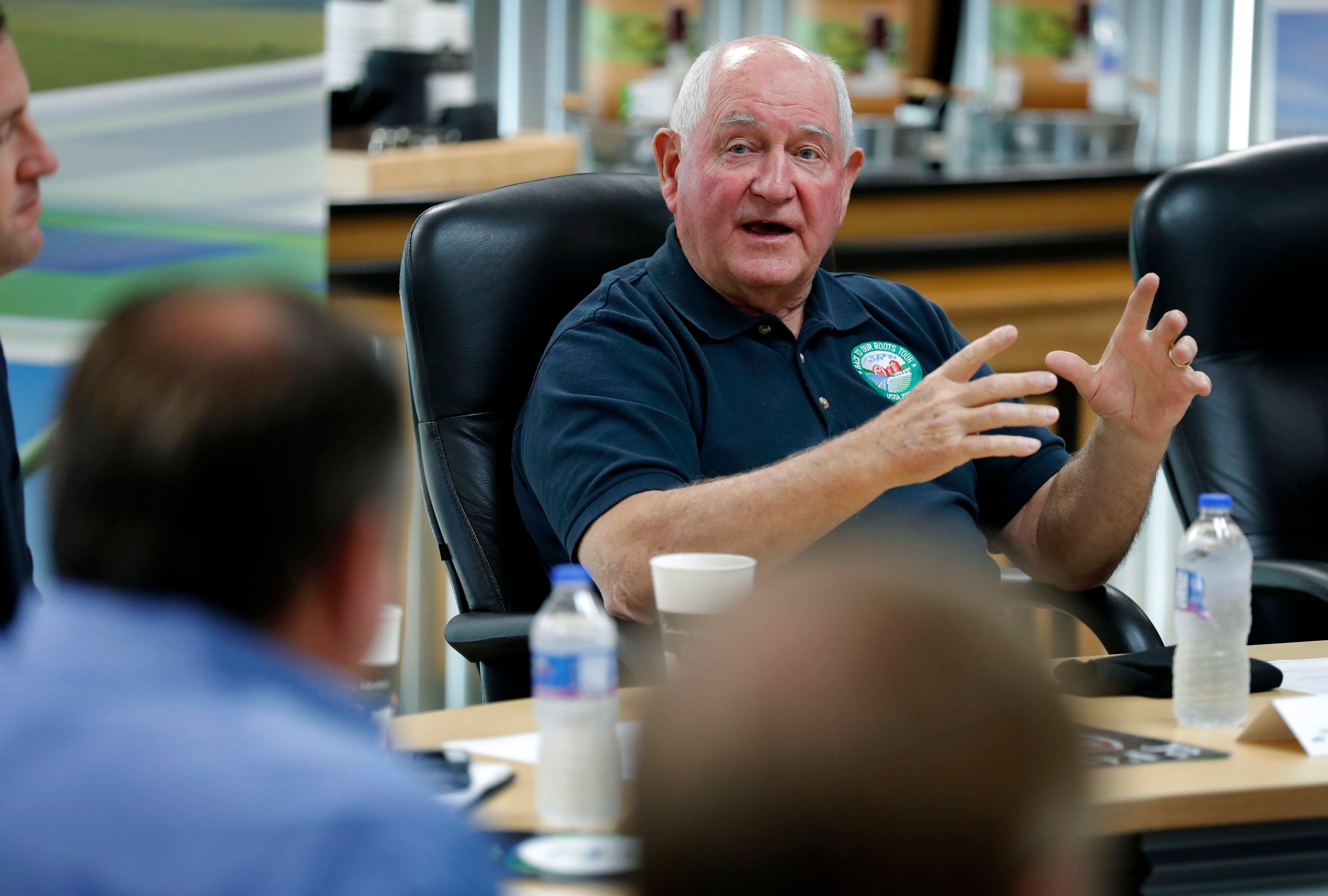
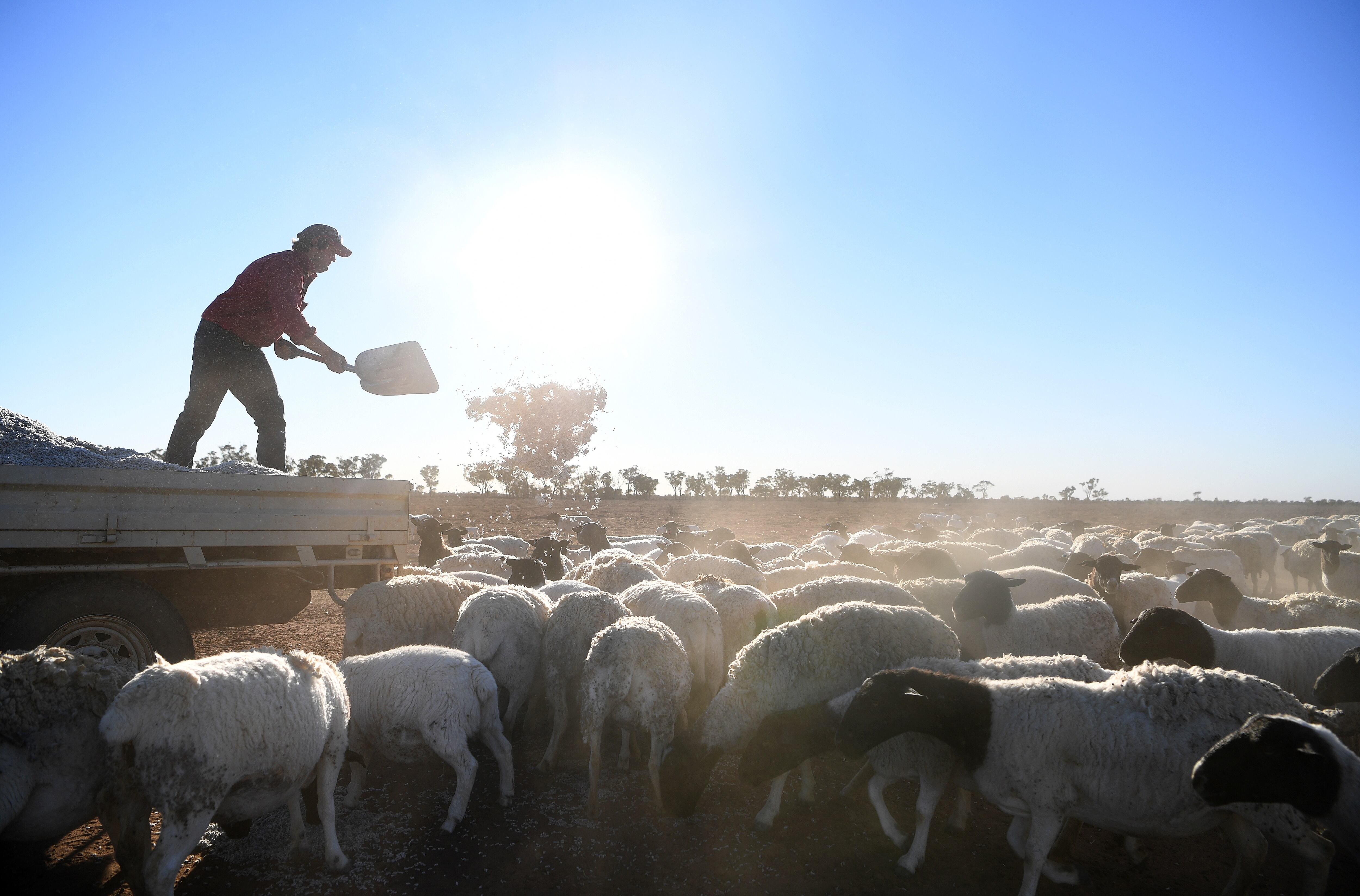
Sonny Perdue, U.S. Secretary of Agriculture, said American farmers understand the need for tariffs on Chinese imports, even if they might feel some short-term pain. After President Trump imposed tariffs on China, American farmers began to feel the effects. China is the largest importer of American soybeans and that revenue stream has now been cut off. The federal government pledged $12 billion as temporary relief for farmers affected by Trump's tariffs.
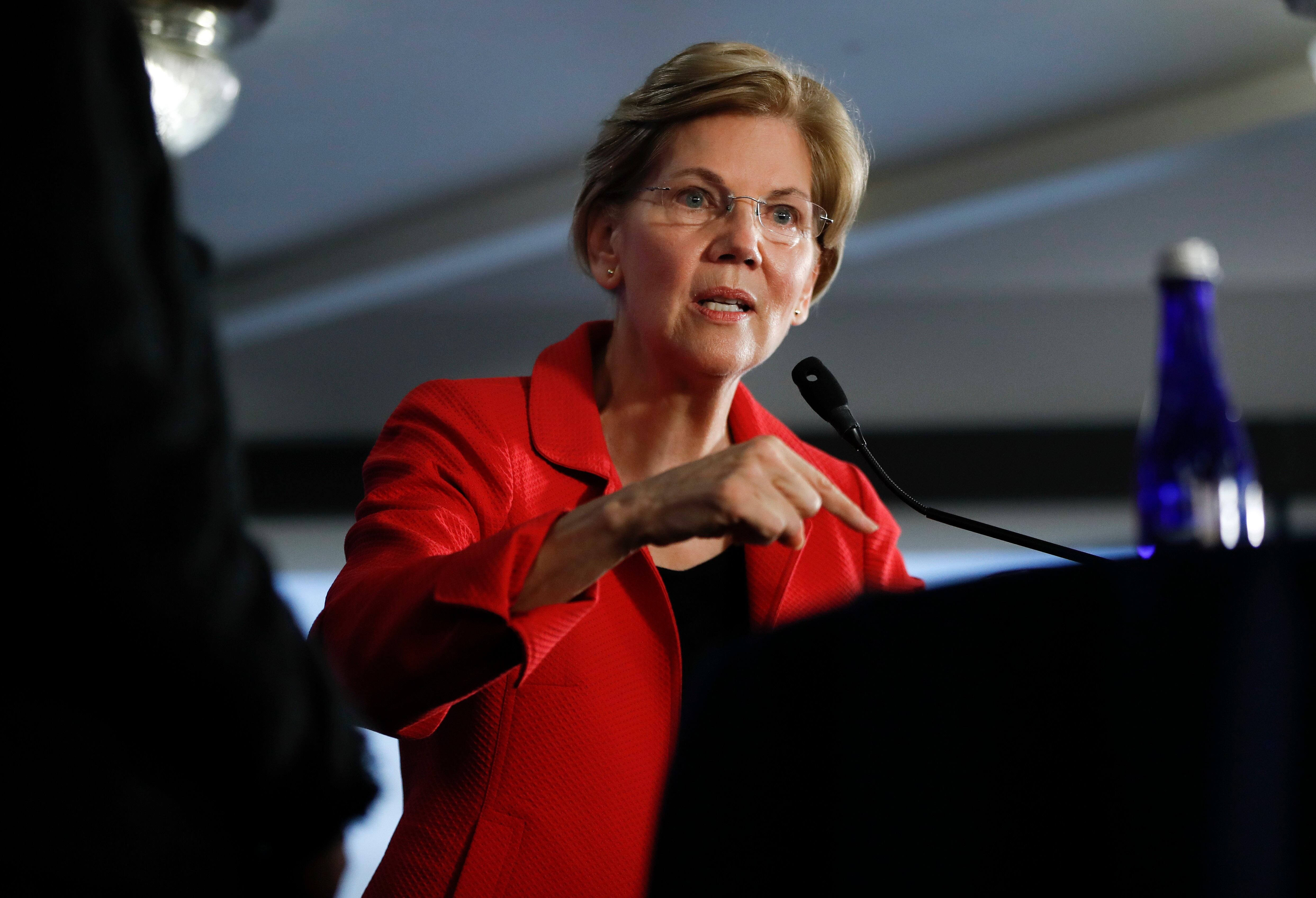
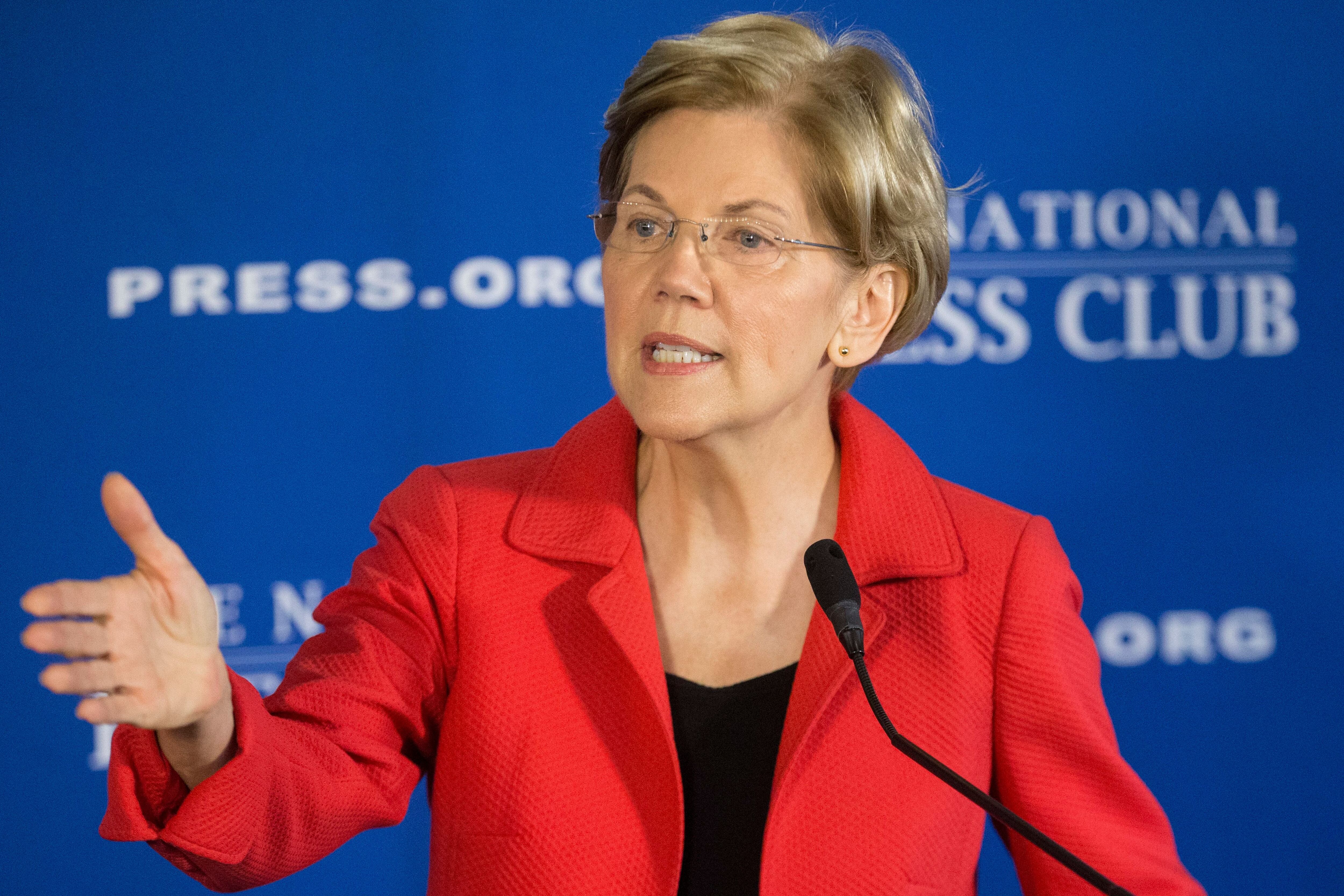
Sen. Elizabeth Warren (D-MA) is currently promoting a new housing bill that calls for $450 billion to build and renovate affordable housing over the next 10 years. Warren is suggesting an estate tax on the 10,000 top earners in the U.S. to fund the bill. Warren said it's not about "punishing" people for their economic success, but rather for everyone to pay their fair share and allow middle Americans to accrue wealth through homeownership.
These are the headlines you Need 2 Know.
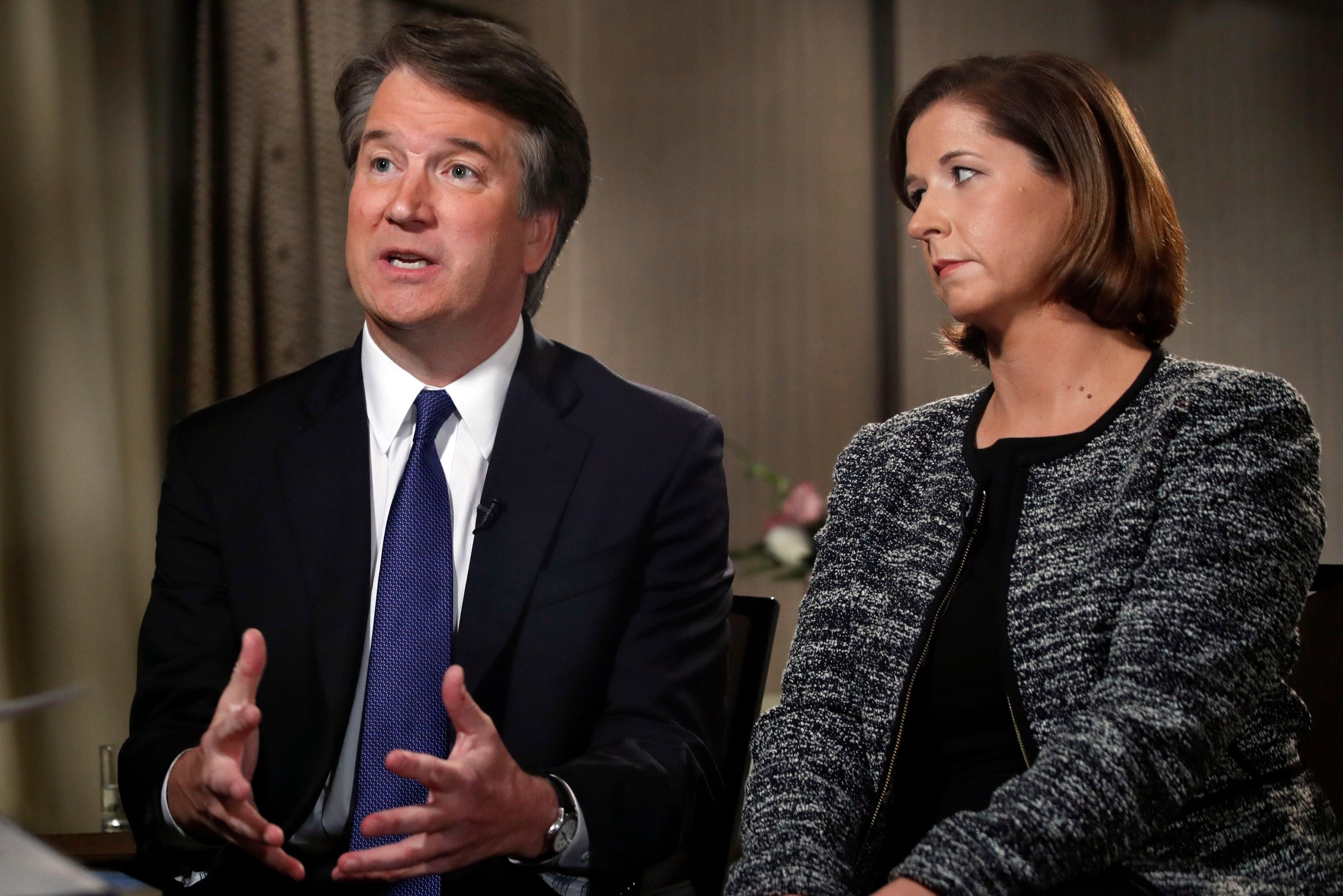
Sen. Elizabeth Warren spoke with J.D. Durkin about the accusations against Supreme Court nominee Brett Kavanaugh and the response from President Trump that Democrats are engaging in a "con game." She says if the president really believes the accusations aren't true then he must want a full investigation by the FBI. "Have at it, Mr. President," she said.
Stocks were mixed Tuesday, a day after tariffs on $200 billion worth of Chinese imports went into effect. Art Hogan, chief market strategist for B. Riley FBR, said investors have been taking the escalating trade war in stride, but whether that can last under these new tariffs will be the question to watch in the weeks ahead.
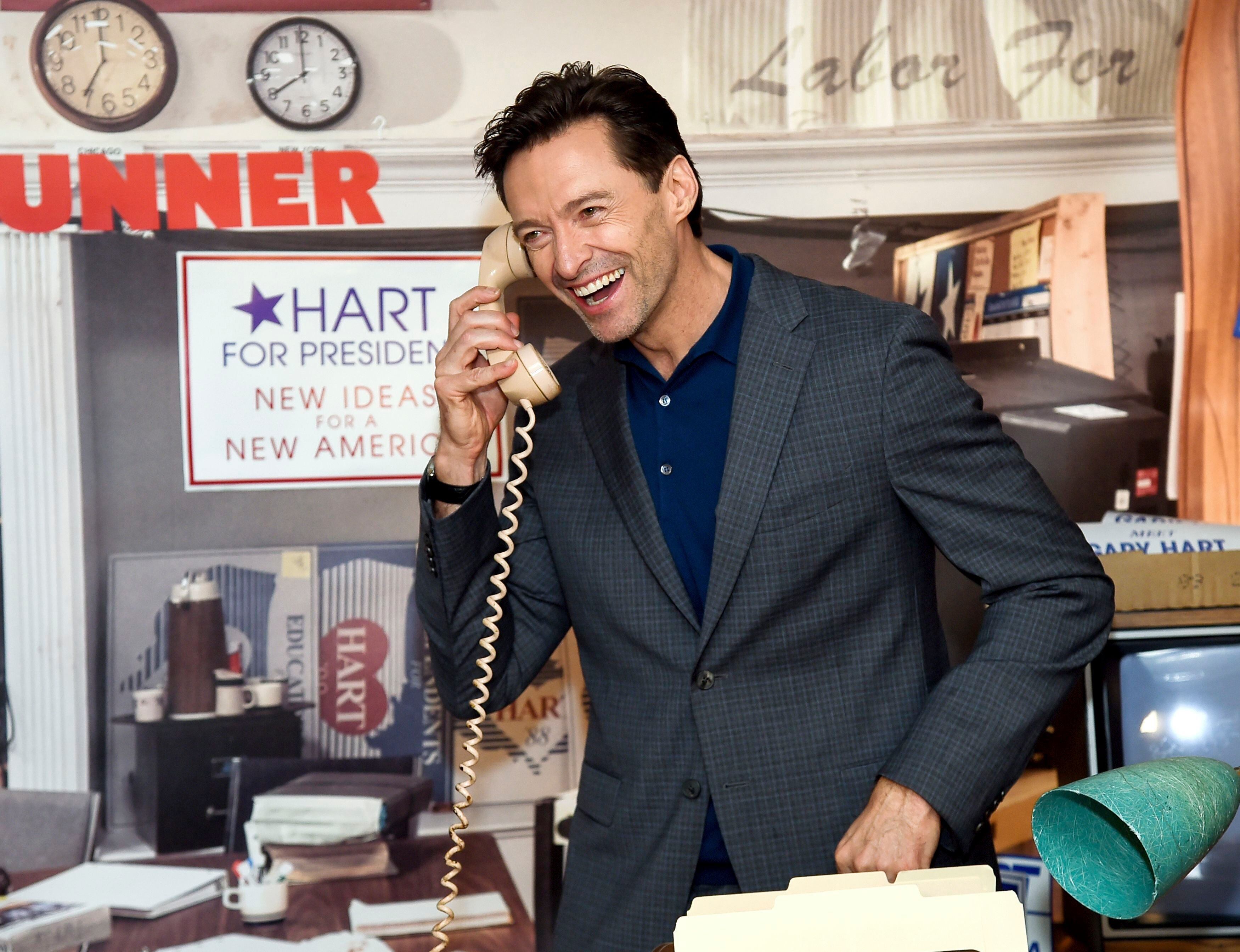
Hugh Jackman's forthcoming film "The Front Runner" follows former Sen. Gary Hart and his rise and fall in the 1988 presidential election. Cheddar spoke with Jackman about how he approached the role and why it was so important for him to meet Hart.
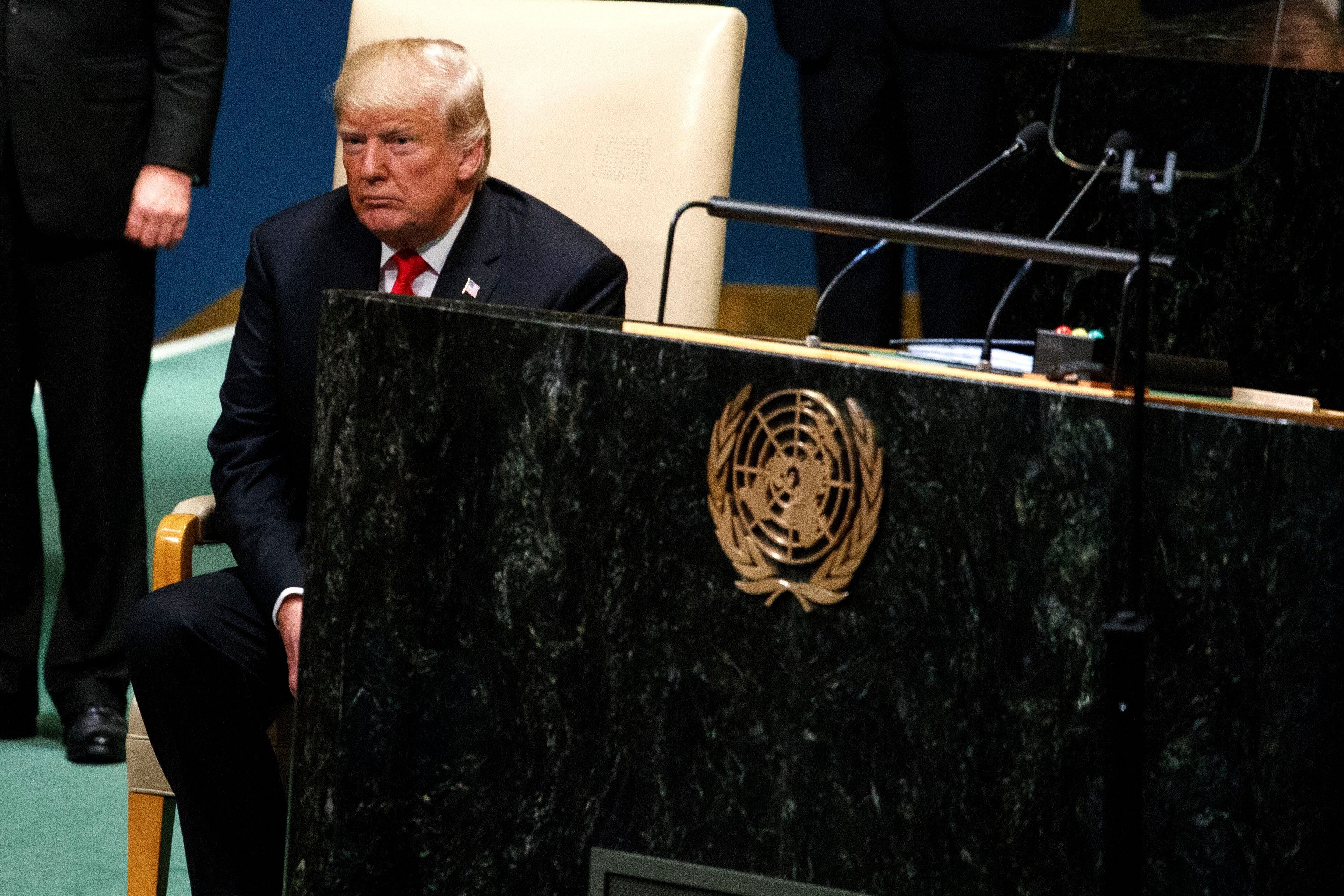
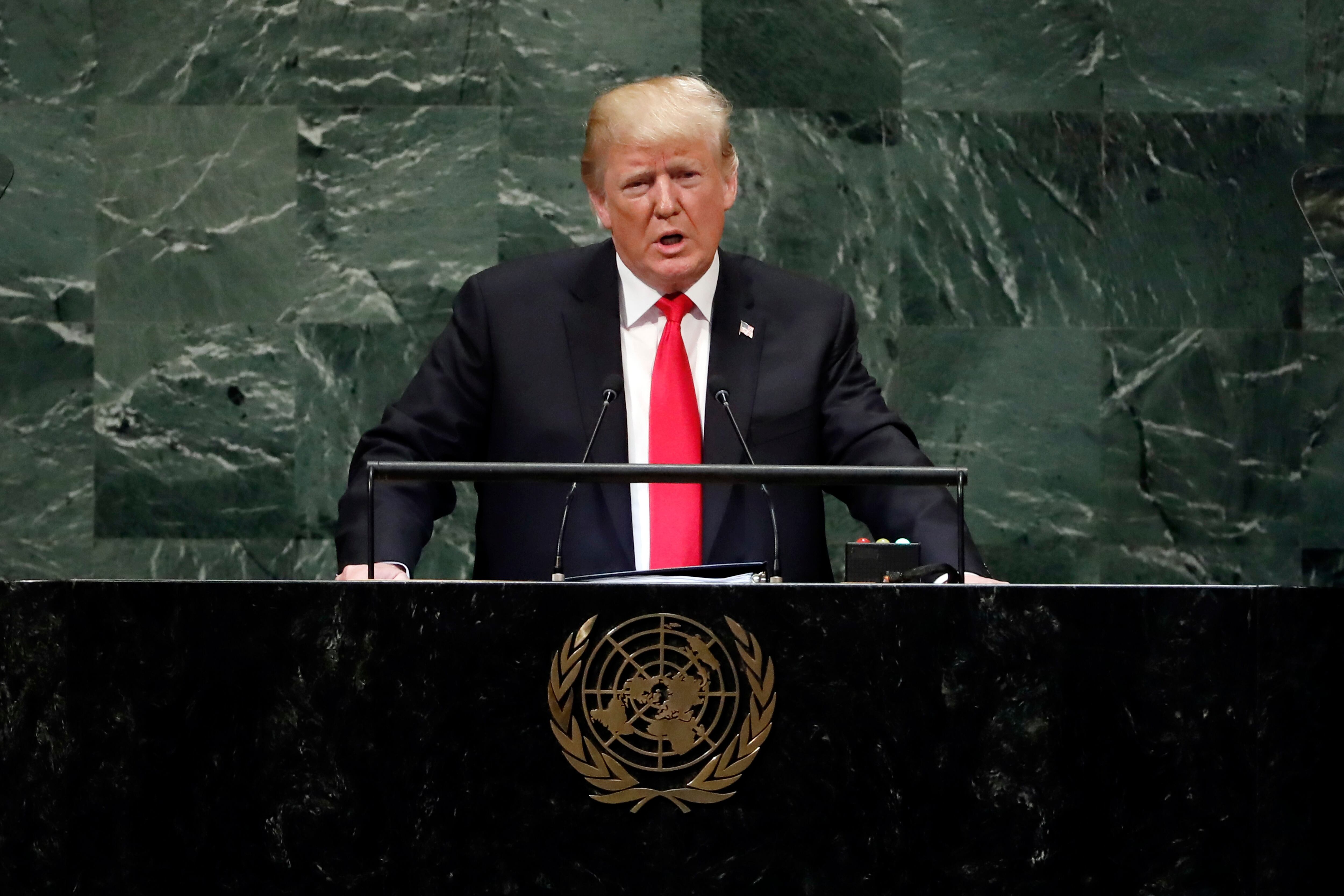
A year after delivering his "fire and fury" speech that threatened to annihilate North Korea and its "little rocket man" leader, President Trump addressed the annual United Nations General Assembly Tuesday, expanding on his "America First" motto and replacing North Korea with Iran as the major antagonist.
These are the headlines you Need 2 Know.
The newest round of tariffs on China imposed by the Trump administration will be damaging for American farmers, particularly soybean and corn growers, said Kimbal Musk, the restaurateur (and brother of Elon) who founded the Kitchen Restaurant Group. Because farmers can only "innovate once a year" during harvest, what they need most is certainty.
U.S. markets dropped Monday as questions over the future of Deputy Attorney General Rod Rosenstein added to investor concerns, which were already heightened by the onset of the latest round of tariffs on Chinese goods. "The political environment seems to be mayhem on a daily basis, and we're just going to have to get used to that," said Jason Moser, analyst at The Motley Fool, in an interview on Cheddar Monday.