President Donald Trump’s attempt to create U.S. jobs by taxing solar panel imports could backfire.
That’s according to the CEO of the Solar Energy Industries Association trade group, who says it’s domestic workers that will feel the pain.
“We have been the fastest growing form of new energy...and this is putting the brakes on that crazy growth,” Abigail Ross Hopper told Cheddar in an interview. “These are not people who are looking for what nationality the company they work for is. They just want to feed their families and pay their mortgages. And those are the people whose jobs are at risk.”
Earlier this week President Trump signed a law that would impose a 30 percent tariff on imported solar panel and sells, a move the administration says will encourage domestic manufacturing.
But the SEIA says the vast majority of the 260,000 Americans employed in the industry work in peripheral industries like installation. Ross Hopper says the bill will result in 23,000 layoffs this year and delay or cancel billions of dollars of investment in the sector.
She also says it might dissuade U.S. consumers from going green.
“Most [businesses and consumers] want to choose solar because it saves them money,” she said. “This decision changes that calculus.”
For full interview [click here](https://cheddar.com/videos/solar-power-in-america).
Ohio officials will allow businesses to pay taxes in Bitcoin as of this week. While limited in scope, the move represents an important tacit admission by a government body that Bitcoin is an acceptable currency, according to Jimmy Song, a Bitcoin developer.
These are the headlines you Need 2 Know for Monday, Nov. 26, 2018.
From Wall Street to Silicon Valley, these are the top stories that moved markets and had investors, business leaders, and entrepreneurs talking this week on Cheddar.
President Donald Trump on Thursday broke convention when his holiday call to troops took an unusually political turn. On his call with a general stationed in Afghanistan ー and during the questions with reporters that followed ーTrump made controversial comments on the courts, trade, and the caravan of migrants heading toward the border between the U.S. and Mexico. "This is a highly politicized environment, especially with President Trump ー that's his style," Nick Givas, a reporter at the Daily Caller, told Cheddar on Friday.
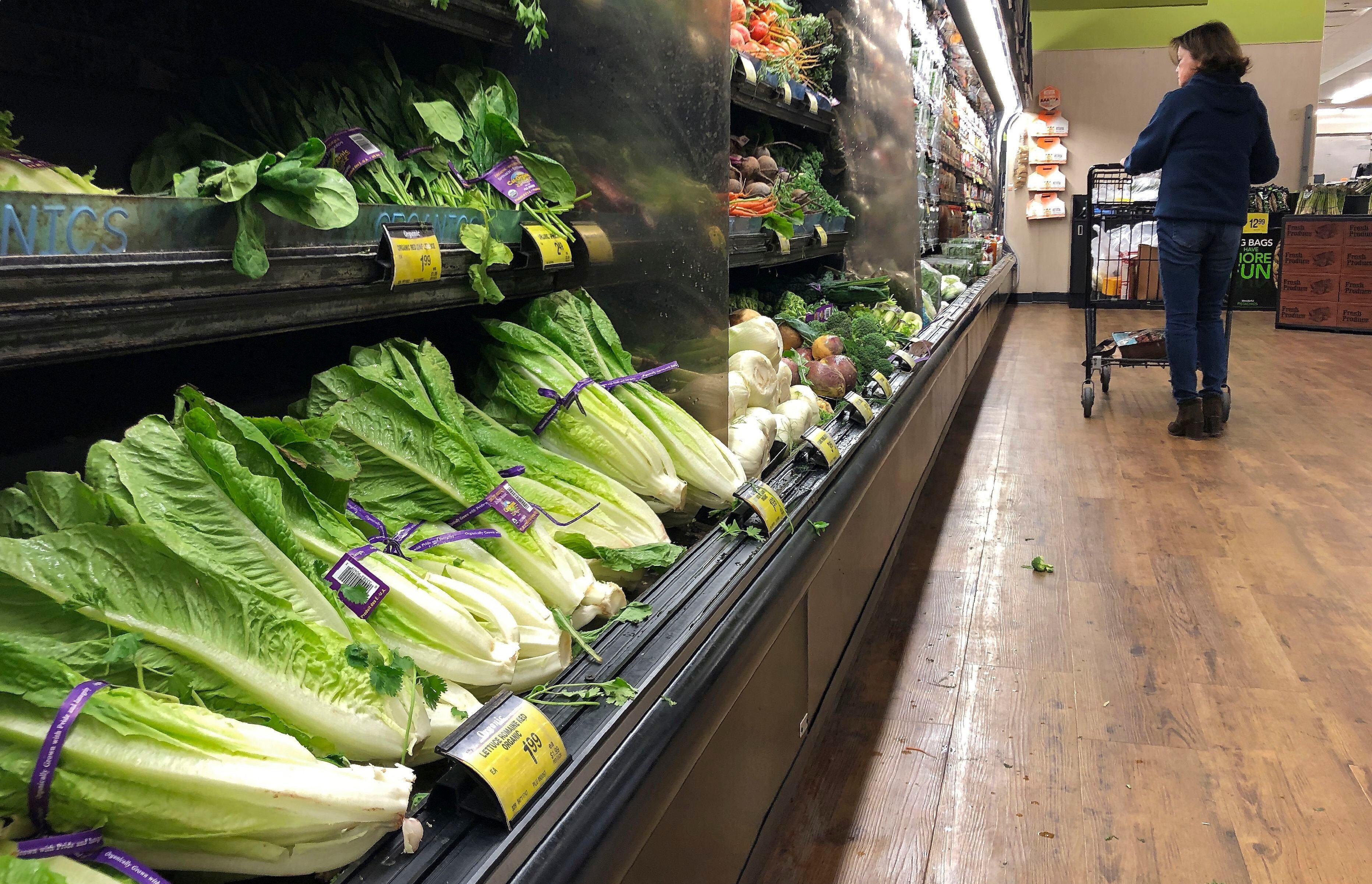
As Americans hit the road in record numbers this holiday, low gas prices are poised to act as a boon for consumer spending. Drivers are already saving $100 million a day at the pump over just last month, according to GasBuddy.
These are the headlines you Need 2 Know for Wednesday, Nov. 21, 2018.
As Canada battles a nationwide marijuana shortage, Massachusetts dispensaries opened to recreational users on Tuesday. Regulatory bottlenecks and unforeseen demand have caused disruptions in Canada's marijuana supply ー but don't expect the trouble to cease next year. Khurram Malik, CEO of cannabis supplier Biome Grow, said he anticipates disorder in Canadian cannabis well into 2019.
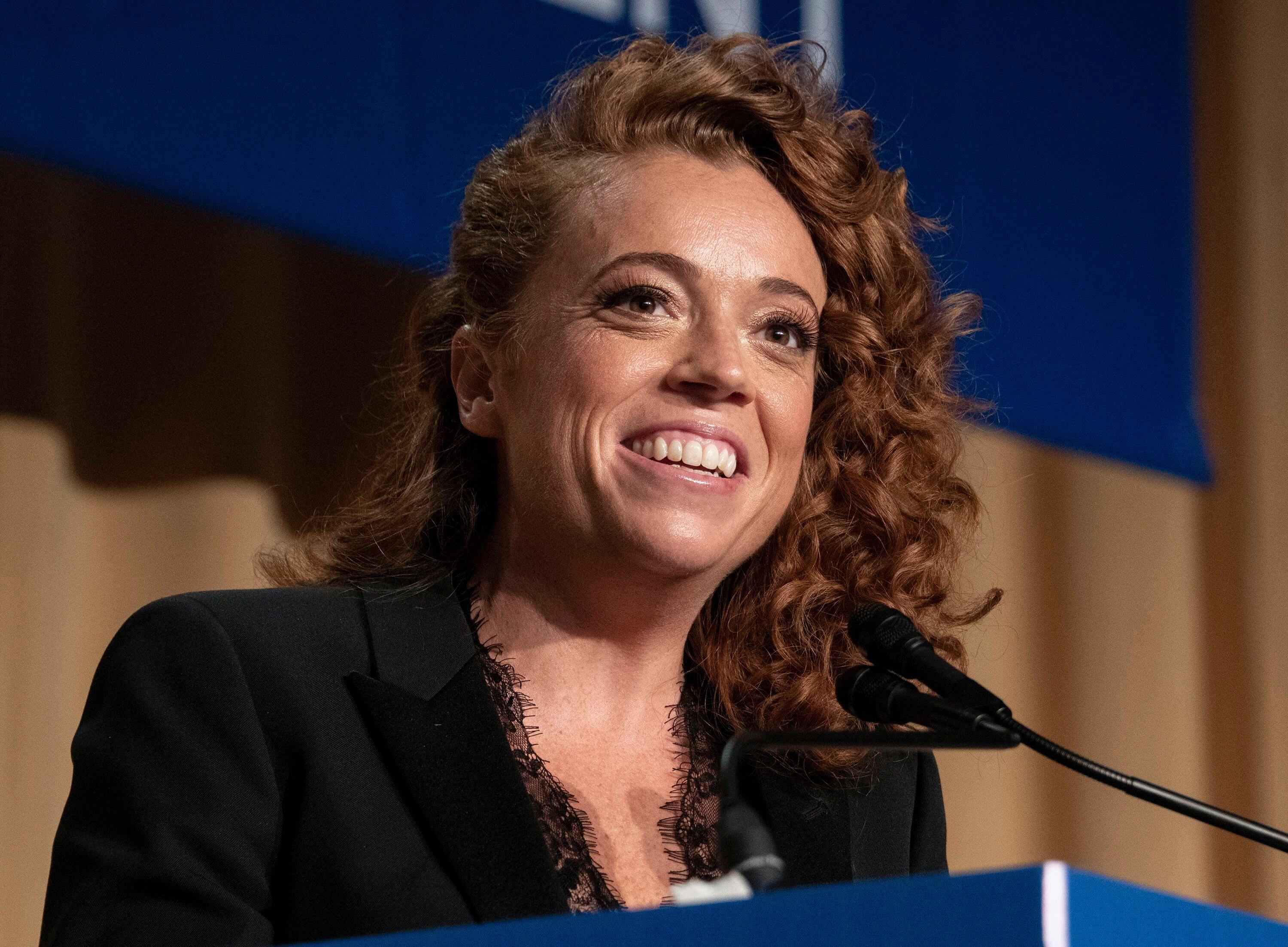
With news that the White House Correspondents' Dinner will break a long-standing tradition by replacing a comedian host with a historian, Jon Levine, media editor at The Wrap, discusses whether the event should even exist anymore.
What role exactly does Facebook play in society? Does it do more good than harm ー or more harm than good? Is it too big to control? Existential questions like these are beginning to circulate as the world's largest social network finds itself embroiled in yet another state of crisis.
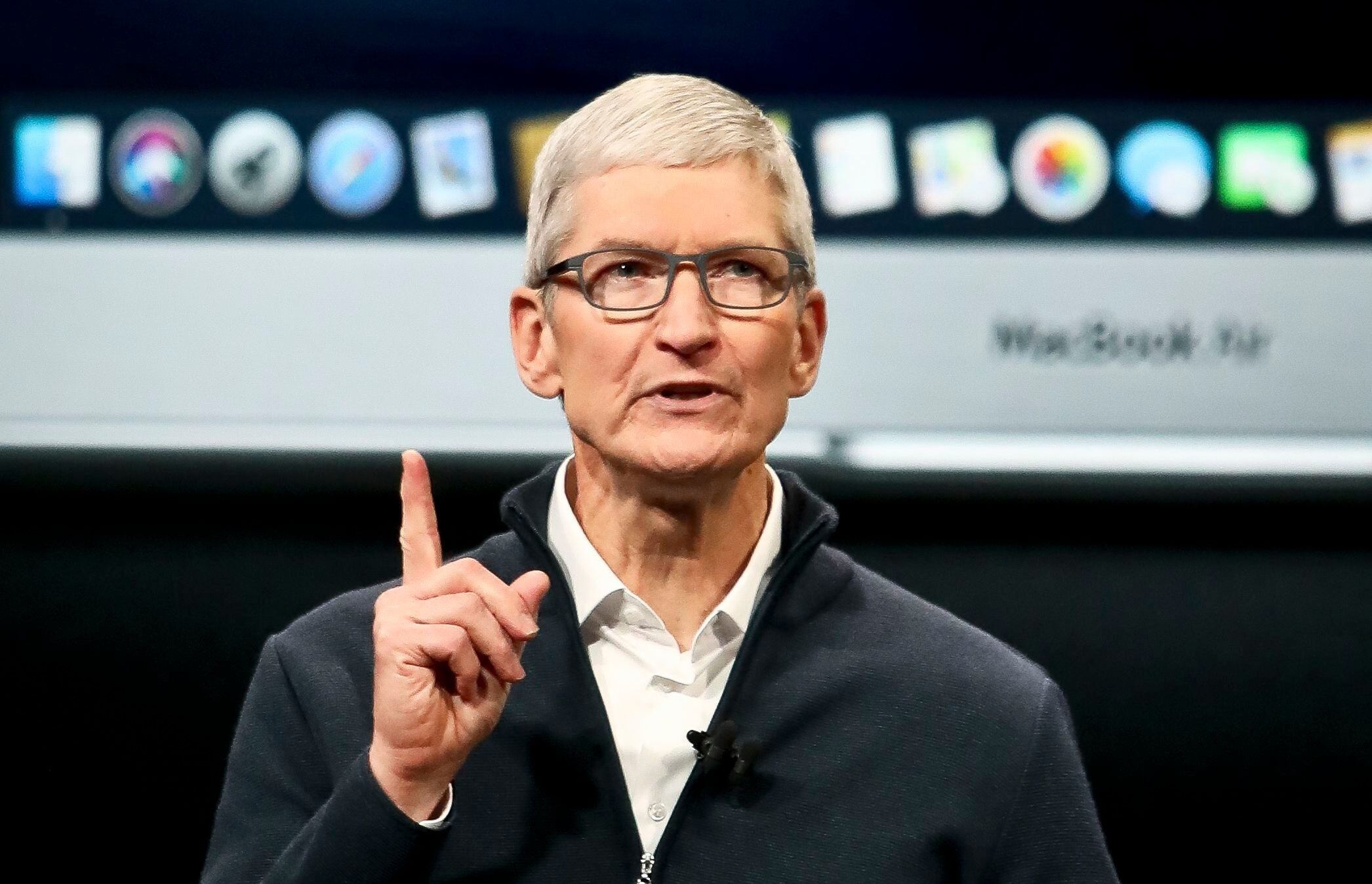
Apple talks a big game on customer privacy -- but that hasn't stopped it from making billions through its partnership with ad-based search engine Google. In an interview with Axios on Sunday, Apple ($AAPL) CEO Tim Cook defended his company's relationship with the world's leading search engine, and discussed the potential for regulation in tech, which he considers inevitable.