President Donald Trump’s attempt to create U.S. jobs by taxing solar panel imports could backfire.
That’s according to the CEO of the Solar Energy Industries Association trade group, who says it’s domestic workers that will feel the pain.
“We have been the fastest growing form of new energy...and this is putting the brakes on that crazy growth,” Abigail Ross Hopper told Cheddar in an interview. “These are not people who are looking for what nationality the company they work for is. They just want to feed their families and pay their mortgages. And those are the people whose jobs are at risk.”
Earlier this week President Trump signed a law that would impose a 30 percent tariff on imported solar panel and sells, a move the administration says will encourage domestic manufacturing.
But the SEIA says the vast majority of the 260,000 Americans employed in the industry work in peripheral industries like installation. Ross Hopper says the bill will result in 23,000 layoffs this year and delay or cancel billions of dollars of investment in the sector.
She also says it might dissuade U.S. consumers from going green.
“Most [businesses and consumers] want to choose solar because it saves them money,” she said. “This decision changes that calculus.”
For full interview [click here](https://cheddar.com/videos/solar-power-in-america).
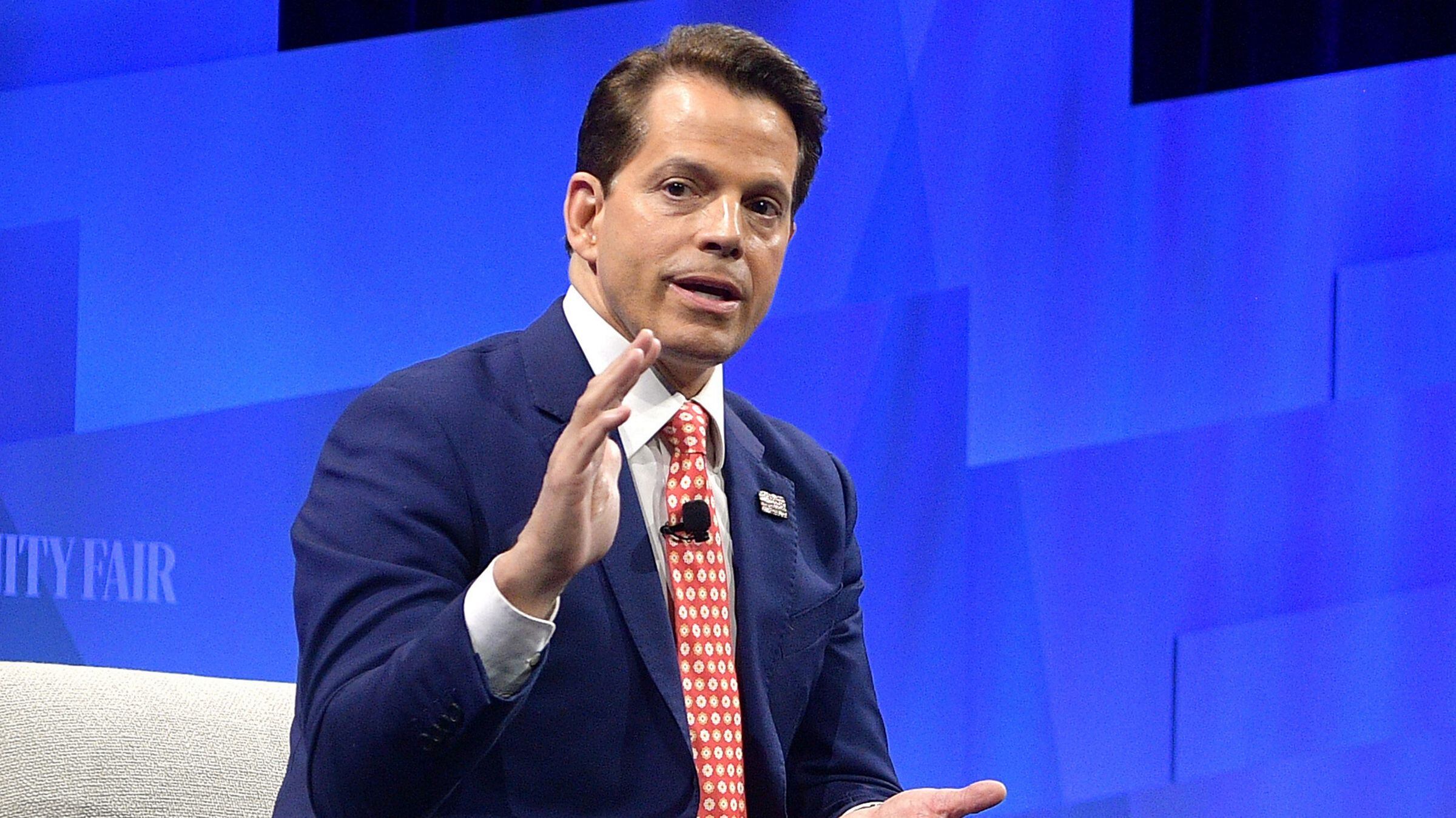
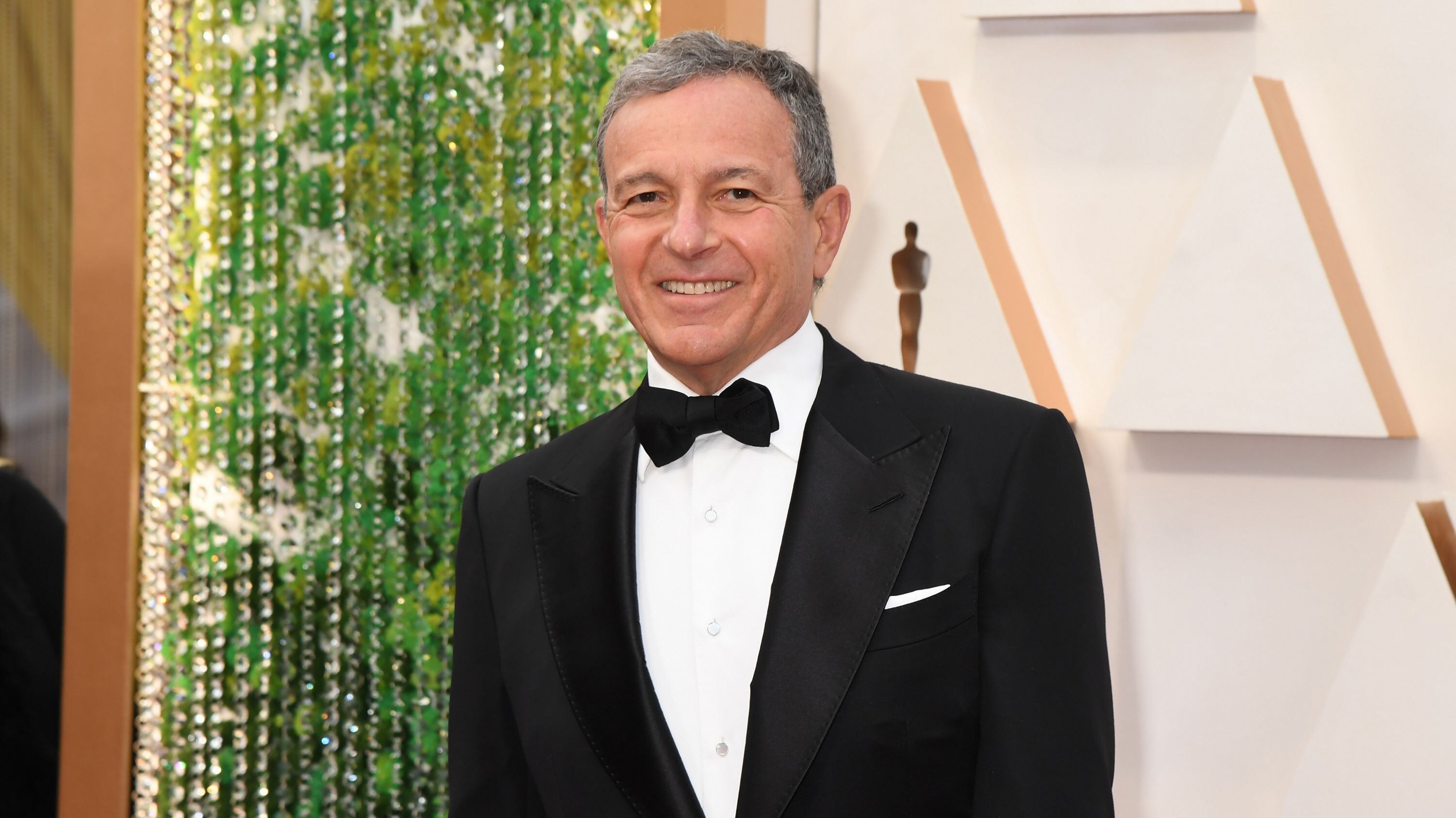
Anthony Scaramucci, the founder of SkyBridge Capital and former White House communications director, has an optimistic view of the markets going forward despite the headwinds of the COVID-19 outbreak and President Trump's handling of the health crisis.
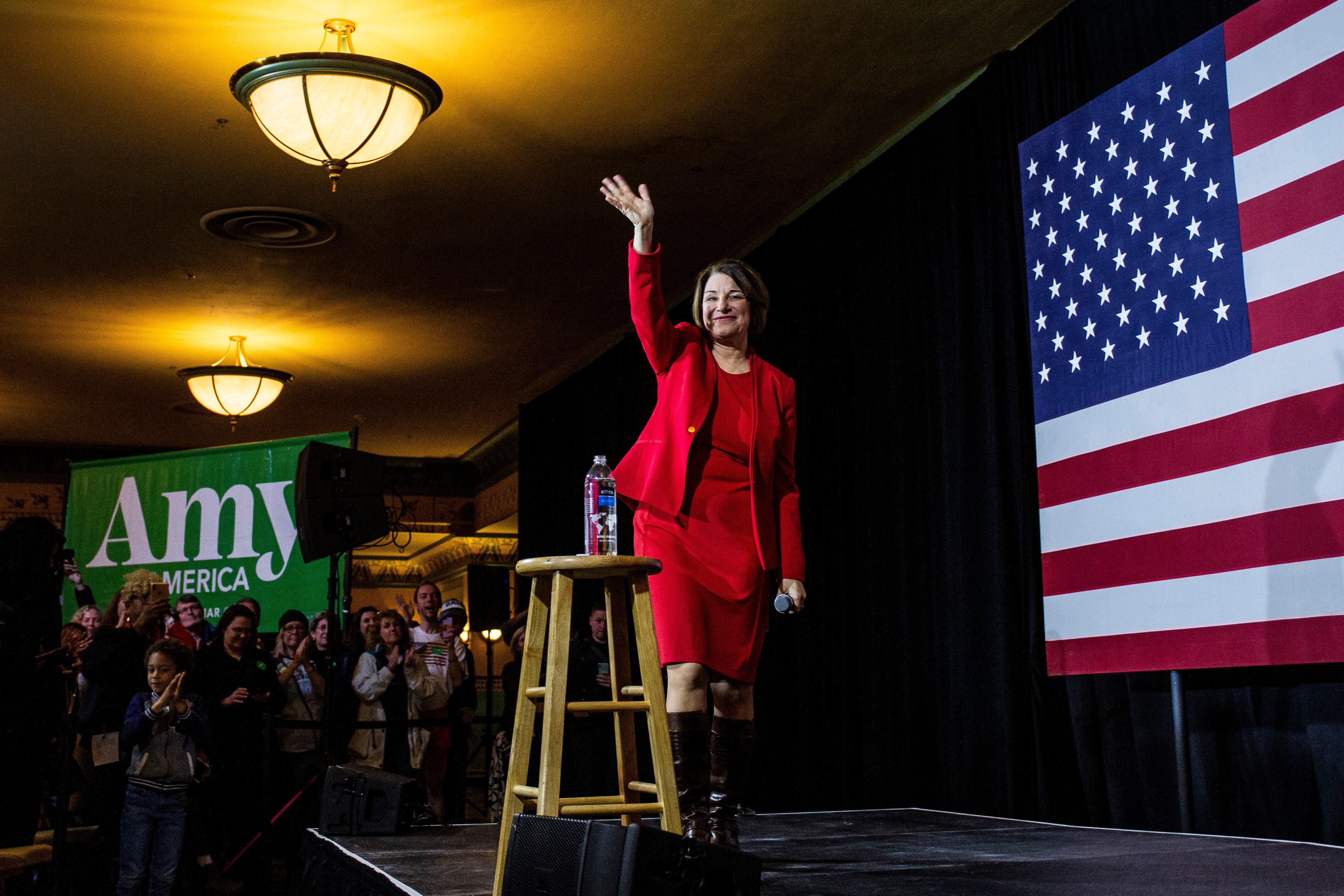
Amy Klobuchar is ending her Democratic presidential campaign, plans to endorse Joe Biden.
These are the headlines you Need 2 Know for Monday, March 2, 2020.
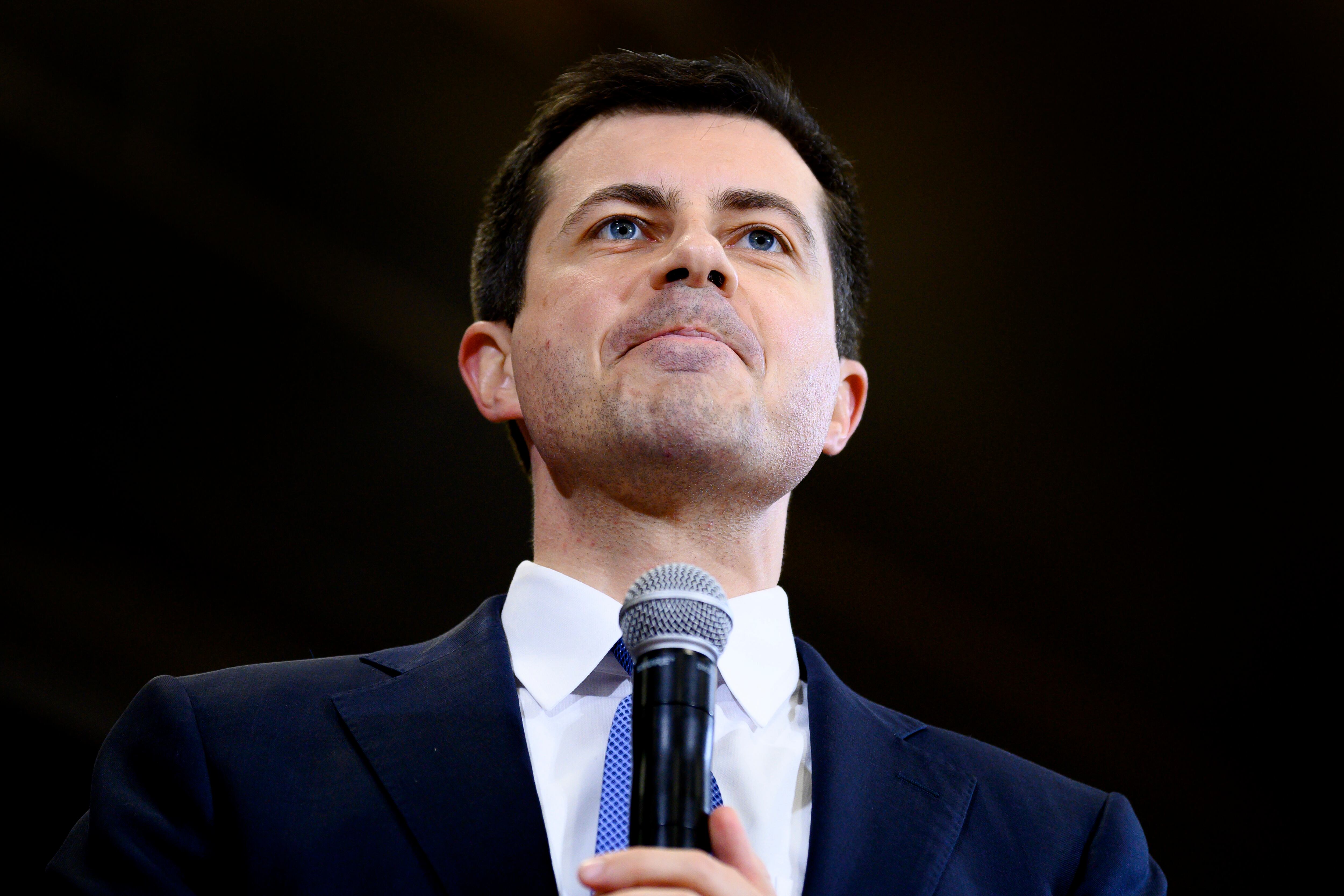
Democrat Pete Buttigieg is ending his campaign for president, the Associated Press is reporting.
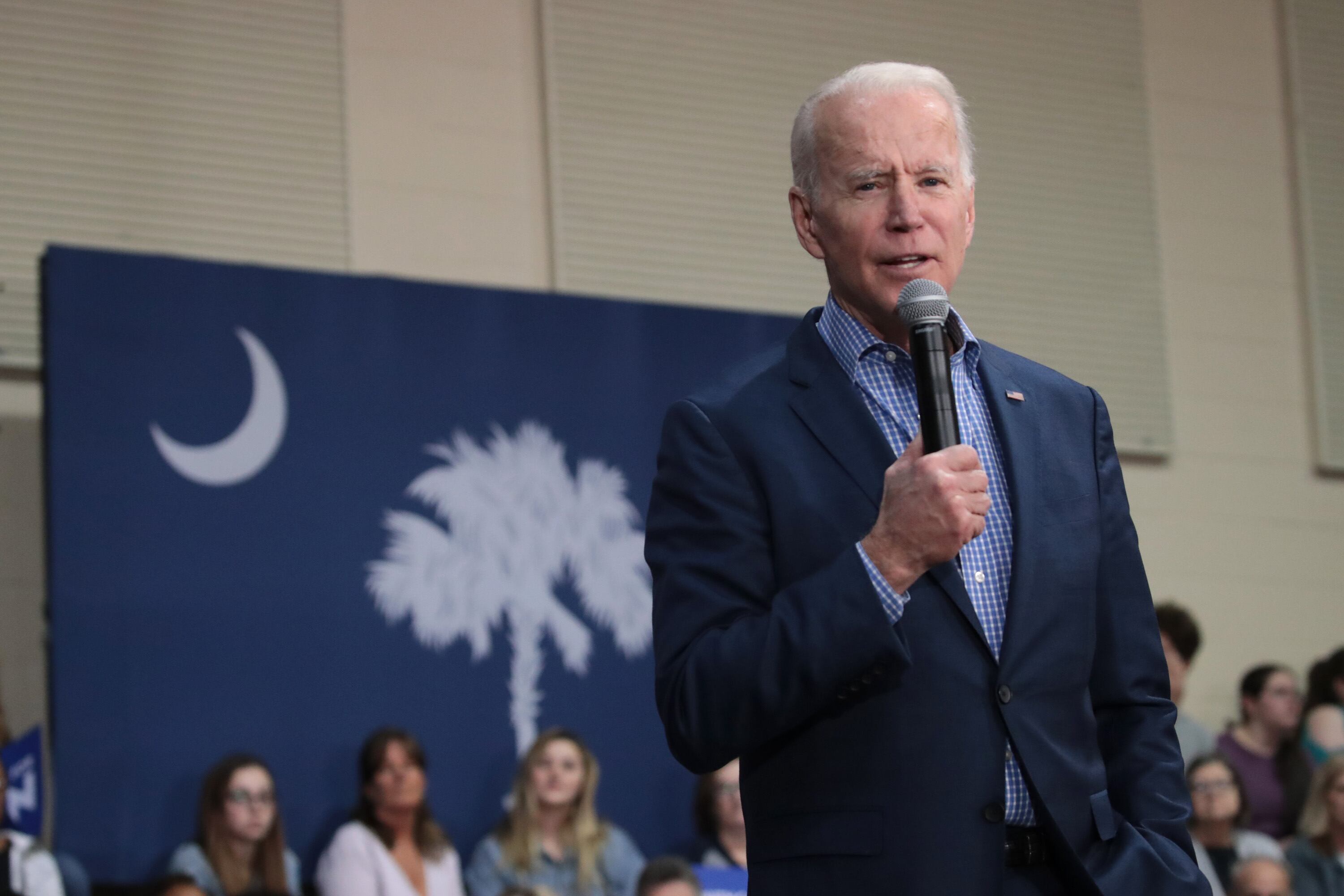
Joe Biden scored a convincing victory in South Carolina’s Democratic primary on Saturday, riding a wave of African American support and ending progressive rival Bernie Sanders’ winning streak.
From Wall Street to Silicon Valley, these are the top stories that moved markets and had investors, business leaders, and entrepreneurs talking this week on Cheddar.
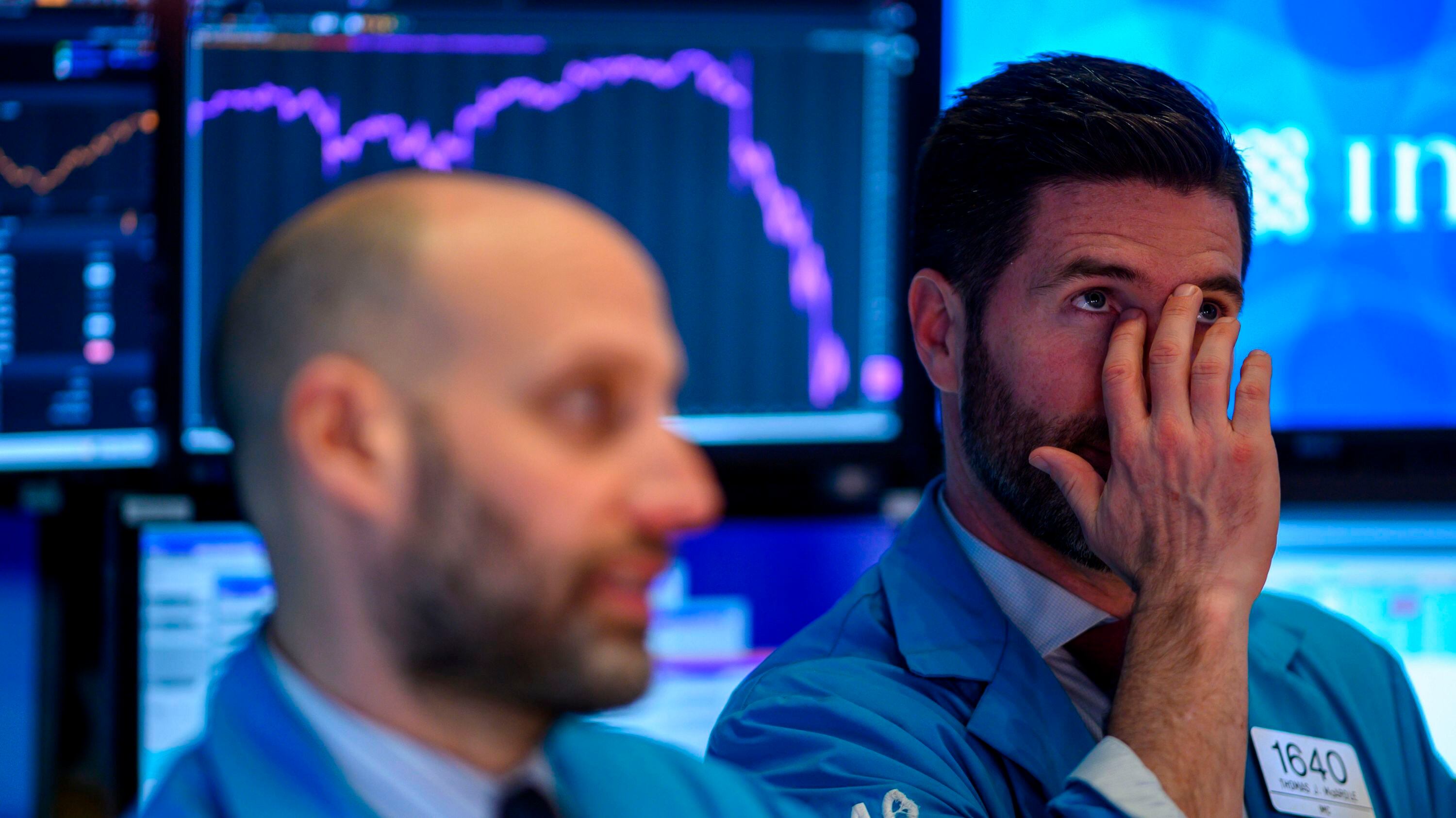
Stocks sank again after another wild day, extending a rout that left the market with its worst week since October 2008. Major indexes clawed back much of their intraday losses in the last 15 minutes. Bond prices soared as investors sought safety, pushing yields to record lows.
The World Health Organization raised its threat assessment Friday saying the global risk of the novel COVID-19 is now "very high," the director-general told reporters, even as the White House continues to downplay the potential impact of the coronavirus in the U.S.
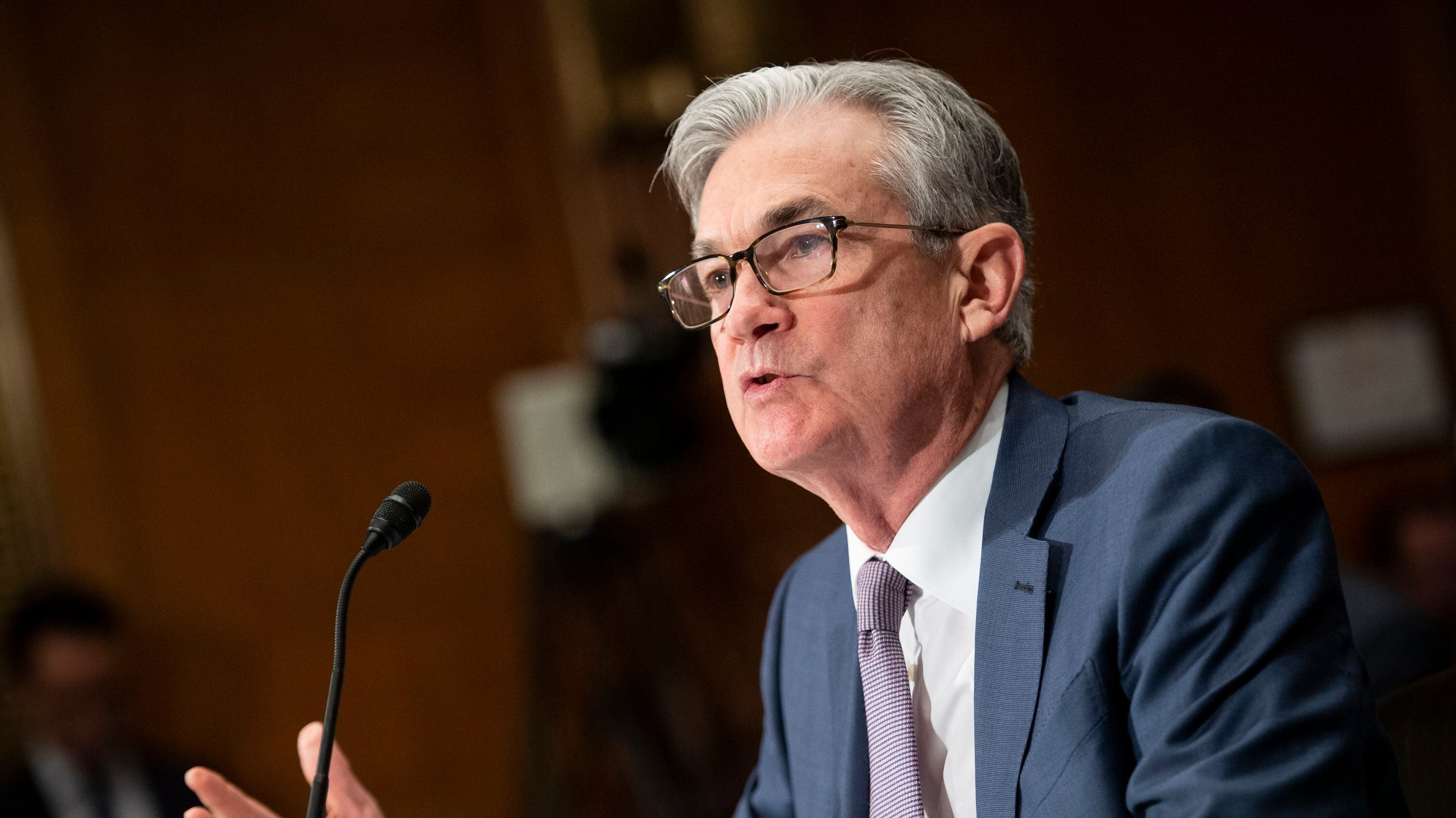
Federal Reserve Chairman Jerome Powell pledged that the Fed will "use our tools" to support the economy, a strong signal of a likely rate cut, perhaps at its next meeting March 17-18.
The report from China Beige Book, an economic forecasting firm that surveyed more than 1,400 companies, shows an economy reeling from shutdowns and quarantines.