President Donald Trump’s attempt to create U.S. jobs by taxing solar panel imports could backfire.
That’s according to the CEO of the Solar Energy Industries Association trade group, who says it’s domestic workers that will feel the pain.
“We have been the fastest growing form of new energy...and this is putting the brakes on that crazy growth,” Abigail Ross Hopper told Cheddar in an interview. “These are not people who are looking for what nationality the company they work for is. They just want to feed their families and pay their mortgages. And those are the people whose jobs are at risk.”
Earlier this week President Trump signed a law that would impose a 30 percent tariff on imported solar panel and sells, a move the administration says will encourage domestic manufacturing.
But the SEIA says the vast majority of the 260,000 Americans employed in the industry work in peripheral industries like installation. Ross Hopper says the bill will result in 23,000 layoffs this year and delay or cancel billions of dollars of investment in the sector.
She also says it might dissuade U.S. consumers from going green.
“Most [businesses and consumers] want to choose solar because it saves them money,” she said. “This decision changes that calculus.”
For full interview [click here](https://cheddar.com/videos/solar-power-in-america).
Andrew Cuomo said this morning that the expected peak of infection is 45 days out, based on a hospitalization rate of between 15 to 19 percent.
These are the headlines you Need 2 Know for Tuesday, March 17, 2020.
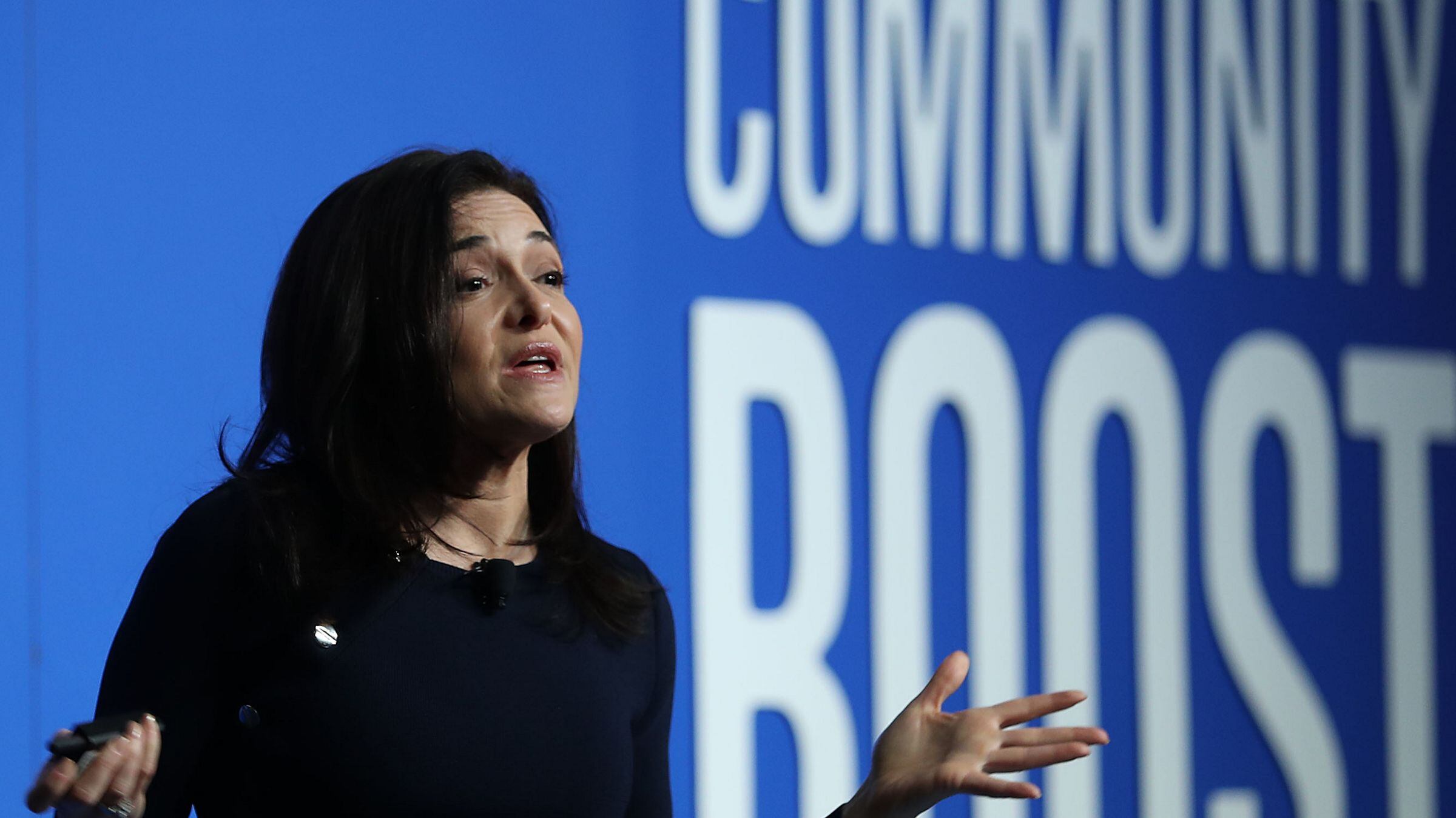
The Small Business Grants Program, revealed in a blog post on Tuesday morning, was created to keep workers working, help with rent costs, connect with more customers, cover operational costs. (Photo by Joe Raedle/Getty Images)
The Fed is reviving a program that it first used during the 2008 financial crisis to unclog a short-term lending market for what is known as “commercial paper.” Large businesses issue commercial paper to raise cash to meet payrolls and cover other short-term costs.
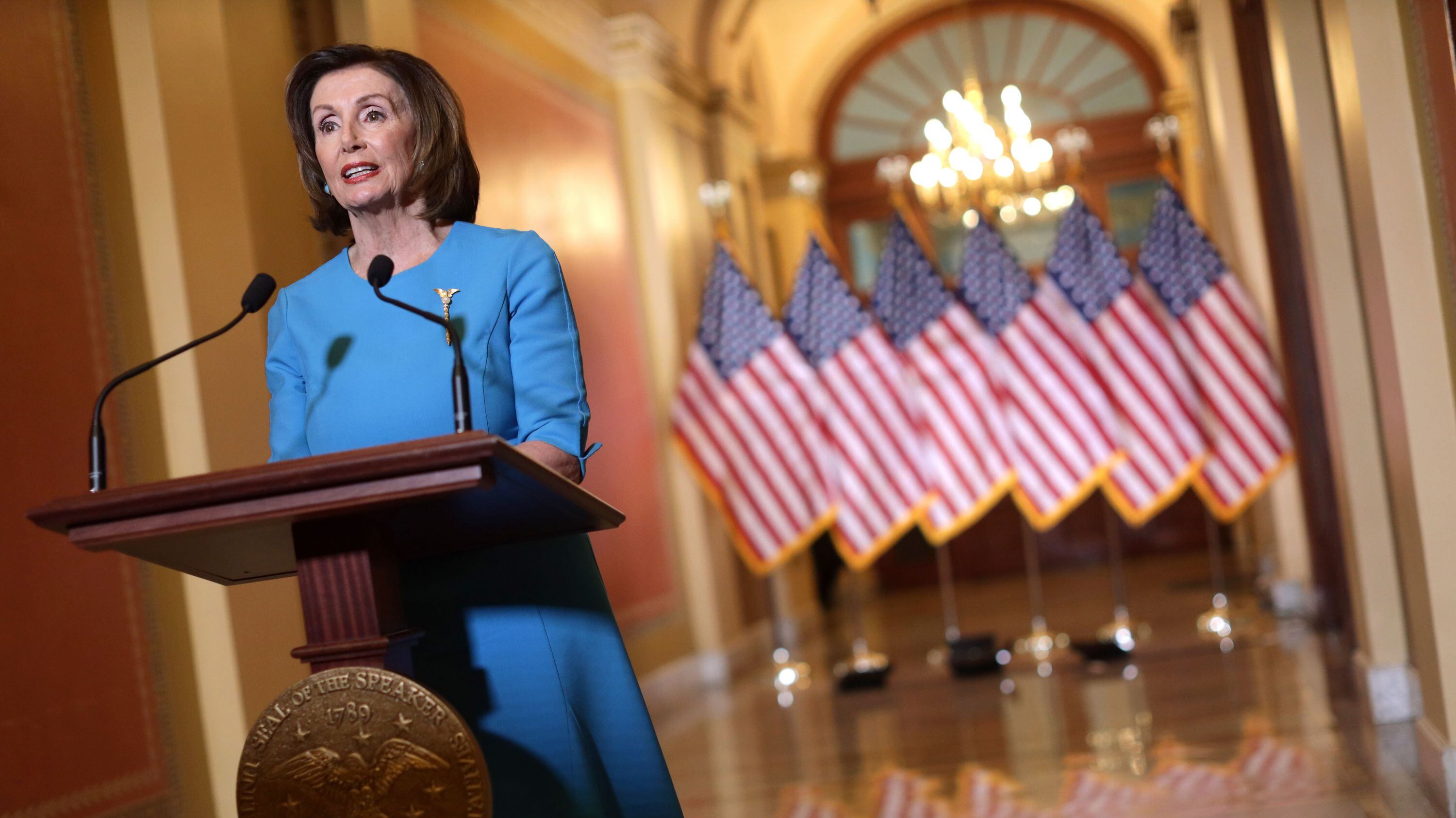
Speaker Nancy Pelosi said the House Democrats will pass the $8.3 billion ‘Families First Coronavirus Response Act’ today, though she did not mention support by Republicans or the White House.
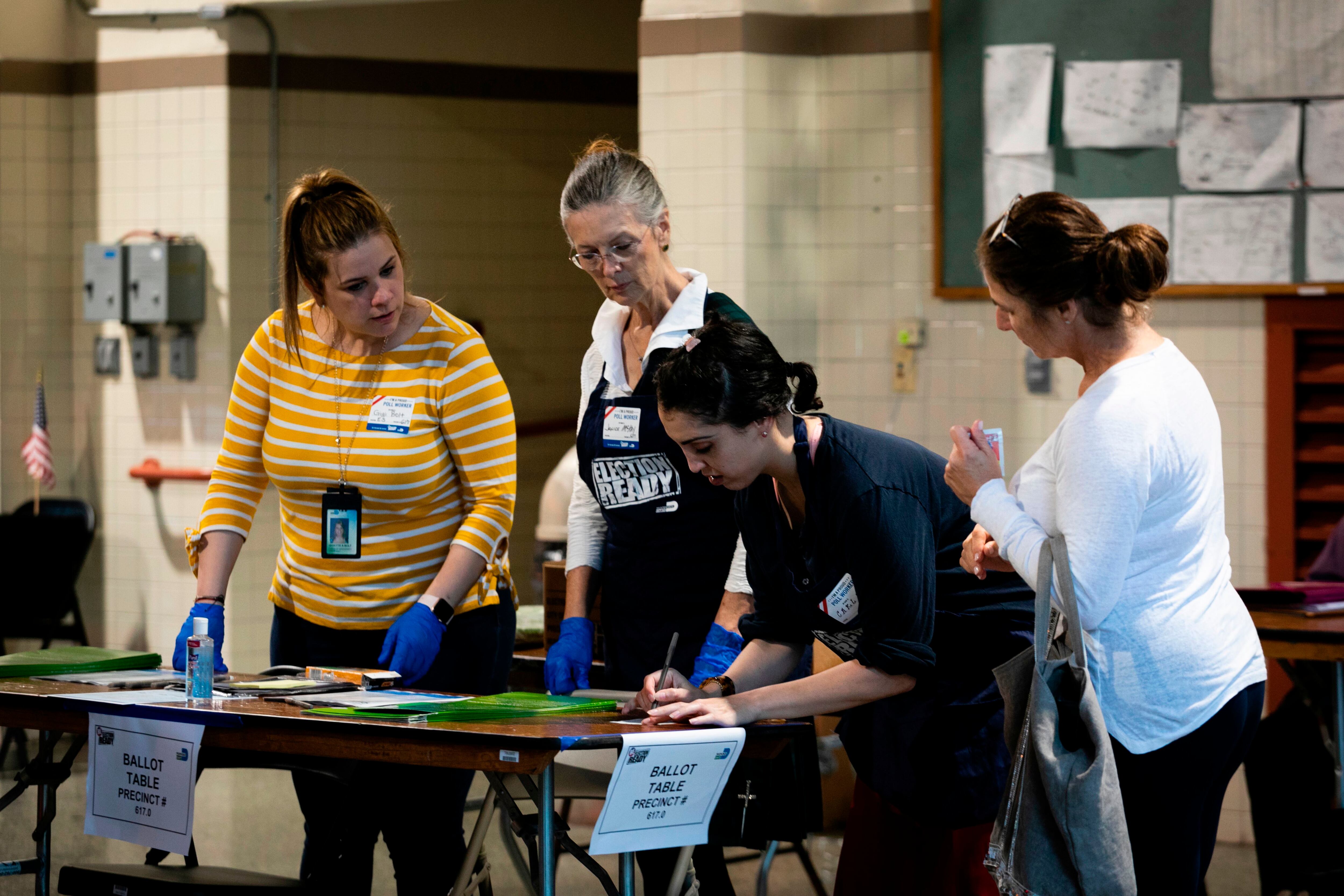
Millions of voters in Arizona, Florida, and Illinois have already cast ballots for the 441 Democratic pledged delegates up for grabs in today and those who haven't are expected to head to the polls.
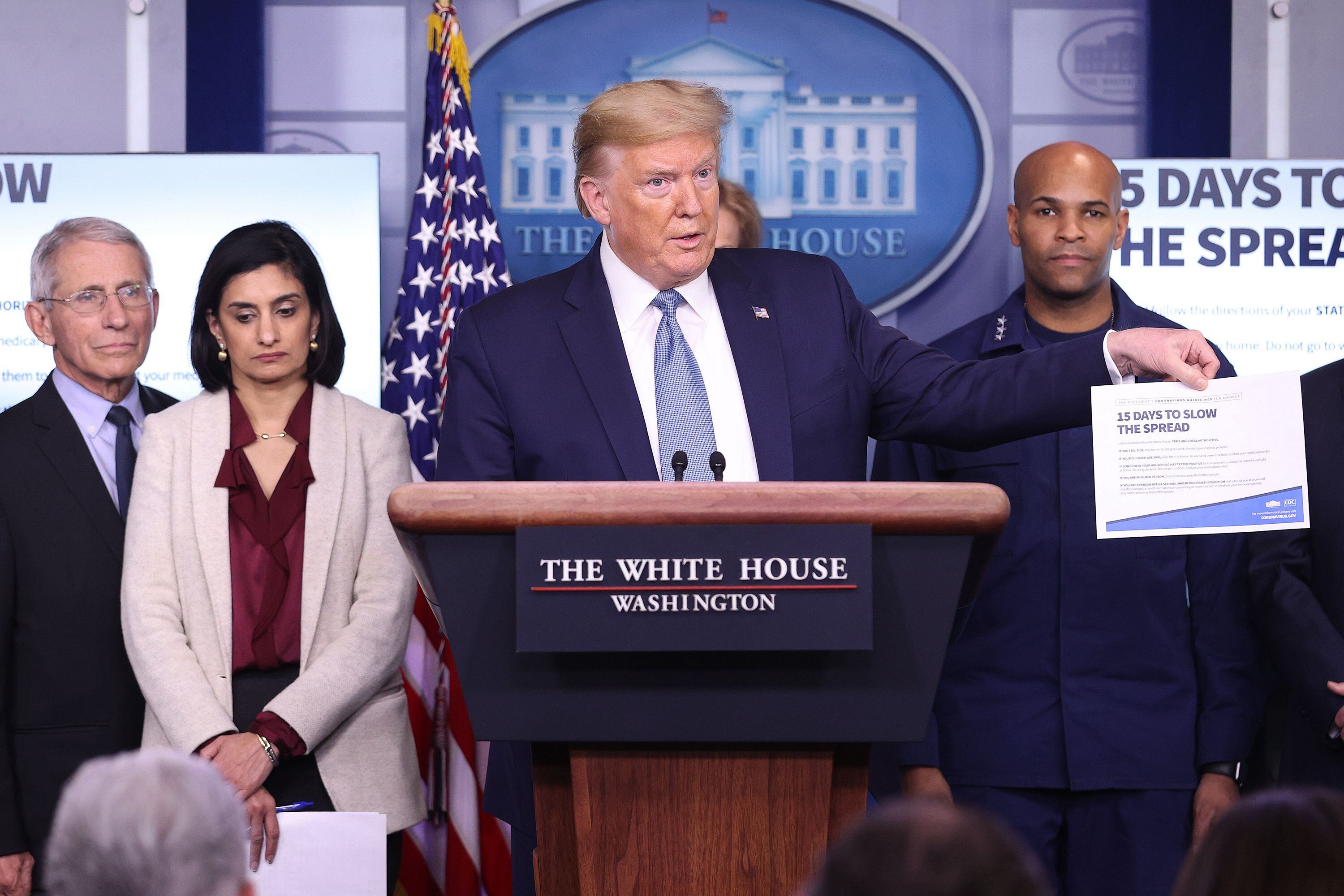
The guidelines mark the first attempt by the federal government to establish best practices for all Americans amid an avalanche of disparate state and local policies.
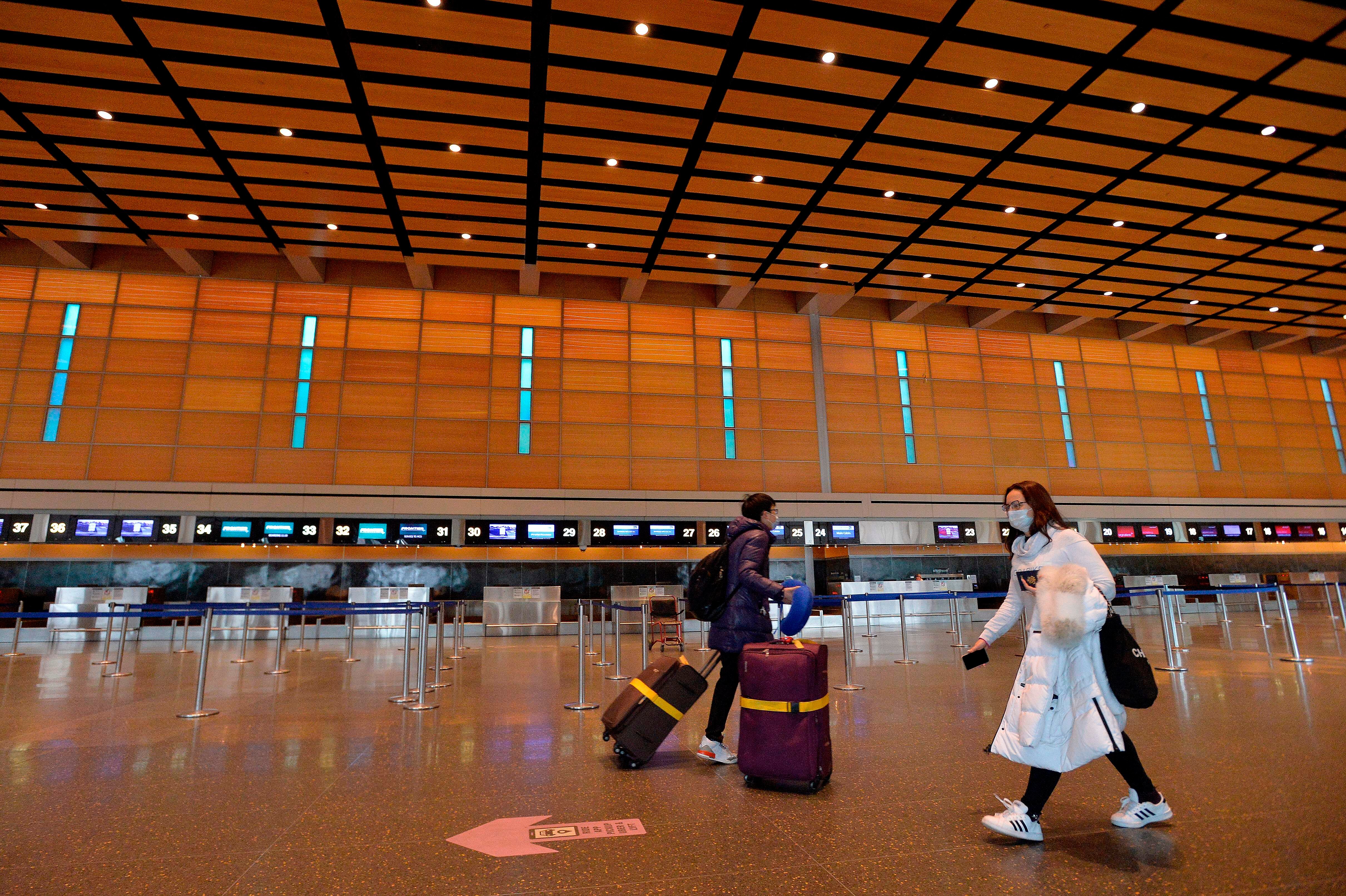
U.S. airlines are reportedly seeking as much as $50 billion in federal support as travel restrictions aimed at containing the spread of coronavirus have pushed the industry’s biggest players to the brink of bankruptcy.
The action came on the heels of an executive order by Louisiana Gov. John Bel Edwards, banning gatherings of 250 people or more across the state and shutting down schools.
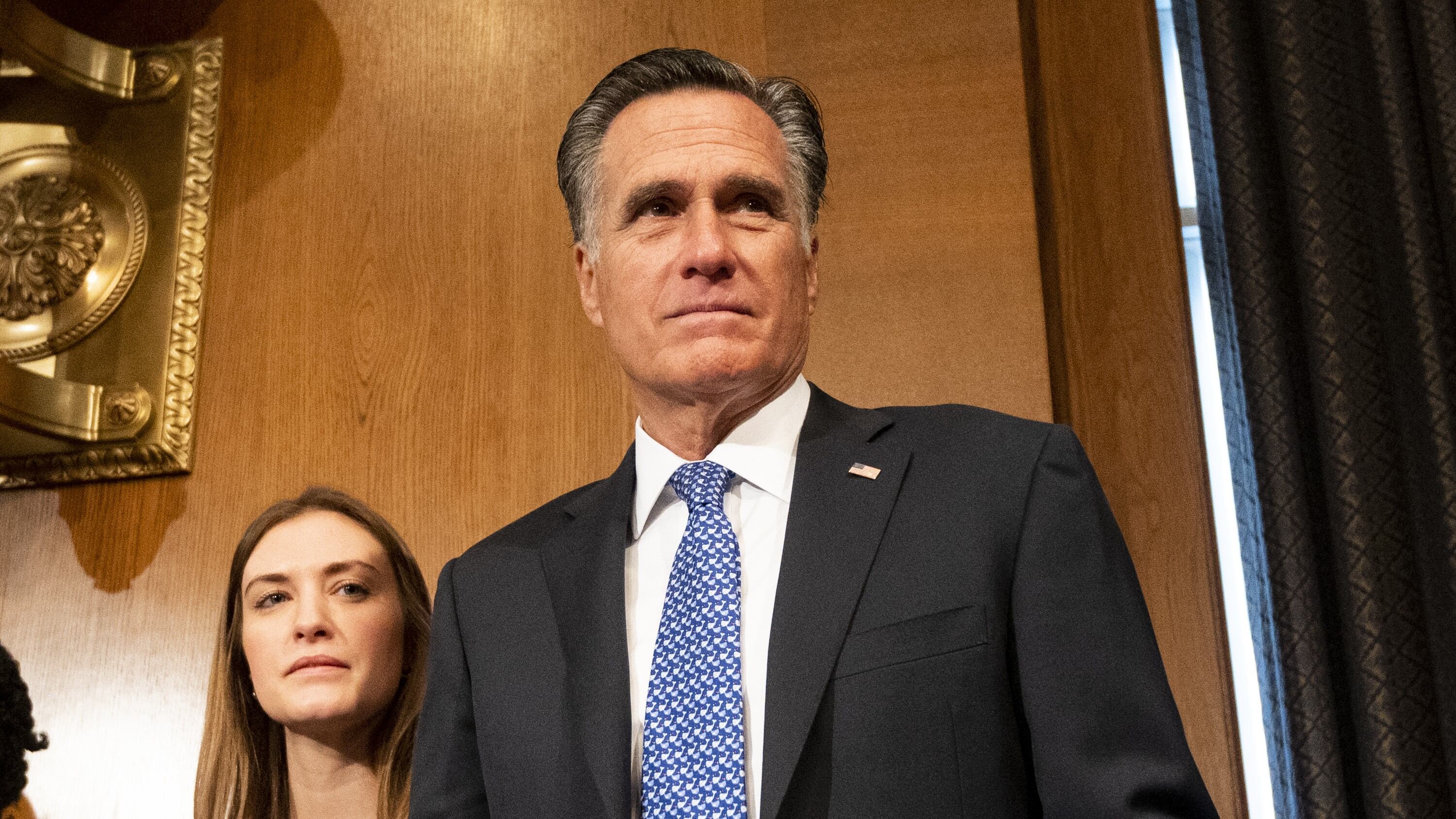
Sen. Mitt Romney seems to be channeling former Democratic presidential candidate Andrew Yang in his proposal to give every U.S. adult $1,000 to help them deal with the economic impact of the coronavirus outbreak.