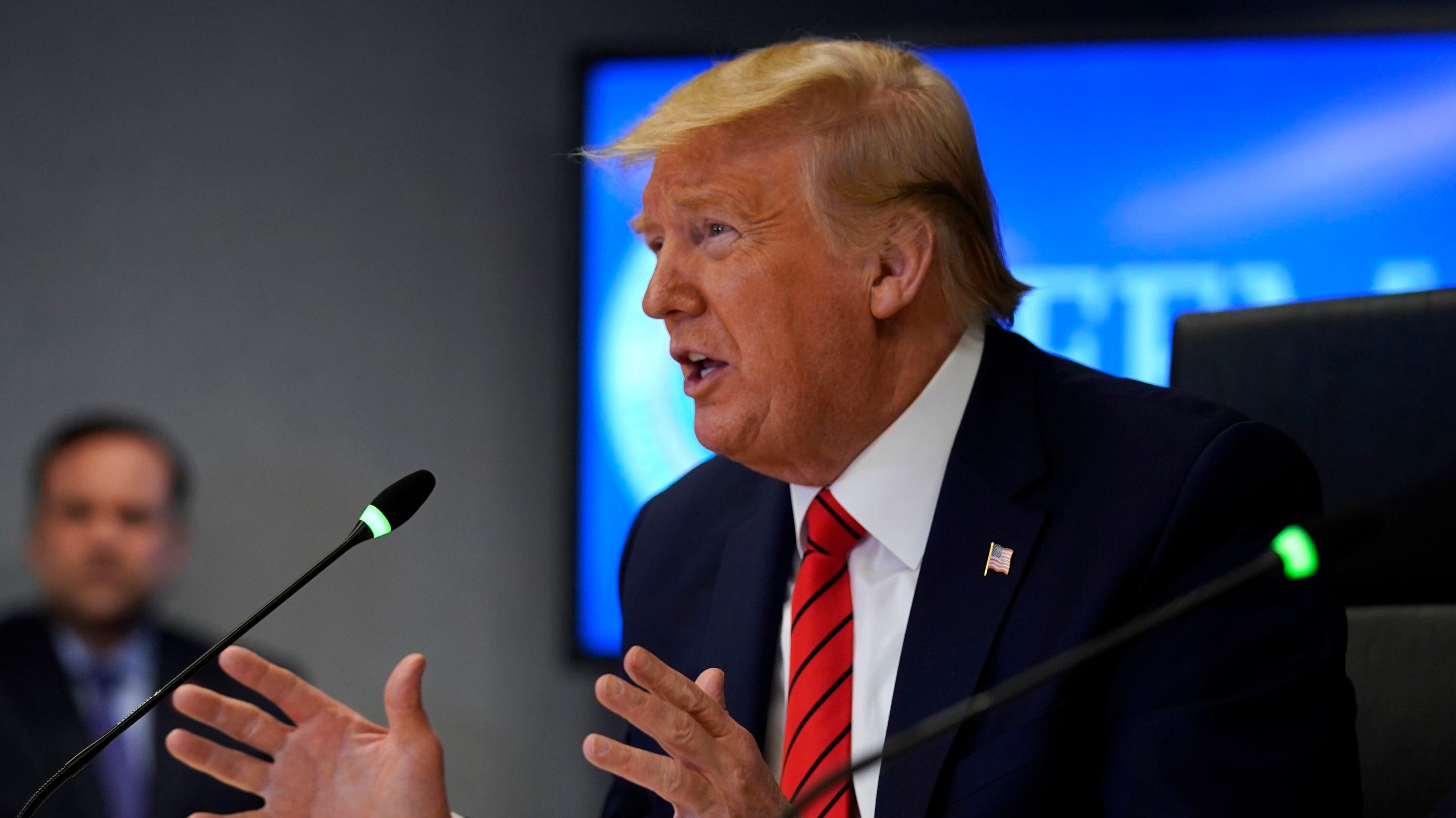
President Donald Trump’s attempt to create U.S. jobs by taxing solar panel imports could backfire.
That’s according to the CEO of the Solar Energy Industries Association trade group, who says it’s domestic workers that will feel the pain.
“We have been the fastest growing form of new energy...and this is putting the brakes on that crazy growth,” Abigail Ross Hopper told Cheddar in an interview. “These are not people who are looking for what nationality the company they work for is. They just want to feed their families and pay their mortgages. And those are the people whose jobs are at risk.”
Earlier this week President Trump signed a law that would impose a 30 percent tariff on imported solar panel and sells, a move the administration says will encourage domestic manufacturing.
But the SEIA says the vast majority of the 260,000 Americans employed in the industry work in peripheral industries like installation. Ross Hopper says the bill will result in 23,000 layoffs this year and delay or cancel billions of dollars of investment in the sector.
She also says it might dissuade U.S. consumers from going green.
“Most [businesses and consumers] want to choose solar because it saves them money,” she said. “This decision changes that calculus.”
For full interview [click here](https://cheddar.com/videos/solar-power-in-america).
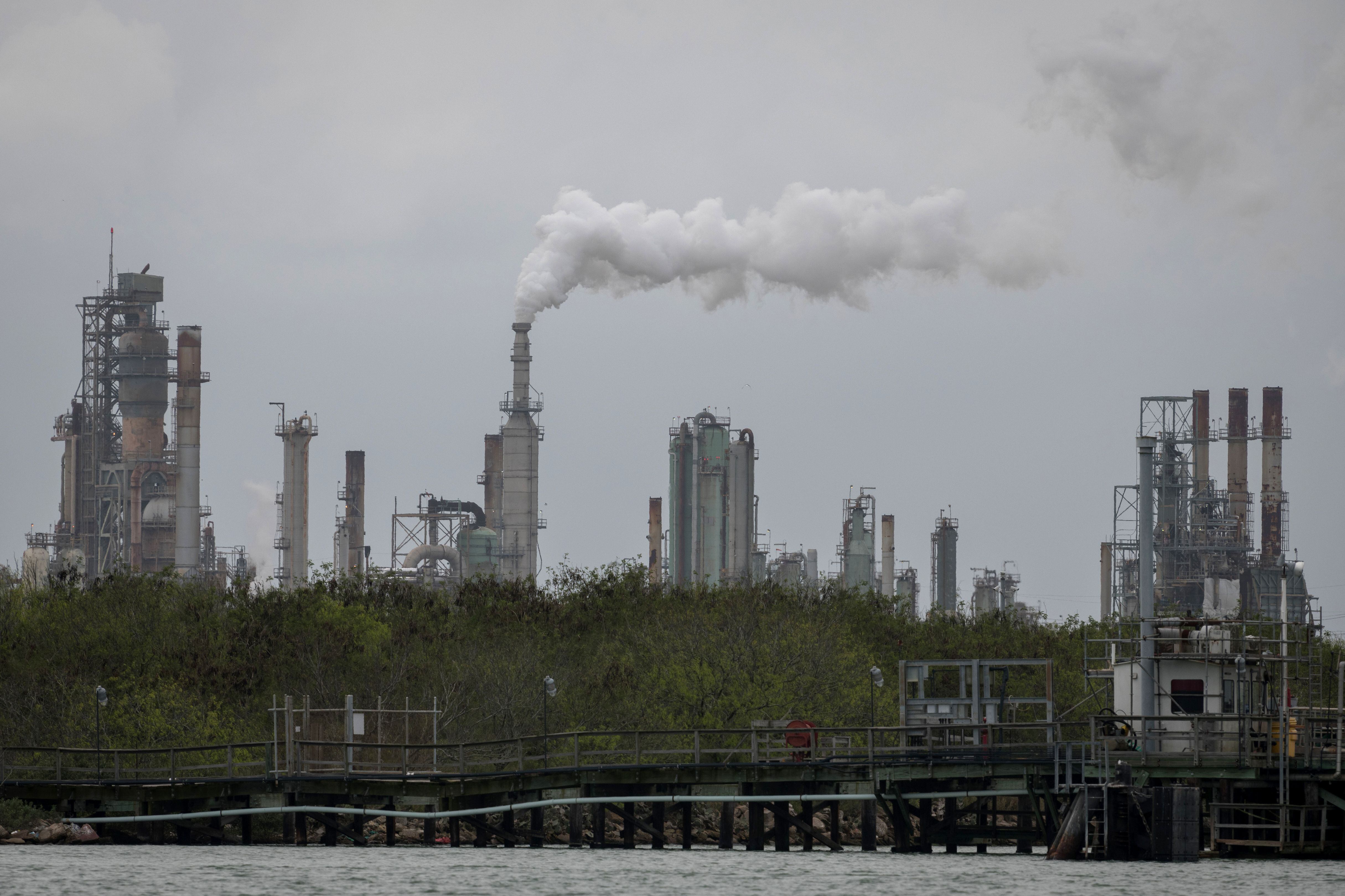
The move underscores the pain being inflicted on U.S. oil producers by the abrupt crash in oil prices earlier this month, sparked by the outbreak of a price war between Saudi Arabia and Russia and exacerbated by the global response to the coronavirus.
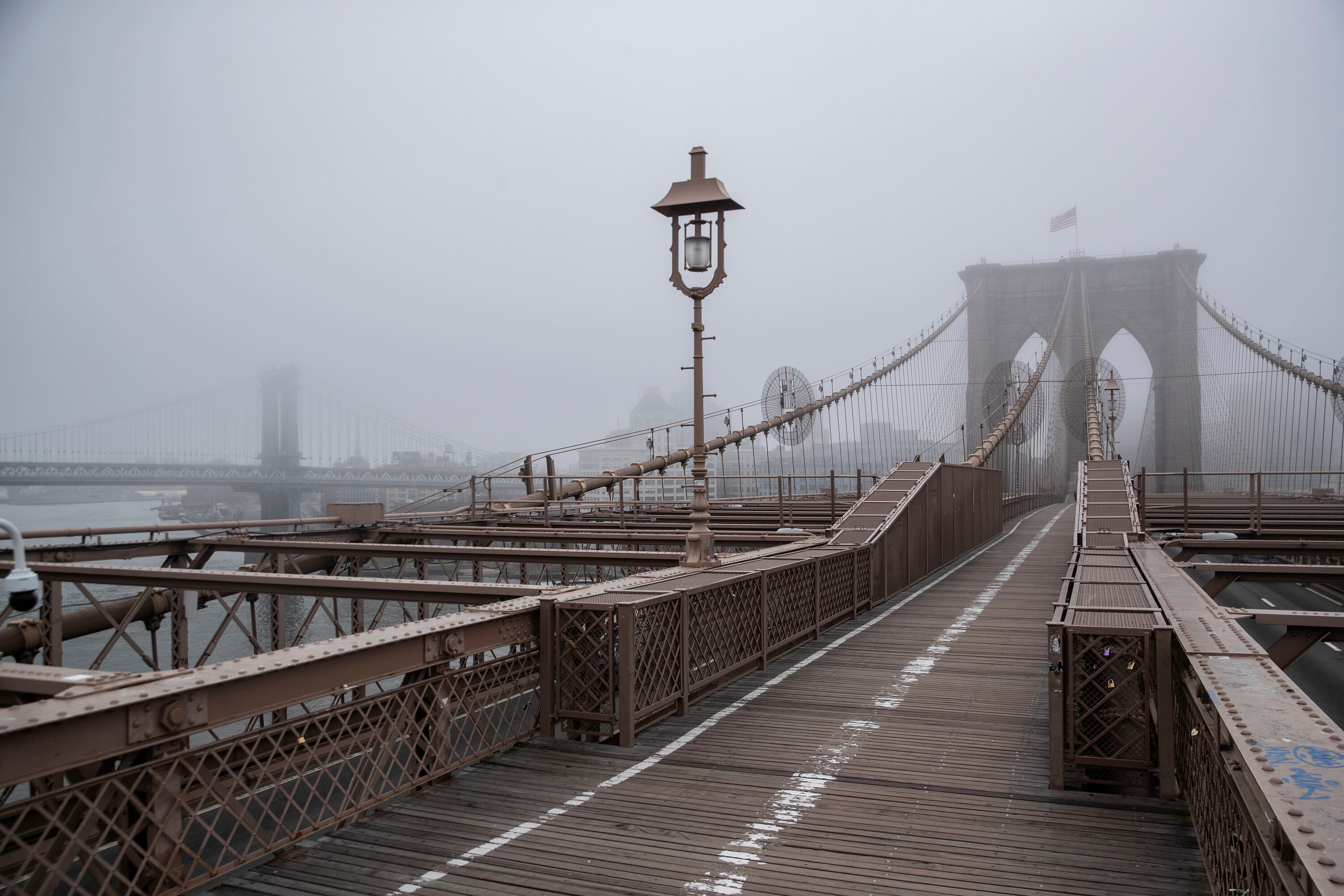
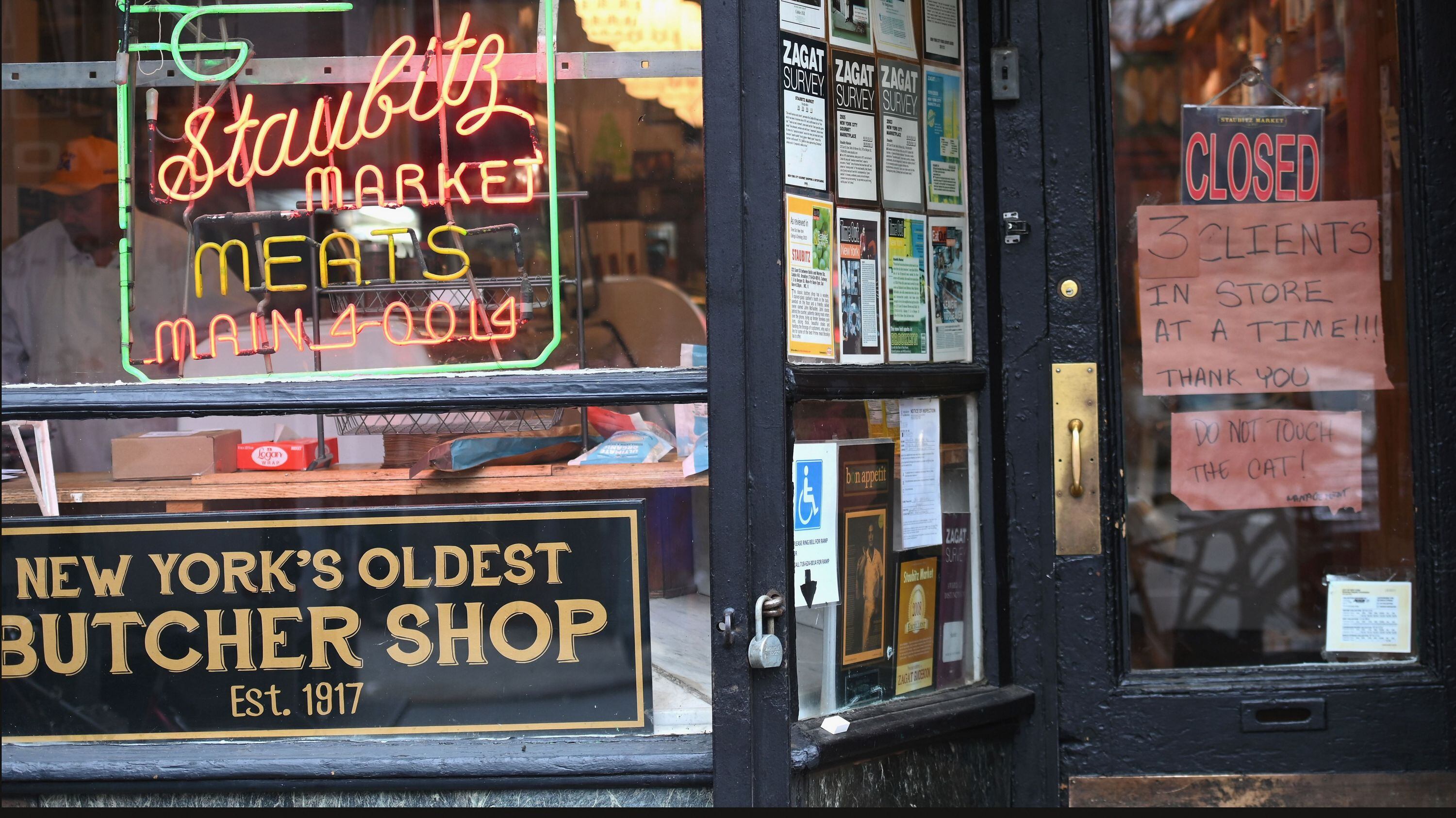
New York is joining California in seriously altering daily operations after Governor Andrew Cuomo announced he will sign an executive order mandating that 100 percent of the non-essential workforce stay home. The order will go into effect Sunday night.
Stocks turned lower Friday on Wall Street after New York became the latest major state to mandate nearly all workers stay home to limit the spread of the new coronavirus.
Senator Richard Burr (R-N.C.) is under intense scrutiny after an NPR report showed that he revealed the severity of the impending coronavirus crisis to a group of North Carolinians in private and warned of major life disruptions weeks before the federal government did the same. And, as the coronavirus outbreak continues to wreak havoc on supply chains, hospitals and markets, new financial disclosures show that Burr made big money moves before the indices showed the historic declines seen in recent weeks.
More than 60 percent of Americans also think a recession will come in the next year, according to a new study by YouGov.
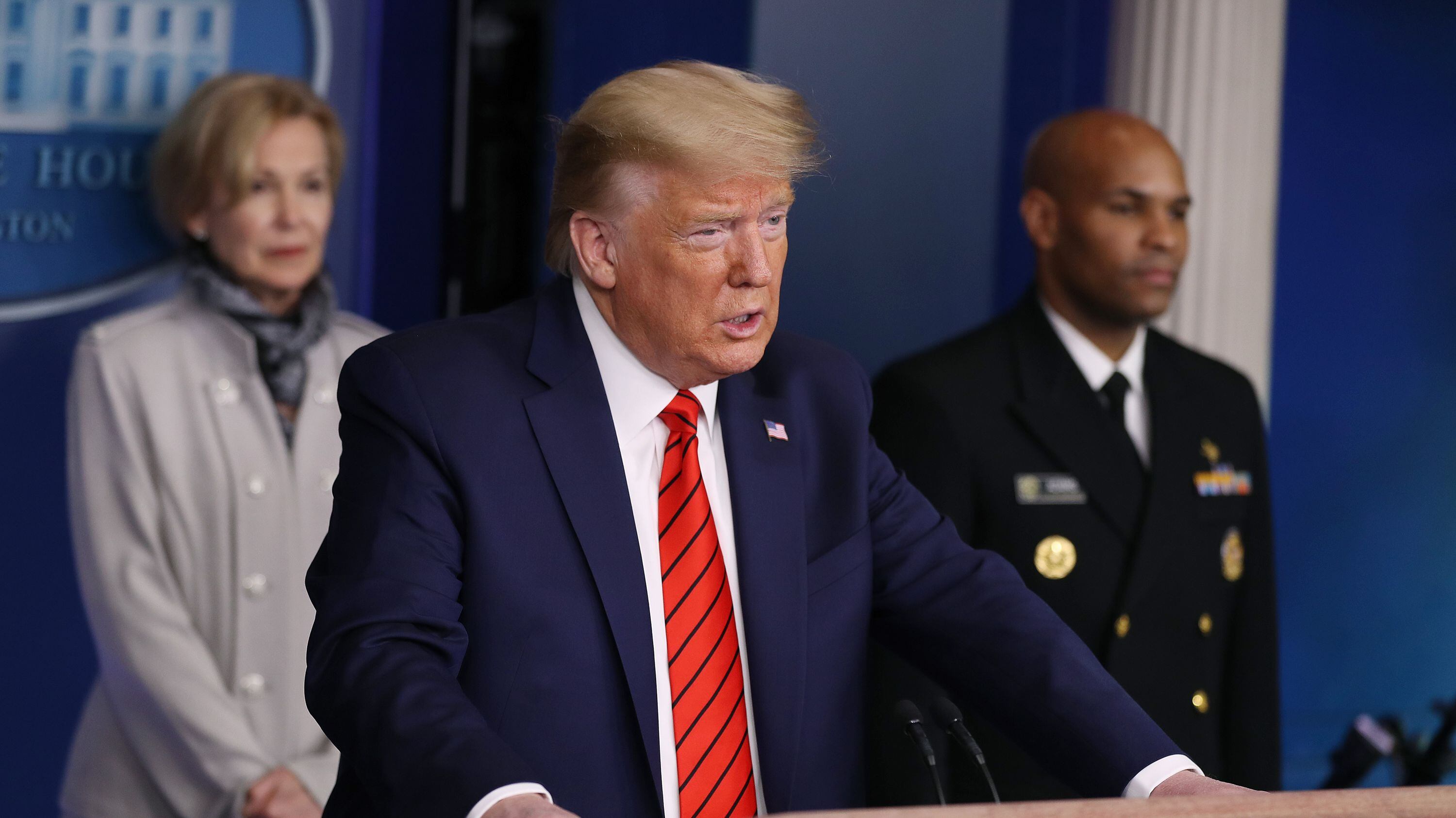
Trump’s coronavirus task force on Thursday afternoon visited the Federal Emergency Management Agency to hear from several governors about the challenges facing their states.
In the morning conference, the governor also waived mortgage payments for 90 days and revealed the spike in new cases bringing the full total to 4,152, the most in the nation.
The drug, hydroxychloroquine, was developed more than a half-century ago and is approved for treating malaria, arthritis, and other ailments. Reports out of China and Italy suggest the drug may help, but there is no hard data yet.
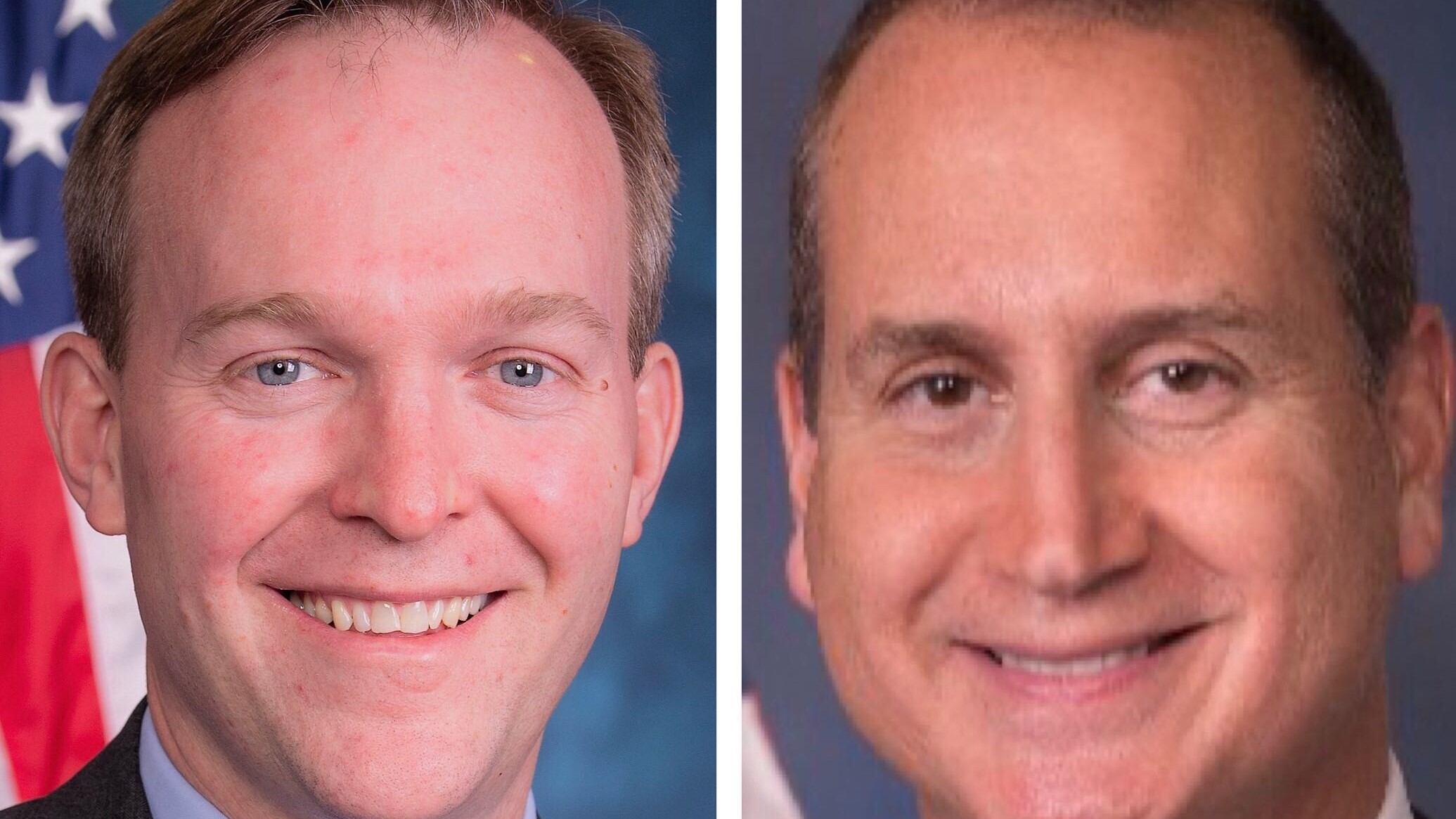
Coronavirus has hit Capitol Hill, as the first members of Congress have tested positive for the virus. Reps. Mario Diaz-Balart (R-Fla.) and Ben McAdams (D-Utah) announced diagnoses late Wednesday.
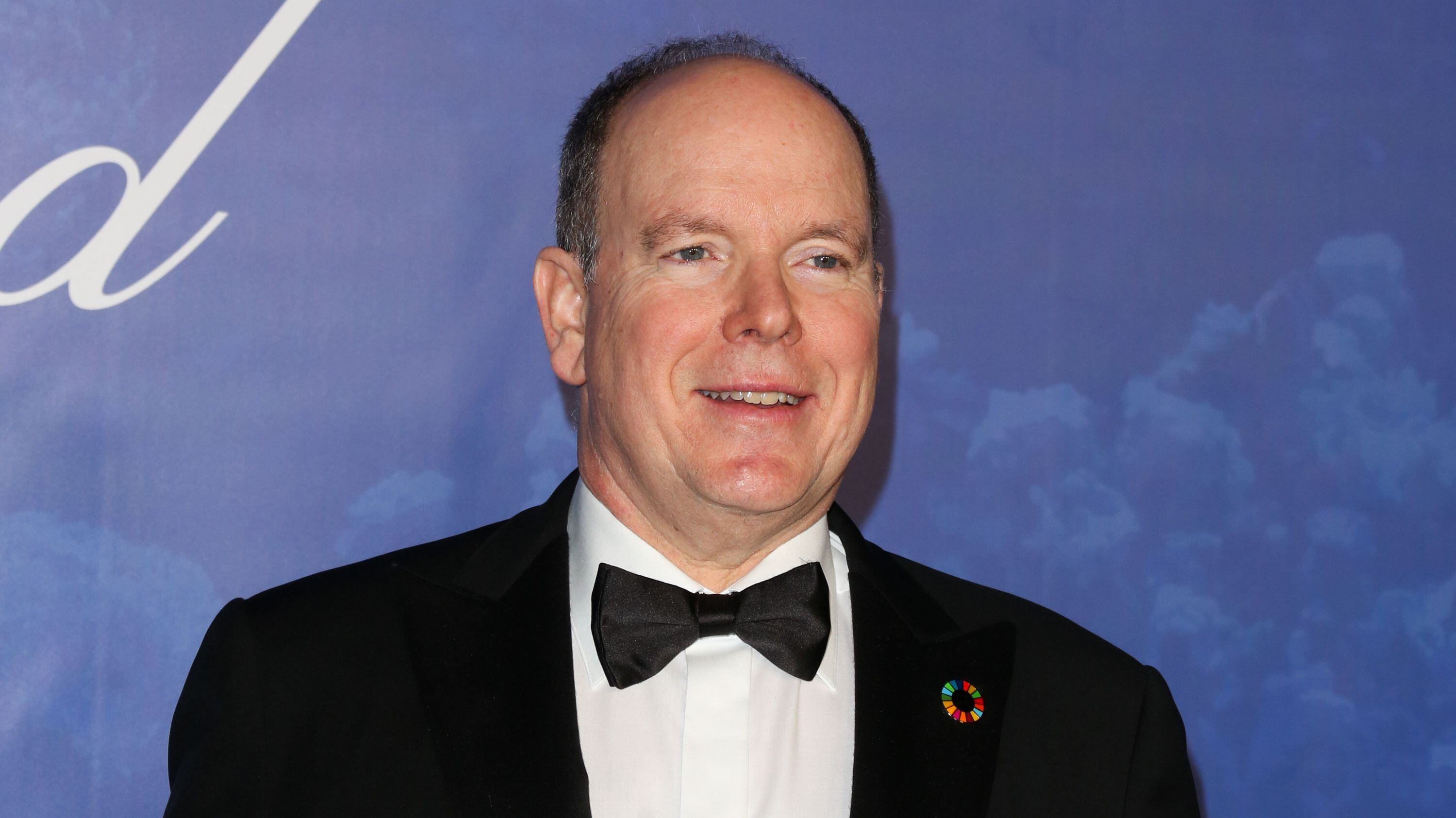
The palace of Monaco says its head of state, Prince Albert II, has tested positive for the new coronavirus. In a statement Thursday, the palace of the tiny Mediterranean principality said that his health is not worrying.