President Donald Trump’s attempt to create U.S. jobs by taxing solar panel imports could backfire.
That’s according to the CEO of the Solar Energy Industries Association trade group, who says it’s domestic workers that will feel the pain.
“We have been the fastest growing form of new energy...and this is putting the brakes on that crazy growth,” Abigail Ross Hopper told Cheddar in an interview. “These are not people who are looking for what nationality the company they work for is. They just want to feed their families and pay their mortgages. And those are the people whose jobs are at risk.”
Earlier this week President Trump signed a law that would impose a 30 percent tariff on imported solar panel and sells, a move the administration says will encourage domestic manufacturing.
But the SEIA says the vast majority of the 260,000 Americans employed in the industry work in peripheral industries like installation. Ross Hopper says the bill will result in 23,000 layoffs this year and delay or cancel billions of dollars of investment in the sector.
She also says it might dissuade U.S. consumers from going green.
“Most [businesses and consumers] want to choose solar because it saves them money,” she said. “This decision changes that calculus.”
For full interview [click here](https://cheddar.com/videos/solar-power-in-america).
The House of Representatives overwhelmingly passed the $2.2 trillion coronavirus aid package Friday afternoon, but what was expected to be a smooth confirmation process devolved into a mad dash in the Capitol after one of the House’s own threatened to derail the vote with a procedural objection.
Despite President Donald Trump’s call to put the economy back to work by Easter, one Johns Hopkins physician says there may have to be “variability” in when states and cities restart their economies.
Stocks are opening lower on Wall Street as the market gives back some of the gains it piled up over the past three days. Major indexes are down more than 3% in early trading Friday.
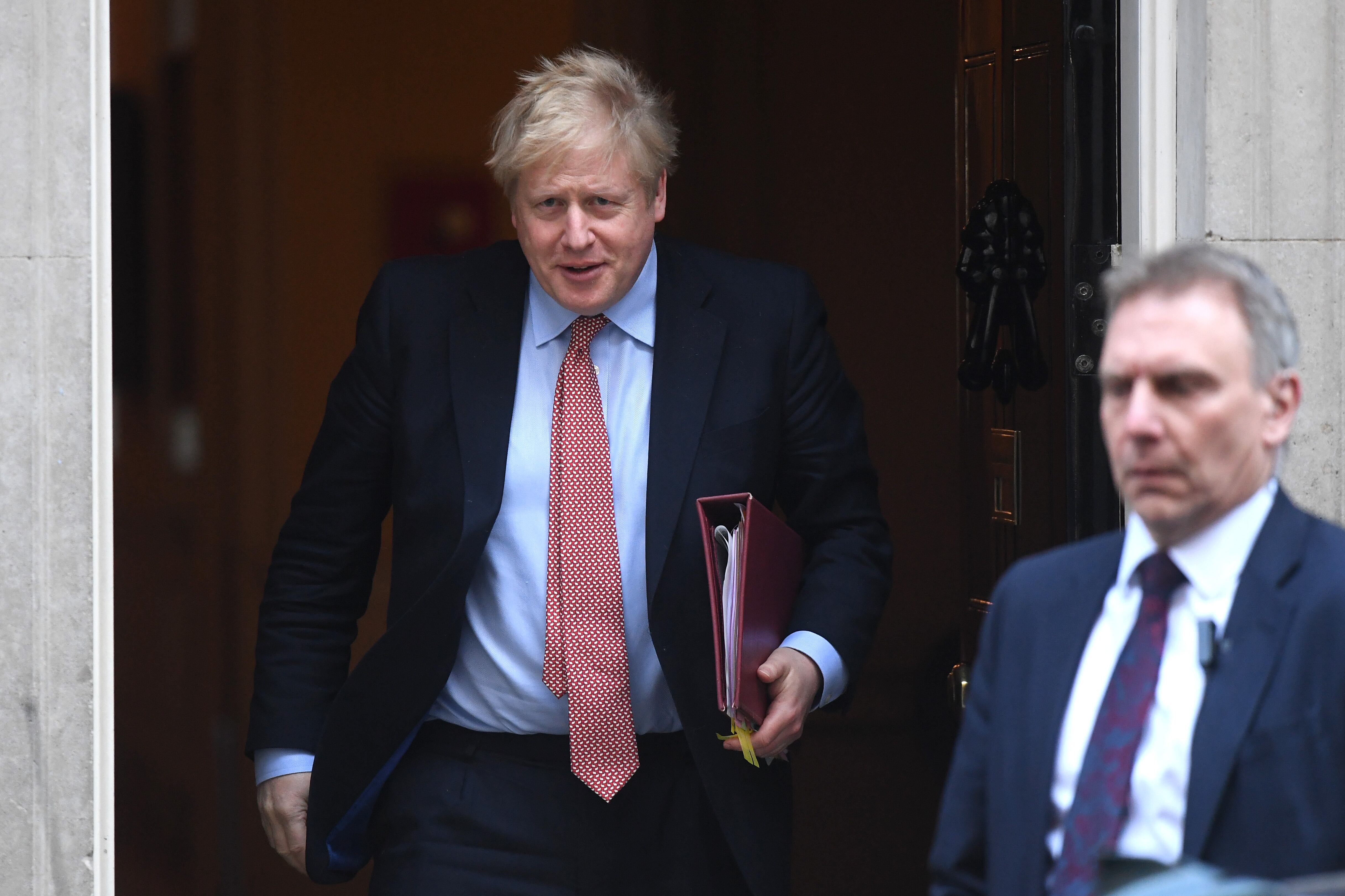
British Prime Minister Boris Johnson has tested positive for the new coronavirus, but remains in charge of the U.K.’s response to the outbreak.
Stocks are surging again on Wall Street as a massive coronavirus relief bill gets closer to passing Congress. Major indexes jumped more than 6%, bringing the S&P 500 up 17% since Monday.
Stocks are rising more than 3% early Thursday, putting the market on track for its first three-day rally in six weeks, even as the astonishing scale of the downturn slamming the economy because of the coronavirus becomes more apparent.
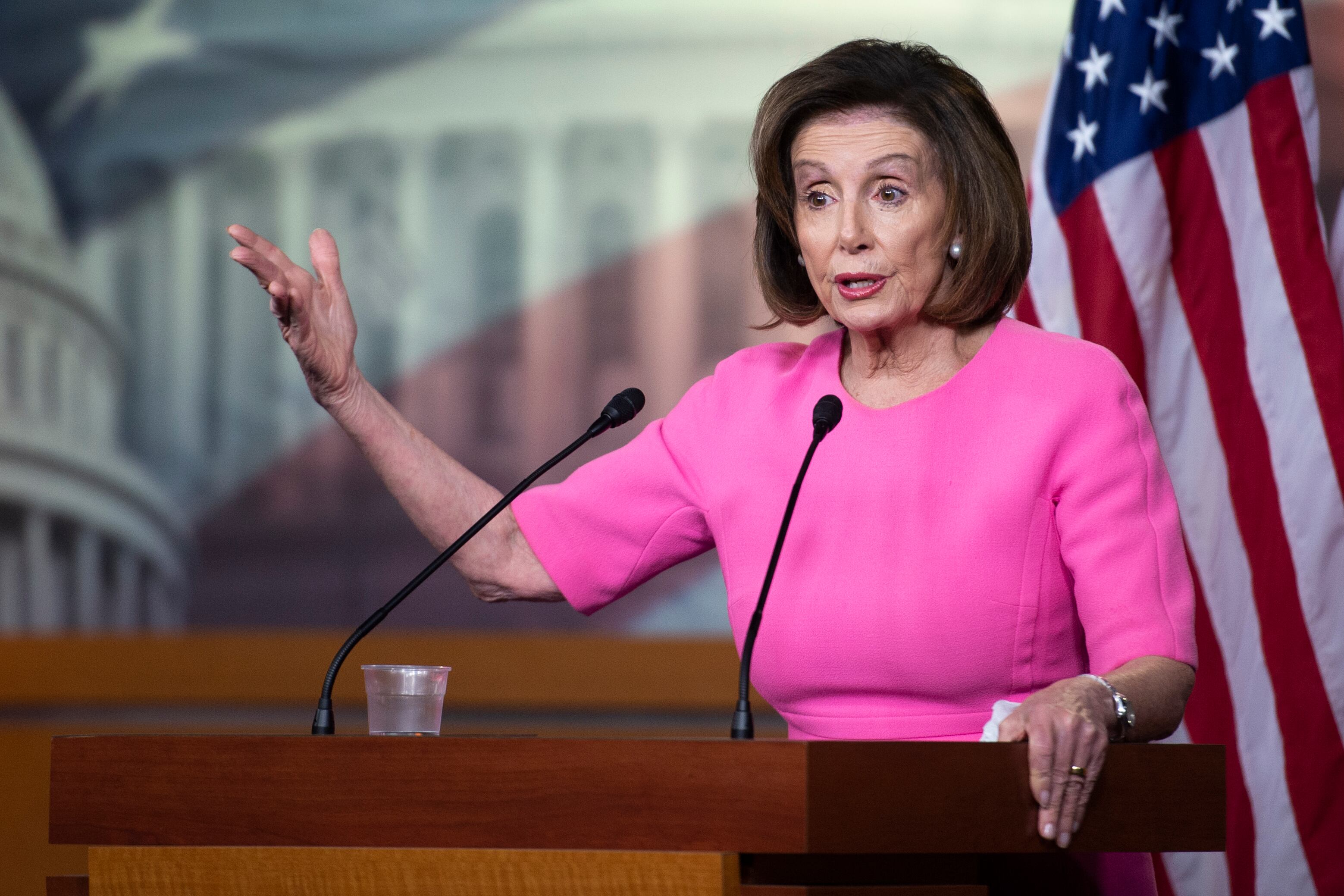
House Speaker Nancy Pelosi said she is 'very proud' of the $2.2 trillion coronavirus aid package and confirmed the House will take up the package Friday.
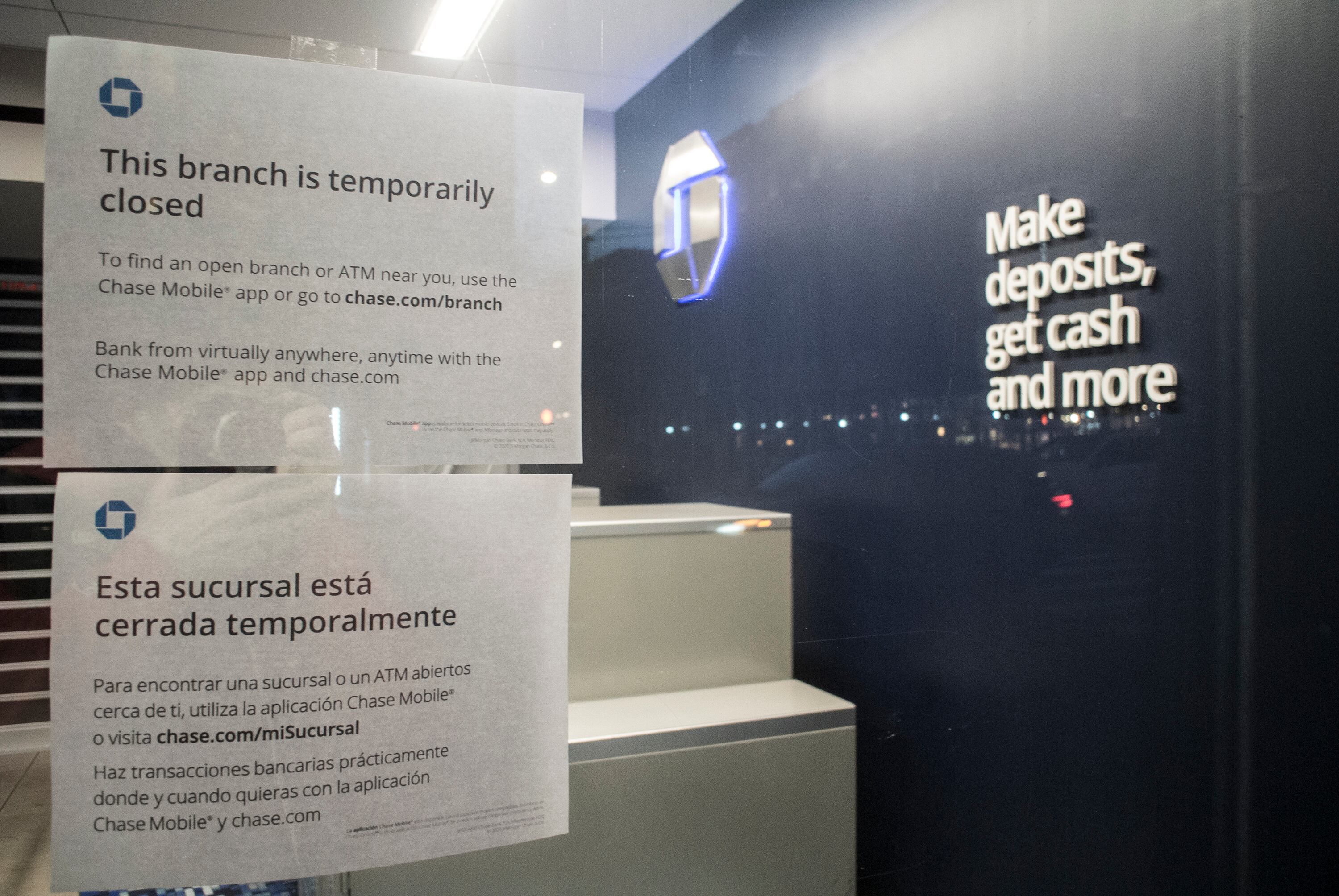
On Tuesday the chairman of the FDIC put out a public service announcement urging people to keep their cash in the bank, as customers of U.S. banks and credit unions have been making big withdrawals in the midst of the coronavirus pandemic and recession.
After a day of uncertainty, the Senate unanimously passed a $2.2 trillion coronavirus relief bill late Wednesday. 4
The Senate passed an unparalleled $2.2 trillion economic rescue package steering aid to businesses, workers and health care systems engulfed by the coronavirus pandemic.