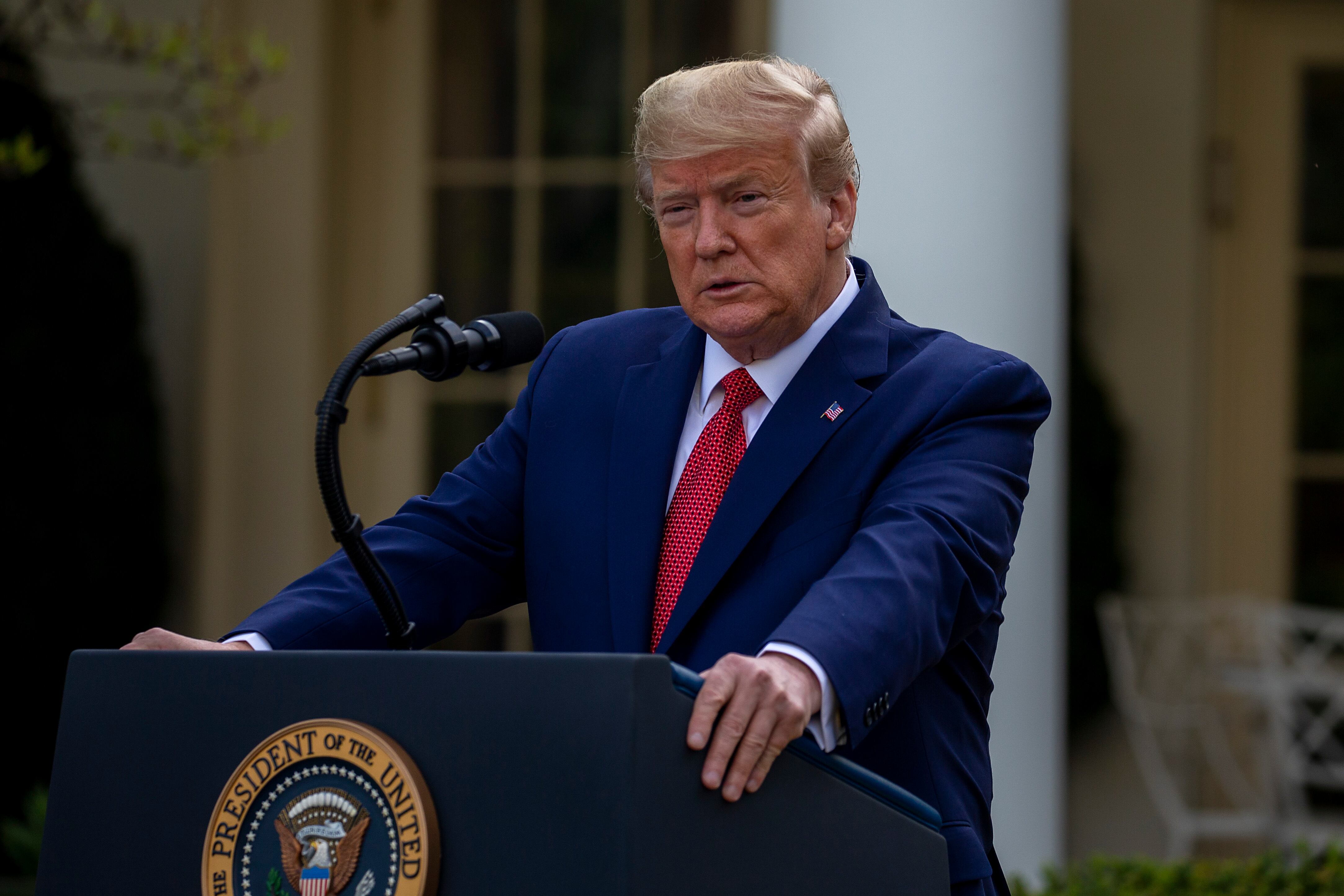
President Donald Trump’s attempt to create U.S. jobs by taxing solar panel imports could backfire.
That’s according to the CEO of the Solar Energy Industries Association trade group, who says it’s domestic workers that will feel the pain.
“We have been the fastest growing form of new energy...and this is putting the brakes on that crazy growth,” Abigail Ross Hopper told Cheddar in an interview. “These are not people who are looking for what nationality the company they work for is. They just want to feed their families and pay their mortgages. And those are the people whose jobs are at risk.”
Earlier this week President Trump signed a law that would impose a 30 percent tariff on imported solar panel and sells, a move the administration says will encourage domestic manufacturing.
But the SEIA says the vast majority of the 260,000 Americans employed in the industry work in peripheral industries like installation. Ross Hopper says the bill will result in 23,000 layoffs this year and delay or cancel billions of dollars of investment in the sector.
She also says it might dissuade U.S. consumers from going green.
“Most [businesses and consumers] want to choose solar because it saves them money,” she said. “This decision changes that calculus.”
For full interview [click here](https://cheddar.com/videos/solar-power-in-america).
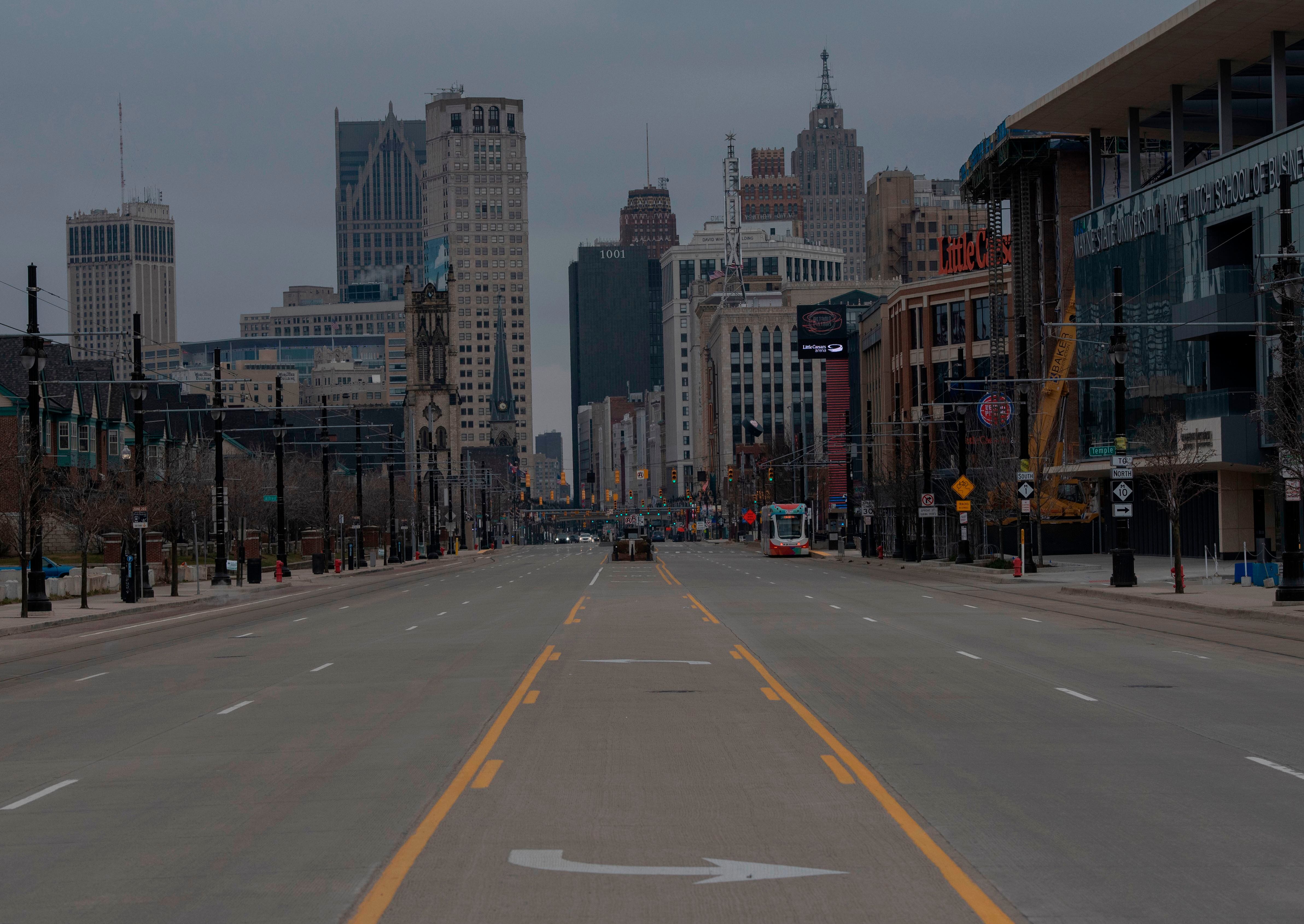
Rep. Debbie Dingell of Michigan sounded alarm as her state recorded the fourth highest number of coronavirus cases in the country.
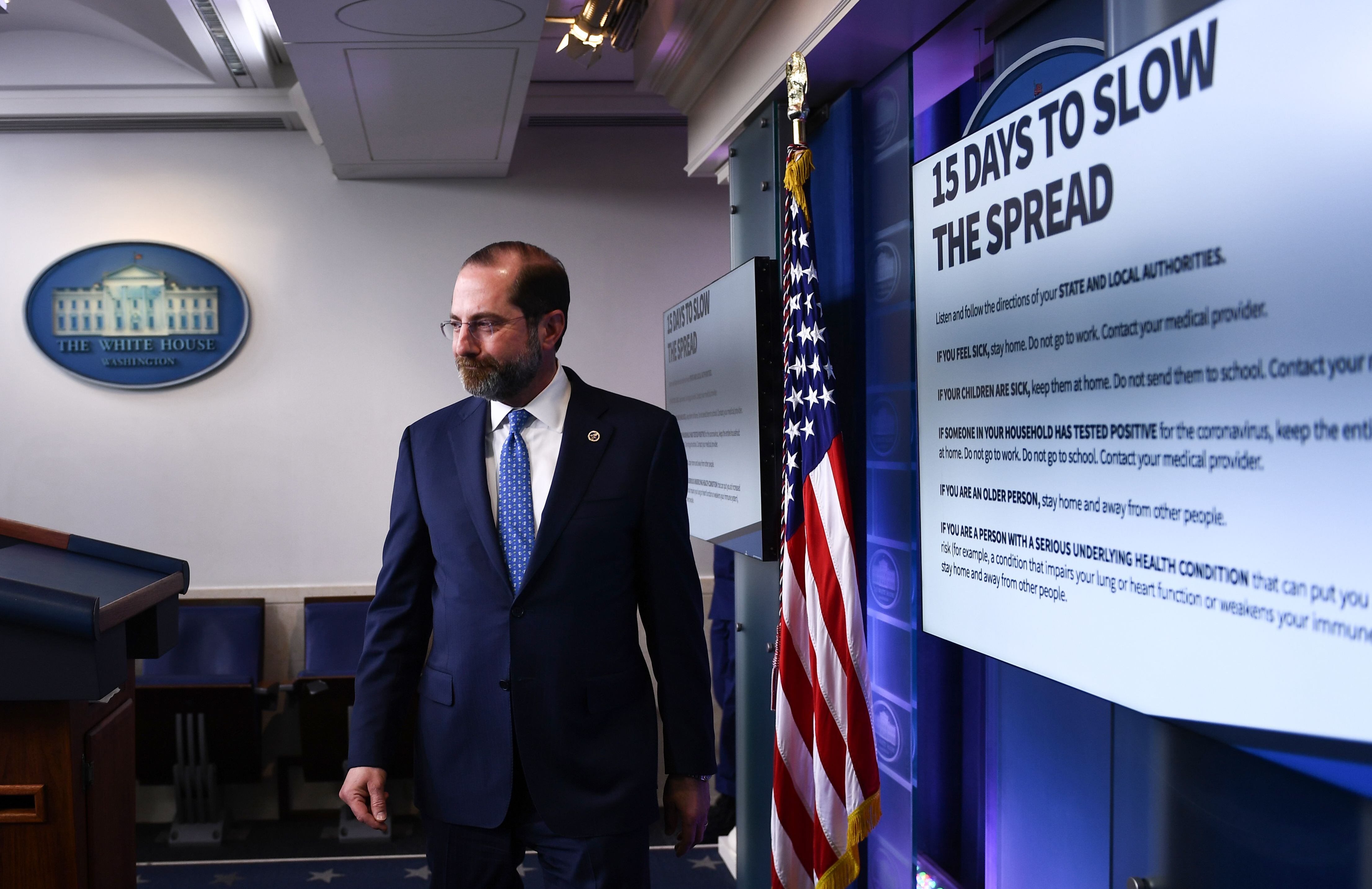
Mike Leavitt, the former HHS Secretary under President George W. Bush, gave a word of support to the current health secretary regarding his response to the coronavirus pandemic.
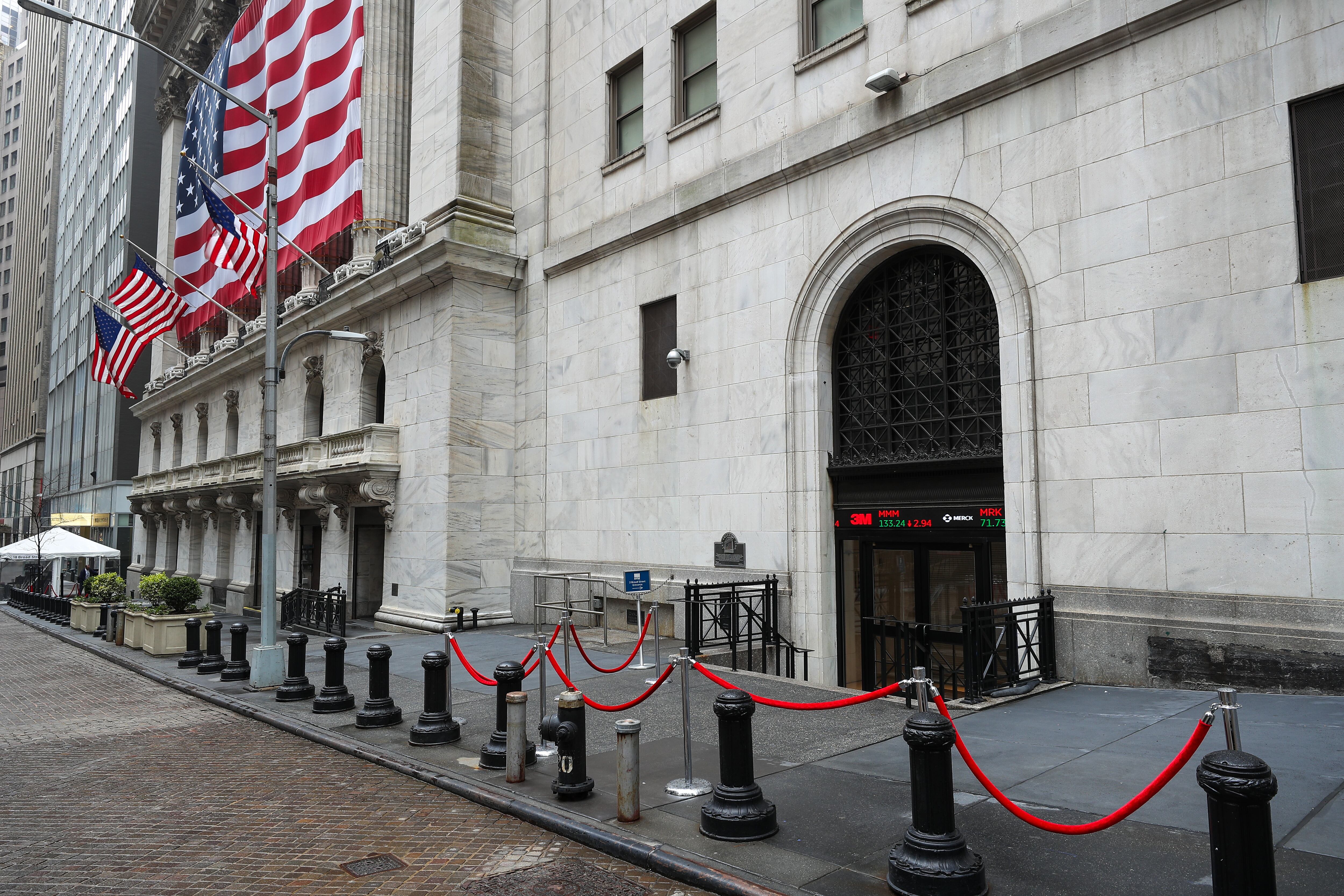
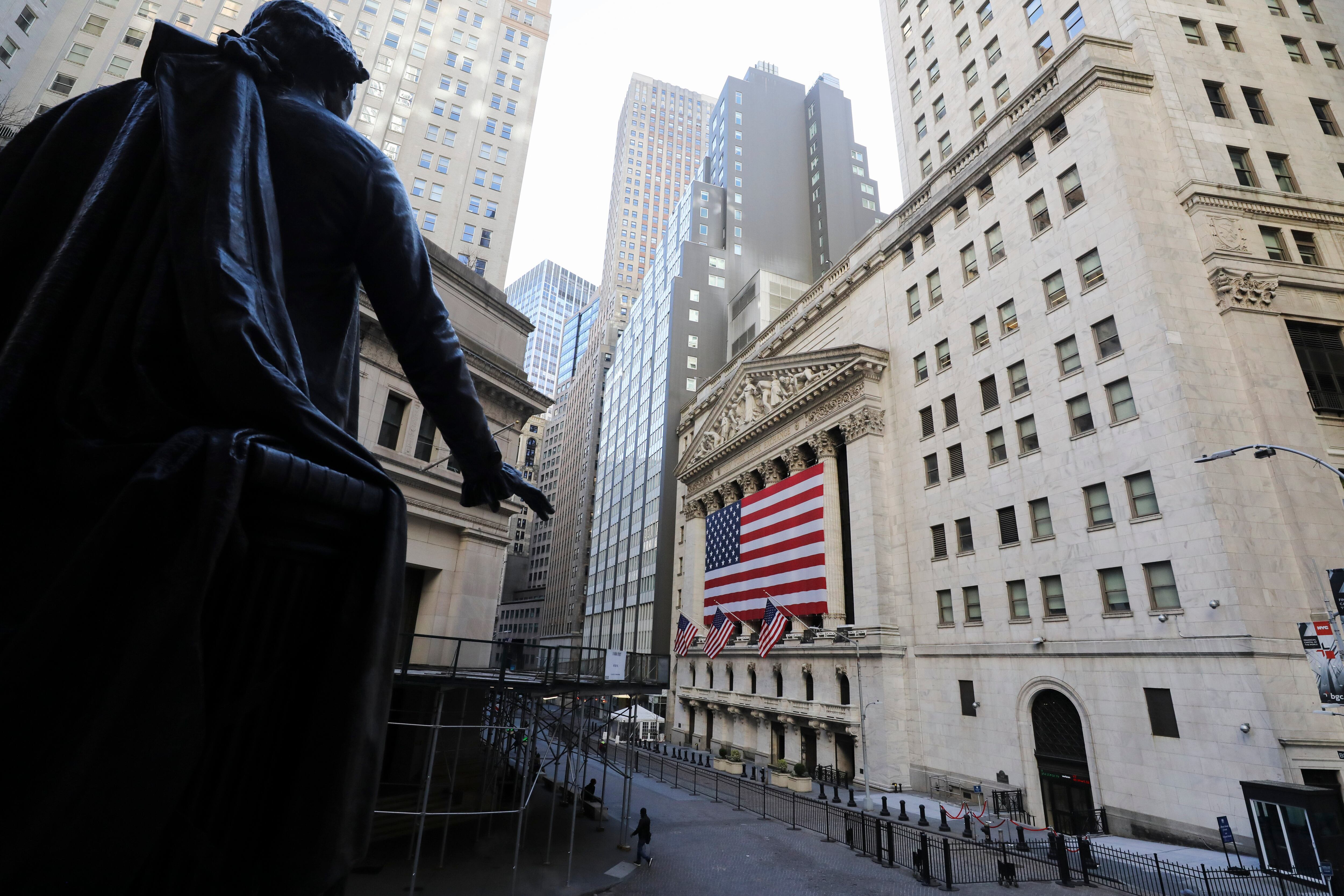
Stocks are inching higher on Wall Street Monday in more volatile trading as investors try to assess whether global authorities can do enough to nurse the economy through the damage caused by the coronavirus outbreak.
Bracing the nation for a coronavirus death toll that could exceed 100,000 people, President Donald Trump extended restrictive social distancing guidelines through April, bowing to public health experts who presented him with even more dire projections for the expanding coronavirus pandemic.
Trump said that the order will “require General Motors to accept, perform, and prioritize Federal contracts for ventilators." In a statement, he said the contracting process with the automaker was not moving quickly enough.
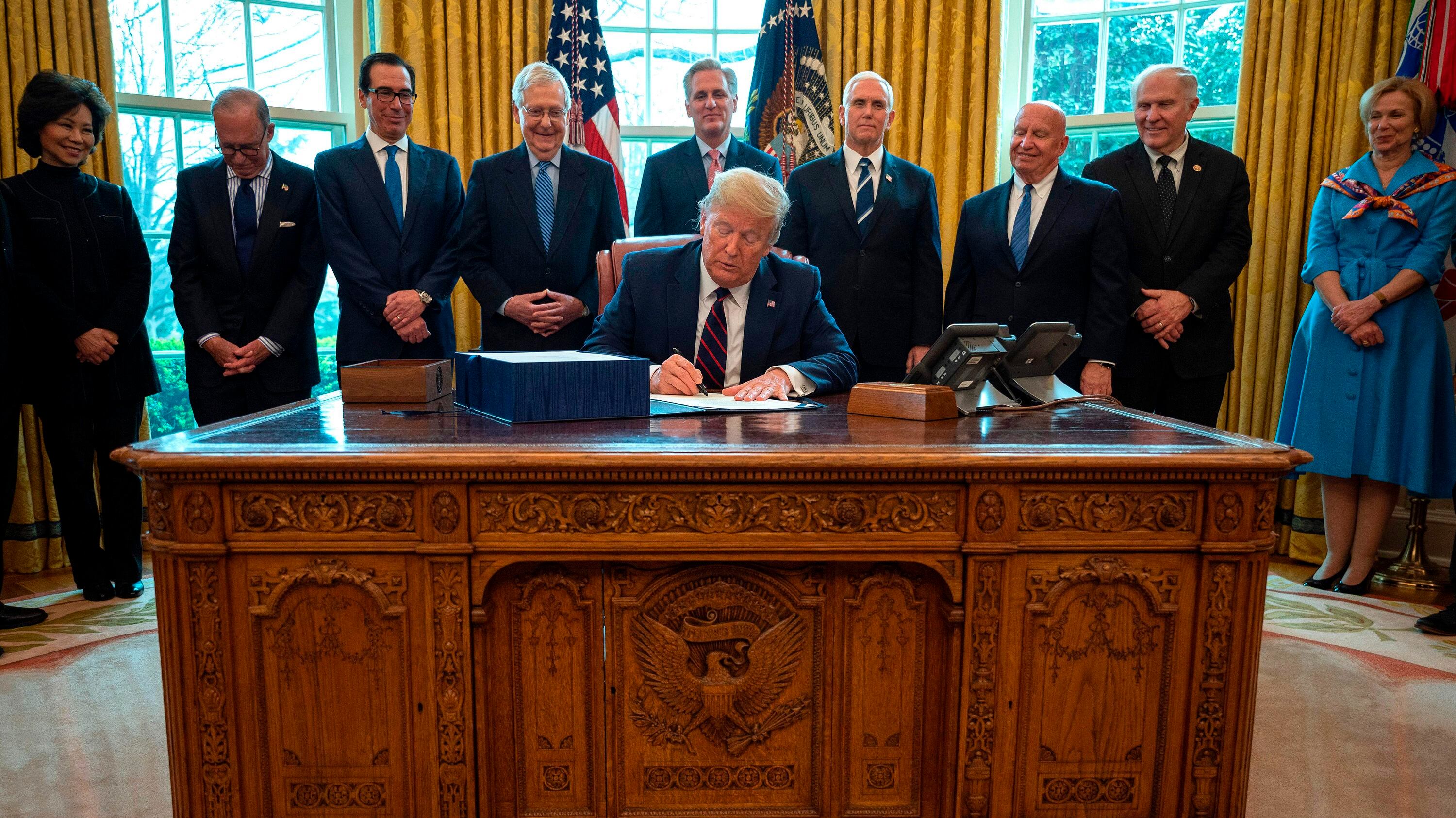
President Donald Trump has signed an unprecedented $2.2 trillion economic rescue package into law, after swift and near-unanimous action by Congress this week.
From Wall Street to Silicon Valley, these are the top stories that moved markets and had investors, business leaders, and entrepreneurs talking this week on Cheddar.
Stocks are moving lower on Wall Street as the market gives back some of the gains it piled up over the past three days. Major indexes are down more than 2% in afternoon trading Friday.
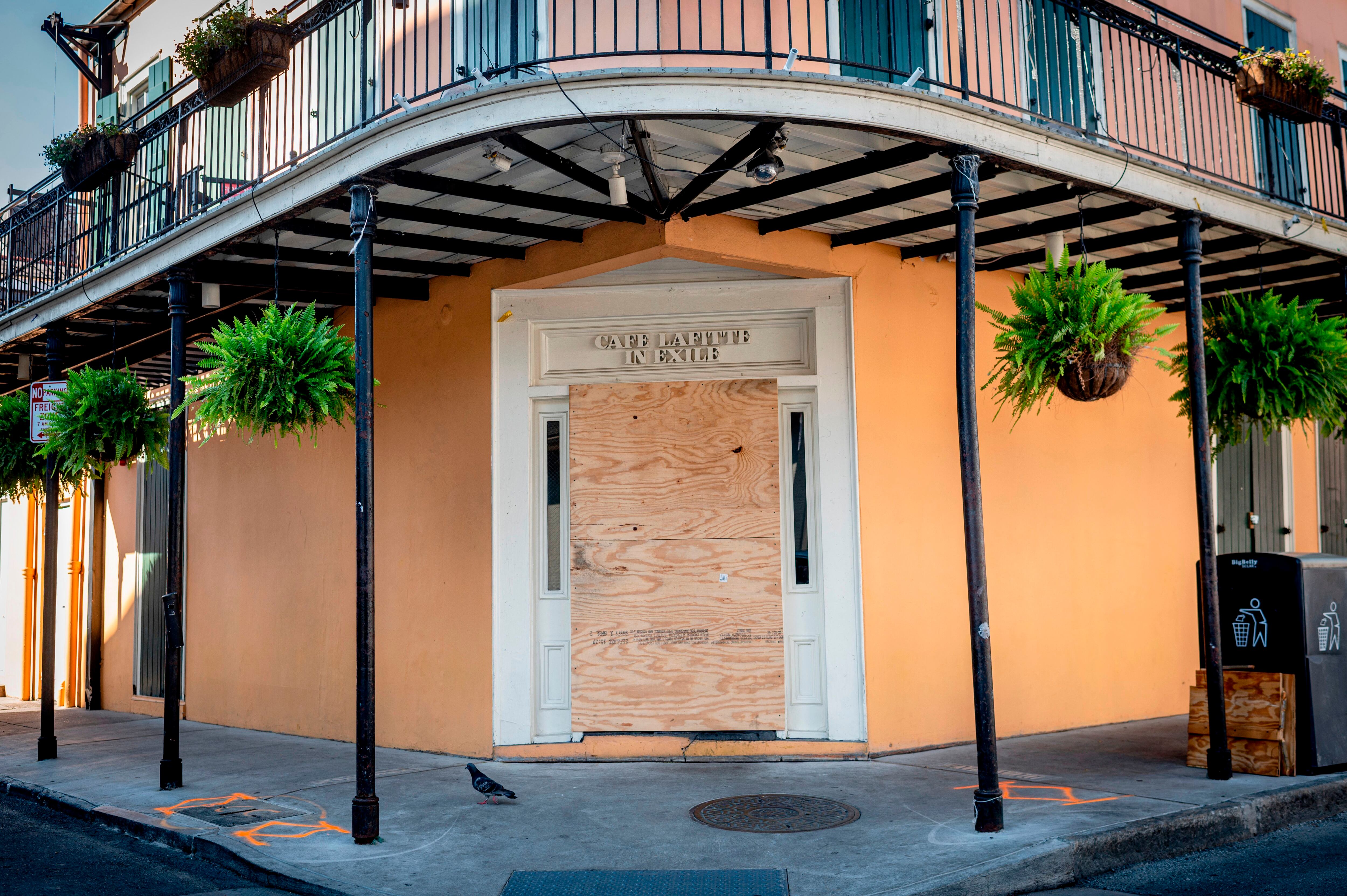
Restaurants are getting creative with private solutions as they hope to continue doing business, even while most of them are physically closed to the public, but the potential for saving most of these businesses may be a long shot.
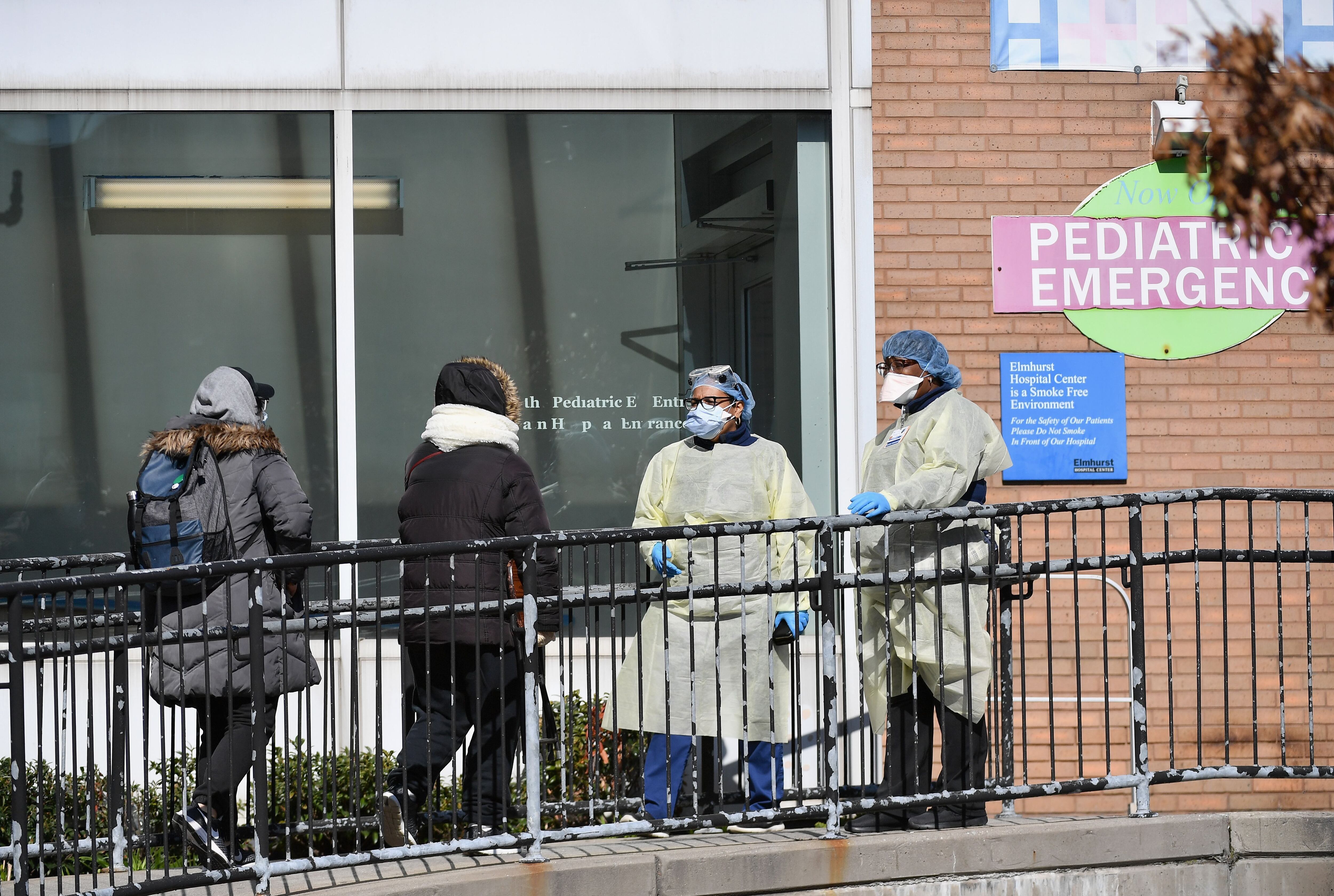
Healthcare workers have launched their own campaigns for gathering personal protective equipment as they fight the coronavirus on the frontlines, with #GetUsPPE trending across social media.