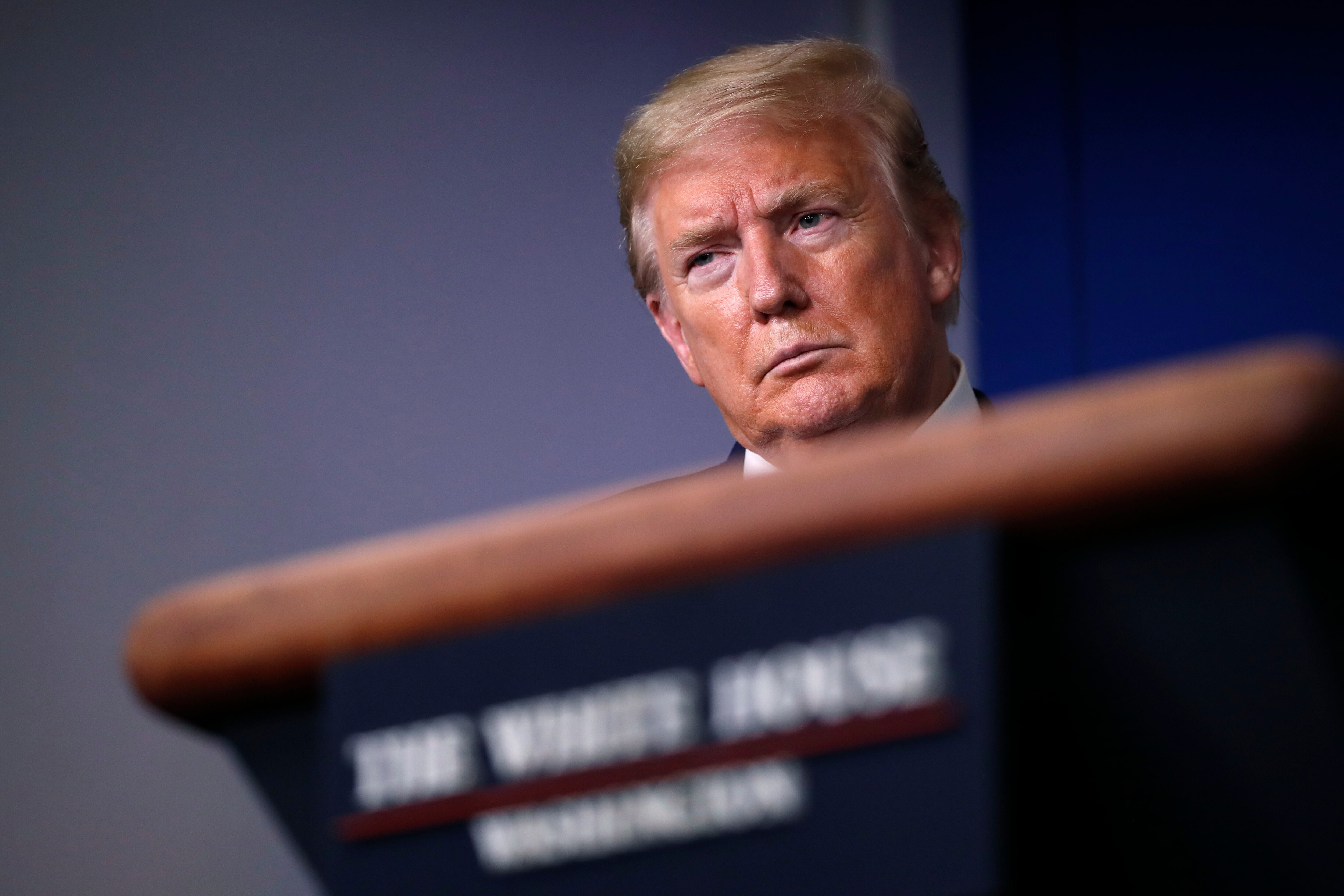
President Donald Trump’s attempt to create U.S. jobs by taxing solar panel imports could backfire.
That’s according to the CEO of the Solar Energy Industries Association trade group, who says it’s domestic workers that will feel the pain.
“We have been the fastest growing form of new energy...and this is putting the brakes on that crazy growth,” Abigail Ross Hopper told Cheddar in an interview. “These are not people who are looking for what nationality the company they work for is. They just want to feed their families and pay their mortgages. And those are the people whose jobs are at risk.”
Earlier this week President Trump signed a law that would impose a 30 percent tariff on imported solar panel and sells, a move the administration says will encourage domestic manufacturing.
But the SEIA says the vast majority of the 260,000 Americans employed in the industry work in peripheral industries like installation. Ross Hopper says the bill will result in 23,000 layoffs this year and delay or cancel billions of dollars of investment in the sector.
She also says it might dissuade U.S. consumers from going green.
“Most [businesses and consumers] want to choose solar because it saves them money,” she said. “This decision changes that calculus.”
For full interview [click here](https://cheddar.com/videos/solar-power-in-america).
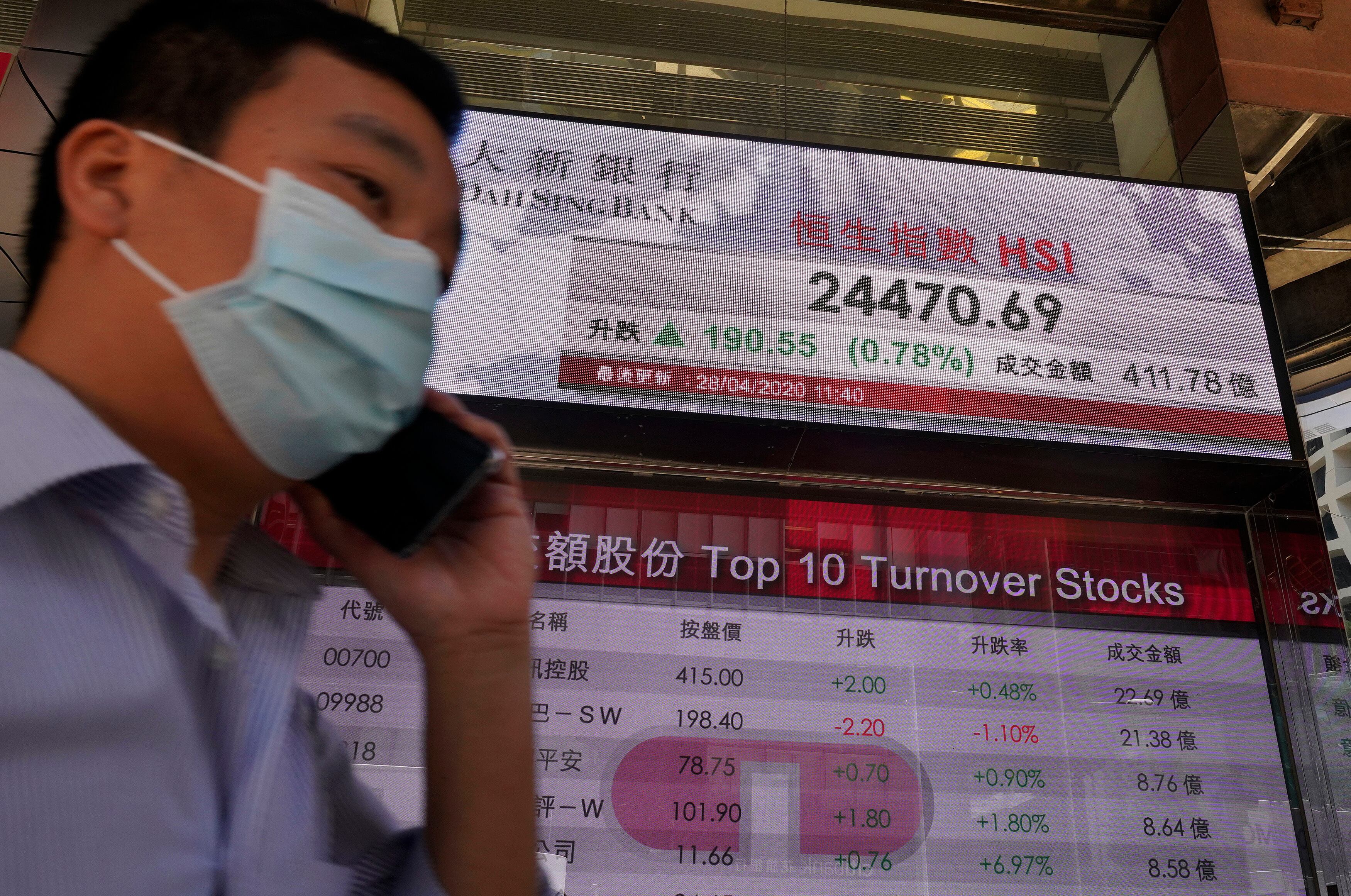
Stocks are rising in early trading on Wall Street as nations and some U.S. states move toward reopening their economies from lockdowns made to restrict the spread of the coronavirus.
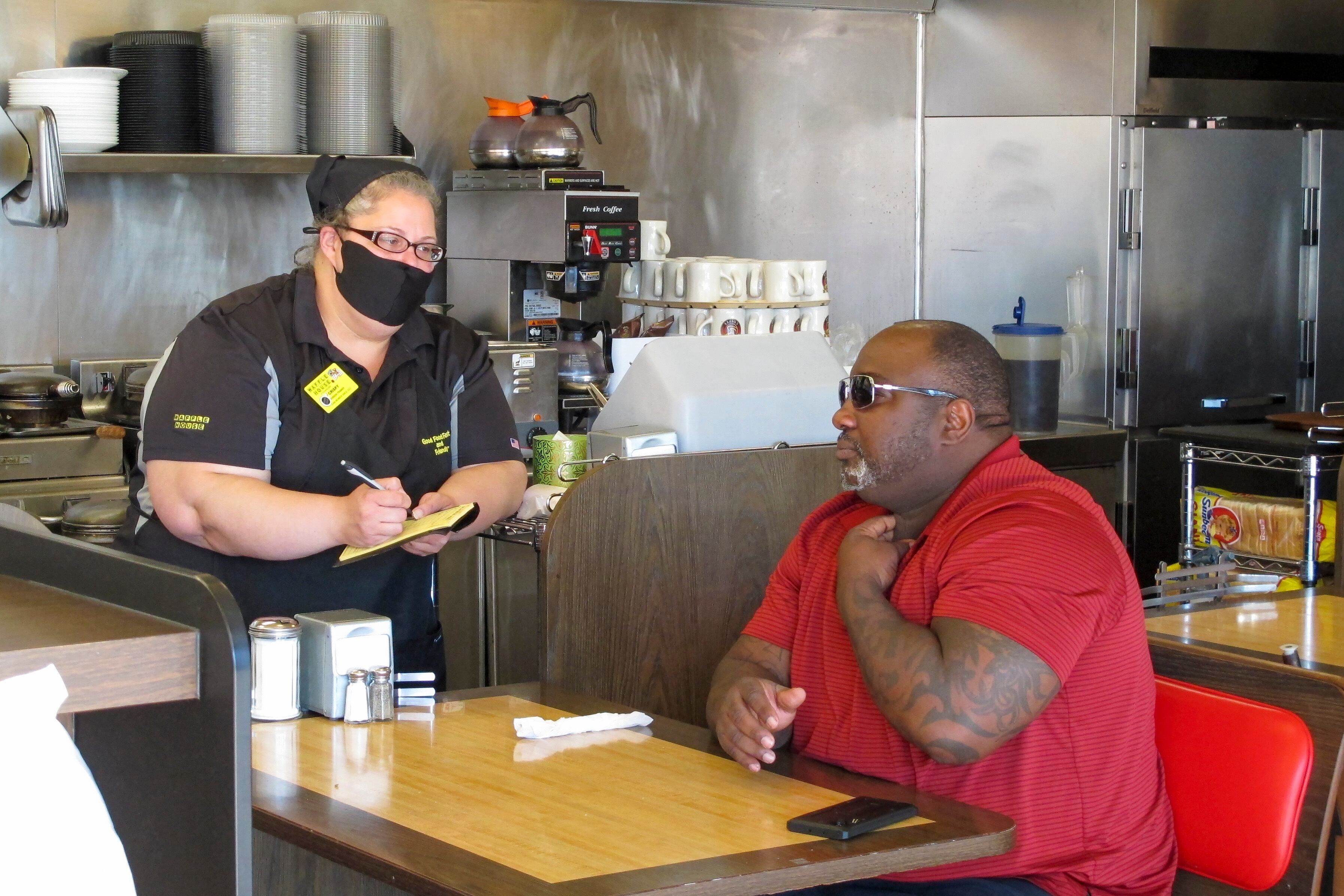
Secretary of Housing and Urban Development, Dr. Ben Carson said that the rest of the country will learn a lot from Georgia's experiment.
Some Georgia restaurants began reopening dine-in areas in line with an executive order from Gov. Brian Kemp that went into effect Monday.
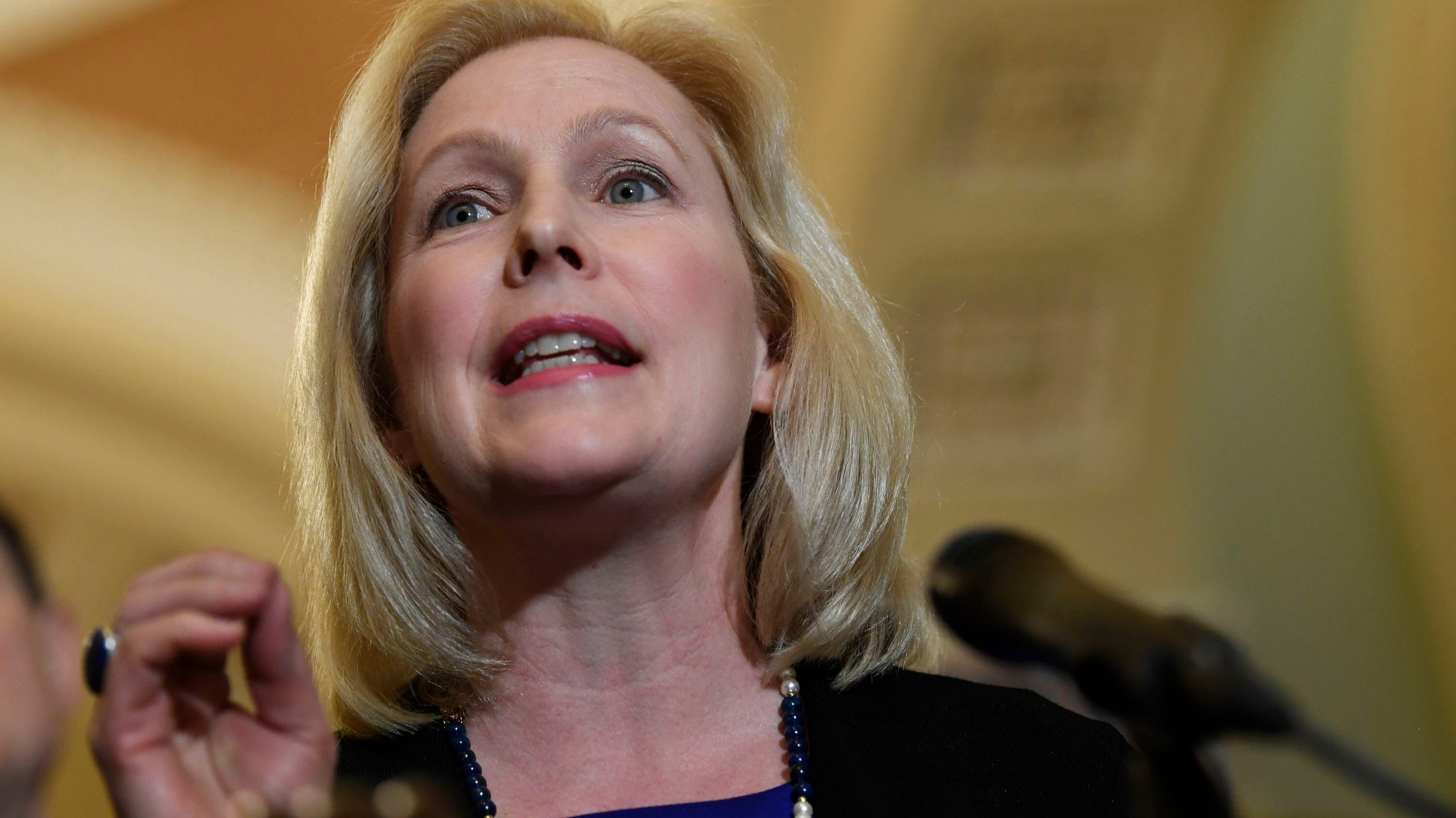
The senator told Cheddar Monday that banking through the U.S. Postal Service will be able to serve more people during the pandemic, specifically low-income families, who are more likely to be unbanked.
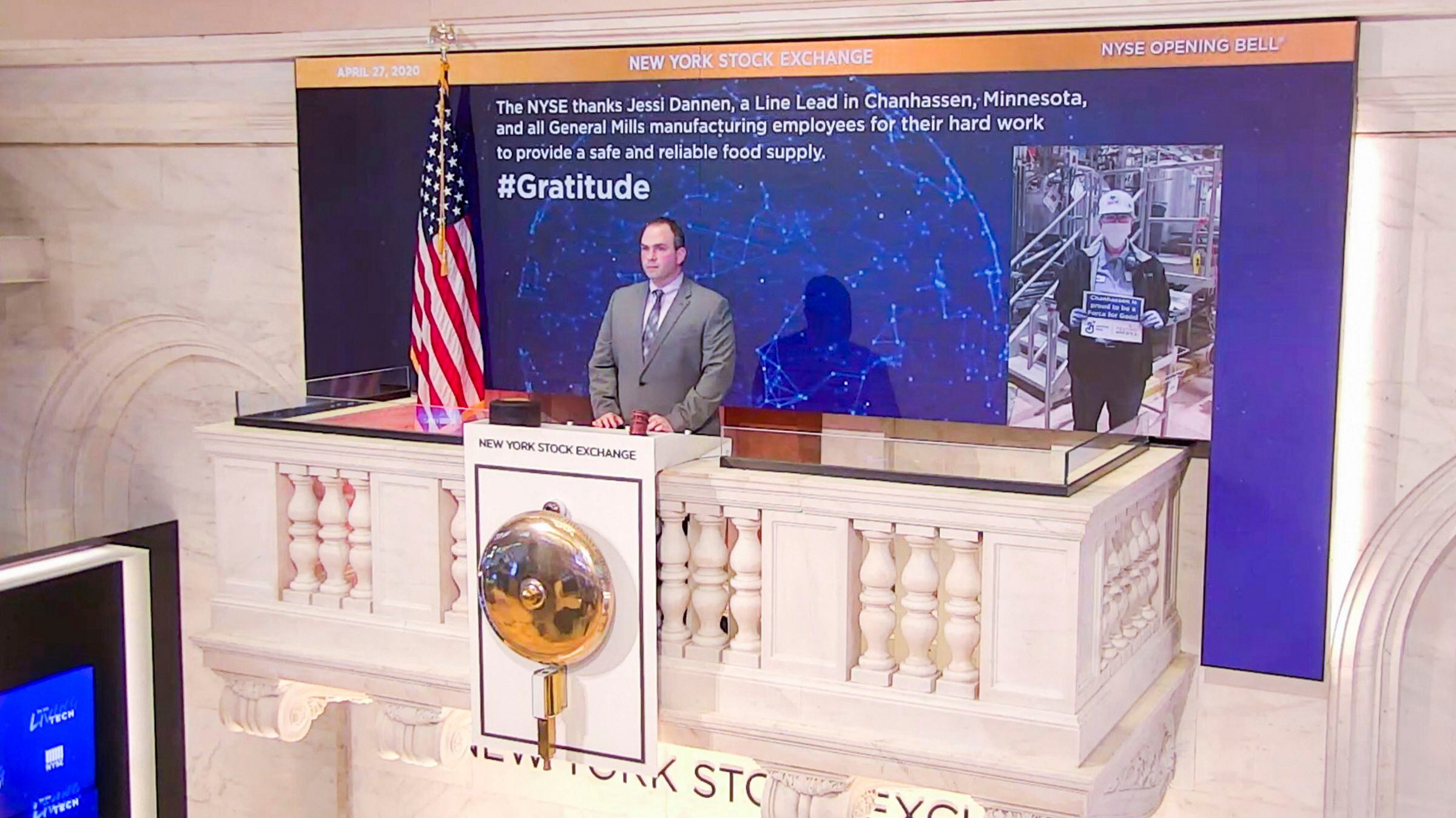
Stocks are closing higher on Wall Street and around the world as governments prepare to gradually lift restrictions they imposed on businesses to slow the sweep of the coronavirus pandemic.
The Trump administration is reviewing new federal plans designed to guide restaurants, schools and others as states look to gradually lift their coronavirus restrictions. The draft guidance from the Centers for Disease Control and Prevention has been sent to Washington and still could change.
New York has canceled its Democratic presidential primary originally scheduled for June 23 amid the coronavirus epidemic in an unprecedented move. The Democratic members of the State’s Board of Elections voted Monday to nix the primary.
Stocks are rising around the world as governments prepare to gradually lift restrictions they imposed on businesses to slow the sweep of the coronavirus pandemic.
From Wall Street to Silicon Valley, these are the top stories that moved markets and had investors, business leaders, and entrepreneurs talking this week on Cheddar.
Stocks are closing out a tumultuous week with broad gains, led by familiar names in technology including Apple. The S&P 500 rose 1.4% Friday but still ended the week lower, breaking a two-week winning streak.