President Donald Trump’s attempt to create U.S. jobs by taxing solar panel imports could backfire.
That’s according to the CEO of the Solar Energy Industries Association trade group, who says it’s domestic workers that will feel the pain.
“We have been the fastest growing form of new energy...and this is putting the brakes on that crazy growth,” Abigail Ross Hopper told Cheddar in an interview. “These are not people who are looking for what nationality the company they work for is. They just want to feed their families and pay their mortgages. And those are the people whose jobs are at risk.”
Earlier this week President Trump signed a law that would impose a 30 percent tariff on imported solar panel and sells, a move the administration says will encourage domestic manufacturing.
But the SEIA says the vast majority of the 260,000 Americans employed in the industry work in peripheral industries like installation. Ross Hopper says the bill will result in 23,000 layoffs this year and delay or cancel billions of dollars of investment in the sector.
She also says it might dissuade U.S. consumers from going green.
“Most [businesses and consumers] want to choose solar because it saves them money,” she said. “This decision changes that calculus.”
For full interview [click here](https://cheddar.com/videos/solar-power-in-america).
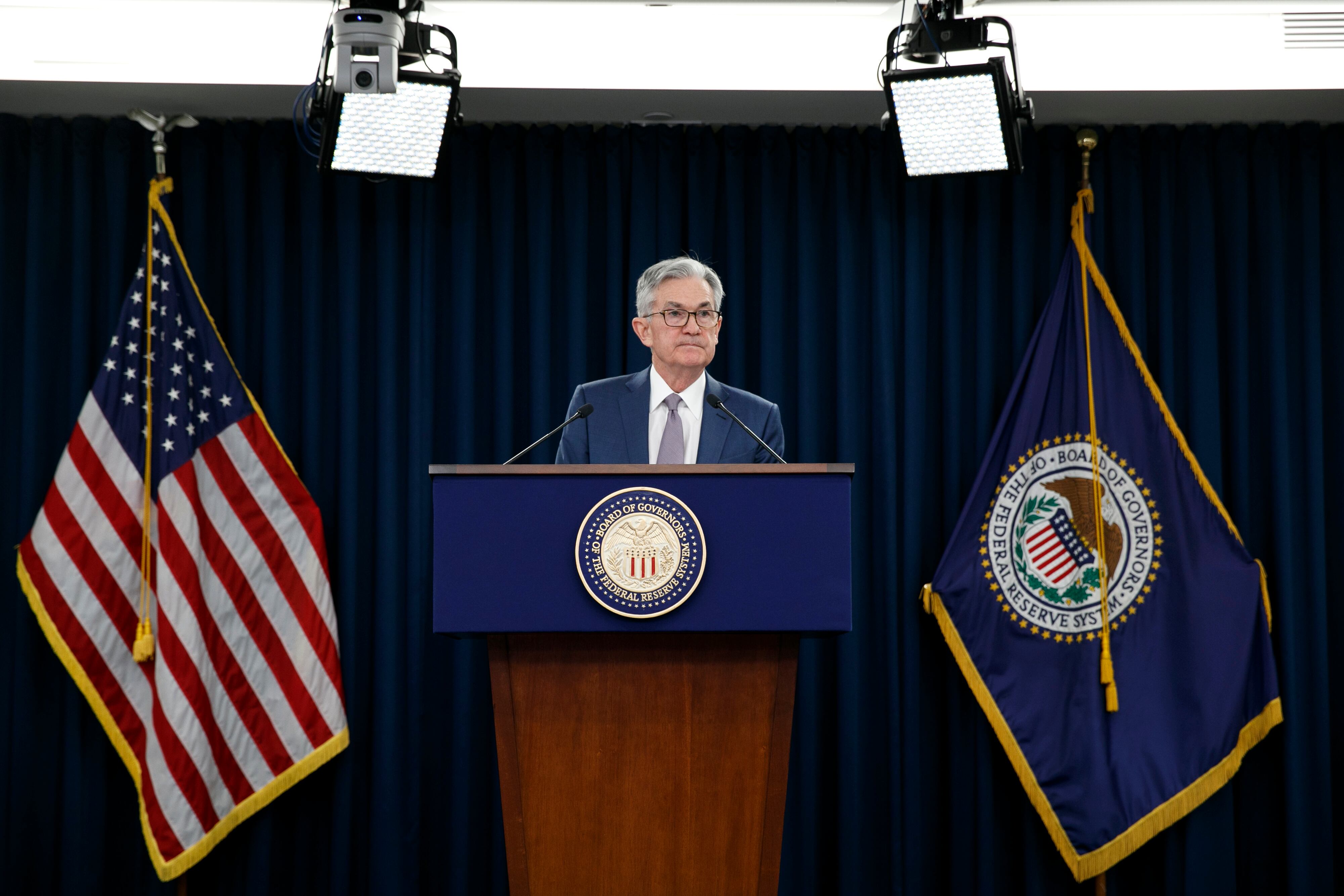
The Federal Reserve says it will keep its key short-term interest rate near zero for the foreseeable future as part of its extraordinary efforts to bolster an economy that is sinking into its worst crisis since the 1930s.
The National Institute of Allergy and Infectious Diseases (NIAID) on Wednesday announced the results of a study looking into a potential COVID-19 treatment that it says shows promise.
Julie Menin, director of New York City Census 2020, told Cheddar Wednesday that the pandemic is a stark reminder that the census is important.
Stocks charged higher around the world Wednesday following an encouraging report on a possible treatment for COVID-19.
President Donald Trump will take executive action Tuesday to order meat processing plants to stay open amid concerns over growing coronavirus cases and the impact on the nation’s food supply.
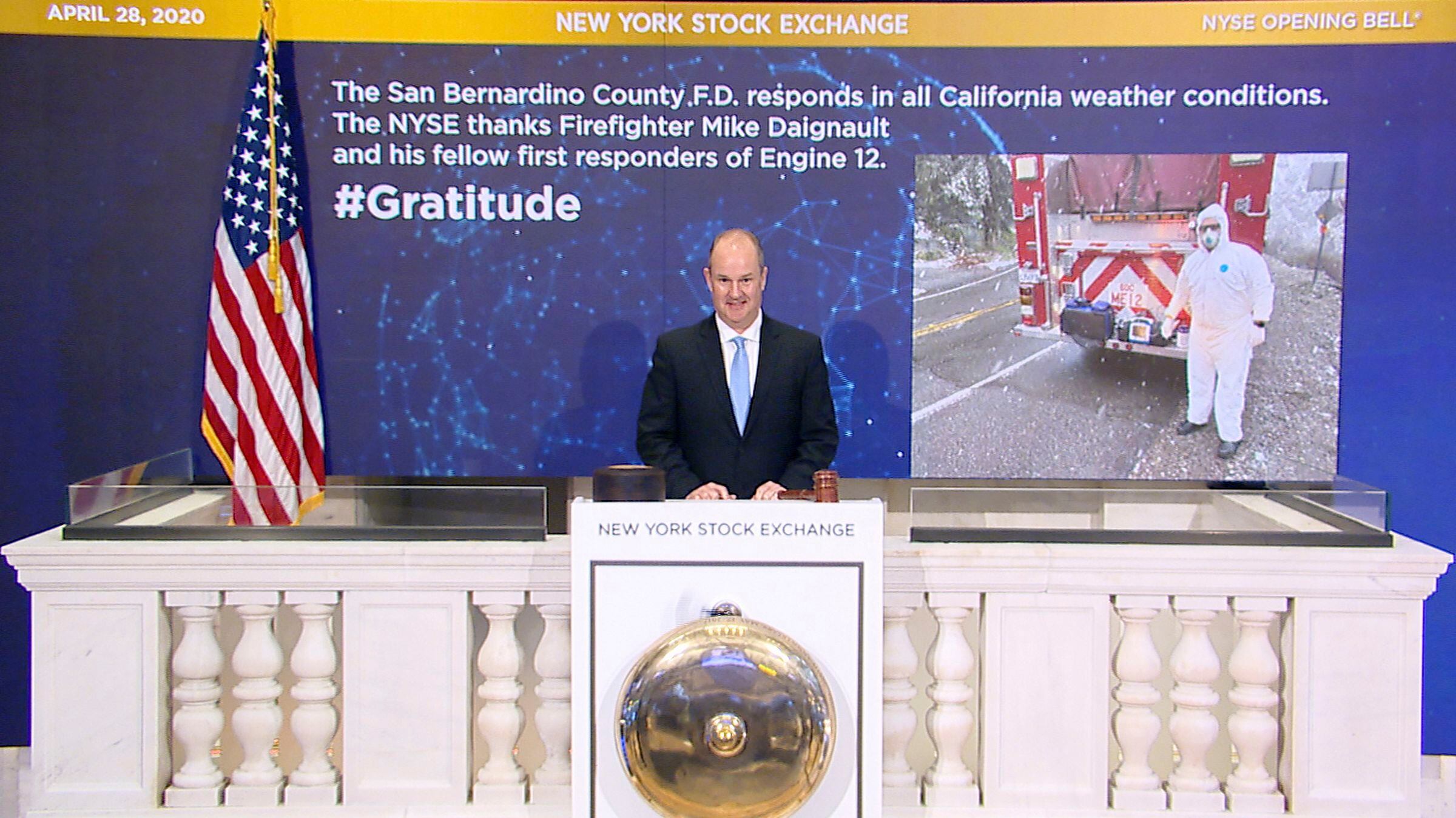
Stocks gave up an early gain on Wall Street and are mixed in afternoon trading Tuesday. The day’s leaderboard looks like nearly the mirror opposite of stocks’ performance through the market’s sell-off this year.
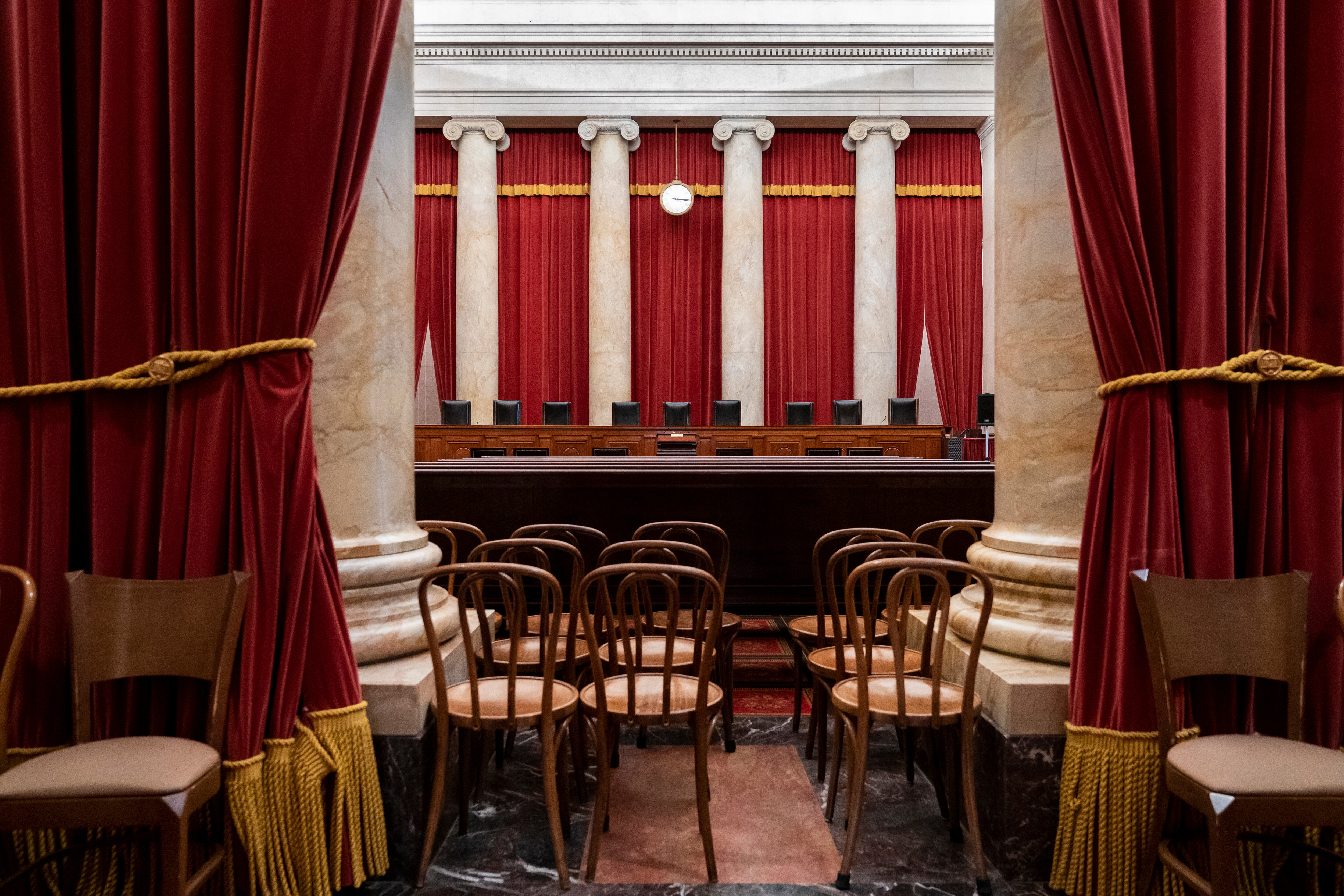
Because of the coronavirus pandemic the high court is, for the first time in its 230-year history, holding arguments by telephone.
Dr. Richard Besser, president and CEO of the non-profit healthcare organization, the Robert Wood Johnson Foundation, talks about how the pandemic has exposed the harsh inequalities driving poorer health outcomes in the U.S.
Banks trying to submit applications for thousands of small businesses seeking coronavirus relief loans have hit a bottleneck for a second day at the Small Business Administration.
Stocks gave up an early gain on Wall Street and were mixed in late morning trading Tuesday while the price of oil continued its wild ride.