President Donald Trump’s attempt to create U.S. jobs by taxing solar panel imports could backfire.
That’s according to the CEO of the Solar Energy Industries Association trade group, who says it’s domestic workers that will feel the pain.
“We have been the fastest growing form of new energy...and this is putting the brakes on that crazy growth,” Abigail Ross Hopper told Cheddar in an interview. “These are not people who are looking for what nationality the company they work for is. They just want to feed their families and pay their mortgages. And those are the people whose jobs are at risk.”
Earlier this week President Trump signed a law that would impose a 30 percent tariff on imported solar panel and sells, a move the administration says will encourage domestic manufacturing.
But the SEIA says the vast majority of the 260,000 Americans employed in the industry work in peripheral industries like installation. Ross Hopper says the bill will result in 23,000 layoffs this year and delay or cancel billions of dollars of investment in the sector.
She also says it might dissuade U.S. consumers from going green.
“Most [businesses and consumers] want to choose solar because it saves them money,” she said. “This decision changes that calculus.”
For full interview [click here](https://cheddar.com/videos/solar-power-in-america).
Even as some states begin the process of reopening their economies, Native American tribes are dealing with disproportionate challenges during the pandemic. The Navajo Nation, in particular, has suffered greatly. "The native communities are the ones that are suffering the most from the virus," former New Mexico Governor Bill Richardson told Cheddar. "Close to 30 to 40 percent of those that are afflicted are tribal members, especially the Navajo Nation."
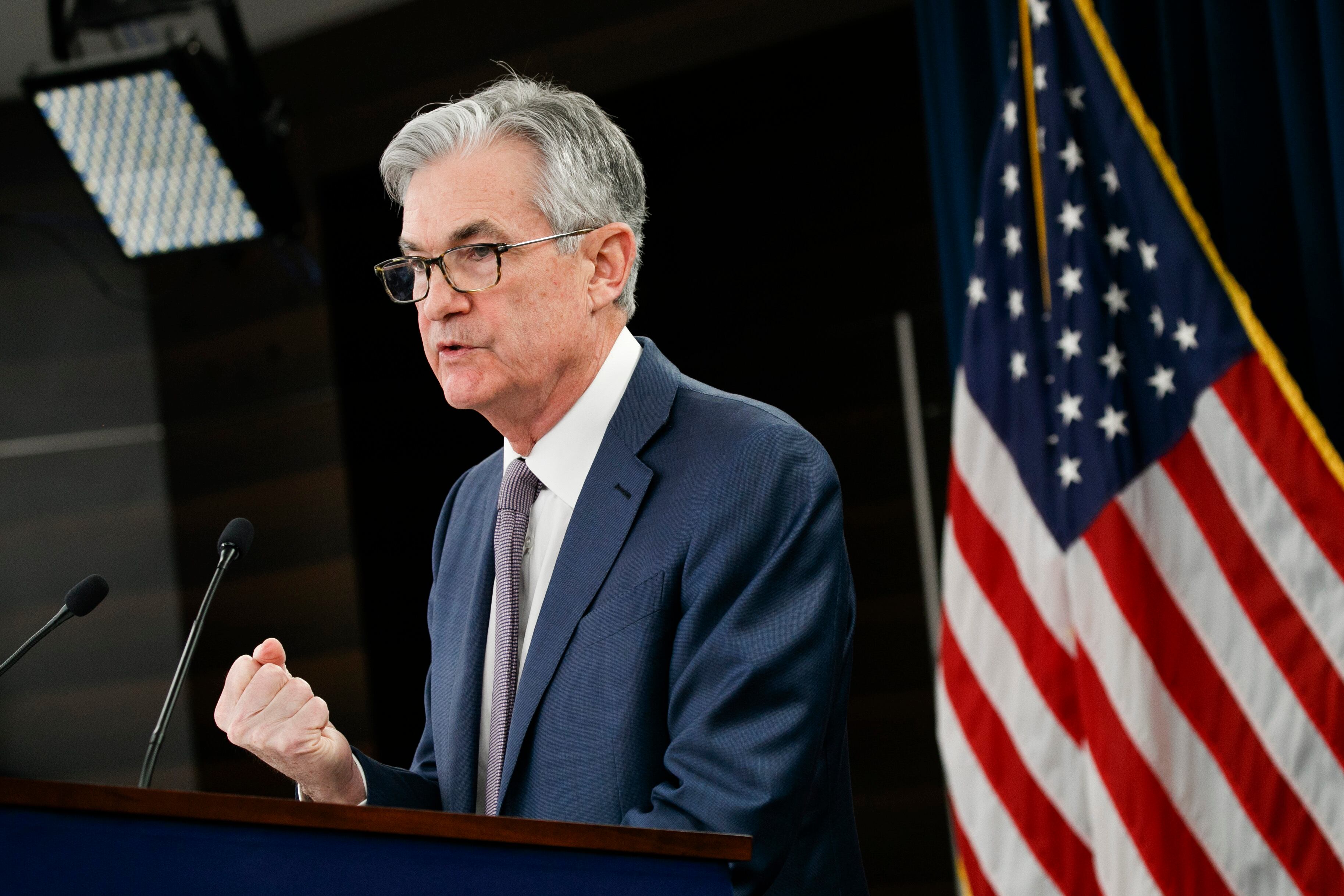
Federal Reserve Chair Jerome Powell said Tuesday that the central bank’s lending programs for medium-sized businesses and state and local governments will be operational by the end of this month.
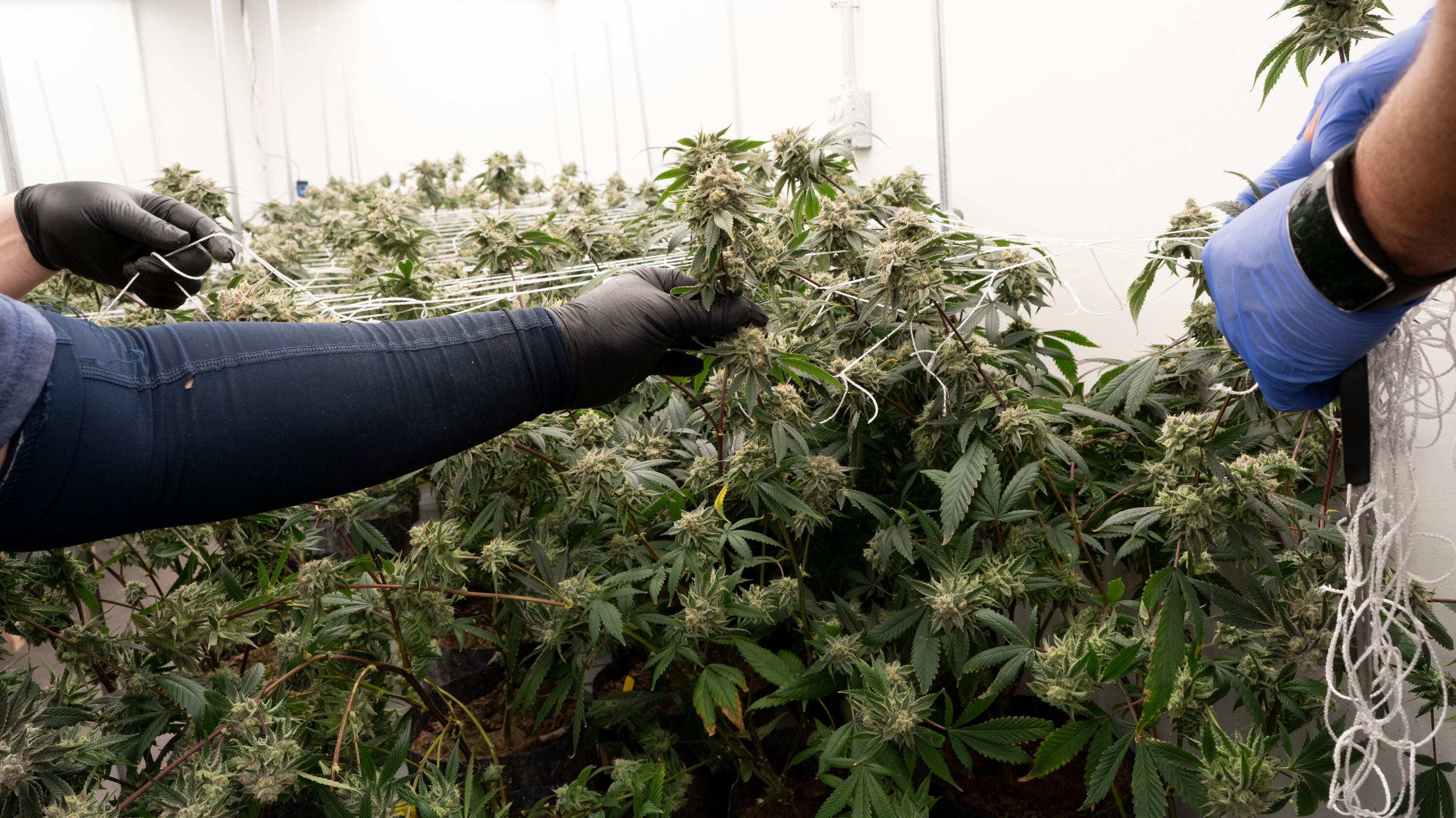
The U.S. House of Representatives narrowly approved a $3 trillion coronavirus stimulus bill on Friday that includes provisions for cannabis banking, even as opposition to the measure builds in the Republican-controlled Senate.
Stocks are mixed in early trading on Wall Street Tuesday, a day after the market had its biggest jump in more than five weeks.
Director of the Rhode Island Labor Department, Scott Jensen discussed how Amazon's tech aided the state amid the widespread unemployment during the pandemic.
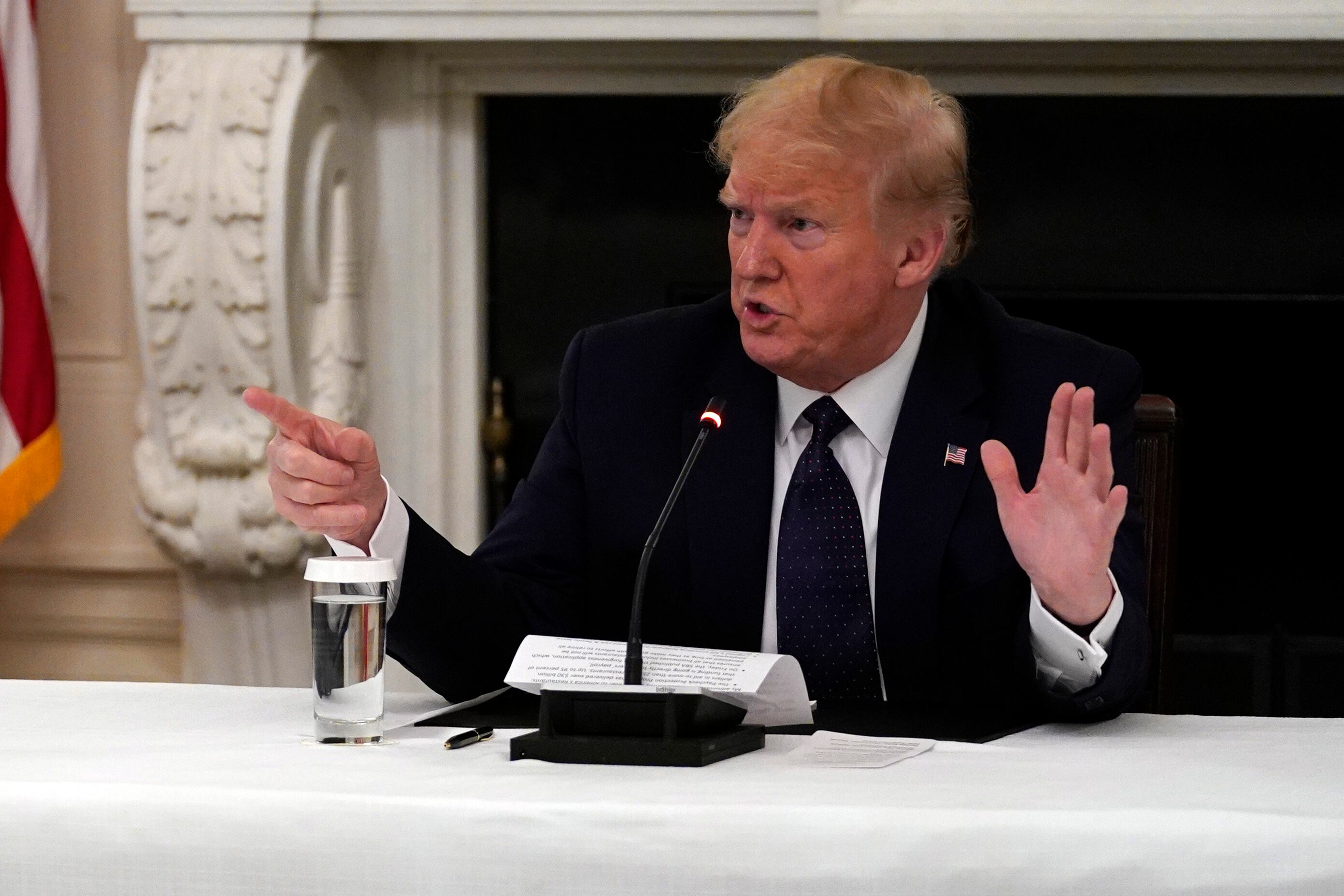
President Donald Trump said Monday that he is taking a malaria drug to lessen symptoms should he get the new coronavirus, even though the drug is unproven for fighting COVID-19.
As large swaths of New York begin to reopen this weekend, mayors and local officials across the state are feeling the squeeze from budget cuts, furloughs, and frustrated constituents.
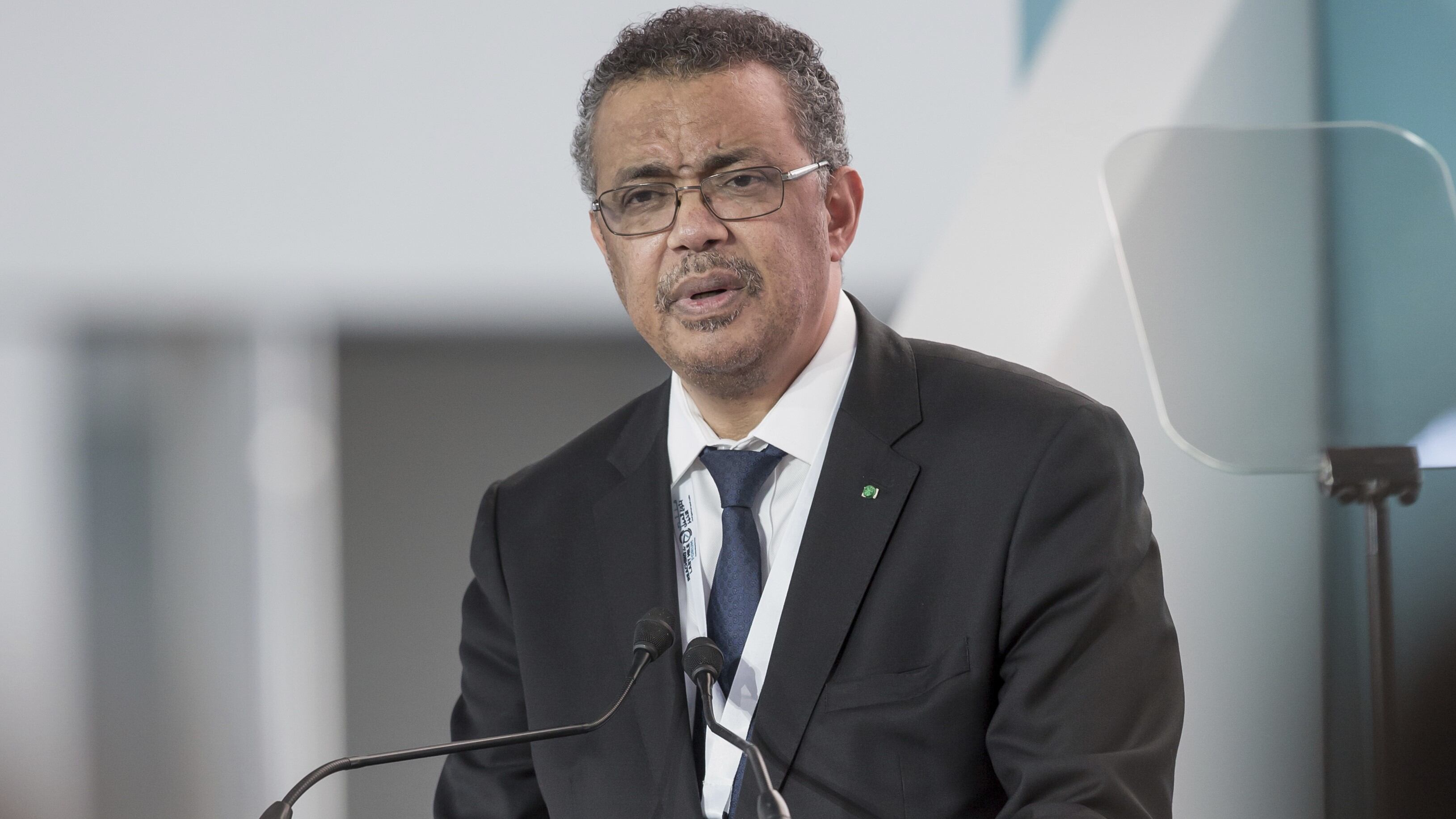
WHO Director-General Tedros Adhanom Ghebreyesus says he will begin an independent evaluation of the U.N. health agency’s response to the coronavirus pandemic “at the earliest appropriate moment.”
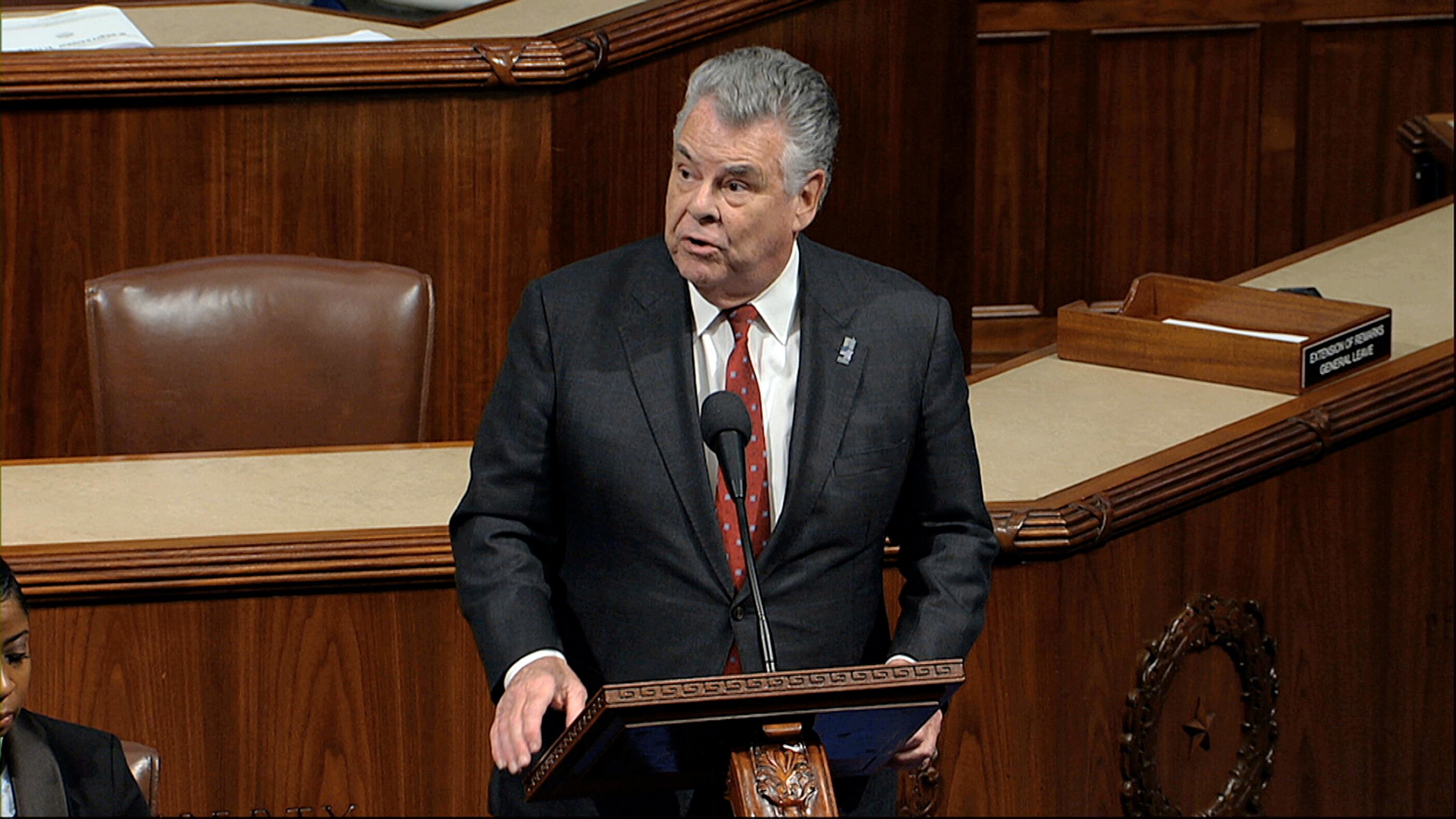
Congressman Peter King (R-N.Y. 2nd District) tells Cheddar exclusively that he plans to vote in favor of the $3 trillion coronavirus relief bill introduced by Democratic Speaker of the House Nancy Pelosi earlier this week.
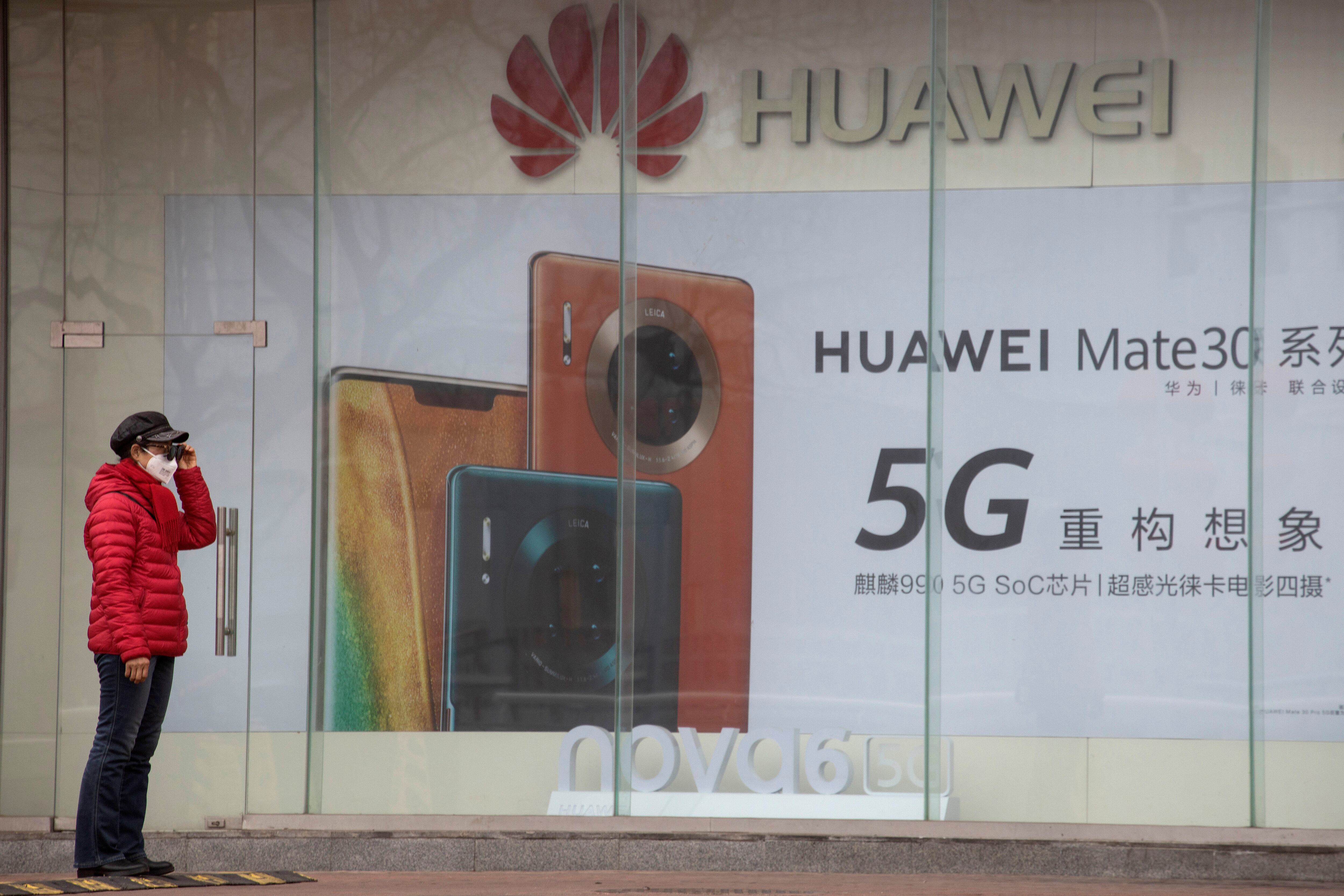
The U.S. government is imposing new restrictions on Chinese tech giant Huawei by limiting its ability to use American technology to build its semiconductors.