President Donald Trump’s attempt to create U.S. jobs by taxing solar panel imports could backfire.
That’s according to the CEO of the Solar Energy Industries Association trade group, who says it’s domestic workers that will feel the pain.
“We have been the fastest growing form of new energy...and this is putting the brakes on that crazy growth,” Abigail Ross Hopper told Cheddar in an interview. “These are not people who are looking for what nationality the company they work for is. They just want to feed their families and pay their mortgages. And those are the people whose jobs are at risk.”
Earlier this week President Trump signed a law that would impose a 30 percent tariff on imported solar panel and sells, a move the administration says will encourage domestic manufacturing.
But the SEIA says the vast majority of the 260,000 Americans employed in the industry work in peripheral industries like installation. Ross Hopper says the bill will result in 23,000 layoffs this year and delay or cancel billions of dollars of investment in the sector.
She also says it might dissuade U.S. consumers from going green.
“Most [businesses and consumers] want to choose solar because it saves them money,” she said. “This decision changes that calculus.”
For full interview [click here](https://cheddar.com/videos/solar-power-in-america).
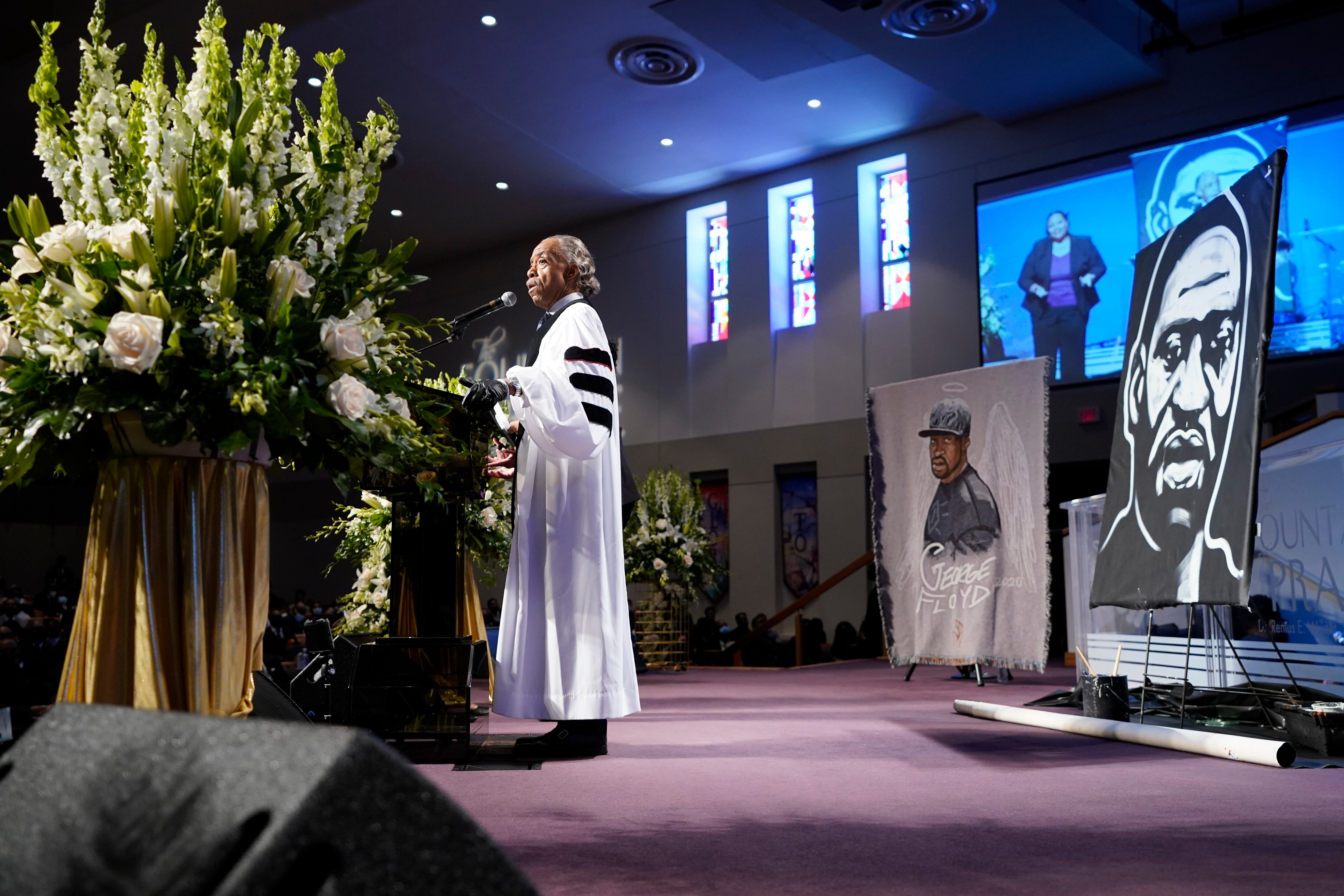
Hundreds of mourners packed a Houston church Tuesday for the funeral of George Floyd, the black man whose death has inspired a worldwide reckoning over racial injustice.
IBM says it is getting out of the facial recognition business over concern about how it can be used for mass surveillance and racial profiling.
Janee Harteau, former Minneapolis police chief, talks disbanding police dept in Minneapolis and how we can effectively reform policing in the U.S.
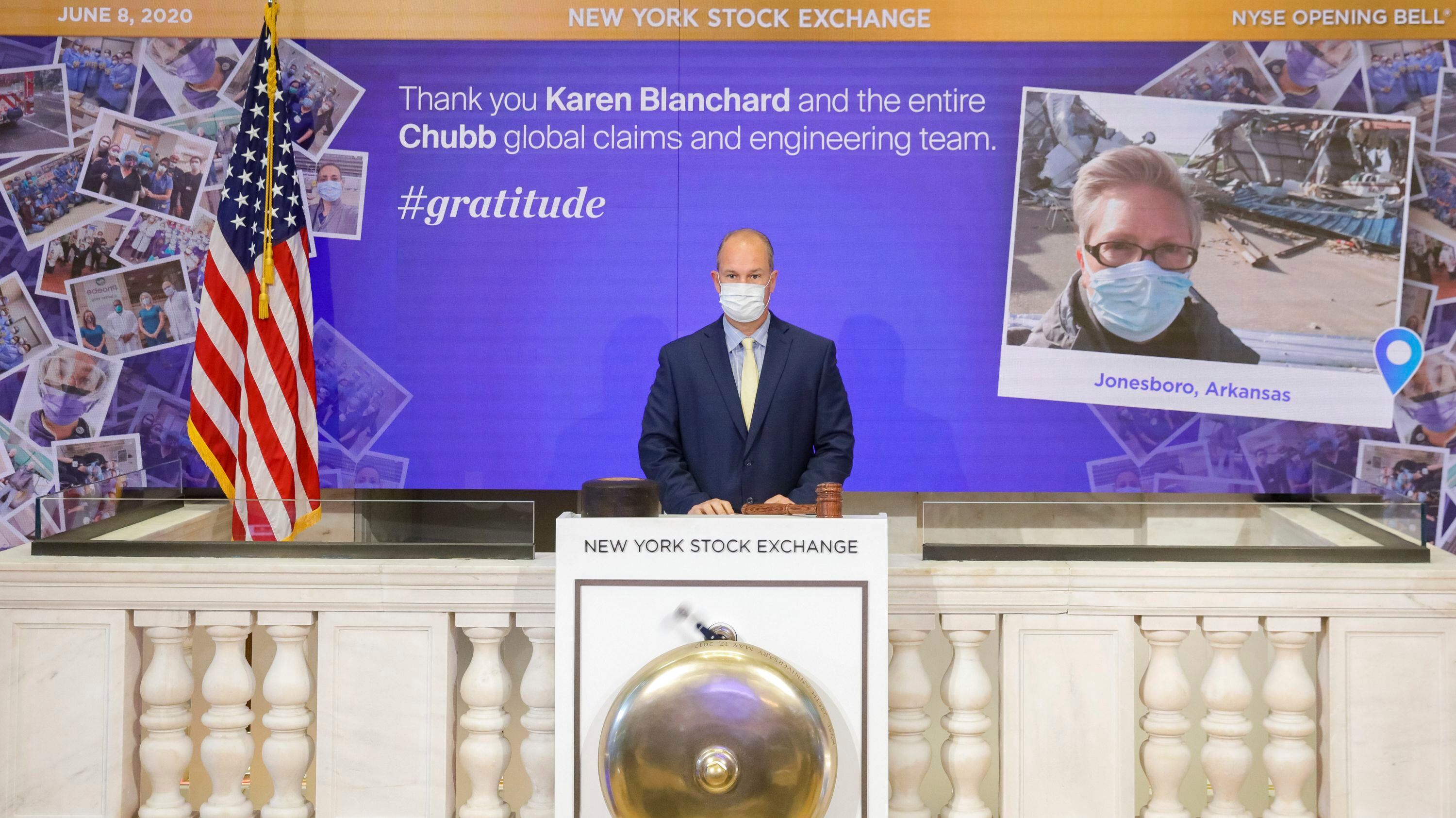
Stocks scrambled even higher Monday on Wall Street's enthusiasm about the reopening economy, and the Nasdaq composite set a record.
Democrats in Congress are proposing a far-reaching overhaul of America's police procedures and accountability.
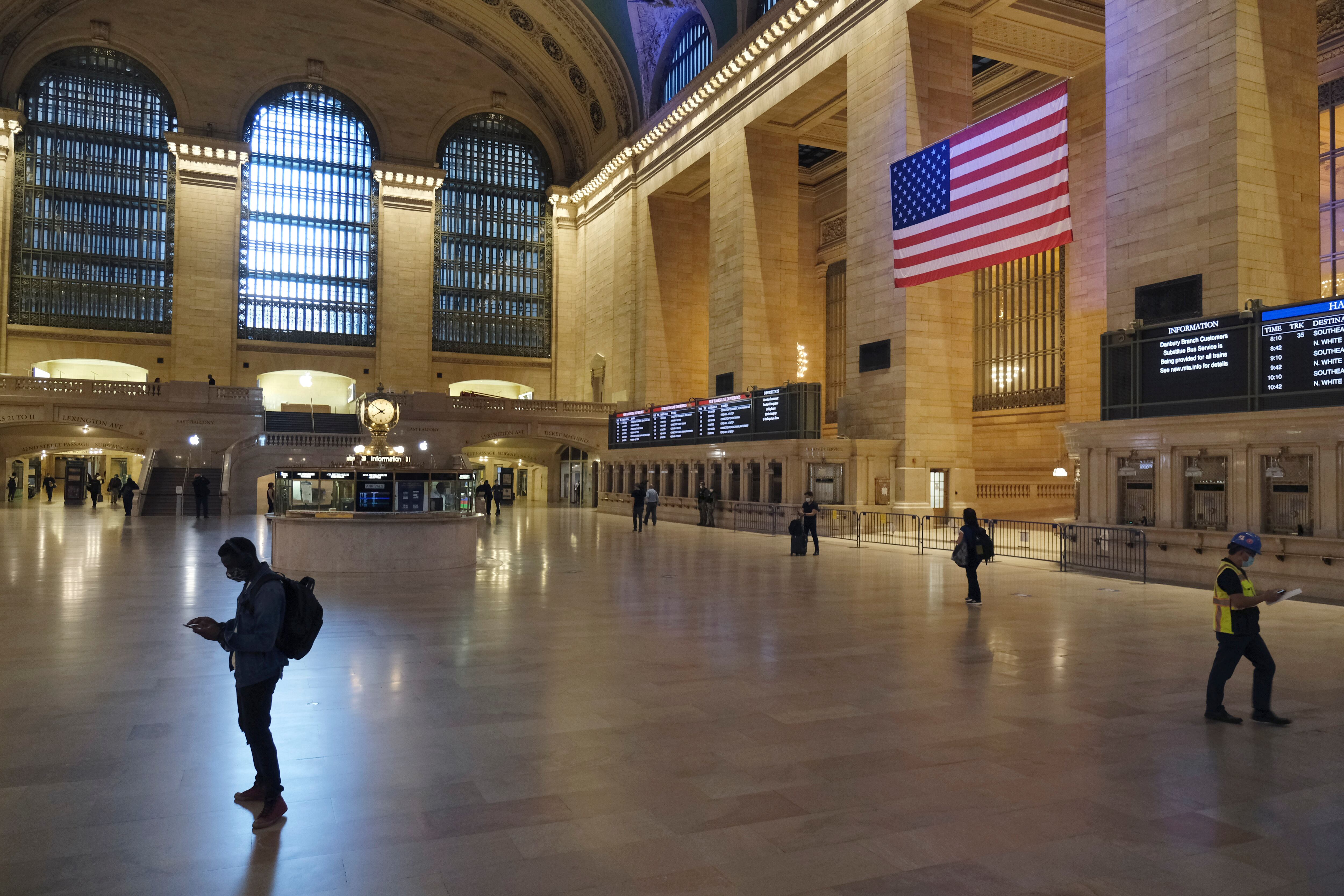
After three gloomy months and 21,000 deaths that made it the nation's most lethal hot spot, New York City slowly began reopening Monday in the biggest test yet of Americans' ability to keep the coronavirus in check.
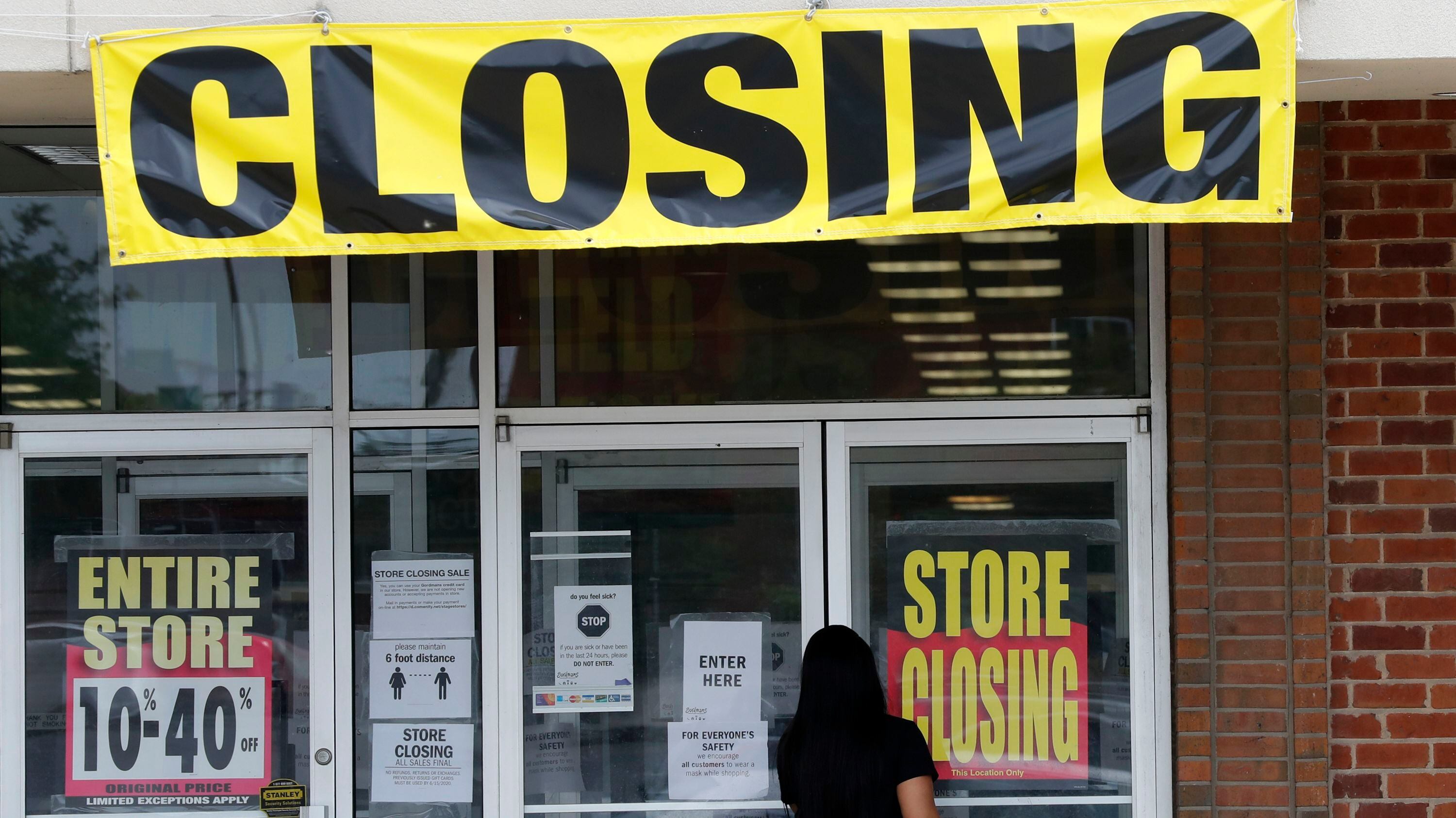
The U.S. economy entered a recession in February, a group of economists declared Monday, ending more than a decade of steady if slow growth.
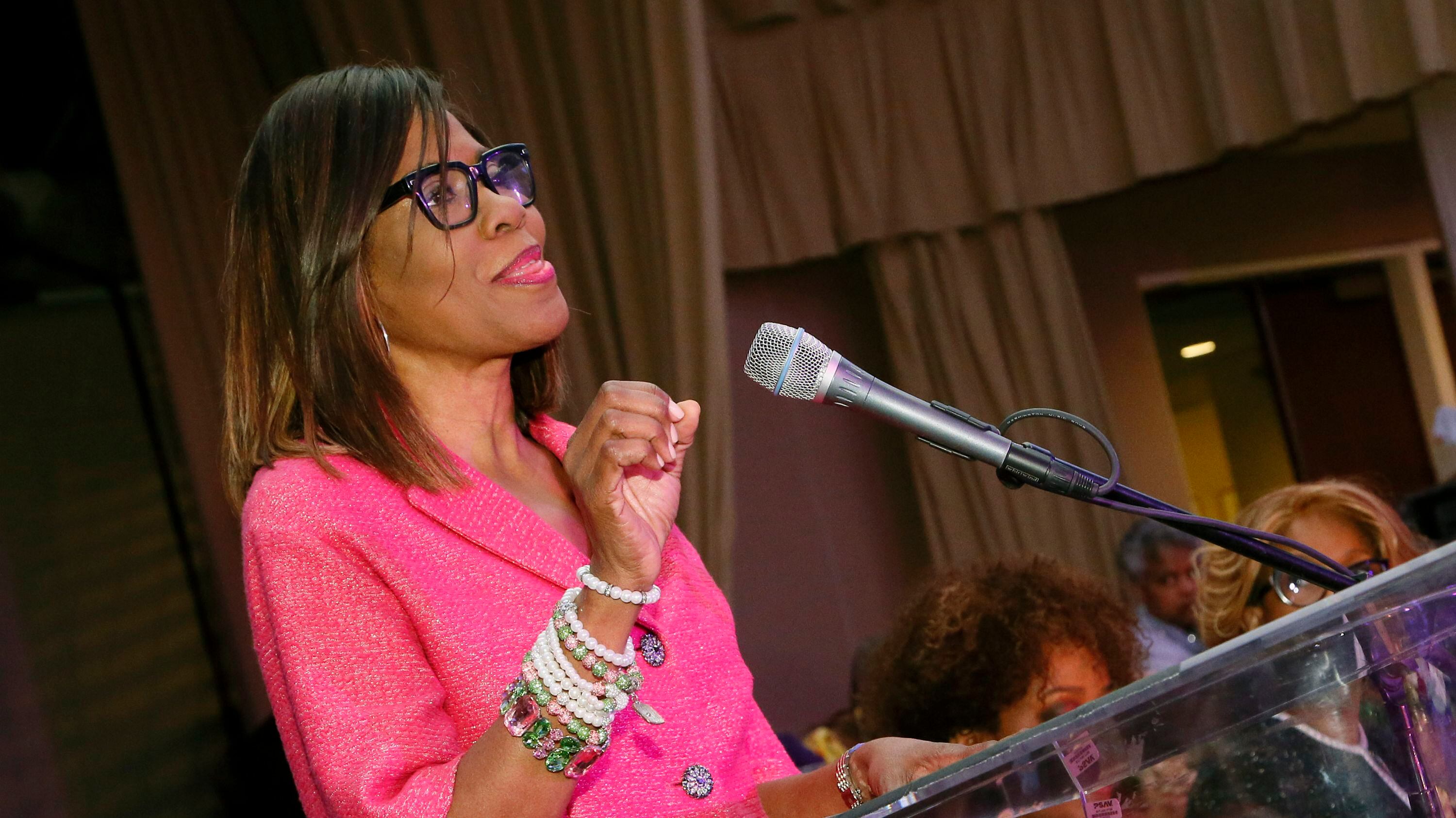
Dr. Patrice Harris, speaking to Cheddar the day after her tenure at the American Medical Association ended, leaves the nation’s largest association of physicians at a time of remarkable upheaval for the medical community.
Cheddar followed the ongoing demonstrations in New York City on Thursday as protesters vowed to continue pushing back against police brutality and systemic racism.
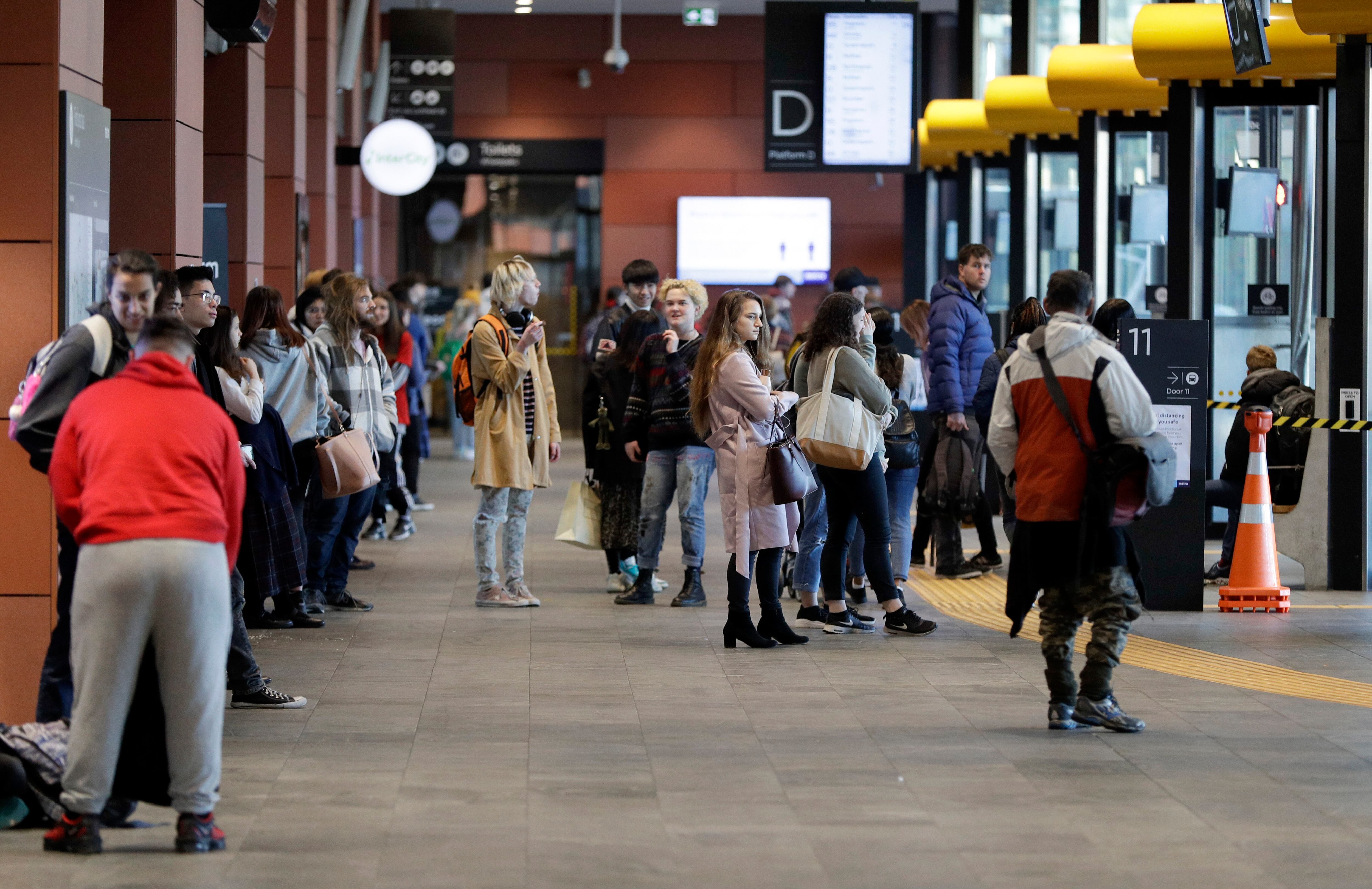
New Zealand appears to have eradicated the coronavirus for now after health officials said the last known infected person has recovered.