President Donald Trump’s attempt to create U.S. jobs by taxing solar panel imports could backfire.
That’s according to the CEO of the Solar Energy Industries Association trade group, who says it’s domestic workers that will feel the pain.
“We have been the fastest growing form of new energy...and this is putting the brakes on that crazy growth,” Abigail Ross Hopper told Cheddar in an interview. “These are not people who are looking for what nationality the company they work for is. They just want to feed their families and pay their mortgages. And those are the people whose jobs are at risk.”
Earlier this week President Trump signed a law that would impose a 30 percent tariff on imported solar panel and sells, a move the administration says will encourage domestic manufacturing.
But the SEIA says the vast majority of the 260,000 Americans employed in the industry work in peripheral industries like installation. Ross Hopper says the bill will result in 23,000 layoffs this year and delay or cancel billions of dollars of investment in the sector.
She also says it might dissuade U.S. consumers from going green.
“Most [businesses and consumers] want to choose solar because it saves them money,” she said. “This decision changes that calculus.”
For full interview [click here](https://cheddar.com/videos/solar-power-in-america).
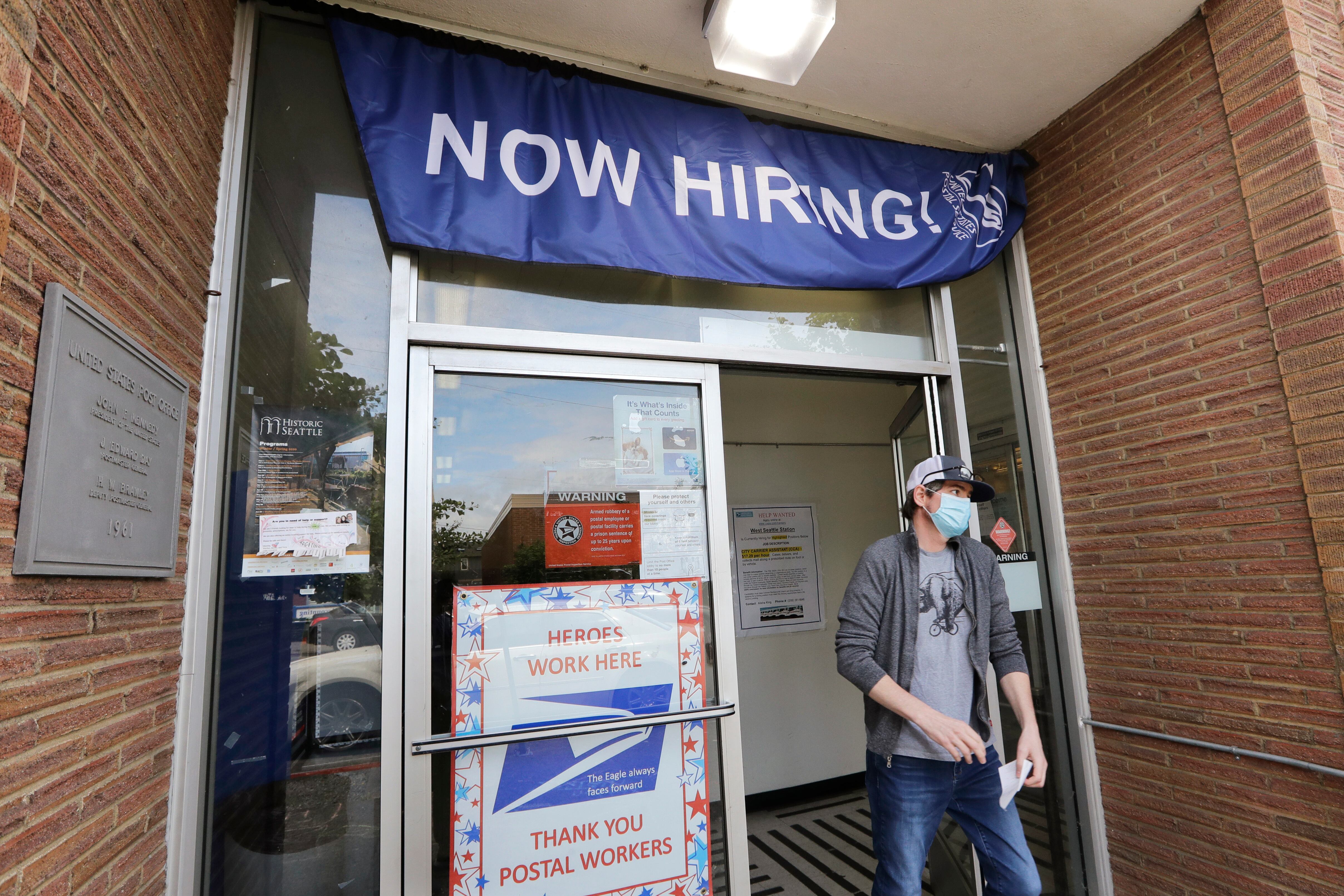
Lauren Paylor, a bartender and mixologist, most recently at Silver Lyan, a newly-opened cocktail bar in Washington, DC., talked to Cheddar about unemployment amid the coronavirus pandemic.
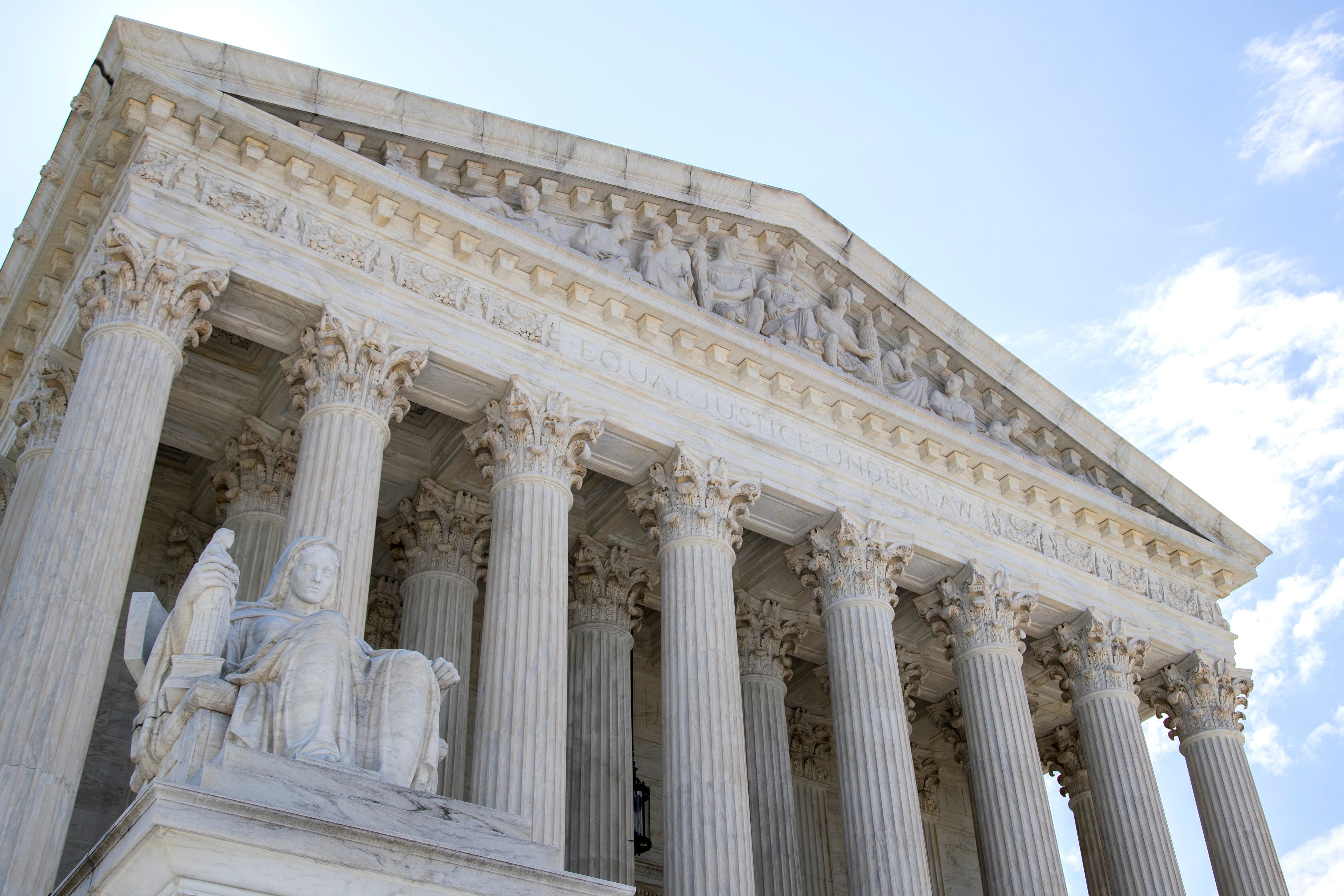
The Supreme Court has upheld a 1991 law that bars robocalls to cellphones.
From Wall Street to Silicon Valley, these are the top stories that moved markets and had investors, business leaders, and entrepreneurs talking this week on Cheddar.
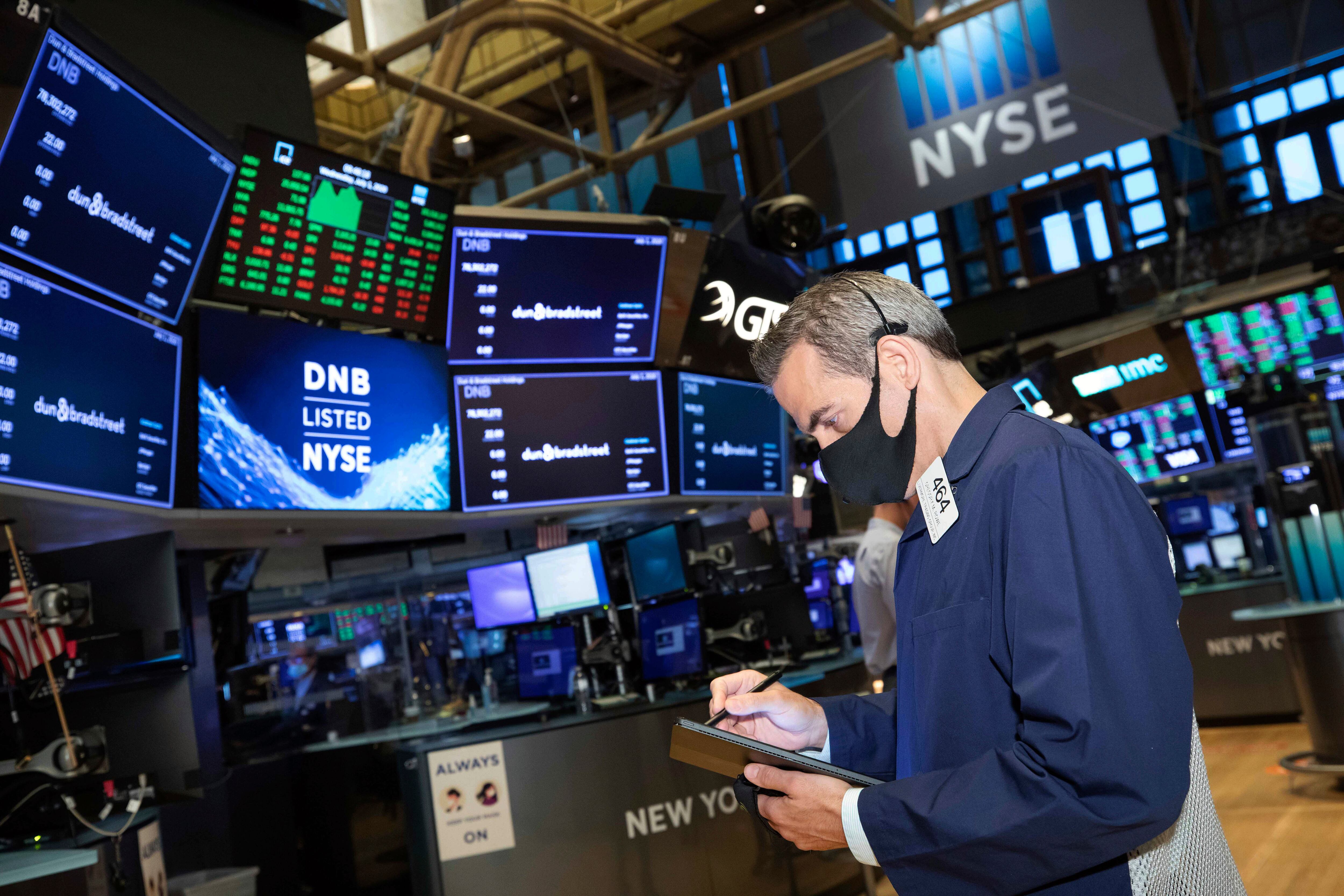
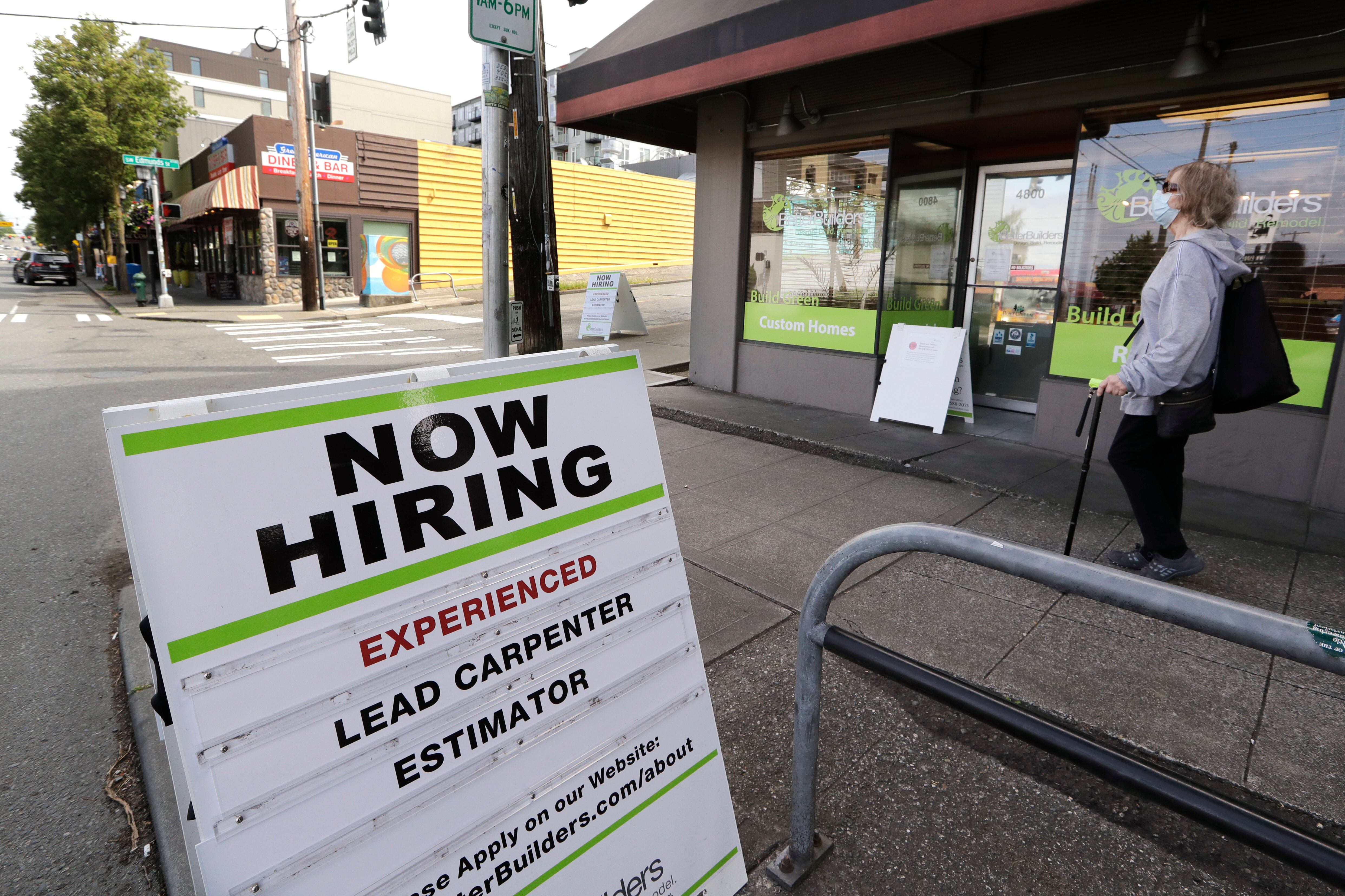
Stocks closed broadly higher on Wall Street Thursday as investors welcomed a report showing the U.S. job market continues to climb out of the crater created by the coronavirus pandemic.
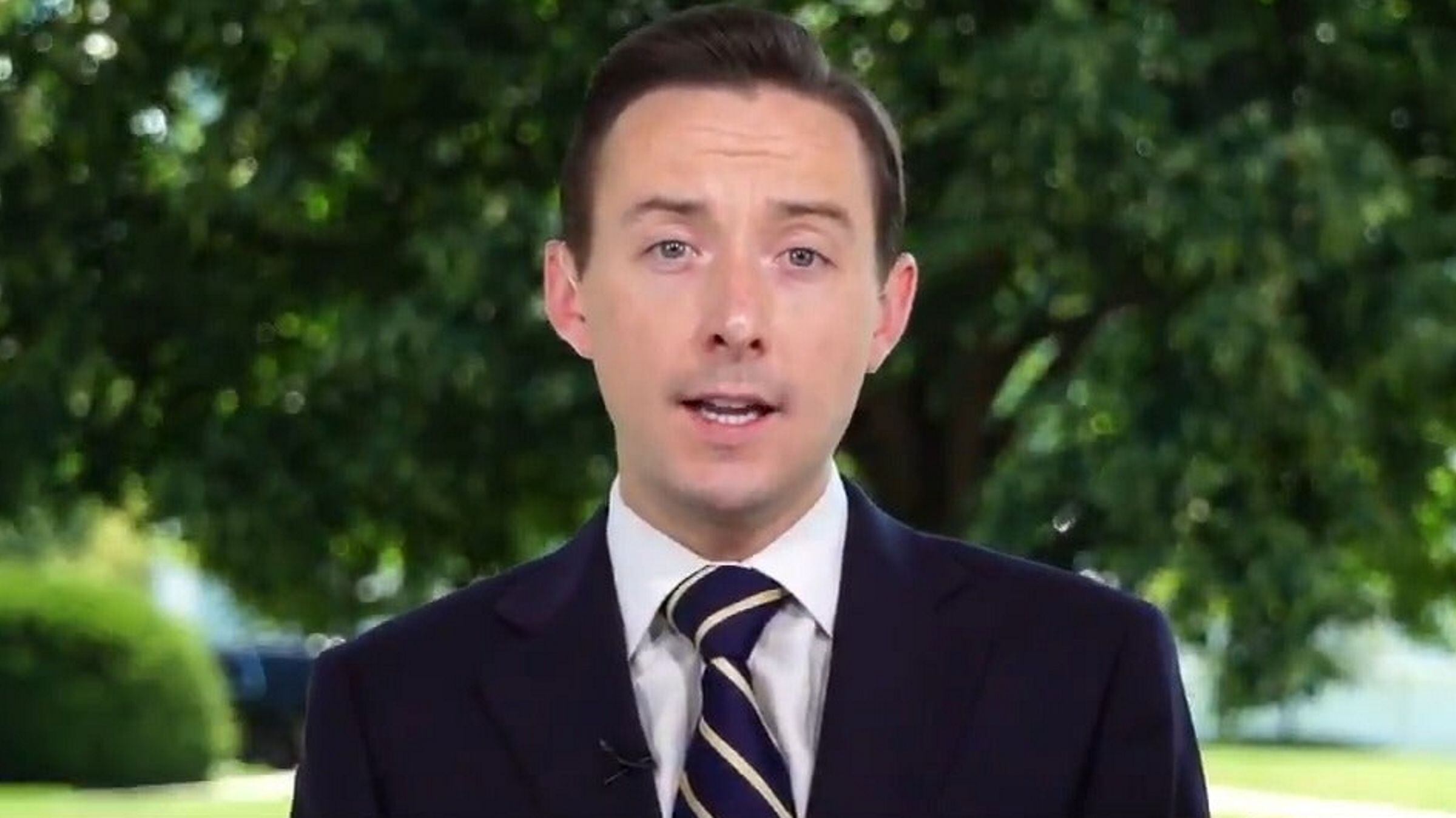
White House Economic Adviser, Tyler Goodspeed, on the June jobs report. Goodspeed also keys in the Trump administration's goal of growing jobs despite coronavirus cases spiking.
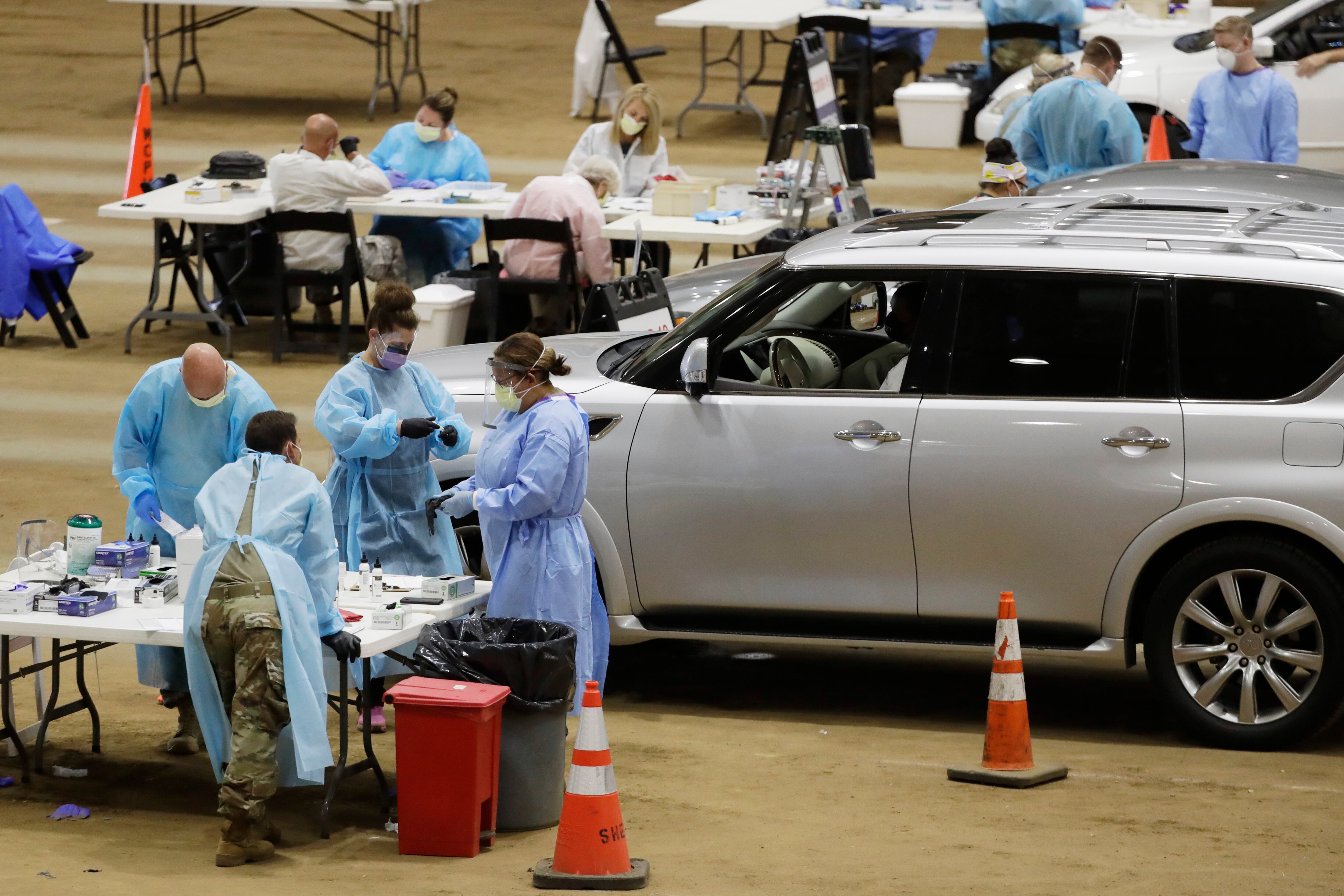
The number of confirmed coronavirus cases in the U.S. climbed to a new high of more than 50,000 per day on Thursday.
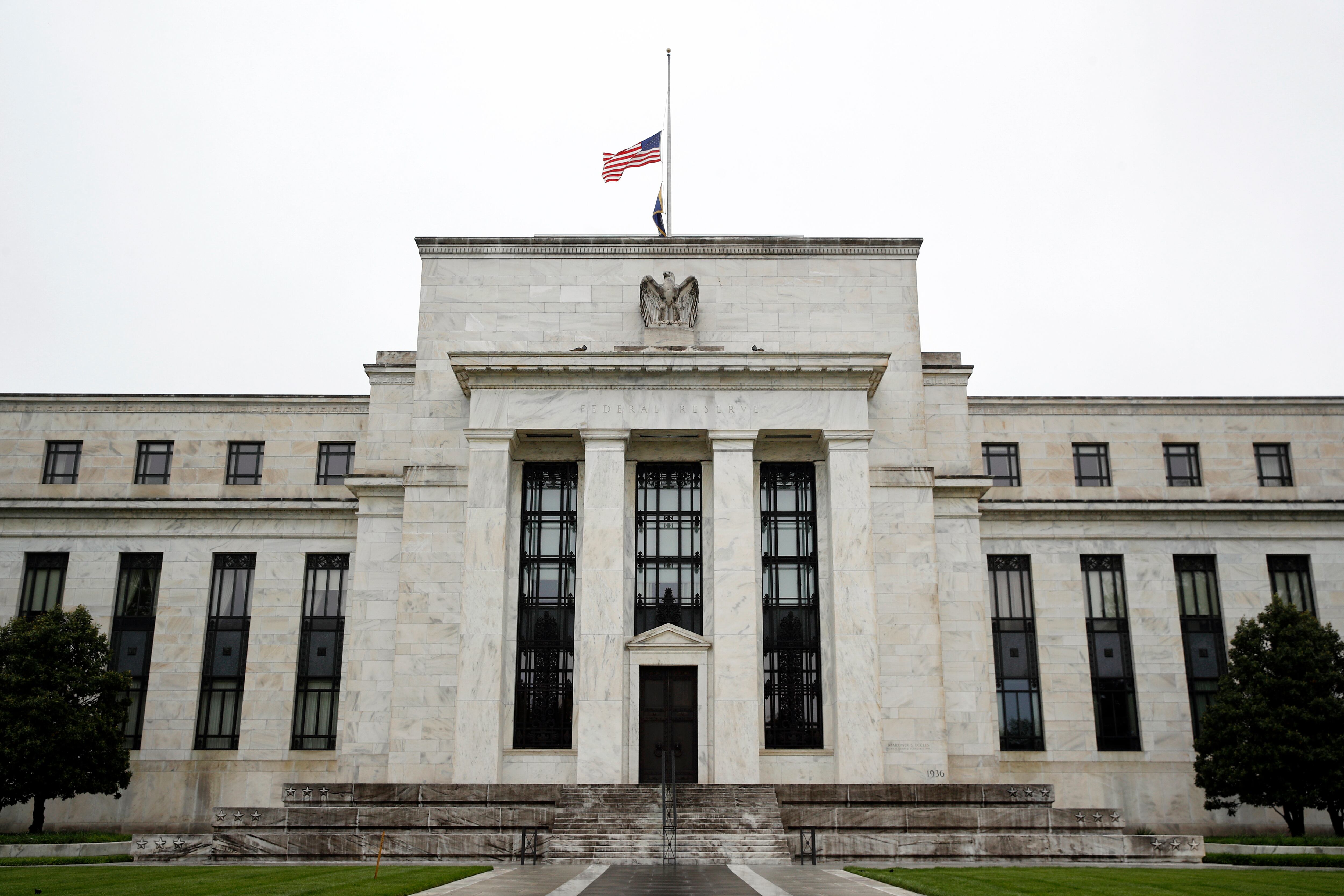
Federal Reserve officials last month expressed concerns about the severity of the economic downturn triggered by the coronavirus pandemic.
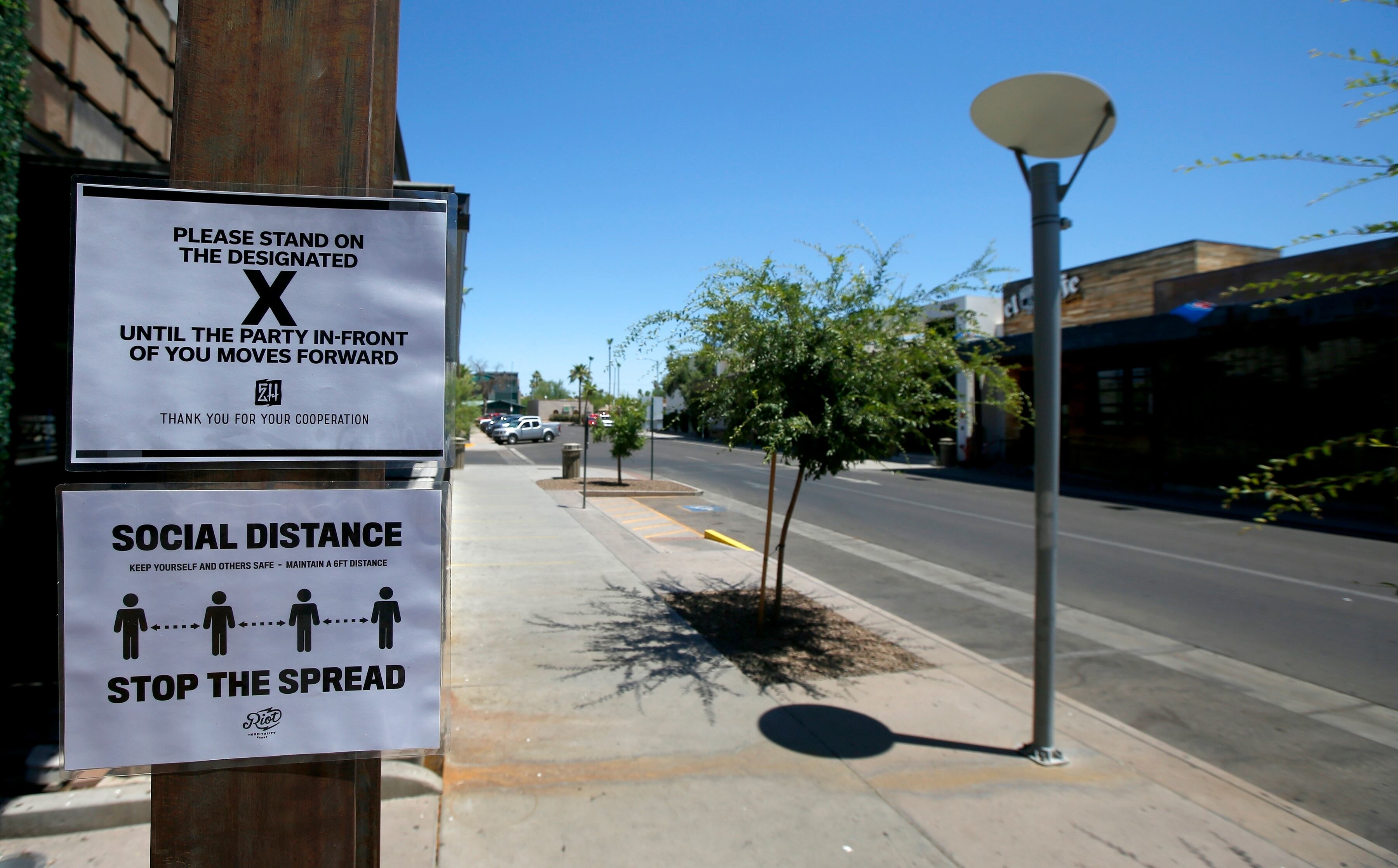
Arizona recorded more coronavirus deaths, infections and emergency-room admissions in a single day than ever before in a rapidly deepening crisis Wednesday across the Sunbelt.
Economic Policy Institute Policy Director Heidi Shierholz warns of the possible consequences if Congress allows the pandemic unemployment assistance program to expire.
Health experts have slammed the U.S. decision to hog nearly the entire global supply of remdesivir, the only drug licensed so far to treat COVID-19.