President Donald Trump’s attempt to create U.S. jobs by taxing solar panel imports could backfire.
That’s according to the CEO of the Solar Energy Industries Association trade group, who says it’s domestic workers that will feel the pain.
“We have been the fastest growing form of new energy...and this is putting the brakes on that crazy growth,” Abigail Ross Hopper told Cheddar in an interview. “These are not people who are looking for what nationality the company they work for is. They just want to feed their families and pay their mortgages. And those are the people whose jobs are at risk.”
Earlier this week President Trump signed a law that would impose a 30 percent tariff on imported solar panel and sells, a move the administration says will encourage domestic manufacturing.
But the SEIA says the vast majority of the 260,000 Americans employed in the industry work in peripheral industries like installation. Ross Hopper says the bill will result in 23,000 layoffs this year and delay or cancel billions of dollars of investment in the sector.
She also says it might dissuade U.S. consumers from going green.
“Most [businesses and consumers] want to choose solar because it saves them money,” she said. “This decision changes that calculus.”
For full interview [click here](https://cheddar.com/videos/solar-power-in-america).
Andy Purdy, chief security officer for the company's U.S. division, refuted reports that Huawei would be manufacturing electric cars of its own.
Democrats are looking to Biden to aggressively pursue judicial appointments following Trump's rapid rate of picks. Advocates point to some early signs that the new president may be following their lead.
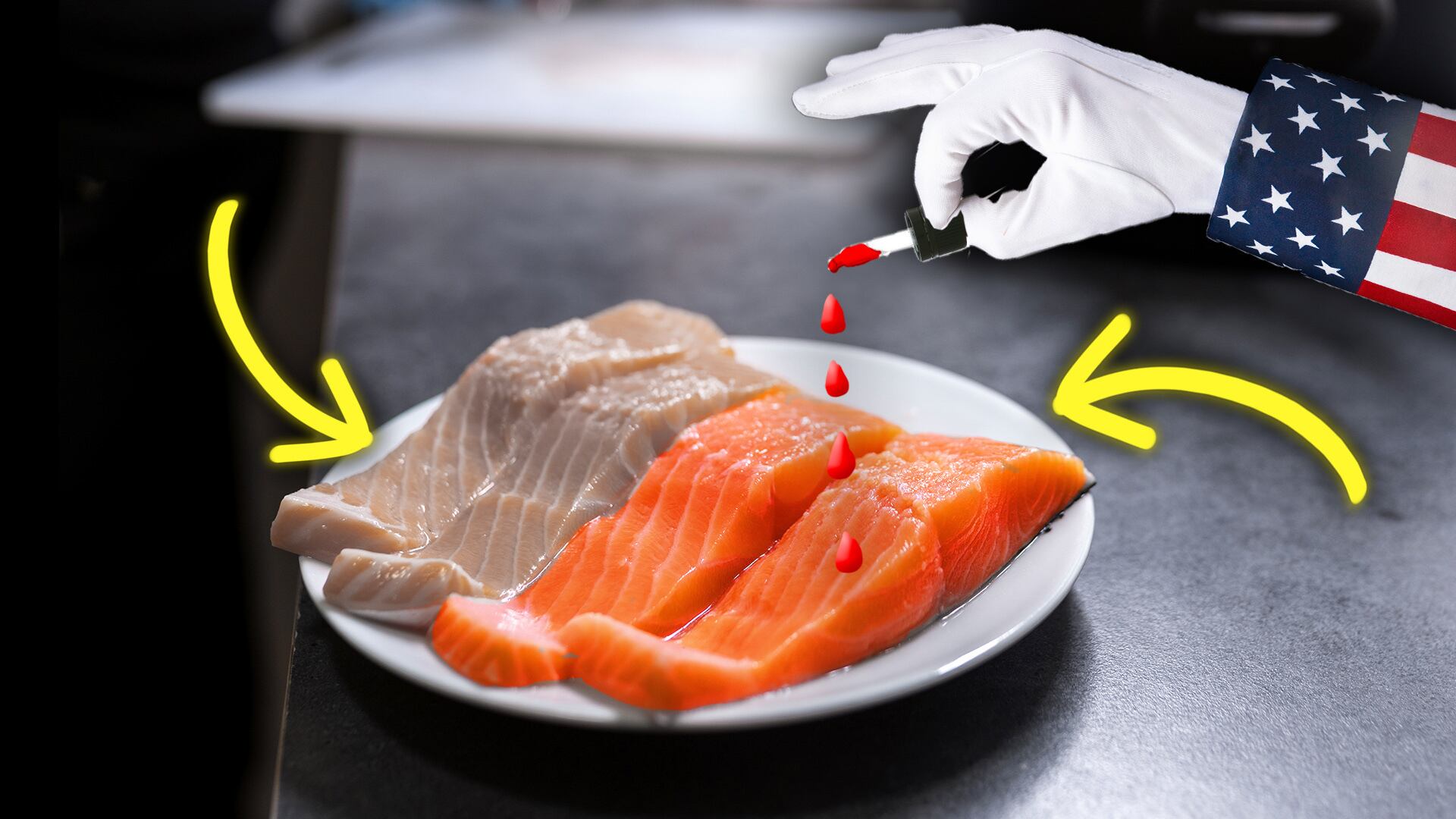
The government plays a key role in determining the colors of your food, and for that, we can thank the margarine wars of the late 19th century.
The Democratic-led House passed a bill that would enshrine LGBTQ protections in the nation’s labor and civil rights laws.
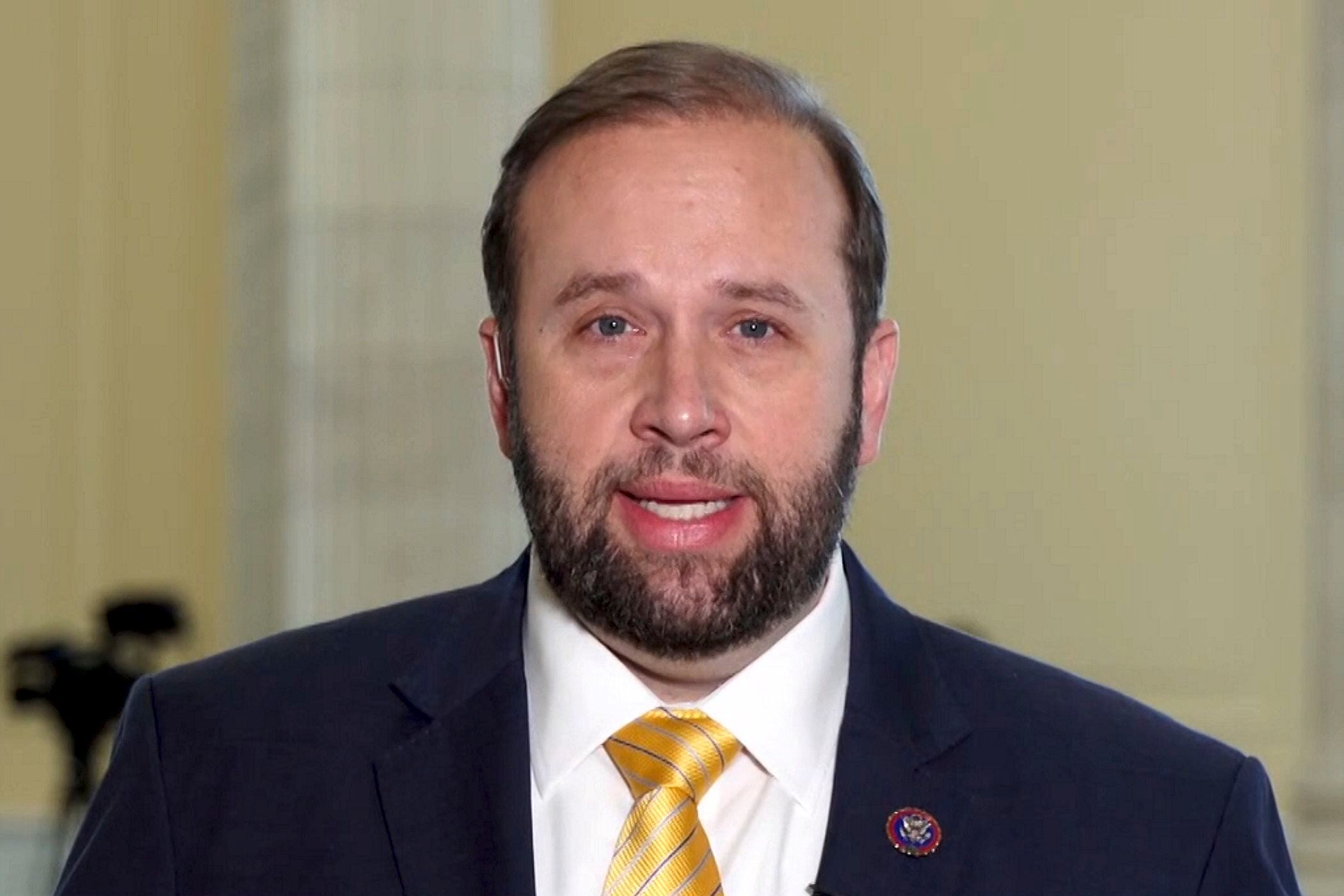
Rep. Jason Smith (R-Mo. 8th District), talked to Cheddar about his objections to the latest stimulus bill presented by Democrats.
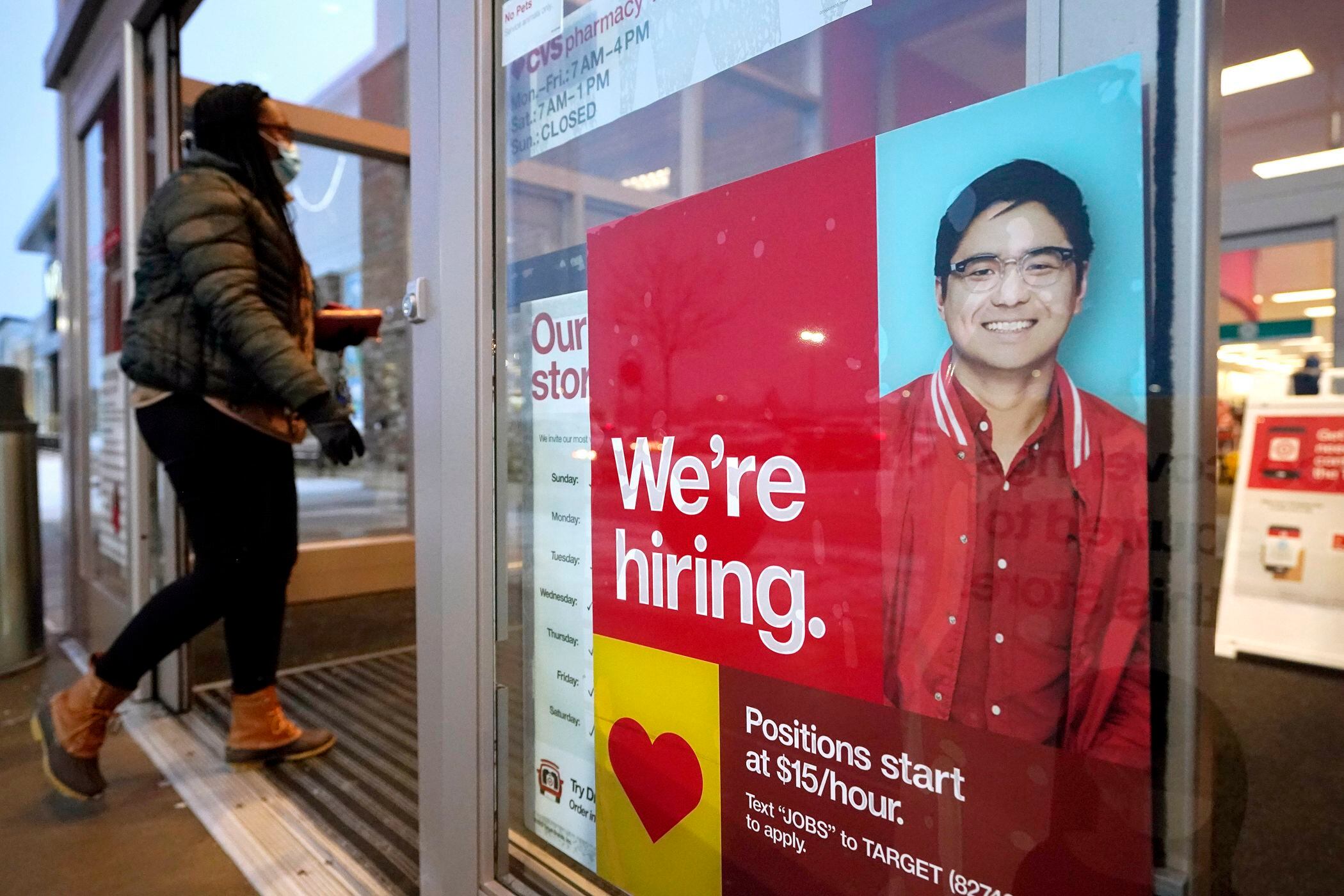
The number of Americans seeking unemployment benefits fell sharply last week in a sign that layoffs may have eased, though claims remain at a historically high level.
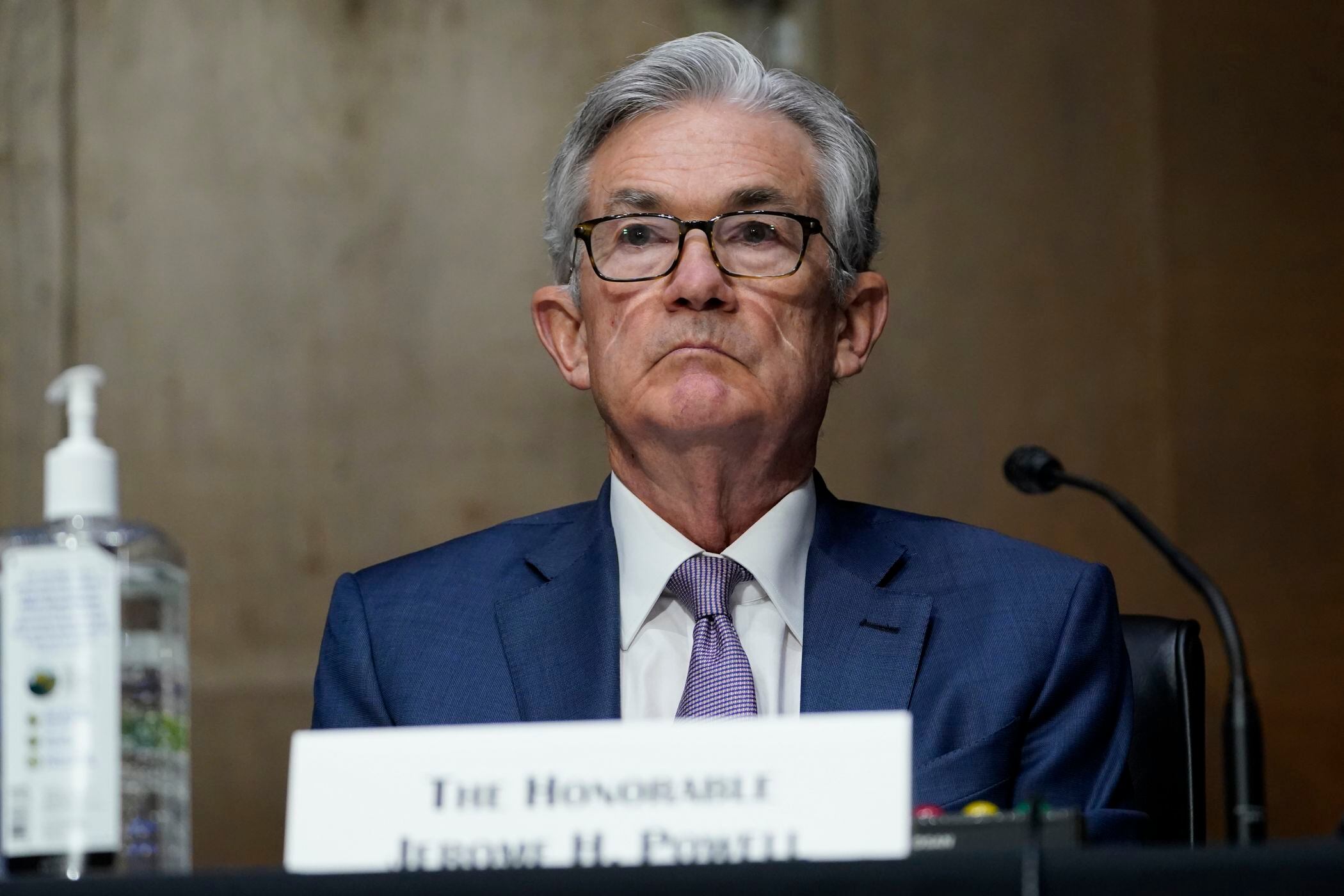
Federal Reserve Chairman Jerome Powell has told Congress that the central bank will not begin raising interest rates until it believes its goals on maximum employment and inflation have been reached.
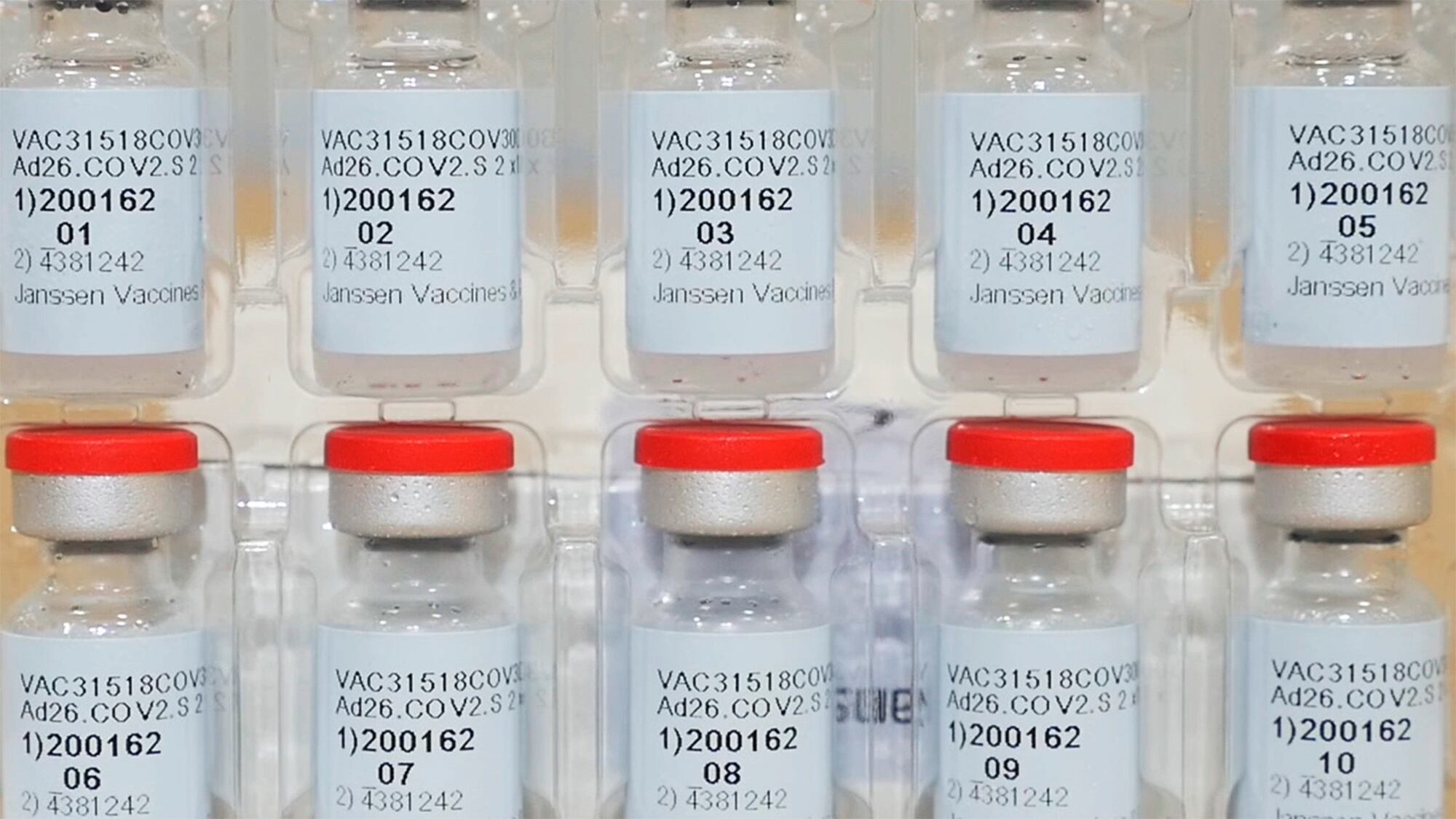
An analysis by U.S. regulators says Johnson & Johnson's single-dose vaccine protects against COVID-19.
The U.S. Postal Service says it has chosen Oshkosh Defense to build its next-generation mail-delivery vehicle.
The Senate Select Committee on Intelligence concluded its hearing on the massive SolarWinds hack.