President Donald Trump’s attempt to create U.S. jobs by taxing solar panel imports could backfire.
That’s according to the CEO of the Solar Energy Industries Association trade group, who says it’s domestic workers that will feel the pain.
“We have been the fastest growing form of new energy...and this is putting the brakes on that crazy growth,” Abigail Ross Hopper told Cheddar in an interview. “These are not people who are looking for what nationality the company they work for is. They just want to feed their families and pay their mortgages. And those are the people whose jobs are at risk.”
Earlier this week President Trump signed a law that would impose a 30 percent tariff on imported solar panel and sells, a move the administration says will encourage domestic manufacturing.
But the SEIA says the vast majority of the 260,000 Americans employed in the industry work in peripheral industries like installation. Ross Hopper says the bill will result in 23,000 layoffs this year and delay or cancel billions of dollars of investment in the sector.
She also says it might dissuade U.S. consumers from going green.
“Most [businesses and consumers] want to choose solar because it saves them money,” she said. “This decision changes that calculus.”
For full interview [click here](https://cheddar.com/videos/solar-power-in-america).
Prices for U.S. consumers rose last month but at the slowest pace since February, a sign that Americans could gain some relief after four months of sharp increases that elevated inflation to its fastest pace in more than a decade.
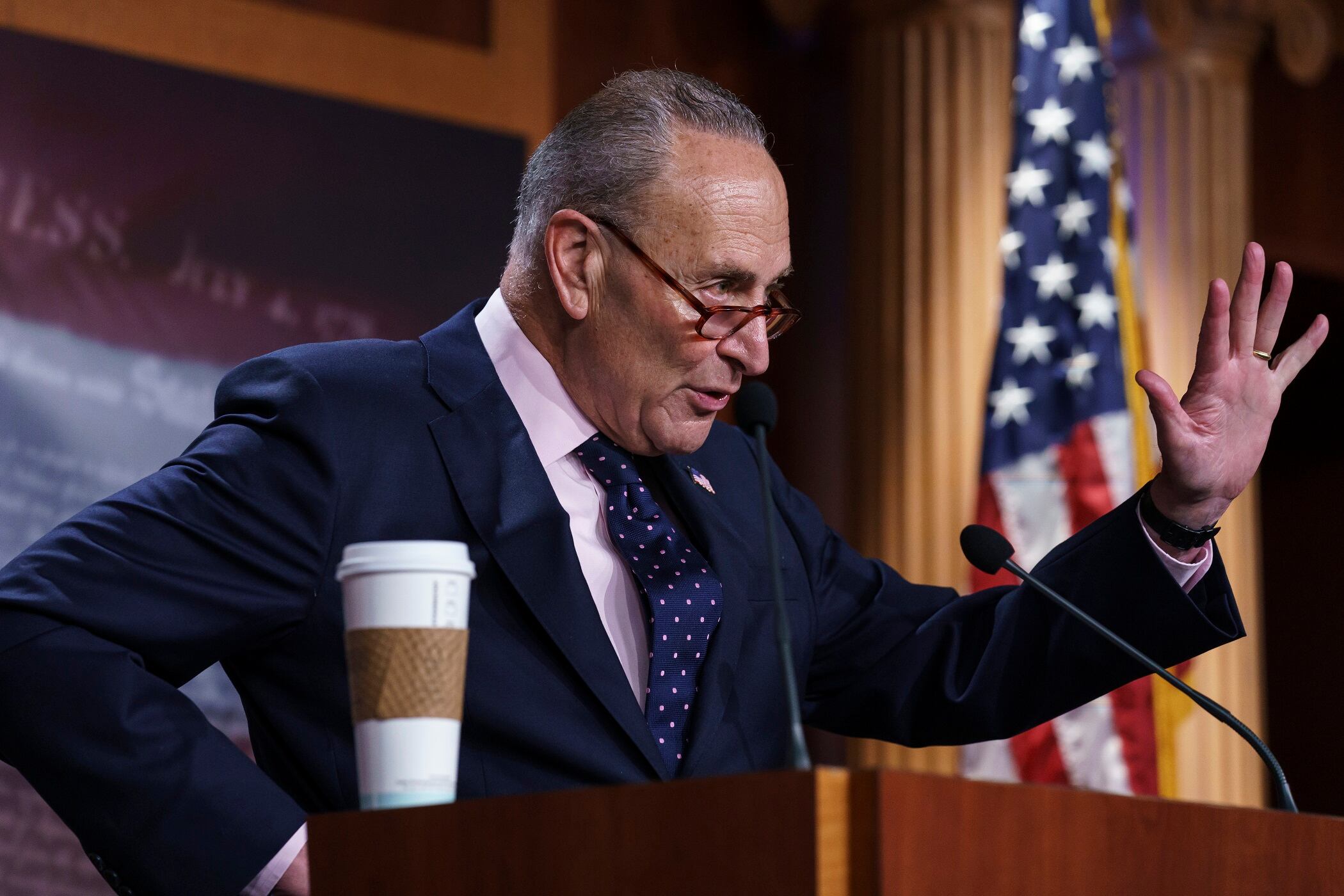
Senate Majority Leader Chuck Schumer is conceding that Democrats face a tough pathway to delivering a $3.5 trillion package for family, health and environment programs to President Joe Biden’s desk.
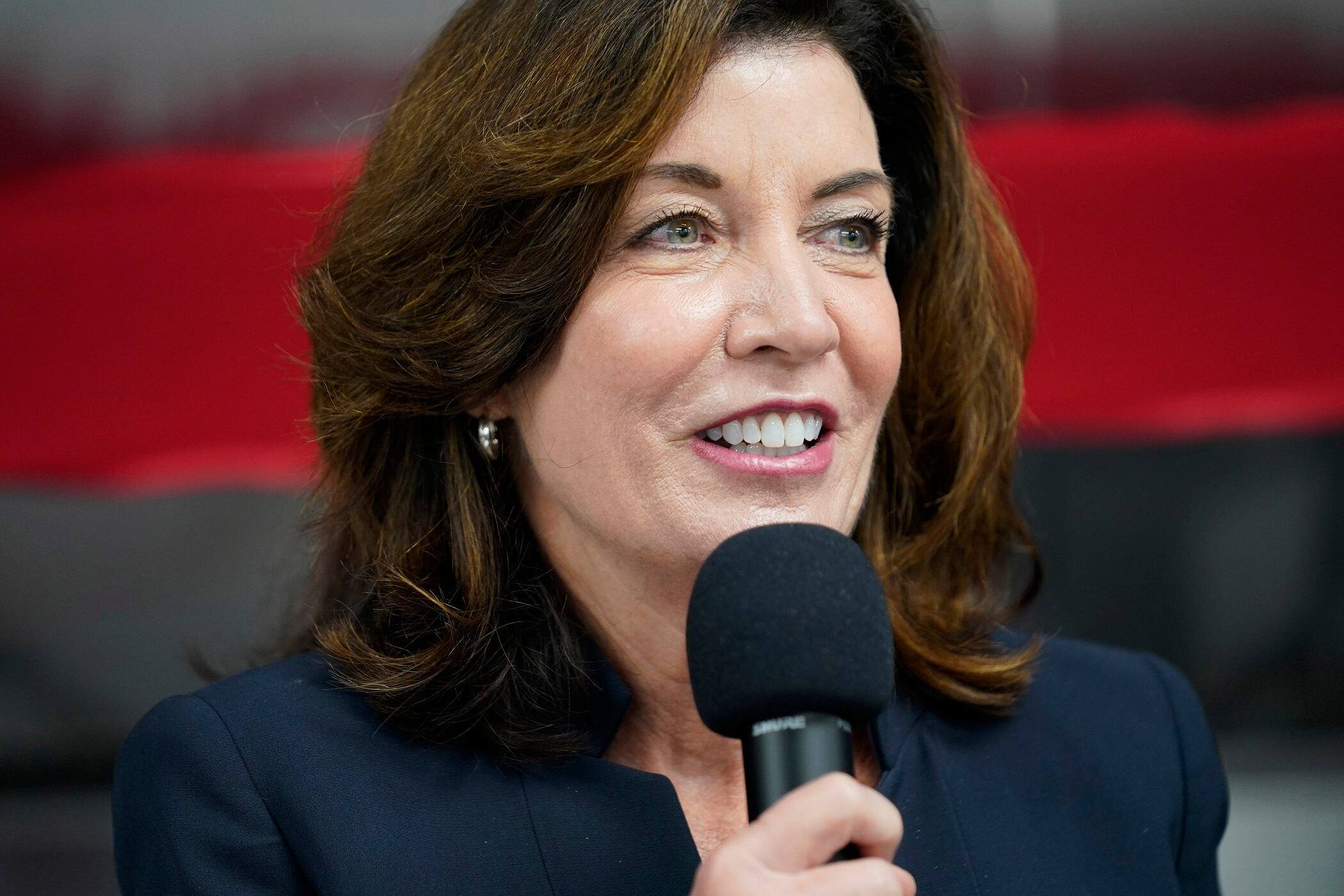
Kathy Hochul will become the state’s first female governor once Cuomo's resignation is effective in two weeks.
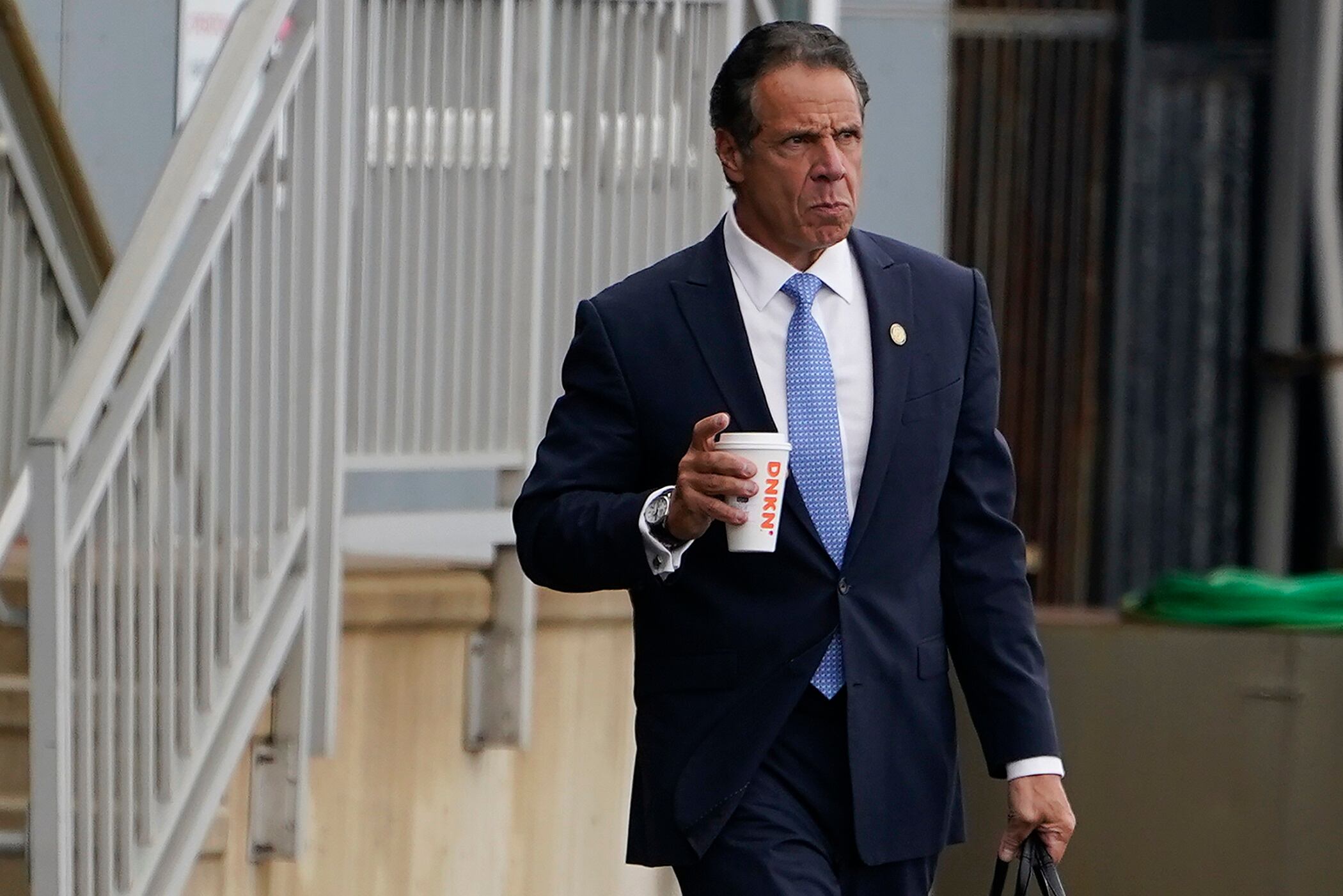
Gov. Andrew Cuomo says he will resign over a barrage of sexual harassment allegations in a fall from grace a year after he was widely hailed nationally for his detailed daily briefings and leadership during the darkest days of COVID-19.
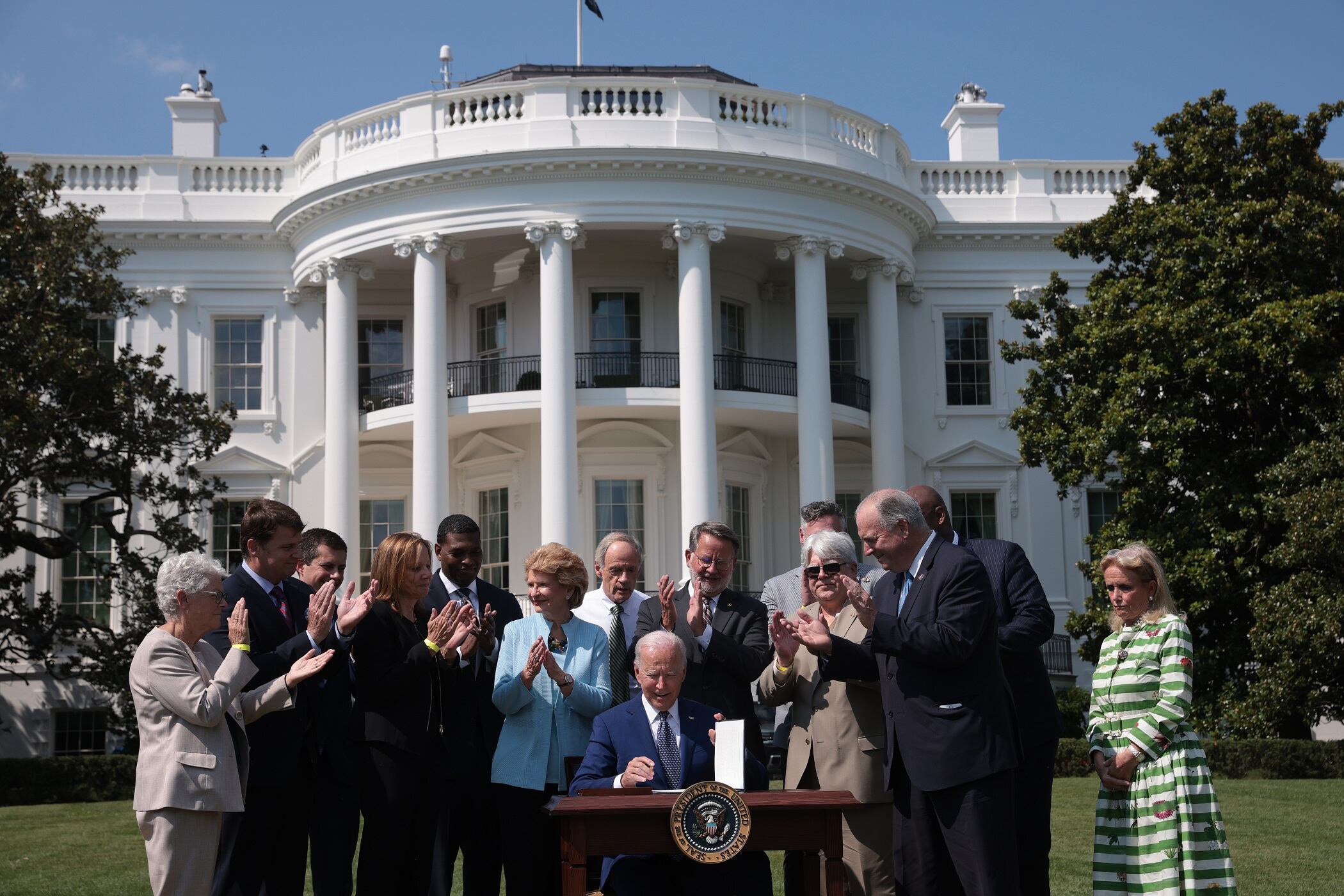
With a robust vote after weeks of fits and starts, the Senate has approved the $1 trillion bipartisan infrastructure plan.
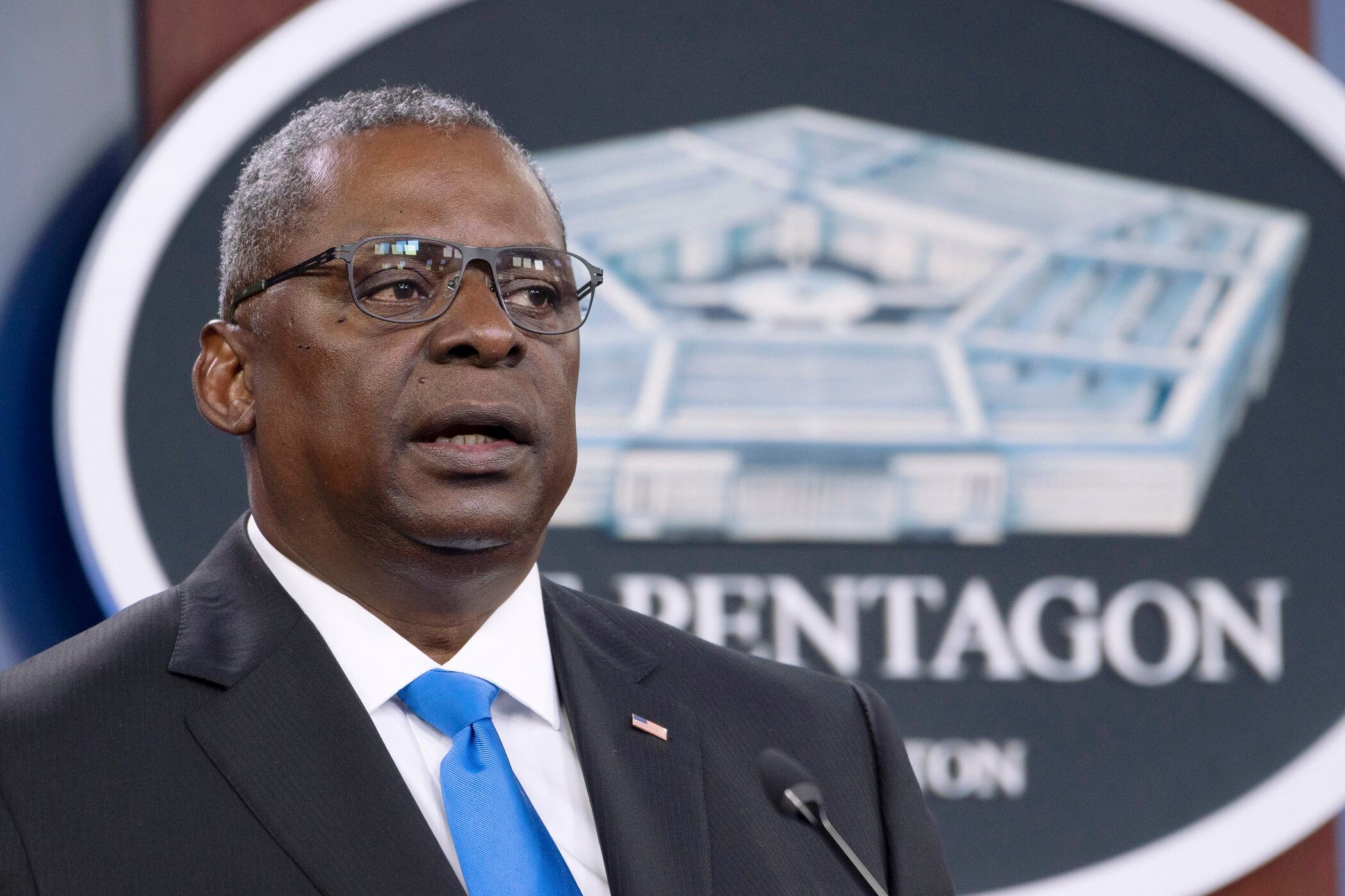
Members of the U.S. military would be required to have the COVID-19 vaccine beginning Sept. 15, under a plan announced by the Pentagon on Monday and endorsed by President Joe Biden.
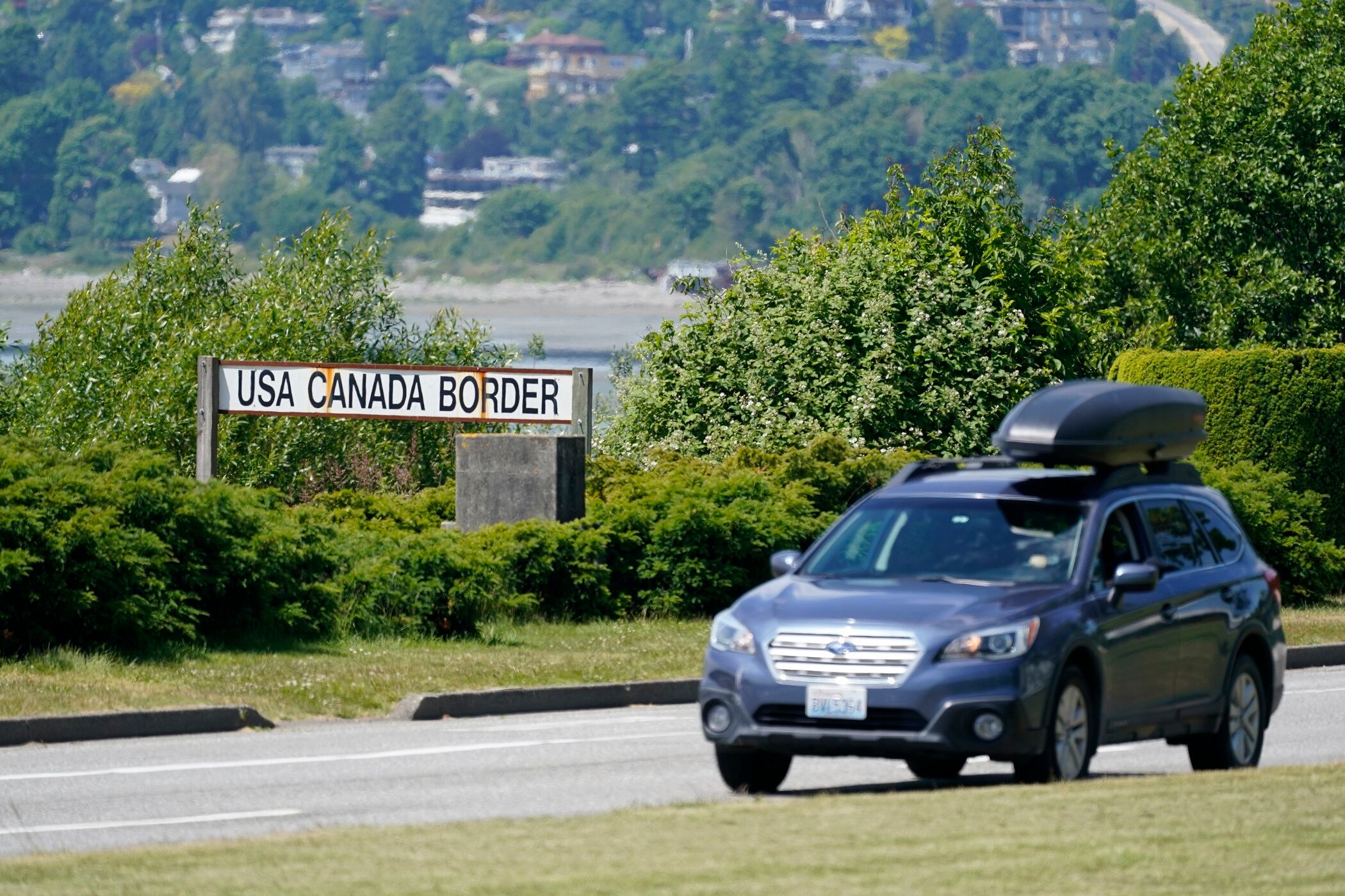
Canada is lifting its prohibition on Americans crossing the border to shop, vacation or visit, but the United States is keeping similar restrictions in place for Canadians.
Earth is getting so hot that temperatures in about a decade will probably blow past a level of warming that world leaders have sought to prevent.
The Biden administration has announced that federal student loan payments will remain suspended through January 2022, extending a pause that was scheduled to expire next month.
From Wall Street to Silicon Valley, these are the top stories that moved markets and had investors, business leaders, and entrepreneurs talking this week on Cheddar.