President Donald Trump’s attempt to create U.S. jobs by taxing solar panel imports could backfire.
That’s according to the CEO of the Solar Energy Industries Association trade group, who says it’s domestic workers that will feel the pain.
“We have been the fastest growing form of new energy...and this is putting the brakes on that crazy growth,” Abigail Ross Hopper told Cheddar in an interview. “These are not people who are looking for what nationality the company they work for is. They just want to feed their families and pay their mortgages. And those are the people whose jobs are at risk.”
Earlier this week President Trump signed a law that would impose a 30 percent tariff on imported solar panel and sells, a move the administration says will encourage domestic manufacturing.
But the SEIA says the vast majority of the 260,000 Americans employed in the industry work in peripheral industries like installation. Ross Hopper says the bill will result in 23,000 layoffs this year and delay or cancel billions of dollars of investment in the sector.
She also says it might dissuade U.S. consumers from going green.
“Most [businesses and consumers] want to choose solar because it saves them money,” she said. “This decision changes that calculus.”
For full interview [click here](https://cheddar.com/videos/solar-power-in-america).
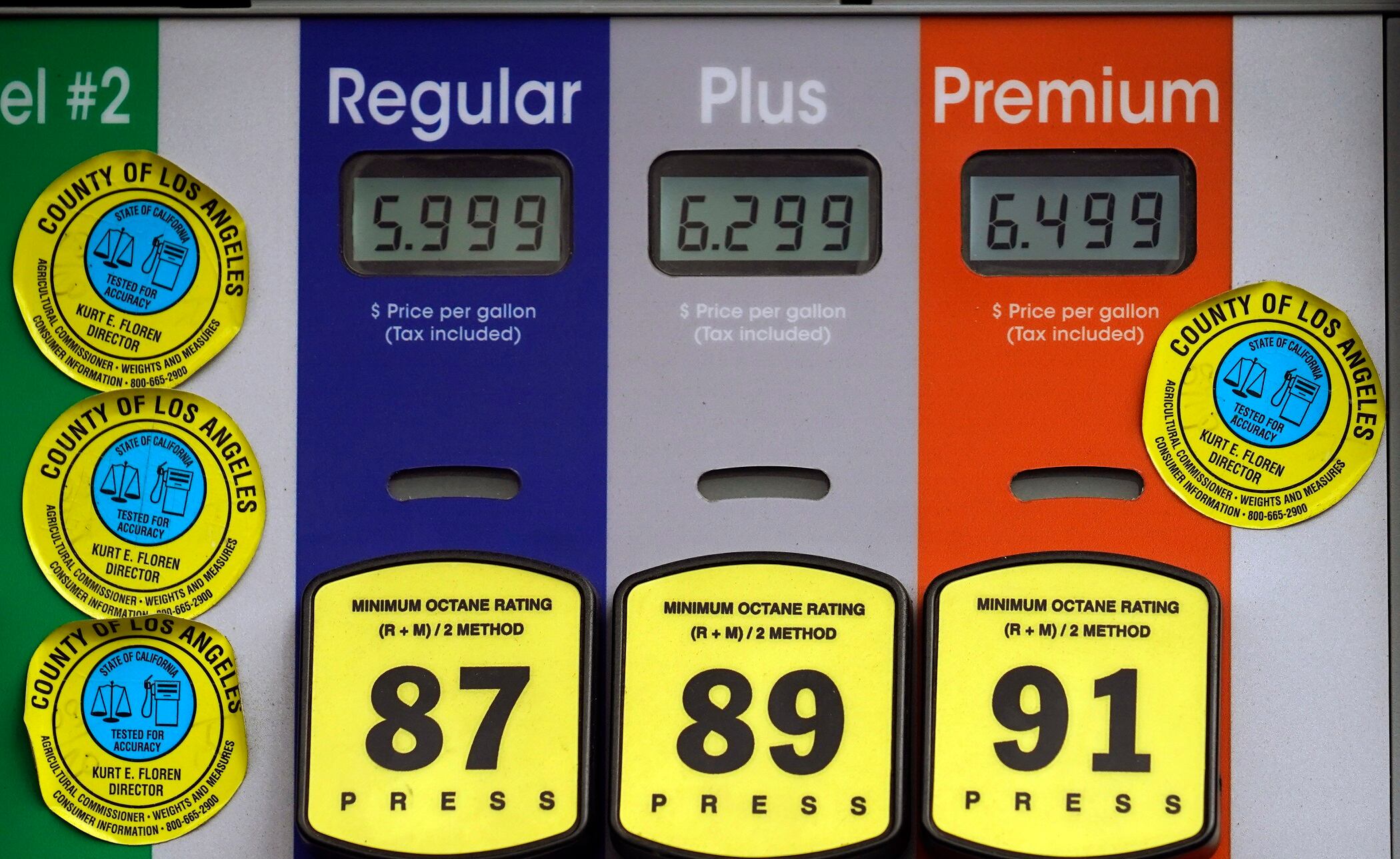
Prices for U.S. consumers jumped 6.2% in October compared with a year earlier as surging costs for food, gas and housing left Americans grappling with the highest inflation rate since 1990.
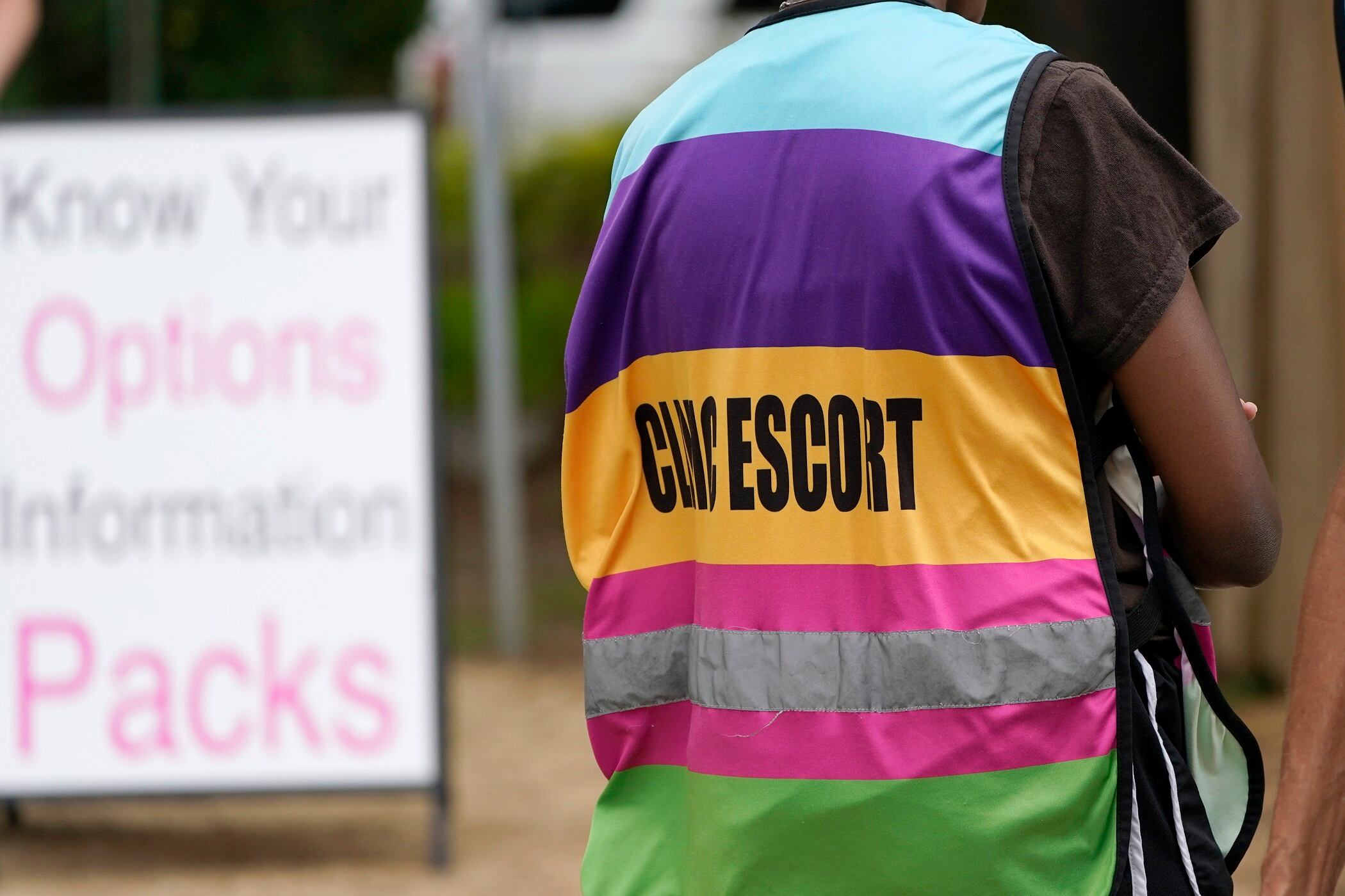
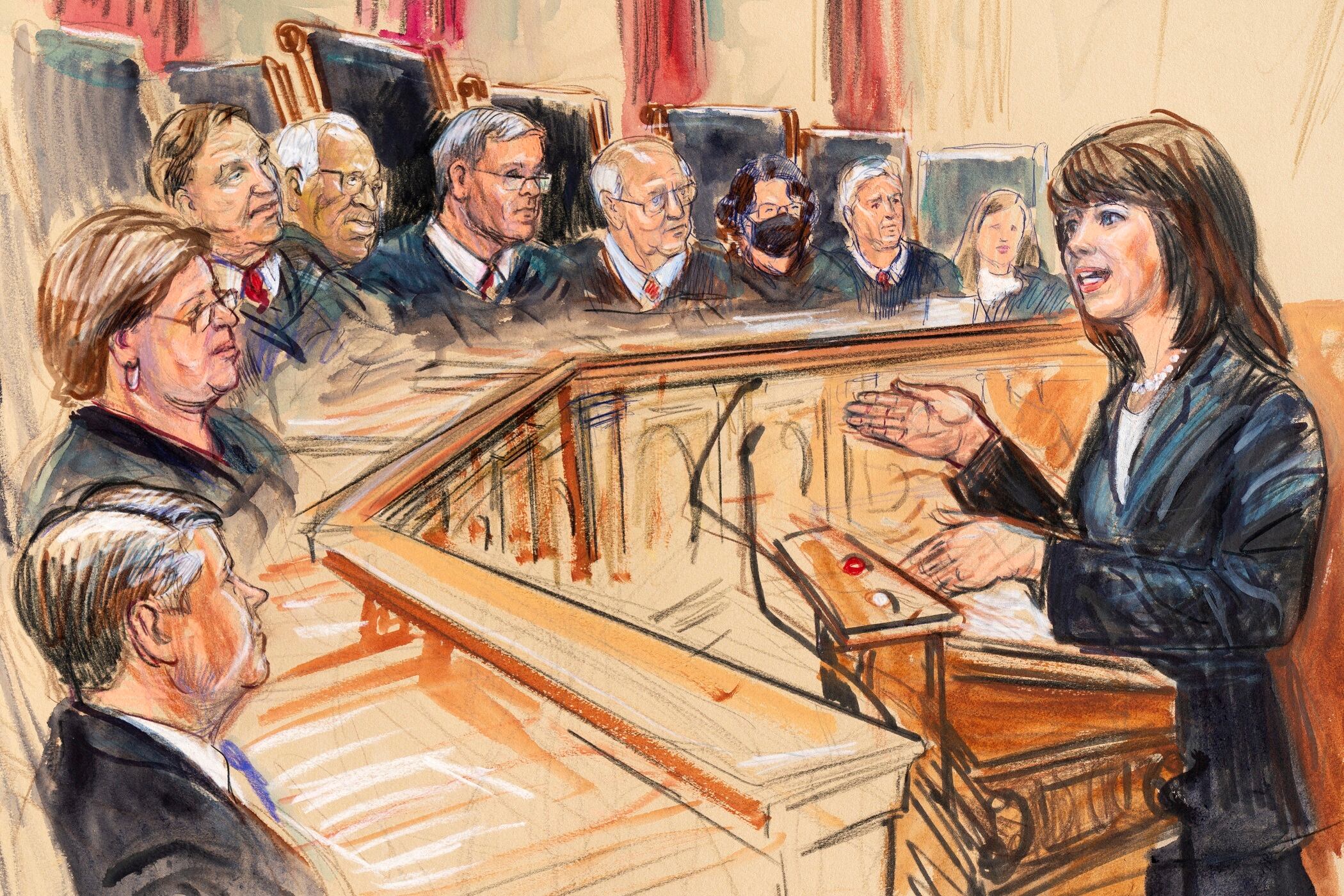
Mississippi's 2018 law banning almost all abortions after 15 weeks of pregnancy, could be the one to show whether a strong conservative majority on the Supreme Court will uphold or overturn Roe v. Wade
The U.S. has fully reopened its borders with Mexico and Canada and lifted restrictions on travel that covered most of Europe.
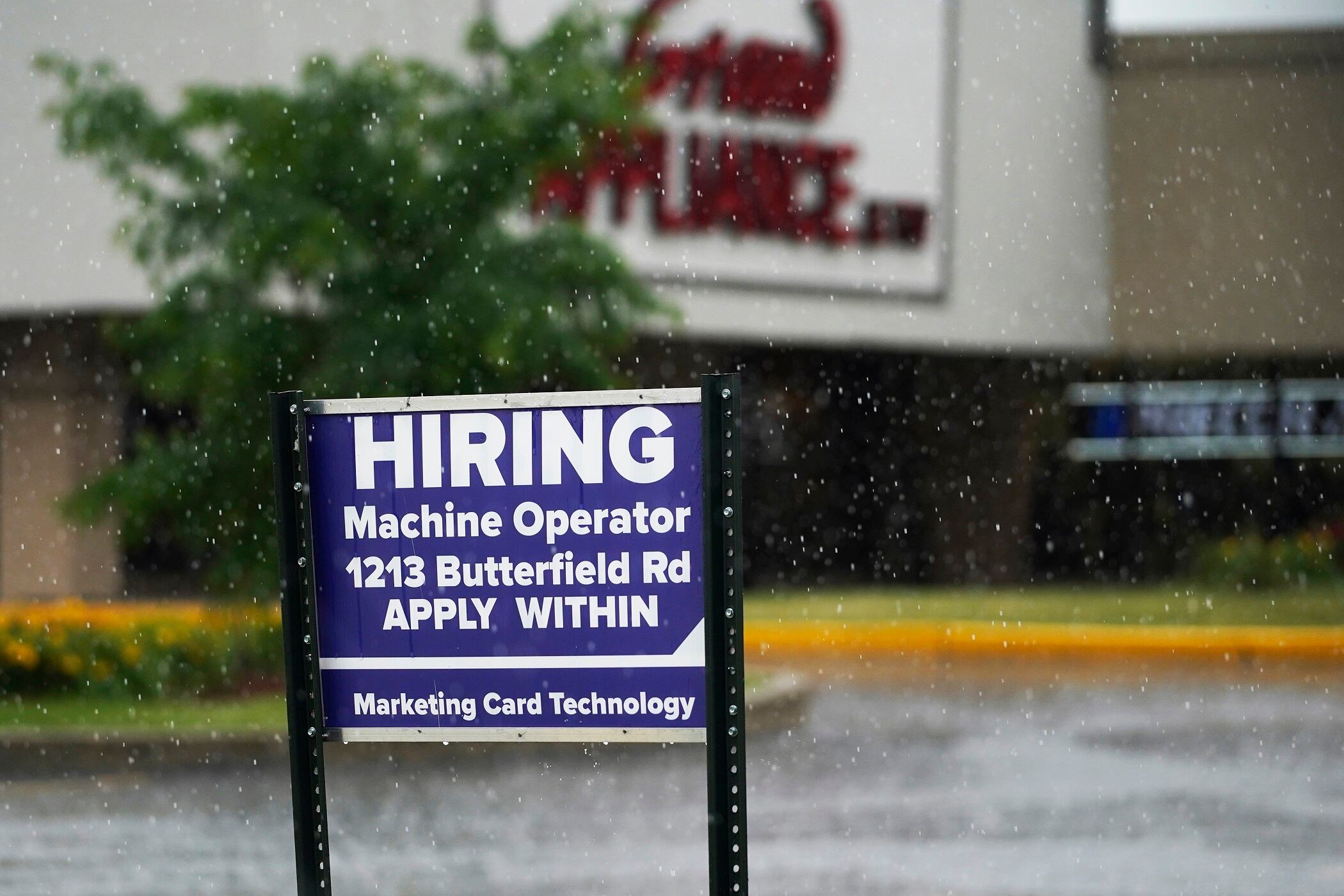
America’s employers stepped up their hiring in October, adding a solid 531,000 jobs, the most since July and a sign that the recovery from the pandemic recession may be overcoming a virus-induced slowdown.
The number of Americans applying for unemployment benefits fell to a fresh pandemic low last week, another sign the job market is healing after last year’s coronavirus recession.
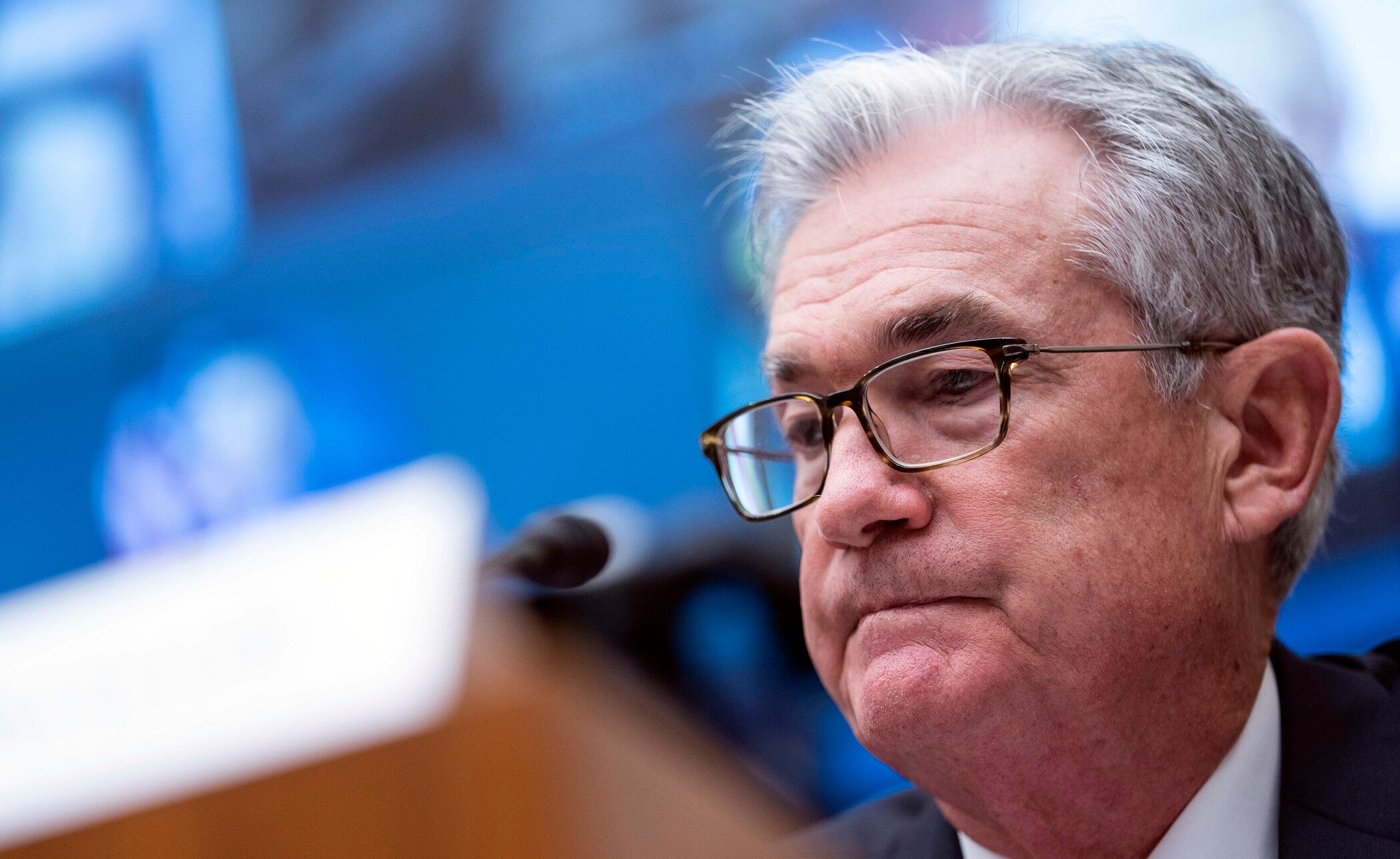
The Federal Reserve made official on Wednesday its plan to wind down the aggressive monthly bond-buying program that has defined the central bank's pandemic response.
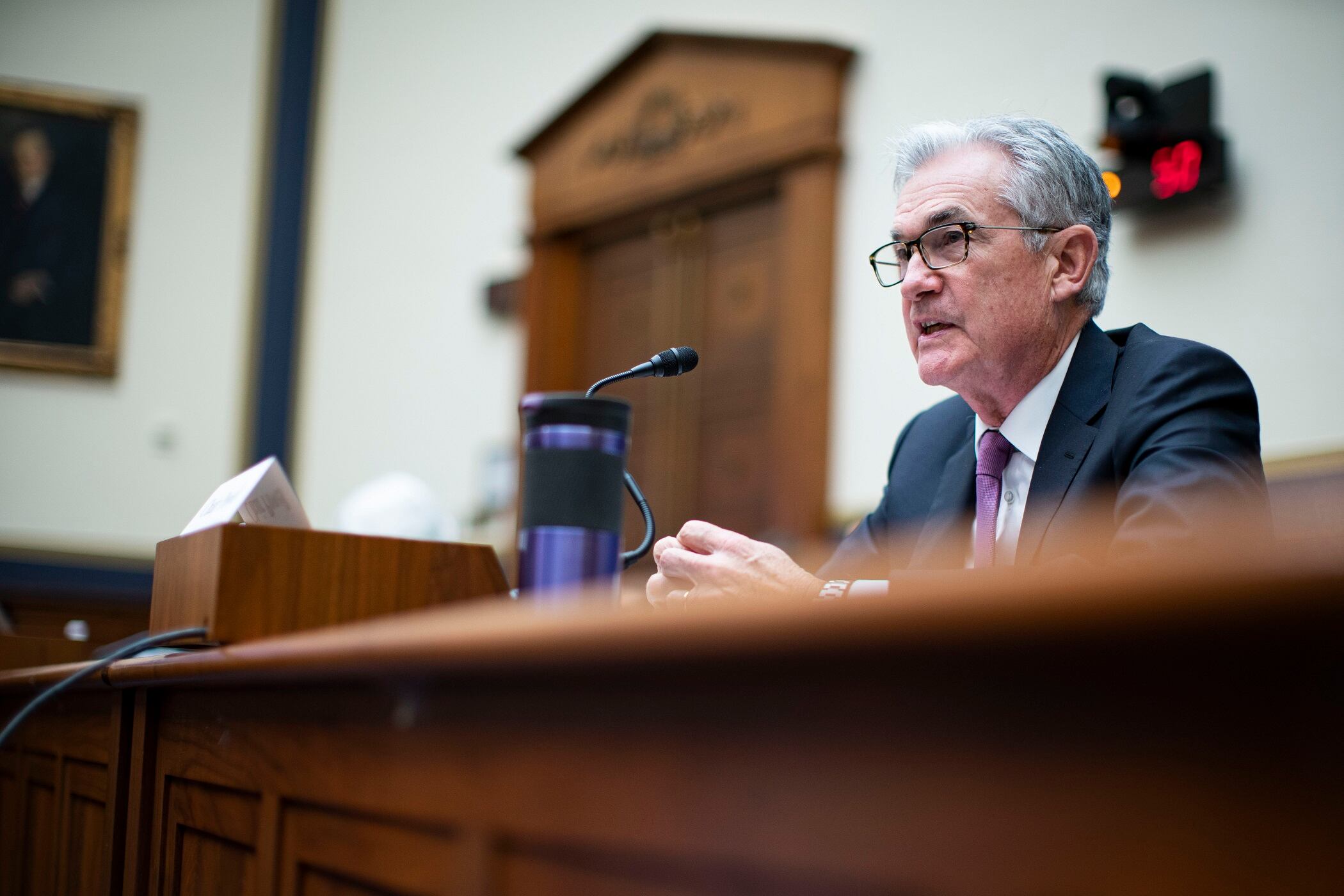
Fed watchers are expecting Jerome Powell to announce a timeline for tapering bond purchases on Wednesday afternoon following the meeting of the Federal Open Market Committee.
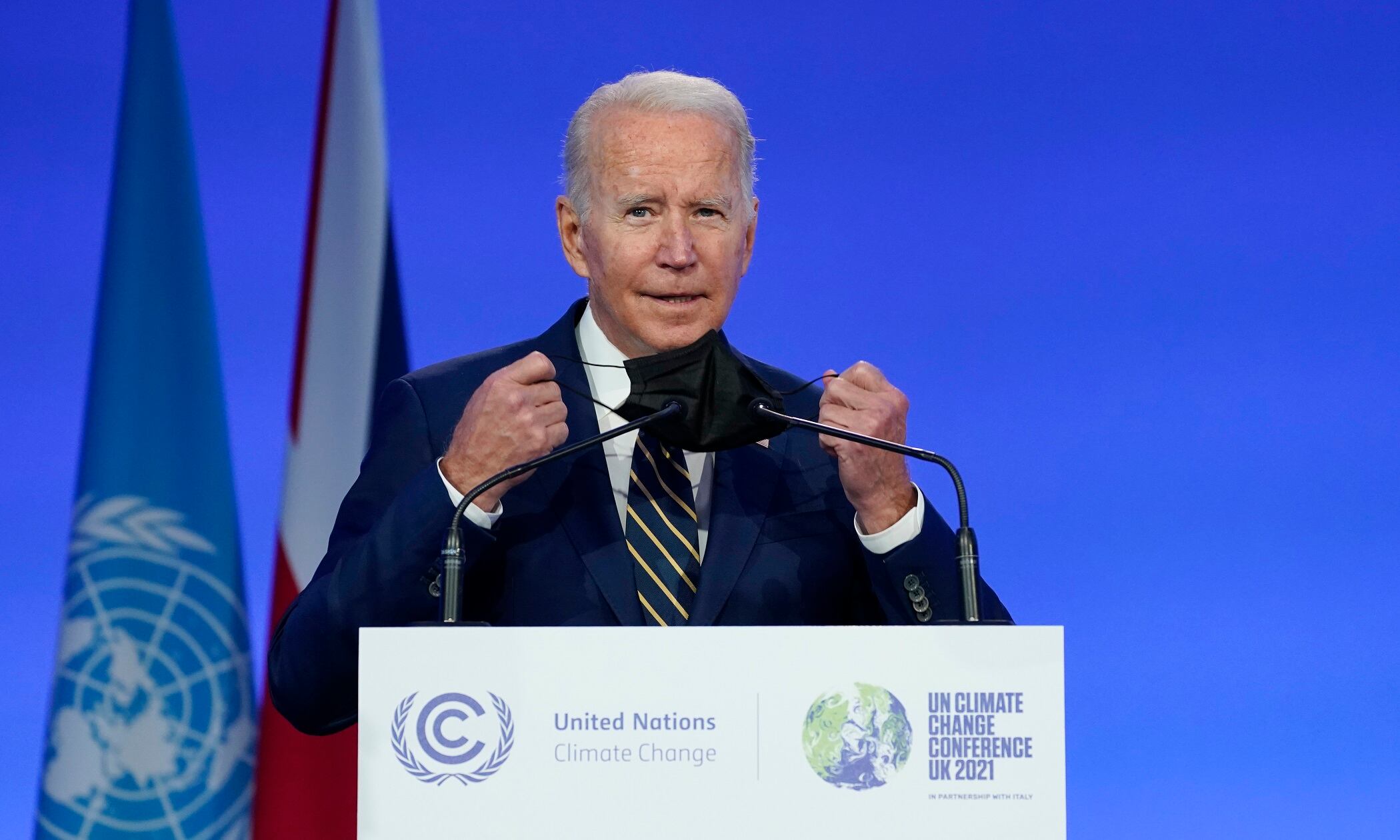
World leaders are promising to protect the world’s forests, cut methane emissions and help South Africa wean itself off coal at the U.N. climate summit.
A majority of the Supreme Court are signaling that they would allow abortion providers to pursue a court challenge to a Texas law that has virtually ended abortion in the nation’s second-largest state after six weeks of pregnancy.
President Joe Biden is taking a markedly more humble tone for a U.S. leader on climate change.