President Donald Trump’s attempt to create U.S. jobs by taxing solar panel imports could backfire.
That’s according to the CEO of the Solar Energy Industries Association trade group, who says it’s domestic workers that will feel the pain.
“We have been the fastest growing form of new energy...and this is putting the brakes on that crazy growth,” Abigail Ross Hopper told Cheddar in an interview. “These are not people who are looking for what nationality the company they work for is. They just want to feed their families and pay their mortgages. And those are the people whose jobs are at risk.”
Earlier this week President Trump signed a law that would impose a 30 percent tariff on imported solar panel and sells, a move the administration says will encourage domestic manufacturing.
But the SEIA says the vast majority of the 260,000 Americans employed in the industry work in peripheral industries like installation. Ross Hopper says the bill will result in 23,000 layoffs this year and delay or cancel billions of dollars of investment in the sector.
She also says it might dissuade U.S. consumers from going green.
“Most [businesses and consumers] want to choose solar because it saves them money,” she said. “This decision changes that calculus.”
For full interview [click here](https://cheddar.com/videos/solar-power-in-america).
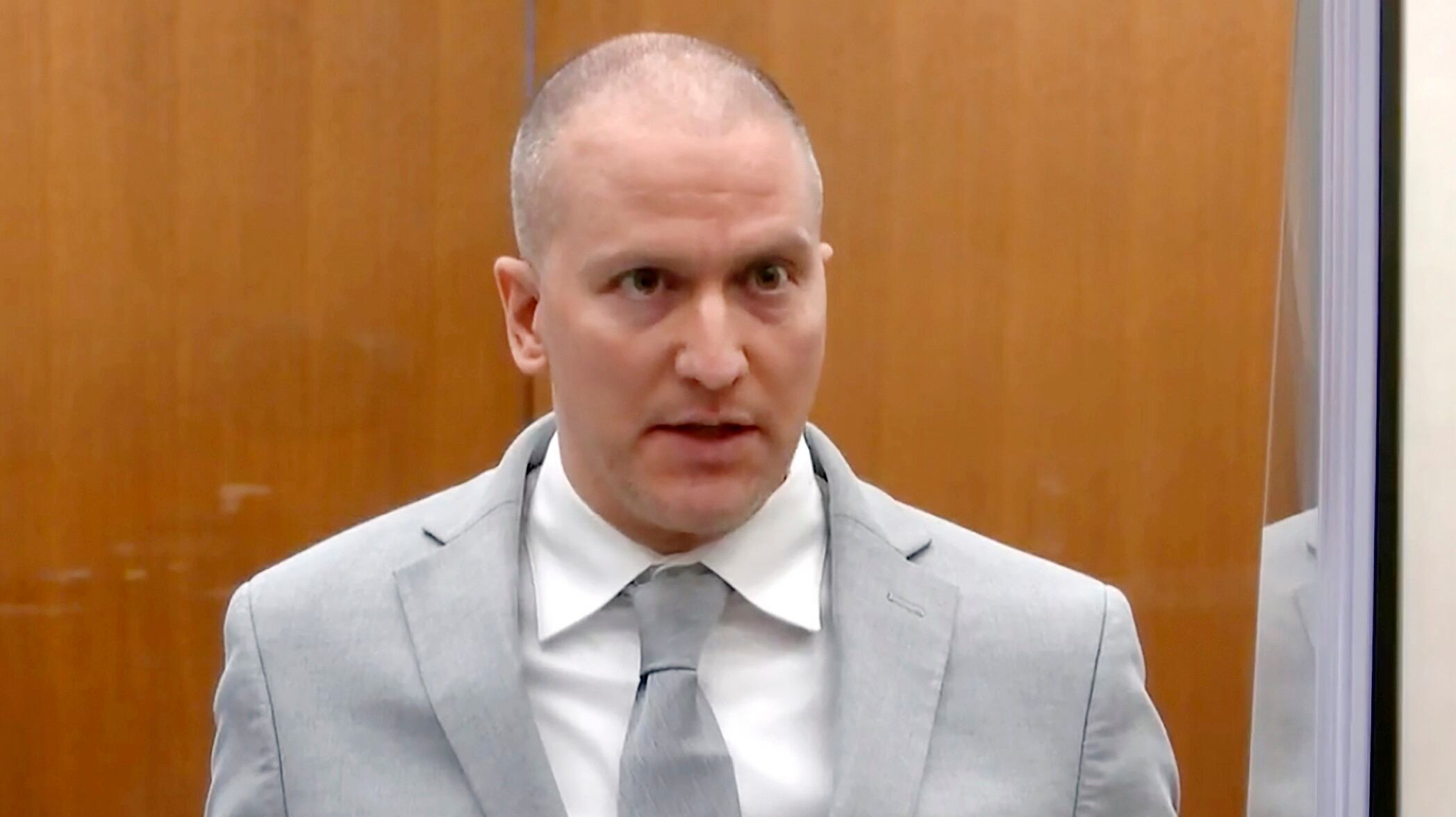
Former Minneapolis police Officer Derek Chauvin has pleaded guilty to a federal charge of violating George Floyd’s civil rights.
Congress has approved a $2.5 trillion debt limit hike, sending legislation to avert a catastrophic default to President Joe Biden for his signature.
Despite the hype and headlines earlier this year around meme stocks and Robinhood, the SEC and FINRA have made few concrete changes around retail investing.
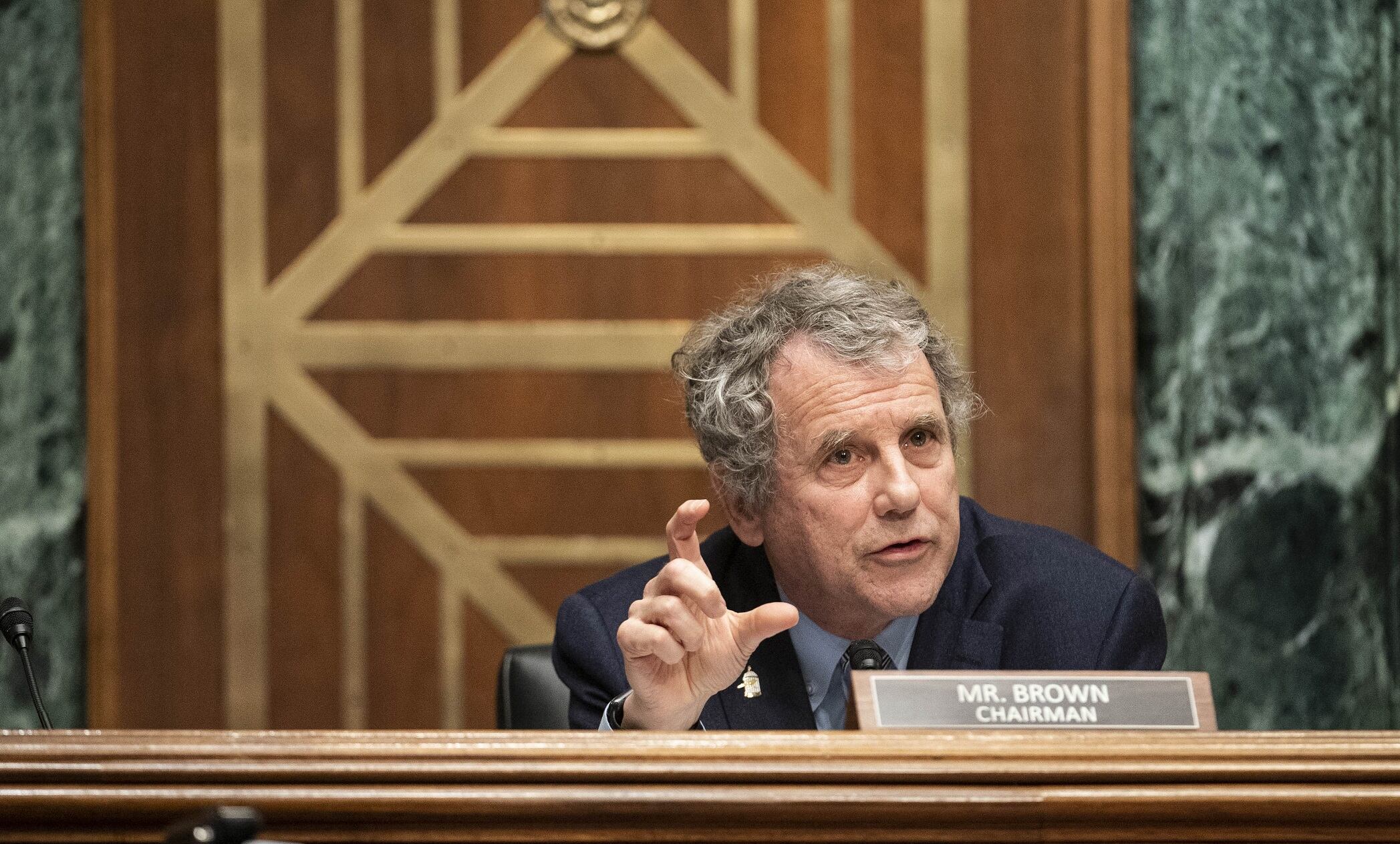
The Senate Committee on Banking, Housing and Urban Affairs held a hotly debated hearing regarding fiat-backed stablecoins on Tuesday that still led to a conclusion the space needed some form of regulation.
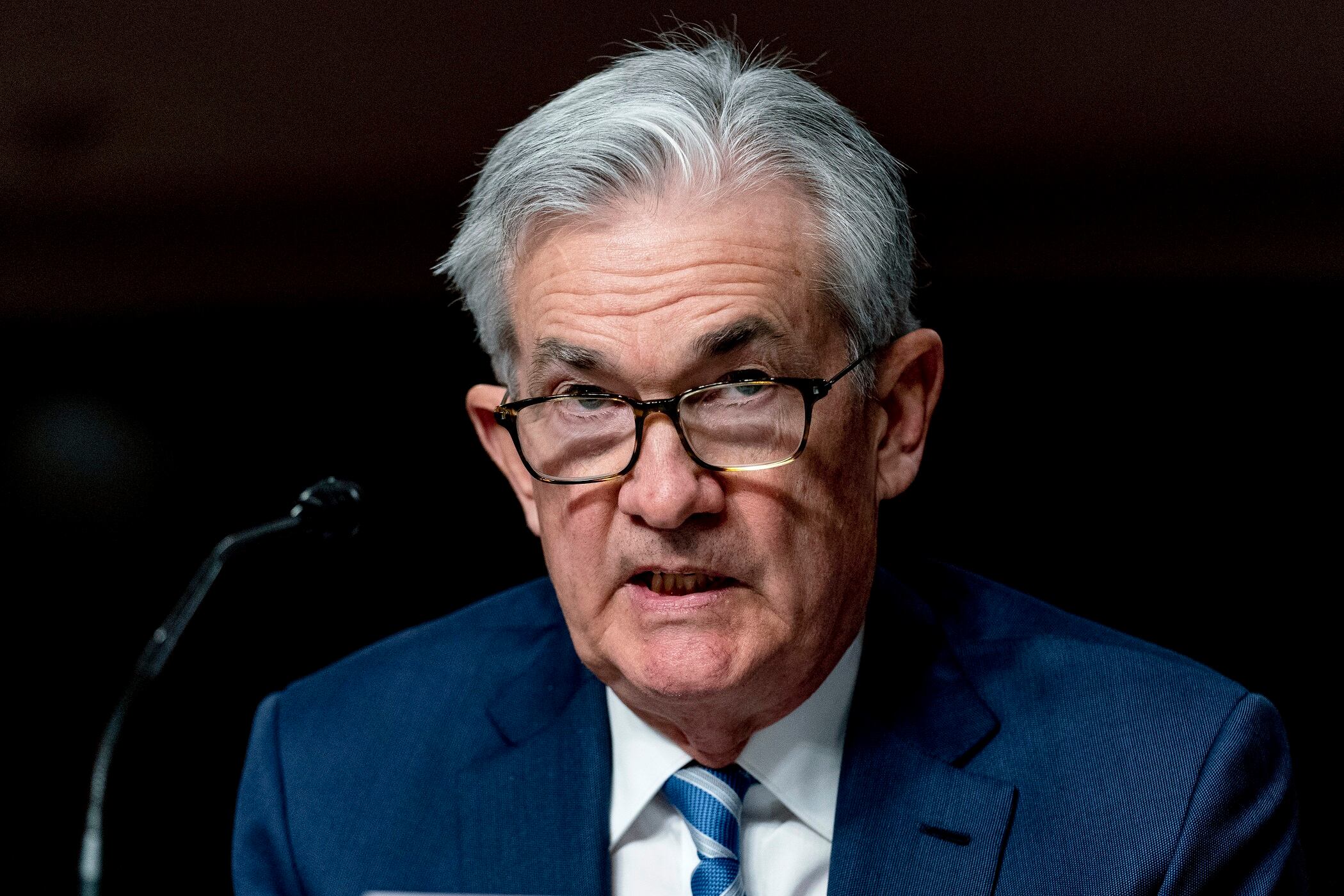
Under Chair Jerome Powell, the Federal Reserve is poised this week to execute a sharp turn toward tighter interest-rate policies with inflation accelerating and unemployment falling faster than expected.
Cheddar has been covering the biggest news of the week with some of the biggest names in the biz. In case you missed it, we've pulled together some of the highlights that will keep you informed as we get ready for the week ahead.
Prices were up 6.8 percent year-over-year In November, according to the latest consumer price index from the U.S. Bureau of Labor Statistics.
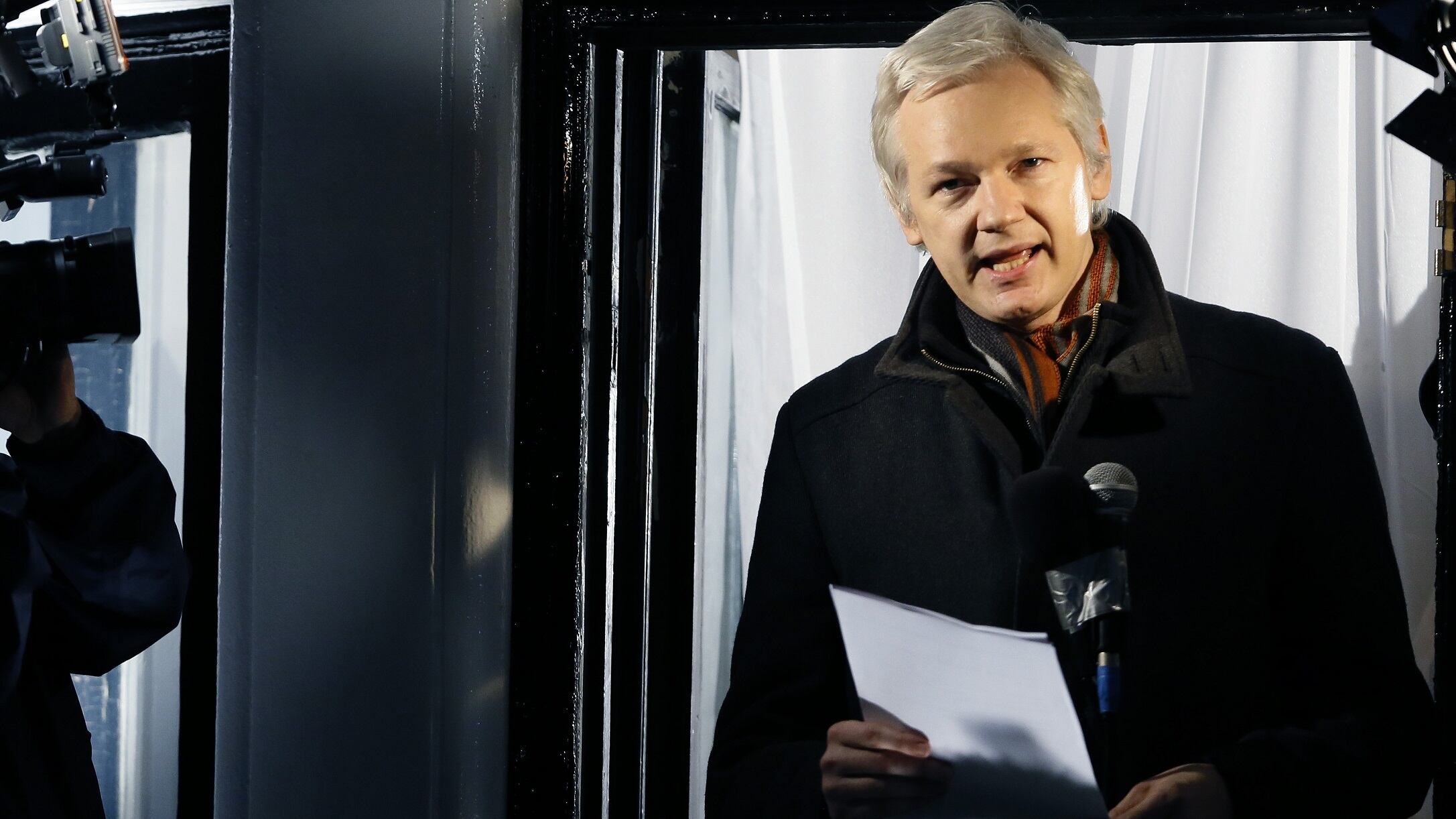
A British appellate court opened the door Friday for Julian Assange to be extradited to the United States by overturning a lower court's decision that the WikiLeaks founder's mental health was too fragile to withstand the American criminal justice system.
New Zealand’s government believes it has come up with a unique plan to end tobacco smoking — a lifetime ban for those aged 14 or younger.
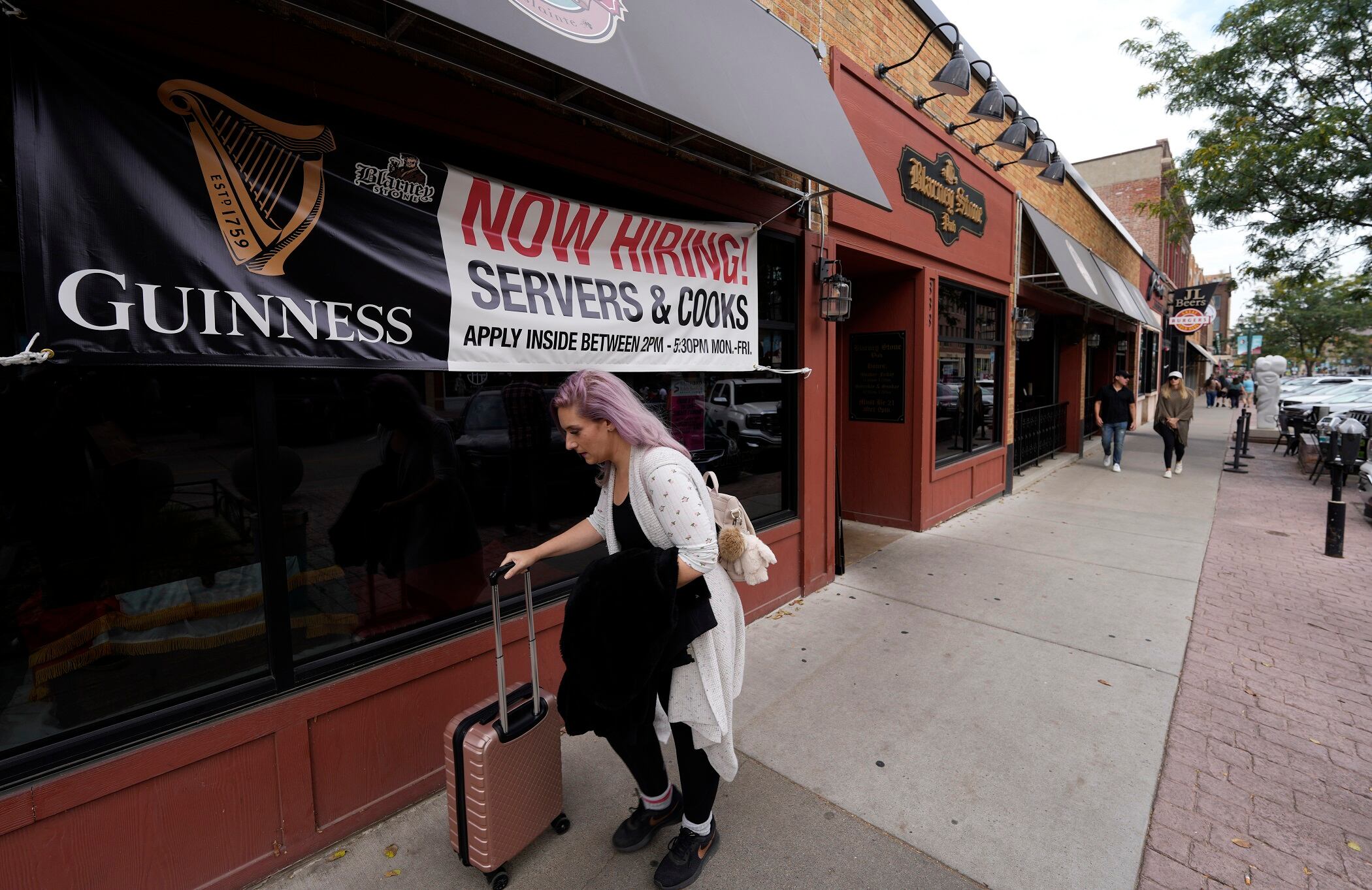
The number of Americans applying for unemployment benefits plunged last week to the lowest level in 52 years, more evidence that the U.S. job market is recovering from last year’s coronavirus recession.