President Donald Trump’s attempt to create U.S. jobs by taxing solar panel imports could backfire.
That’s according to the CEO of the Solar Energy Industries Association trade group, who says it’s domestic workers that will feel the pain.
“We have been the fastest growing form of new energy...and this is putting the brakes on that crazy growth,” Abigail Ross Hopper told Cheddar in an interview. “These are not people who are looking for what nationality the company they work for is. They just want to feed their families and pay their mortgages. And those are the people whose jobs are at risk.”
Earlier this week President Trump signed a law that would impose a 30 percent tariff on imported solar panel and sells, a move the administration says will encourage domestic manufacturing.
But the SEIA says the vast majority of the 260,000 Americans employed in the industry work in peripheral industries like installation. Ross Hopper says the bill will result in 23,000 layoffs this year and delay or cancel billions of dollars of investment in the sector.
She also says it might dissuade U.S. consumers from going green.
“Most [businesses and consumers] want to choose solar because it saves them money,” she said. “This decision changes that calculus.”
For full interview [click here](https://cheddar.com/videos/solar-power-in-america).
Earlier today, Minnesota Republican Representative, Tom Emmer, introduced a bill that would prevent the Federal Reserve from issuing a central bank digital currency directly to American consumers. According to the Congressman from Minnesota, requiring Americans to open a fed account to access a digital currency, would "put the Fed on insidious path akin to China's digital authoritarianism." Rep. Tom Emmer joined Cheddar's None of The Above to discuss more.
Sixteen of the country's most prestigious universities have been hit with a lawsuit claiming those schools illegally conspired to eliminate competitive financial aid offers for students. Just some of the schools mentioned include Yale, Brown, Columbia, UPenn, and Cornell. Author of "Who Gets In and Why" and Professor of practice at Arizona State University, Jeff Selingo, joined Cheddar to discuss more.
Navient, a major student loan collecting company, agreed to cancel $1.7 billion in debt owed by more than 66,000 borrowers across the U.S. and pay over $140 million in other penalties to settle allegations of abusive lending practices.
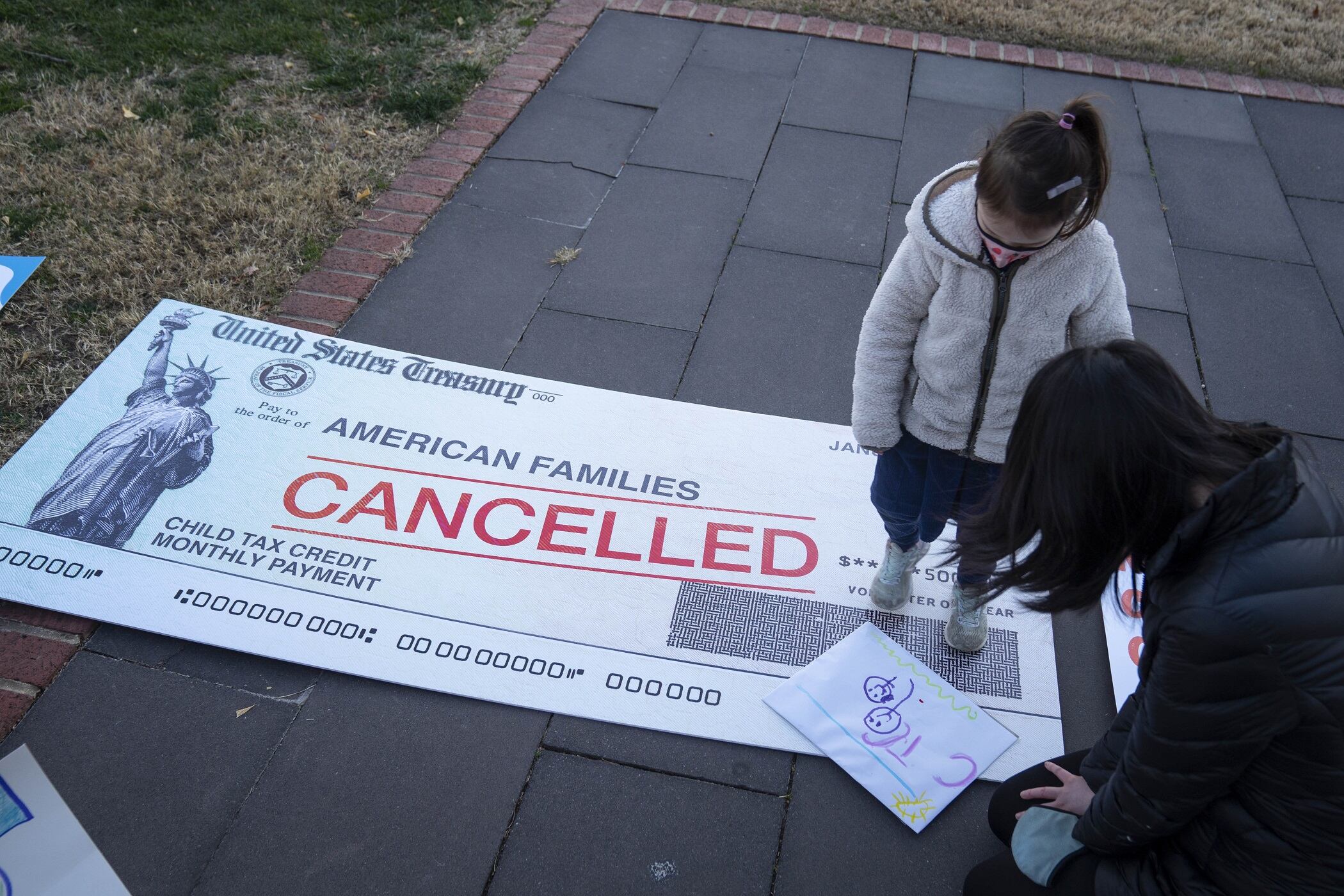
The recently expired child tax credit helped a wide swathe of families throughout the U.S. Megan Pratz looks into the impact the payments had, and how the end of the program will have a drastic effect on families that could still use the help with child care.
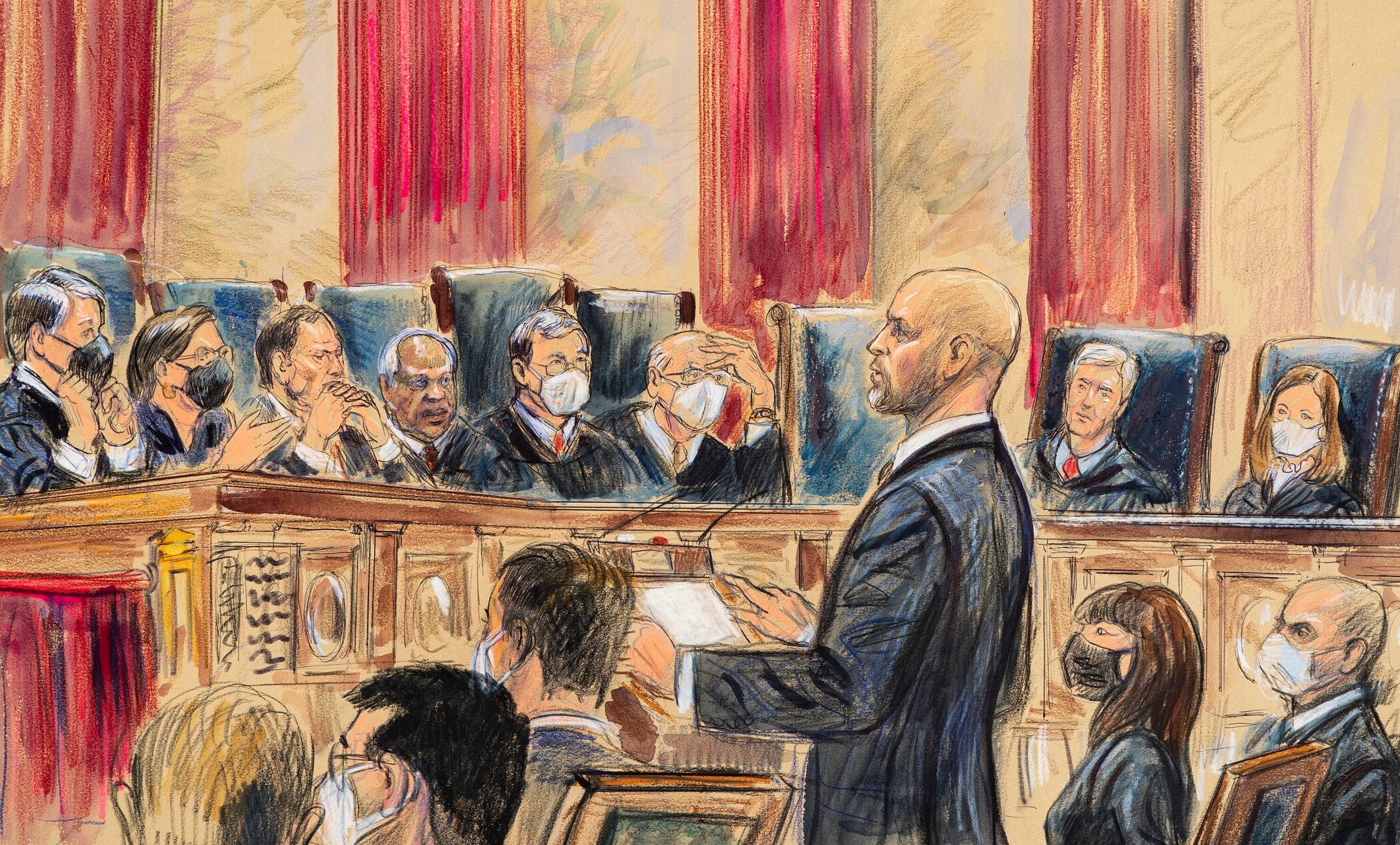
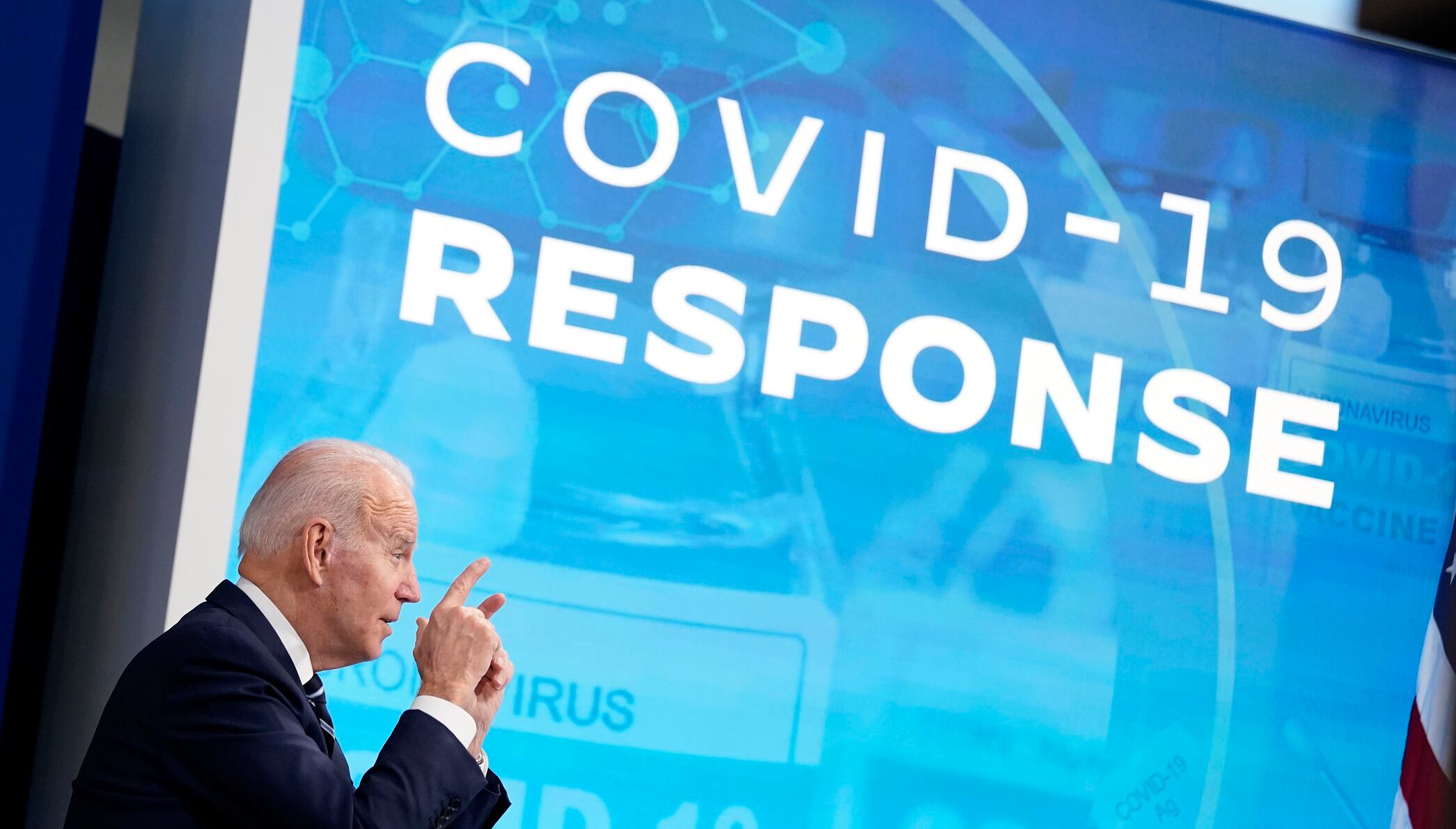
The Supreme Court has stopped the Biden administration from enforcing a requirement that employees at large businesses be vaccinated against COVID-19 or undergo weekly testing and wear a mask on the job.
Buckingham Palace says that Prince Andrew’s honorary military titles and royal patronages have been returned to Queen Elizabeth II with her “approval and agreement.”
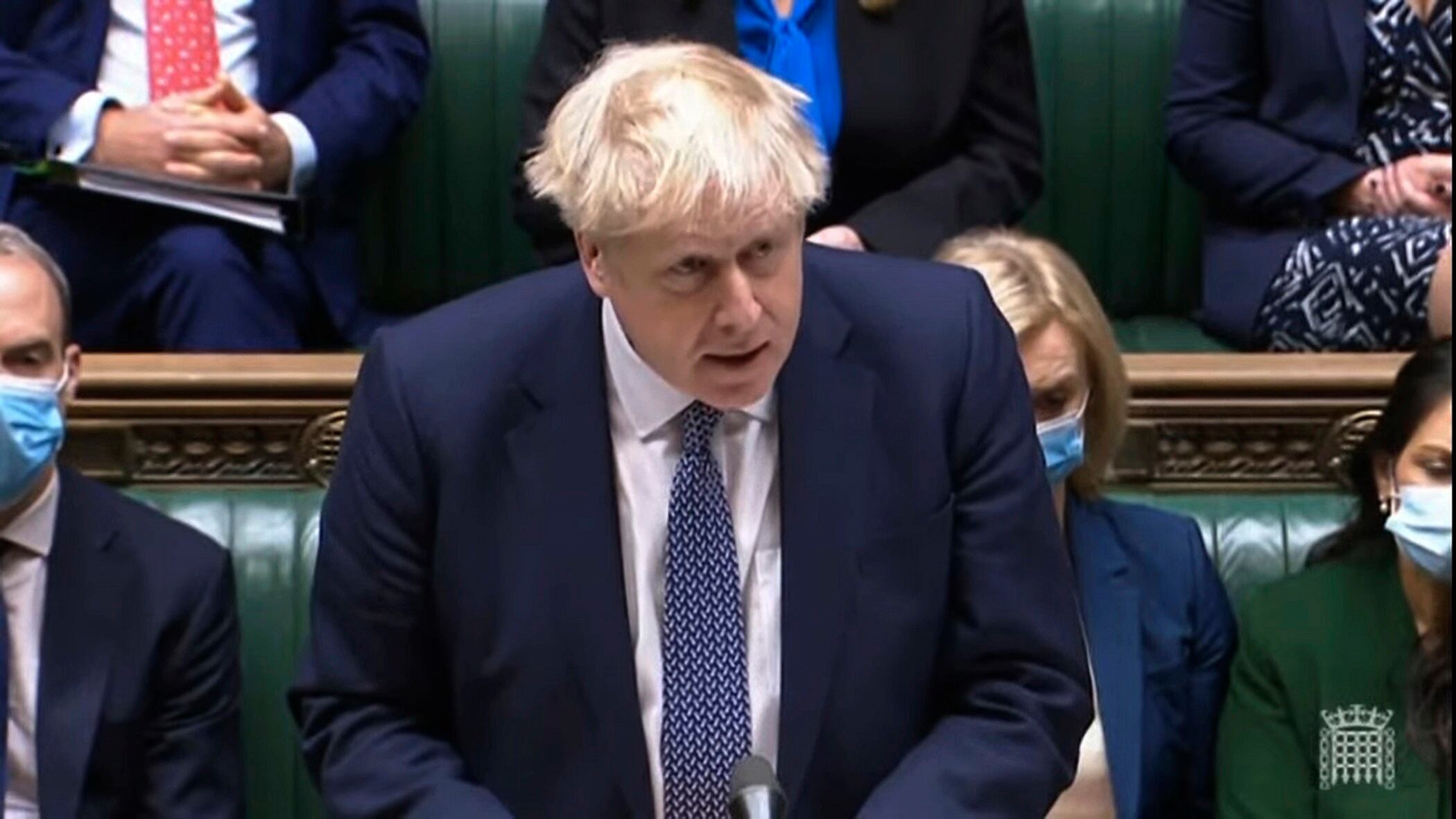
Prime Minister Boris Johnson has apologized for attending a garden party during Britain’s first coronavirus lockdown, but brushed aside opposition demands that he resign for breaching the rules his own government had imposed on the nation.
North Korea says leader Kim Jong Un oversaw a successful flight test of a hypersonic missile he claimed would remarkably increase the country’s “war deterrent.”