President Donald Trump’s attempt to create U.S. jobs by taxing solar panel imports could backfire.
That’s according to the CEO of the Solar Energy Industries Association trade group, who says it’s domestic workers that will feel the pain.
“We have been the fastest growing form of new energy...and this is putting the brakes on that crazy growth,” Abigail Ross Hopper told Cheddar in an interview. “These are not people who are looking for what nationality the company they work for is. They just want to feed their families and pay their mortgages. And those are the people whose jobs are at risk.”
Earlier this week President Trump signed a law that would impose a 30 percent tariff on imported solar panel and sells, a move the administration says will encourage domestic manufacturing.
But the SEIA says the vast majority of the 260,000 Americans employed in the industry work in peripheral industries like installation. Ross Hopper says the bill will result in 23,000 layoffs this year and delay or cancel billions of dollars of investment in the sector.
She also says it might dissuade U.S. consumers from going green.
“Most [businesses and consumers] want to choose solar because it saves them money,” she said. “This decision changes that calculus.”
For full interview [click here](https://cheddar.com/videos/solar-power-in-america).
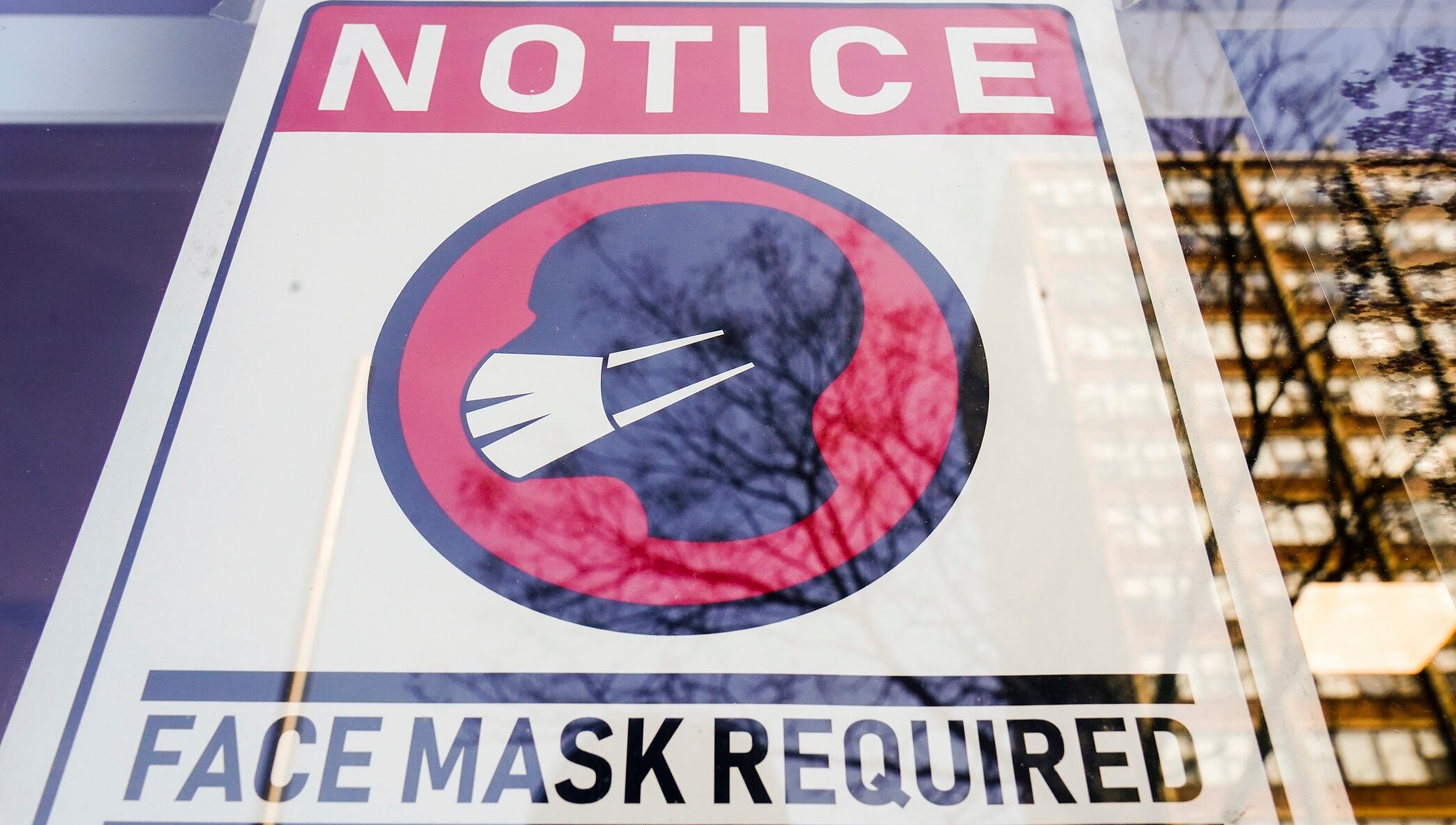
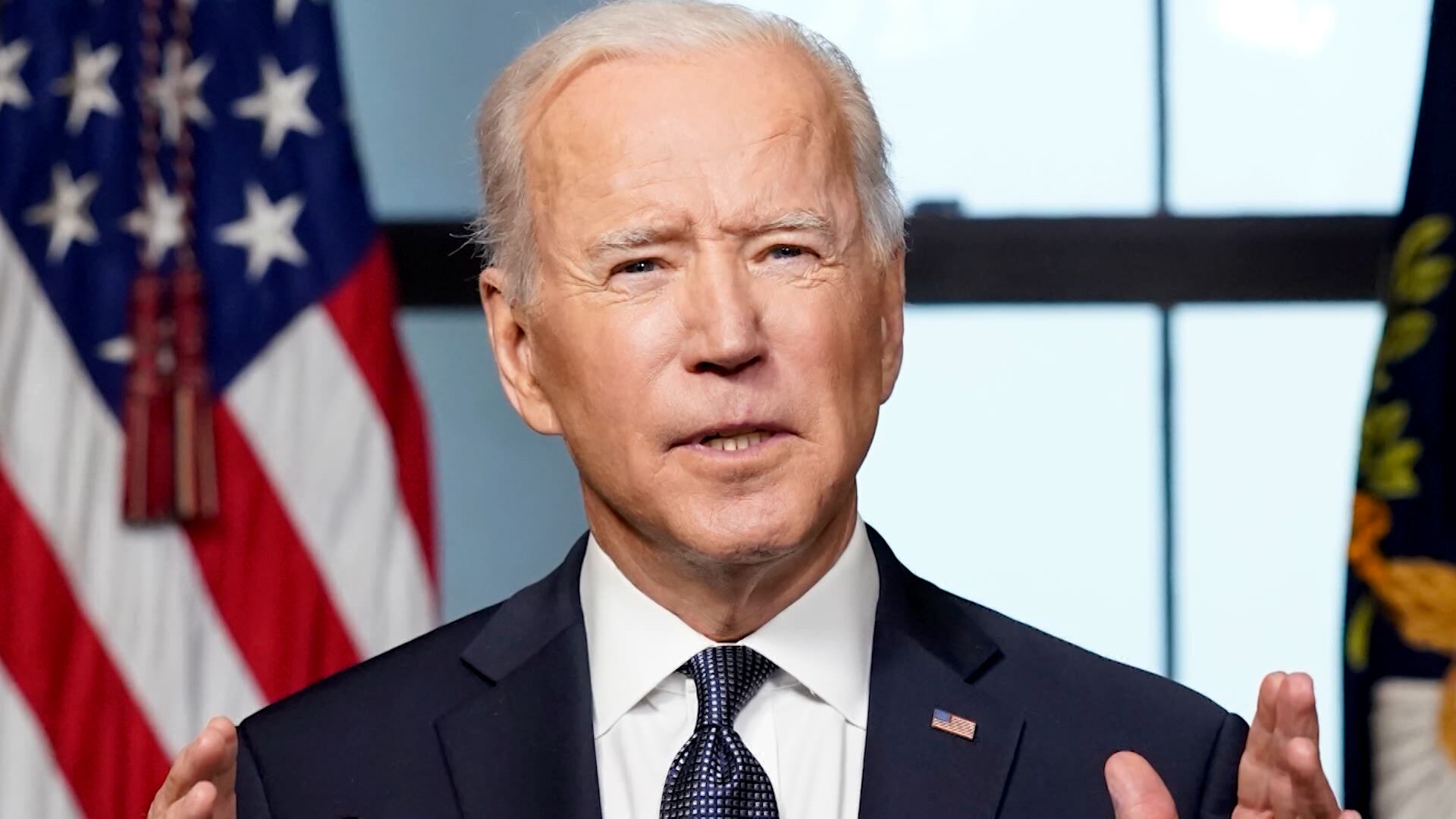
The Biden administration will significantly loosen federal mask-wearing guidelines to protect against COVID-19 transmission on Friday, according to two people familiar with the matter.
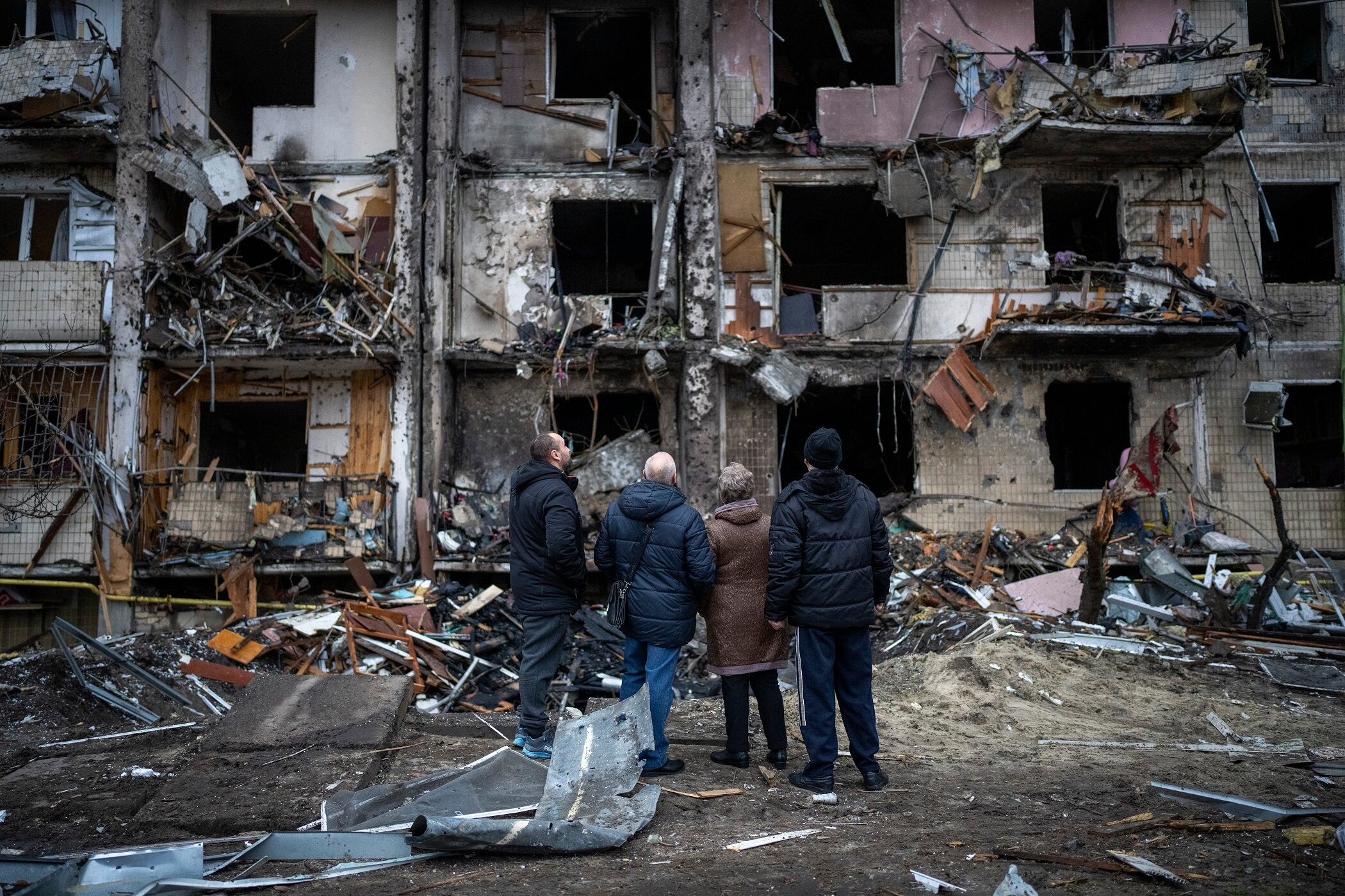
Russian President Vladimir Putin openly invaded the neighboring country of Ukraine on Thursday following weeks of overtures and discussions on keeping an incursion from happening. David Salvo, the deputy director for the Alliance for Securing Democracy, joined Cheddar to go into the Russian leader's motivations. "What I'm sure he understands is that his invasion of Ukraine in 2014 probably ended the discussion of Ukraine joining NATO, even if publicly we won't admit that, that's just the reality. And I'm sure that President Putin understands that," he said, noting that Putin could be using the taking of Ukraine territory as leverage to gain more security concessions from the West.
Following Russia's incursion into Ukraine, the U.S. is warning businesses and major banks to brace themselves for cyberattacks. Lester Munson, a senior fellow at the National Security Institute, joined Cheddar News to break down what this means for financial institutions “So we need to be concerned about not just intentional Russian hacks against American entities but also what Russia is doing in Ukraine. Those things can impact us as well," he said
After weeks of talks and posturing in hopes of staving off an attack, Russia invaded Ukraine on Thursday, an incident that has already impacted the global economy, including the U.S.. Jason McMann, head of geopolitical risk analysis for Morning Consult, joined Cheddar’s Closing Bell to break down what investors might do to prepare themselves as the crisis continues. "I think there are a few things that we have our eye on over at Morning Consult that could cause the situation to become a bit more severe or unstable as far as market outcomes would be concerned," McMann said. "One of those things would be if the U.S. and the EU kind of moved in concerted fashion to block Russia from the SWIFT transaction system. So, I would say that's one thing that would be worth keeping an eye on."
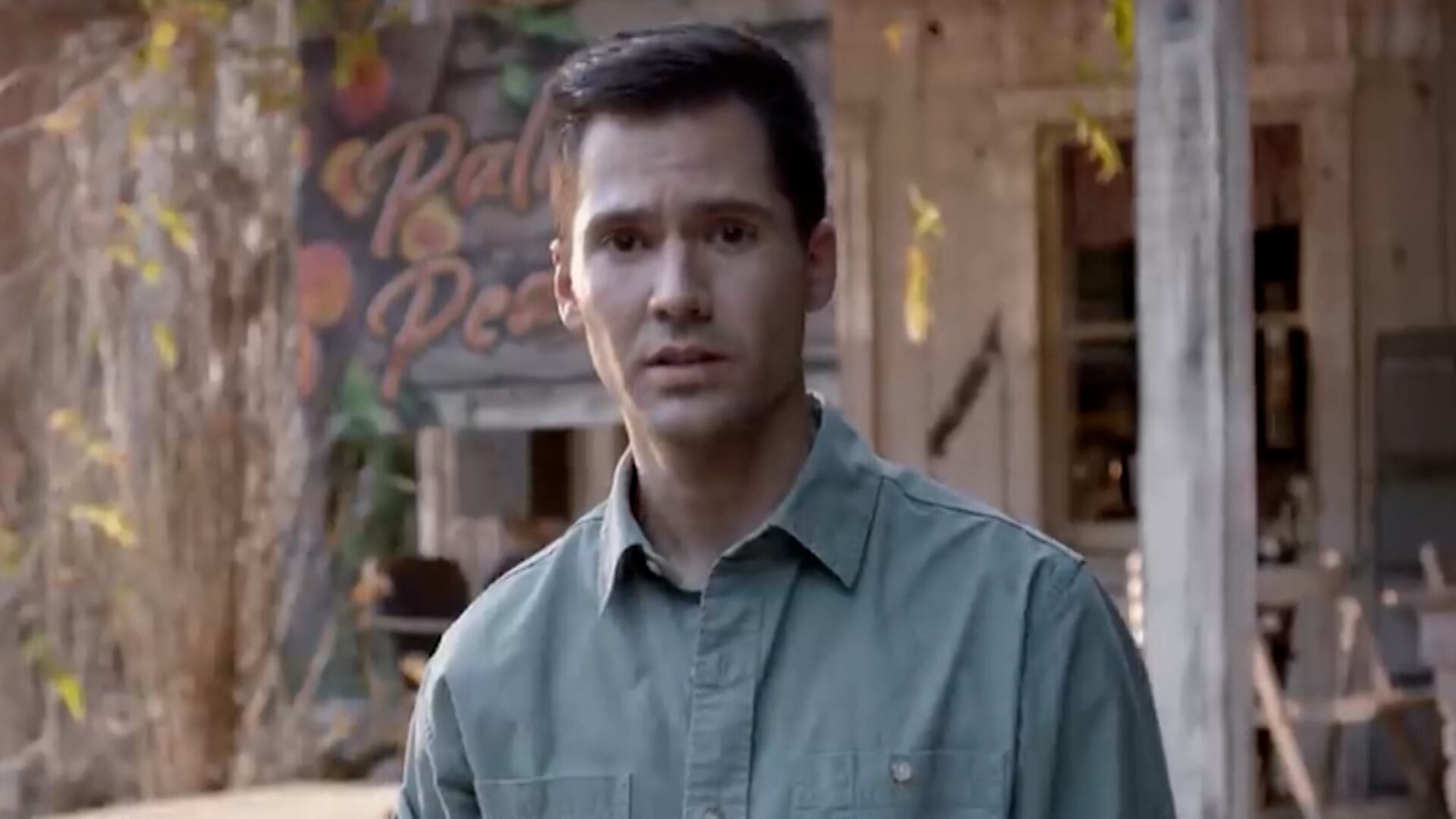
Alex Walker, candidate for Colorado's 3rd Congressional District, joins Cheddar News to discuss why he's running against Lauren Boebert and the inspiration behind his viral campaign ad.
Lisa Hagen, politics reporter for U.S. News and World Report, joins Cheddar News to preview what to expect from President Biden's State of the Union Address on March 1.