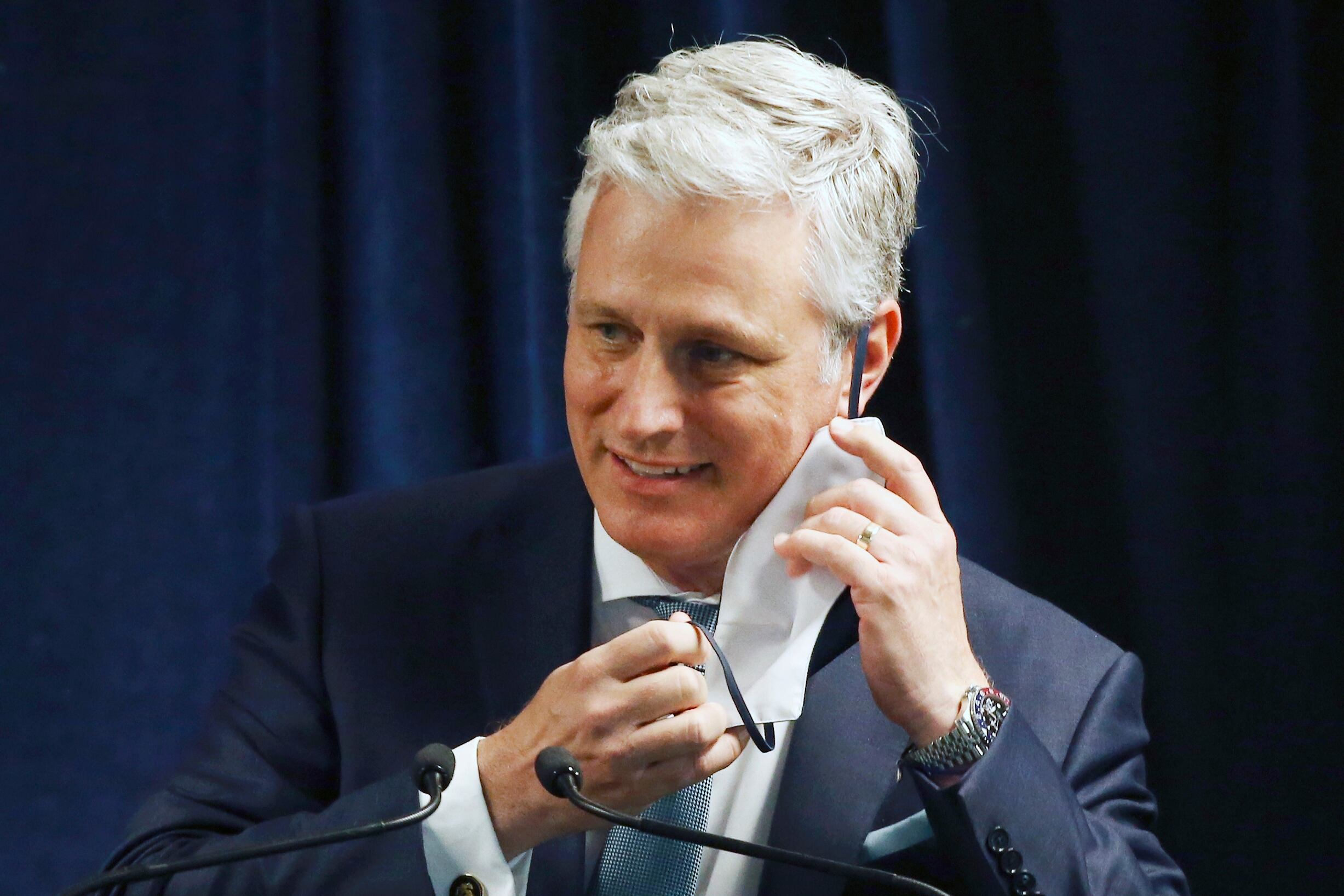
In this June 24, 2020 file photo, Robert O'Brien, assistant to the president for national security affairs, removes a face covering prior to speaking during a news conference in Phoenix. O’Brien has tested positive for the coronavirus. He’s the highest-ranking White House official to test positive so far. (AP Photo/Ross D. Franklin)
By Zeke Miller and Jill Colvin
Updated 12:32 pm ET
President Donald Trump's National Security Adviser Robert O'Brien has tested positive for the coronavirus — making him the highest-ranking official to test positive so far.
That's according to two people familiar with the situation who spoke on condition of anonymity because they weren't authorized to discuss it by name. The White House confirmed that O'Brien has mild symptoms and "has been self-isolating and working from a secure location off site."
Officials did not respond to questions about the last time the president and O'Brien had contact, but the White House insisted that, "There is no risk of exposure to the President or the Vice President" and that the "work of the National Security Council continues uninterrupted."
White House economic adviser Larry Kudlow told reporters Monday morning that O'Brien's daughter also has the virus, and that is how they think he was exposed.
O'Brien is the highest-ranking White House official known to have contracted the virus and the first since May when a personal valet to the president and the vice president's press secretary tested positive for the virus that has now infected more than 4 million people nationwide. Numerous U.S. Secret Service agents and Trump campaign staffers have also tested positive, including national finance chair Kimberly Guilfoyle, who is the girlfriend of Trump's oldest son, Donald Trump Jr.
Senior White House staff and anyone who comes into close contact with the president and vice president are tested for the virus daily, but mask-wearing remains lax across the White House complex.
Trump, who has long dismissed the severity of the virus and claimed wrongly earlier this month that "99 percent" of cases are "totally harmless," said in a recent interview on Fox News Channel that he had personally "lost five people, probably six, actually, as of this moment, I think, pretty soon" to the virus.
O'Brien is Trump's fourth national security adviser, having been named in September to replace John Bolton, who was ousted over policy disagreements and went on to write a scathing tell-all book about his time at the White House. The national security adviser oversees the National Security Council and is the administration's point person on national security issues.
O'Brien had previously served as Trump's top hostage negotiator and successfully worked for the release of several Americans, including pastor Andrew Brunson, who spent two years in a Turkish prison. Since taking on his new role, O'Brien has worked to establish an amiable relationship with the president, who has been drawn to O'Brien's low-key California vibe and style.
The Republican lawyer, who also worked in the administrations of George W. Bush and Barack Obama, is generally seen as a jovial presence, frequently stopping by to chat with reporters traveling aboard Air Force One.
The news about O'Brien's positive test was first reported by Bloomberg News.
Associated Press writer Jonathan Lemire contributed to this report.
2021 saw markets continue to be impacted by the onslaught of the coronavirus pandemic -most recently in the form of the Omicron variant- in addition to the global supply chain shortage, and increased inflation. But it wasn't all bad news, as crypto soared throughout the year, and meme stocks continued to have a moment. With the year coming to a close, investors are keeping an eye out to see if they should expect more of the same in the new year. Chris Vecchio, Senior Analyst, at DailyFX tells us what market trends to be on the watch for in 2022.
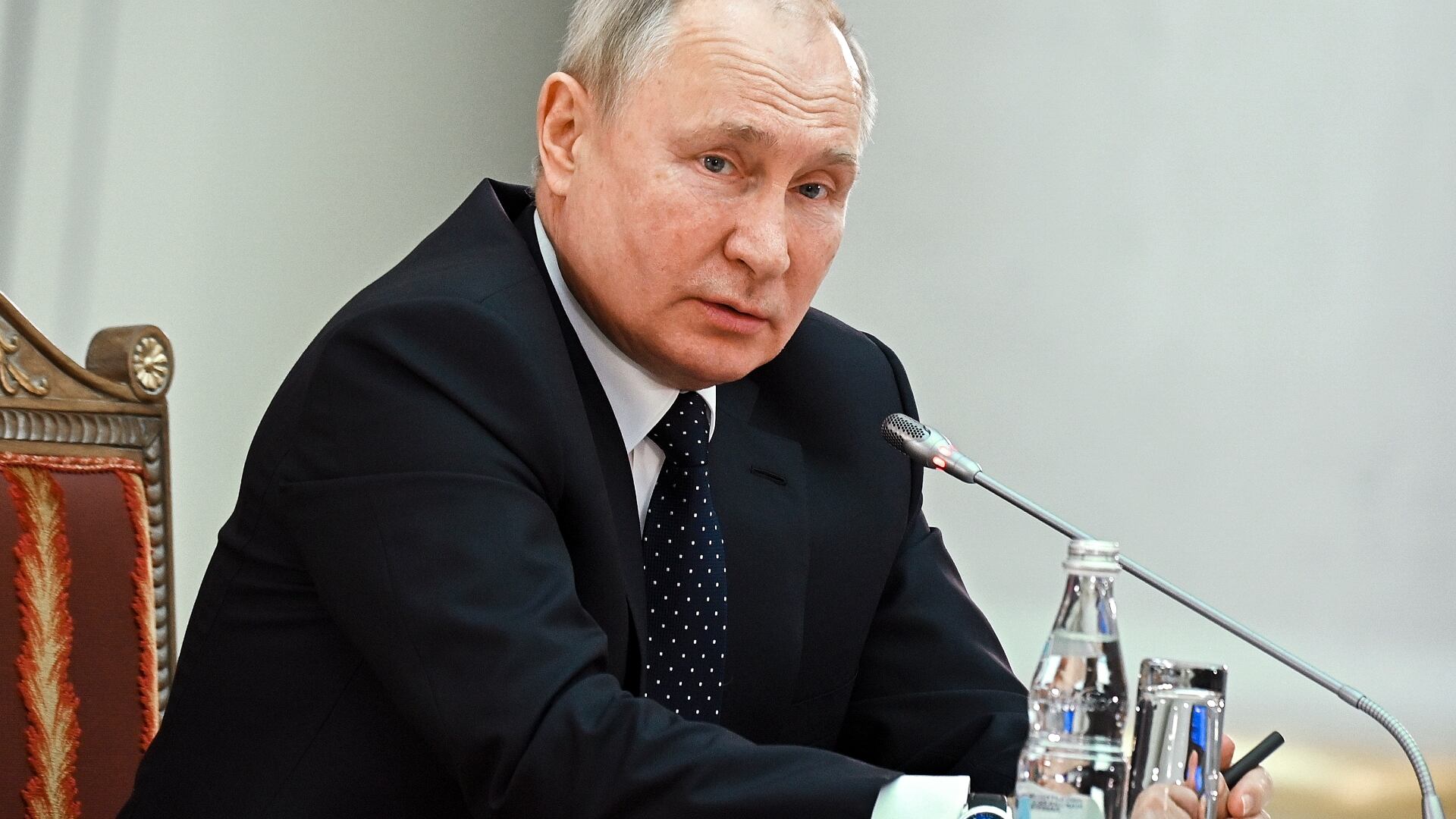
Matt Hayden, vice president of govtech solutions at Exiger and a former assistant secretary of cyber at Department of Homeland Security, joined Cheddar to discuss the surprise phone call initiated by Russian President Vladimir Putin to President Joe Biden, ahead of January security talks about the rising tensions over Ukraine. "We're hoping to hear that we're able to talk about the aggression and the leadup of the Ukrainian militarization," Hayden said. "But we're also looking to hear is how the Kremlin leveraged their talking points to try to test their negotiation stance with the United States leading into this January 10th meeting."
The No Surprises Act begins implementation on January 1, 2022. The legislation is meant to curb the practice of unexpected billing for care from providers the patient was unaware were out-of-network from their insurance. Patricia Kelmar, director of health care campaigns for U.S. PIRG joined Cheddar to describe the hundreds, sometimes thousands, of dollars charged to unsuspecting patients and how things will change under the new law. "If we are picking an in-network doctor and an in-network hospital, we should not see those added costs from anesthesiologists, radiologists, scrub-in surgeons," she said. "The other area it protects you is in air ambulances — not ground ambulances, unfortunately — but the helicopters or the airplanes you might need to transport you in an emergency situation."
President Joe Biden and Russian President Vladmir Putin are expected to have another conversation surrounding escalating tensions between Russia and Ukraine. Ariel Cohen, senior fellow at the Atlantic Council, joined Cheddar's Ken Buffa to discuss the ongoing tensions and why Putin's request for a conversation with Biden comes now. "This is very serious. This is the worst security crisis we had since the collapse of the Soviet Union," Cohen told Cheddar.
Stocks closed mixed on Wednesday, but two indexes - the Dow and the S&P 500 - ended the session with a new record. Akshata Bailkeri, Equity Analyst at Bruderman Asset Management, joins Cheddar News' Closing Bell, where she says there is a consensus for robust consumer spreading in 2022, especially as the Omicron variant is proving to be milder than other COVID-19 strains.