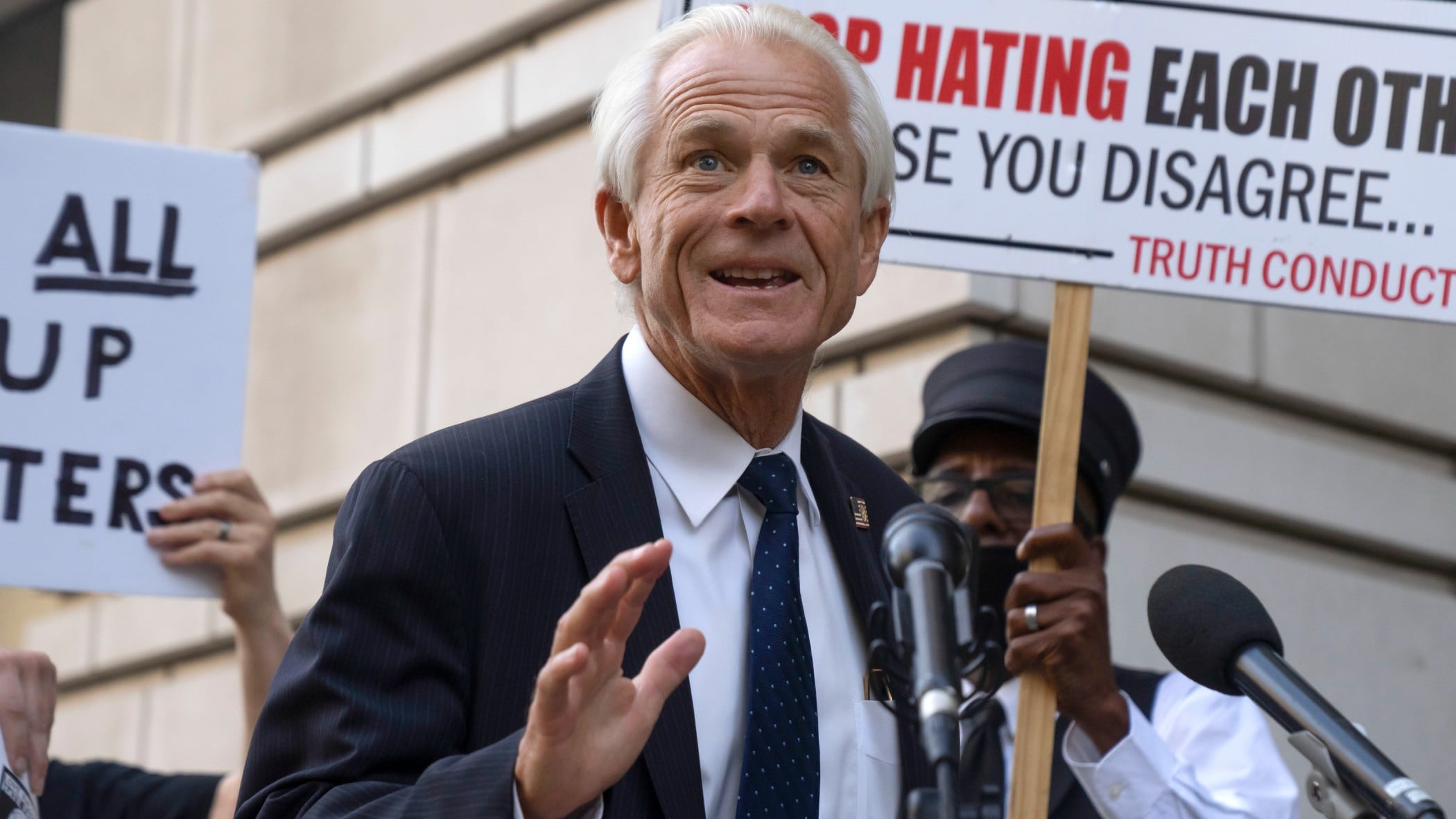
Former White House trade adviser Peter Navarro speaks to the media as he departs federal court, Tuesday, Sept. 5, 2023, in Washington. Navarro was convicted Thursday, Sept. 7, of contempt of Congress charges filed after he was accused of refusing to cooperate with a congressional investigation into the Jan. 6, 2021, attack on the U.S. Capitol. (AP Photo/Mark Schiefelbein, File)
By Lindsay Whitehurst
Trump White House official Peter Navarro was found guilty Thursday of contempt of Congress charges for refusing to cooperate with a congressional investigation into the Jan. 6, 2021, attack on the U.S. Capitol.
The verdict came after a short trial for Navarro, who served as a White House trade adviser under President Donald Trump and later promoted the Republican’s baseless claims of mass voter fraud in the 2020 election he lost.
Navarro was the second Trump aide to face contempt of Congress charges after former White House adviser Steve Bannon. Bannon was convicted of two counts and was sentenced to four months behind bars, though he has been free pending appeal.
Navarro vowed to appeal the verdict, saying the “die was cast” after a judge ruled that he couldn't fight the charges by arguing he couldn't cooperate with the committee because Trump had invoked executive privilege.
U.S. District Judge Amit Mehta found that Navarro didn't have enough evidence to show Trump had invoked it.
“This is a landmark case that’s bound for the Supreme Court,” Navarro said. Defense attorney John Rowley echoed that, saying “this case is not over by a long shot.”
Mehta scheduled Navarro's sentencing for Jan. 12. Navarro was convicted in Washington's federal courthouse of two misdemeanor counts of contempt of Congress, both punishable by up to a year behind bars.
The verdict came after a four-hour jury deliberation. After it was read, defense attorney Stanley Woodward moved for a mistrial, saying that the jurors had taken an outdoor break near where protesters and media regularly gather outside the courthouse and came back with a verdict shortly after. Mehta did not immediately rule, but said he would consider written arguments on the issue.
Prosecutors argued at trial that Navarro acted as if he were “above the law” when he defied a subpoena for documents and a deposition from the House Jan. 6 committee.
A defense attorney countered that Navarro didn’t purposely ignore the House Jan. 6 Committee. Navarro instead told staffers to contact Trump about what might be protected by executive privilege, something that didn’t happen, Woodward said.
Prosecutors, though, argued that even if Trump had invoked executive privilege, Navarro should have handed over what material he could and flagged any questions or documents believed to be protected. They said much of the material the committee sought was already publicly available.
“Peter Navarro made a choice. He chose not abide by the congressional subpoena,” prosecutor Elizabeth Aloi said. “The defendant chose allegiance to former President Donald Trump over compliance to the subpoena.”
Barred from relying on the executive privilege argument at trial, the defense argued that Navarro had not acted “willfully” or only out of loyalty to Trump.
“Do we know that his failure to comply beyond reasonable doubt wasn’t the result of accident, inadvertence or mistake?” Woodward said.
The House Jan. 6 committee finished its work in January, after a final report that said Trump criminally engaged in a “multi-part conspiracy” to overturn the lawful results of the 2020 election and failed to act to stop a mob of his supporters from attacking the Capitol.
Trump, meanwhile, faces a federal indictment in Washington, D.C., and a state indictment in Georgia over his efforts to overturn his 2020 election loss to Joe Biden, a Democrat. He has denied wrongdoing and has said he was acting within the law.
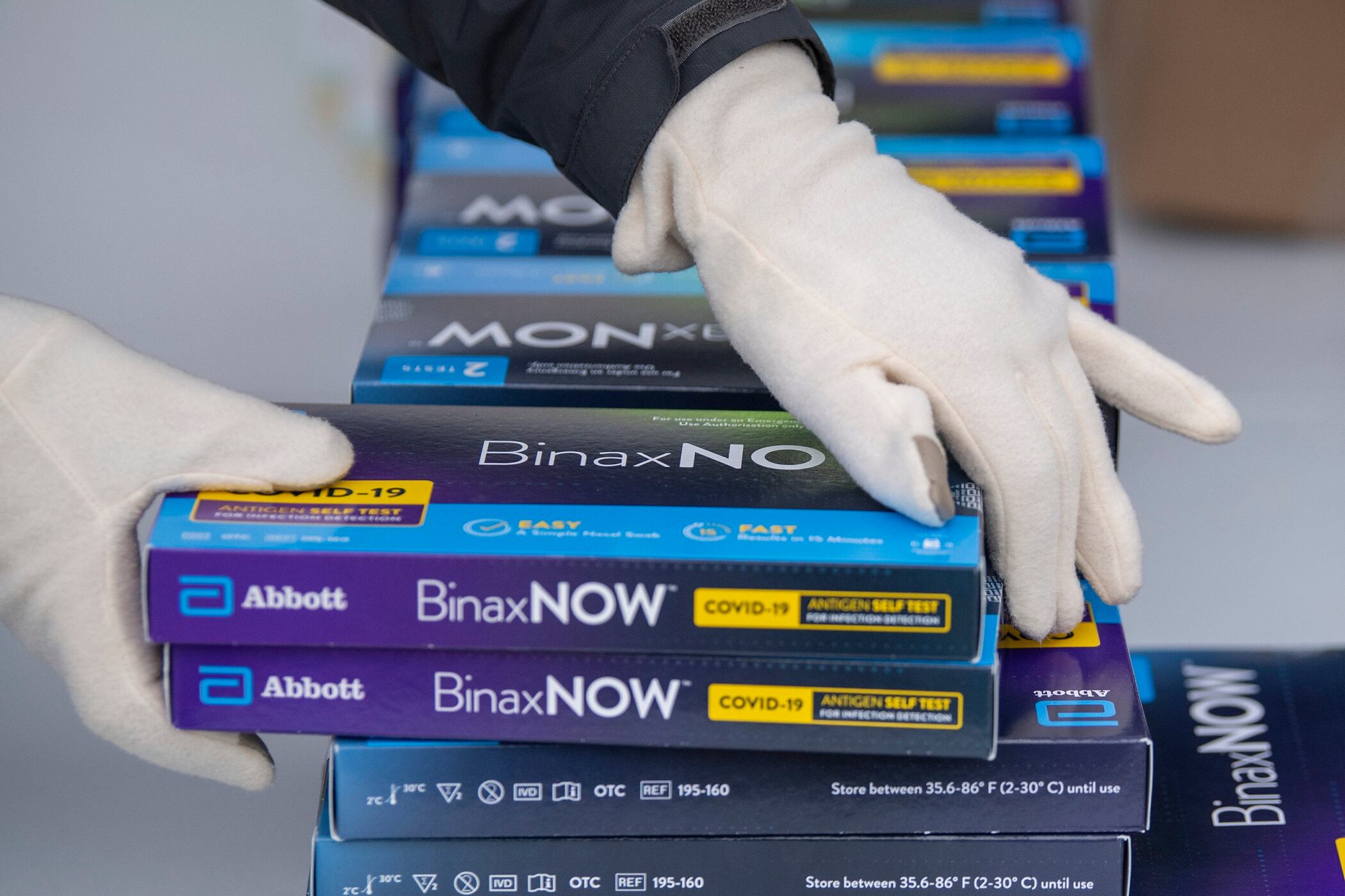
The Biden administration on Tuesday quietly launched its website for Americans to request free at-home COVID-19 tests, a day before the site was scheduled to officially launch.
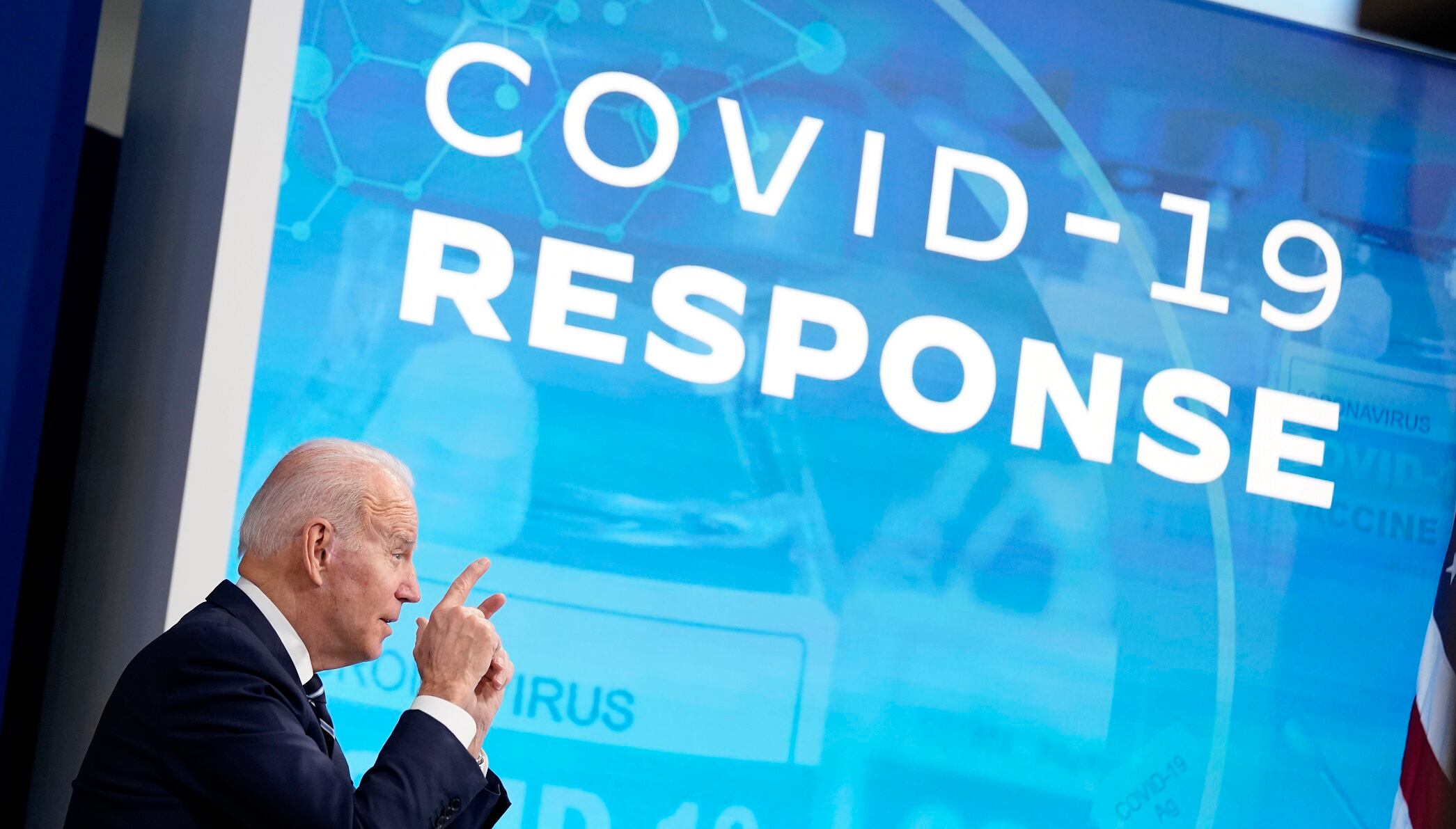
Just 27% of voters aged 18-29 approve of the job Biden is doing as president, according to a survey from The Economist and YouGov late last year. Santiago Mayer, executive director of Voters of Tomorrow, joins Cheddar Politics to discuss why President Biden is losing support among young voters.
Jesse Lehrich, co-founder of Accountable Tech, joins Cheddar News to discuss it being one year since Trump was exiled from social media and the former President's new platform 'Truth Social.'
Cliff Albright, co-founder of the group Black Voters Matter, joins Cheddar Politics to discuss why he boycotted President Biden's voting rights speech this week, and the push from Senate Democrats to debate and vote on the Freedom to Vote Act and the John Lewis Voting Rights Advancement Act.
Senator Jon Ossoff (D-Ga.) has teamed up with fellow Democratic senator and former astronaut Mark Kelly to introduce the Ban Congressional Stock Trading Act, a bill to essentially end stock trading by sitting lawmakers. From the other side of the aisle, Senator Josh Hawley (R-Mo.) introduced his own legislation to enact something similar. The dueling bills come at a time when it's popular to constrain members of Congress from owning and trading stocks. Karl Evers-Hillstrom, a business and lobbying reporter at The Hill, spoke to Cheddar about the significance of the bills, and what they could mean for lawmakers, their families, and staffers moving forward.
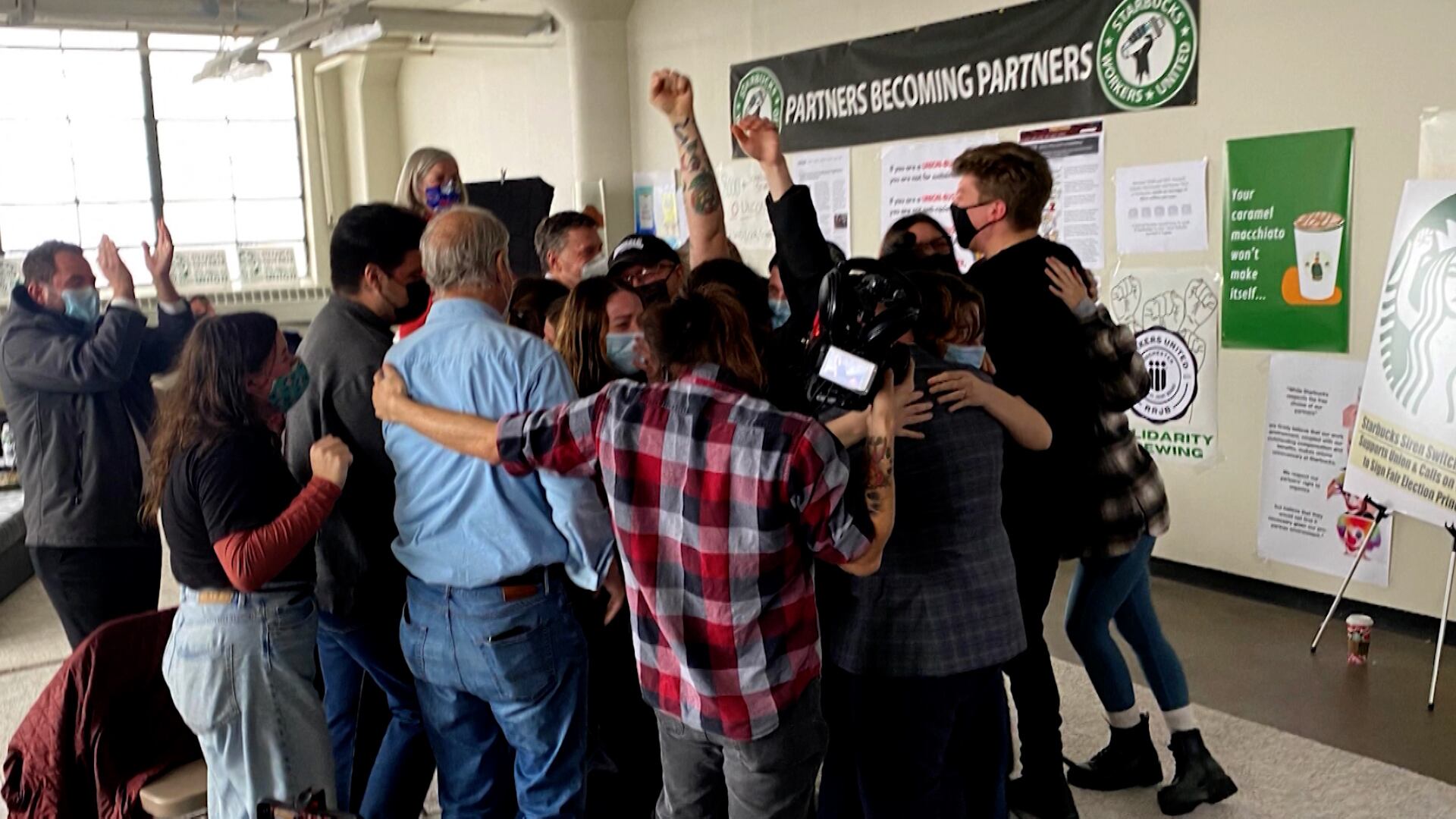
A second Starbucks location in the U.S. has officially voted to unionize. On Monday, the National Labor Relations Board announced workers at the Starbucks store located in the Buffalo, NY suburb of Cheektowaga voted 15-9 in favor of being represented by Workers United, an affiliate of the Service Employees International Union. The New York Times reports votes were tallied in December but remained inconclusive as the union challenged the ballots of several employees it said did not work at the store. A Starbucks spokesperson has said that it may appeal the labor board's decision, which comes as several other Starbucks stores across the country are also pushing to form a union. Danka Dragic, shift supervisor for the second Starbucks store in the country to unionize, joined Cheddar News' Closing Bell to discuss.
Earlier today, Minnesota Republican Representative, Tom Emmer, introduced a bill that would prevent the Federal Reserve from issuing a central bank digital currency directly to American consumers. According to the Congressman from Minnesota, requiring Americans to open a fed account to access a digital currency, would "put the Fed on insidious path akin to China's digital authoritarianism." Rep. Tom Emmer joined Cheddar's None of The Above to discuss more.
Sixteen of the country's most prestigious universities have been hit with a lawsuit claiming those schools illegally conspired to eliminate competitive financial aid offers for students. Just some of the schools mentioned include Yale, Brown, Columbia, UPenn, and Cornell. Author of "Who Gets In and Why" and Professor of practice at Arizona State University, Jeff Selingo, joined Cheddar to discuss more.