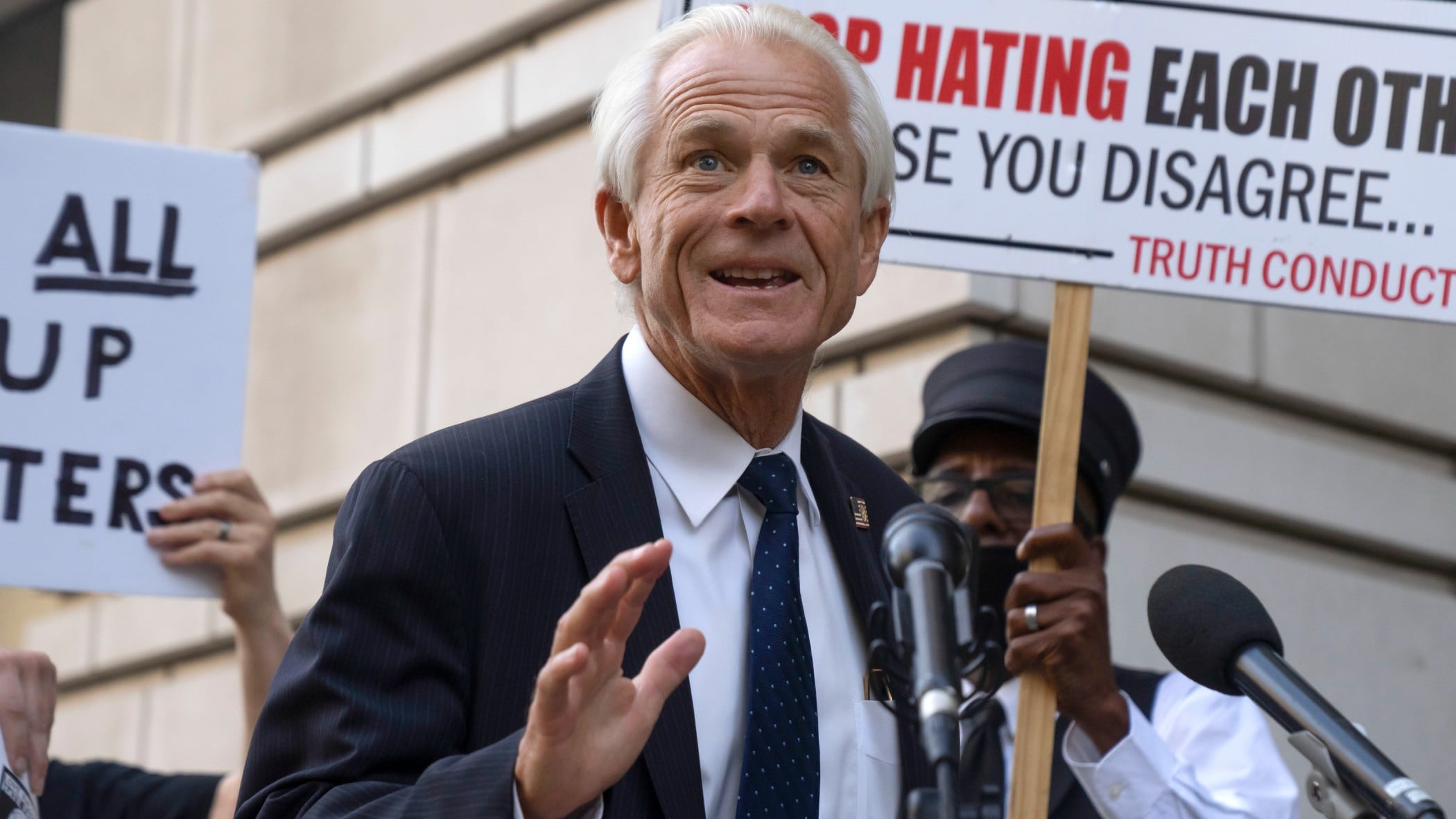
Former White House trade adviser Peter Navarro speaks to the media as he departs federal court, Tuesday, Sept. 5, 2023, in Washington. Navarro was convicted Thursday, Sept. 7, of contempt of Congress charges filed after he was accused of refusing to cooperate with a congressional investigation into the Jan. 6, 2021, attack on the U.S. Capitol. (AP Photo/Mark Schiefelbein, File)
By Lindsay Whitehurst
Trump White House official Peter Navarro was found guilty Thursday of contempt of Congress charges for refusing to cooperate with a congressional investigation into the Jan. 6, 2021, attack on the U.S. Capitol.
The verdict came after a short trial for Navarro, who served as a White House trade adviser under President Donald Trump and later promoted the Republican’s baseless claims of mass voter fraud in the 2020 election he lost.
Navarro was the second Trump aide to face contempt of Congress charges after former White House adviser Steve Bannon. Bannon was convicted of two counts and was sentenced to four months behind bars, though he has been free pending appeal.
Navarro vowed to appeal the verdict, saying the “die was cast” after a judge ruled that he couldn't fight the charges by arguing he couldn't cooperate with the committee because Trump had invoked executive privilege.
U.S. District Judge Amit Mehta found that Navarro didn't have enough evidence to show Trump had invoked it.
“This is a landmark case that’s bound for the Supreme Court,” Navarro said. Defense attorney John Rowley echoed that, saying “this case is not over by a long shot.”
Mehta scheduled Navarro's sentencing for Jan. 12. Navarro was convicted in Washington's federal courthouse of two misdemeanor counts of contempt of Congress, both punishable by up to a year behind bars.
The verdict came after a four-hour jury deliberation. After it was read, defense attorney Stanley Woodward moved for a mistrial, saying that the jurors had taken an outdoor break near where protesters and media regularly gather outside the courthouse and came back with a verdict shortly after. Mehta did not immediately rule, but said he would consider written arguments on the issue.
Prosecutors argued at trial that Navarro acted as if he were “above the law” when he defied a subpoena for documents and a deposition from the House Jan. 6 committee.
A defense attorney countered that Navarro didn’t purposely ignore the House Jan. 6 Committee. Navarro instead told staffers to contact Trump about what might be protected by executive privilege, something that didn’t happen, Woodward said.
Prosecutors, though, argued that even if Trump had invoked executive privilege, Navarro should have handed over what material he could and flagged any questions or documents believed to be protected. They said much of the material the committee sought was already publicly available.
“Peter Navarro made a choice. He chose not abide by the congressional subpoena,” prosecutor Elizabeth Aloi said. “The defendant chose allegiance to former President Donald Trump over compliance to the subpoena.”
Barred from relying on the executive privilege argument at trial, the defense argued that Navarro had not acted “willfully” or only out of loyalty to Trump.
“Do we know that his failure to comply beyond reasonable doubt wasn’t the result of accident, inadvertence or mistake?” Woodward said.
The House Jan. 6 committee finished its work in January, after a final report that said Trump criminally engaged in a “multi-part conspiracy” to overturn the lawful results of the 2020 election and failed to act to stop a mob of his supporters from attacking the Capitol.
Trump, meanwhile, faces a federal indictment in Washington, D.C., and a state indictment in Georgia over his efforts to overturn his 2020 election loss to Joe Biden, a Democrat. He has denied wrongdoing and has said he was acting within the law.
Stock trading app Robinhood already has been offering cryptocurrency investments but seems further excited about the asset class following President Biden's recent announcement of an executive order. Dan Gallagher, the chief legal and corporate affairs officer for Robinhood, joined Cheddar News to talk about the White House's tentative vision for digital currency. "I think this executive order firmly states that, yes, crypto is here to stay, which it talks about the important competitive issues around crypto and how the United States needs to be a leader, a global leader, in innovation and technology regarding crypto," he said. Gallagher also discussed having clarity around meme stocks going forward but worried about overregulation slowing down innovation.
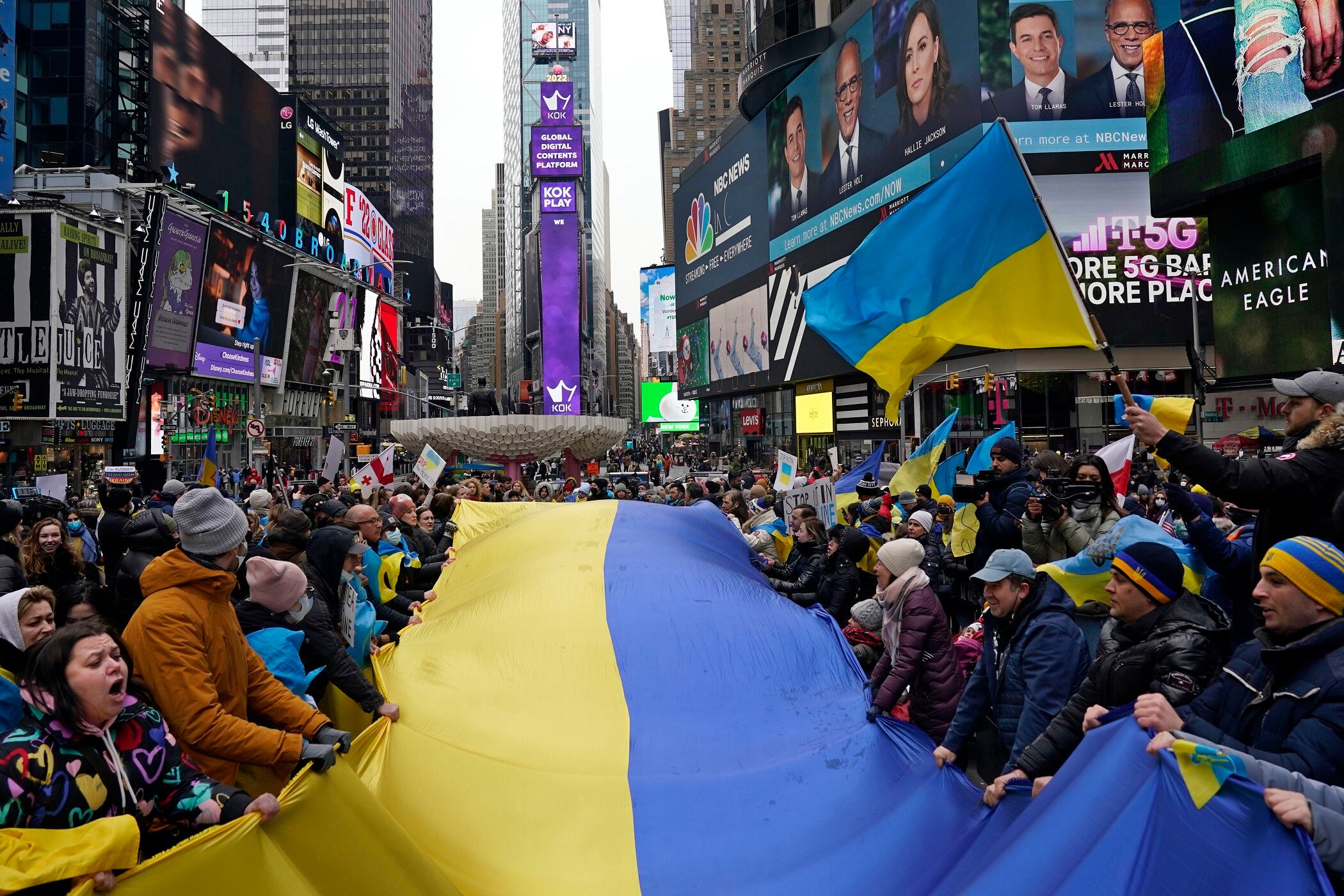
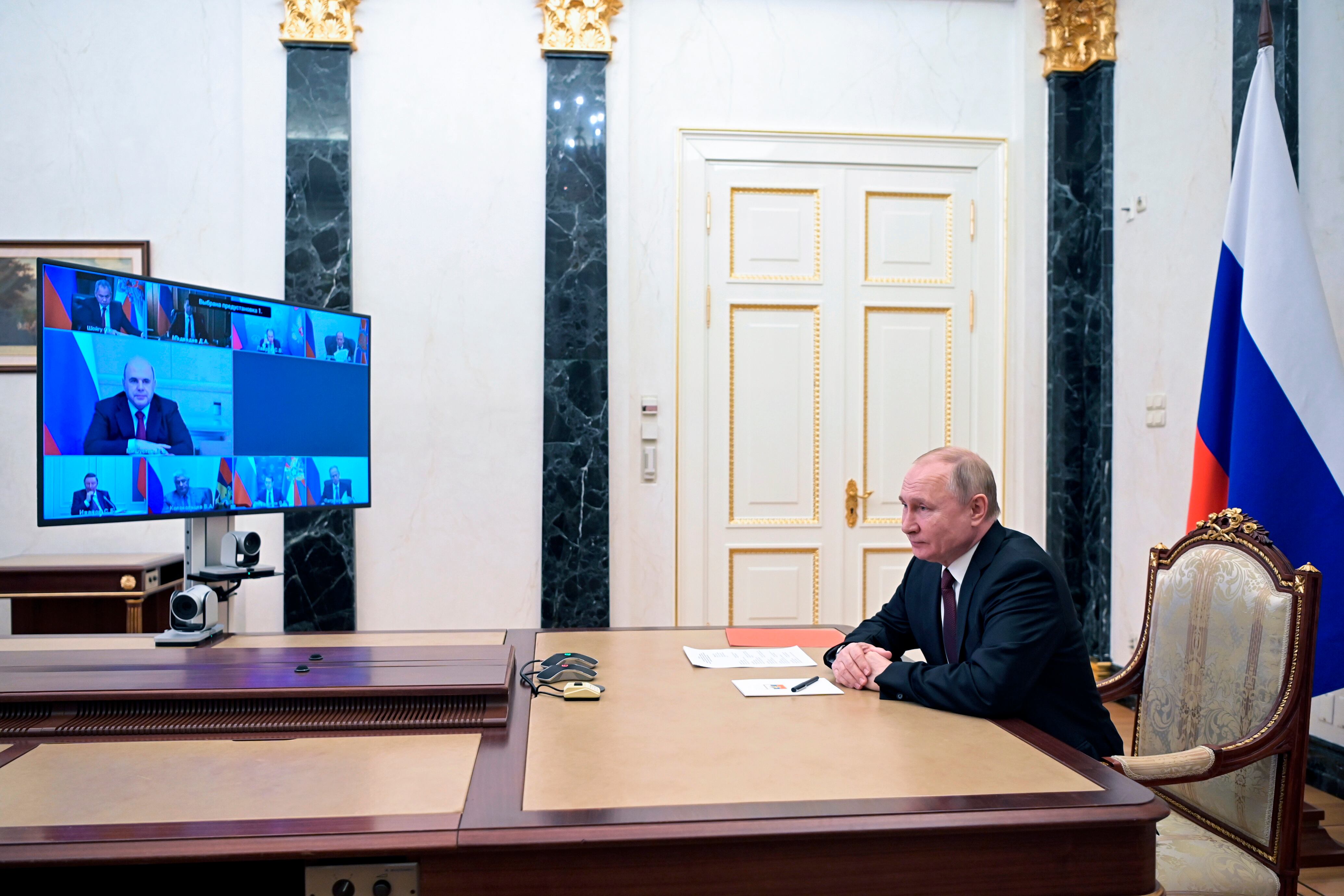
As Russia’s attack on Ukraine, the latest inflation report showed the consumer price index rose 7.9 percent — a 40-year high. Heather Boushey, a member of the White House Council of Economic Advisers, joined Cheddar News to discuss what American consumers might be in store for as prices keep rising. "Forecasters at this point believe that the American economy will be resilient," she said. "They’re still predicting that the unemployment rate will continue to be lower at the end of the year than it is today, and we are still seeing folks believe that over time prices will come back down." Boushey did note that it would be dependent on how long the current situation lasts.
Simon Shuster, TIME's Moscow correspondent joins Cheddar to discuss how Ukraine could become part of the EU and what it would mean for politics in Europe.
President Biden has banned imports of Russian oil to the U.S. in retaliation for its invasion of Ukraine. The president warned of higher prices at the gas pump, leading some analysts to think it could propel the transition to clean, renewable energy. Michael Jones, chairman and CEO of investment solutions company Caravel Concepts, discussed how the ban is hitting green energy stocks as gas prices continue to surge. "I think the 10-year prospects for renewables just got a whole lot better because ultimately this is going to force a transition into renewables," he said.
Amid ongoing tensions in the Russia-Ukraine region, many American travelers are nervous about traveling to Europe.
It comes at a time when international travel was set to make a comeback, but uncertainty surrounding the conflict may delay the overall recovery. Francesca Page, Travel Expert, joined Cheddar's Opening Bell to discuss.
Russia's invasion of Ukraine is coming for the global food supply. Ongoing tensions in the region are threatening the supply of various agricultural products including wheat, barley and corn. Vladik Rikhter, CEO & Cofounder of Zenput joined Cheddar's Opening Bell to discuss how this could impact food prices overseas.
Chris Natividad, CIO of EquBot, joins Cheddar News' Closing Bell, where he elaborates on what ultimately dragged the Dow, S&P, and Nasdaq lower on Tuesday and discusses how investors are reacting to rising oil prices and February CPI data coming out later this week.
Adam Johnson, Portfolio Manager at Adviser Investments, joins Cheddar News' Closing Bell, where he explains why he believes we saw markets jump during Wednesday's session, and adds that investors have already priced in 'every possible kind of bad news we could have.'
Jennifer Klein, the White House Gender Policy Council's co-chair and executive director, spoke to Cheddar News about the economic impact of the pandemic showing the need for a group like the Gender Policy Council, and the need to address issues that have affected women the most,