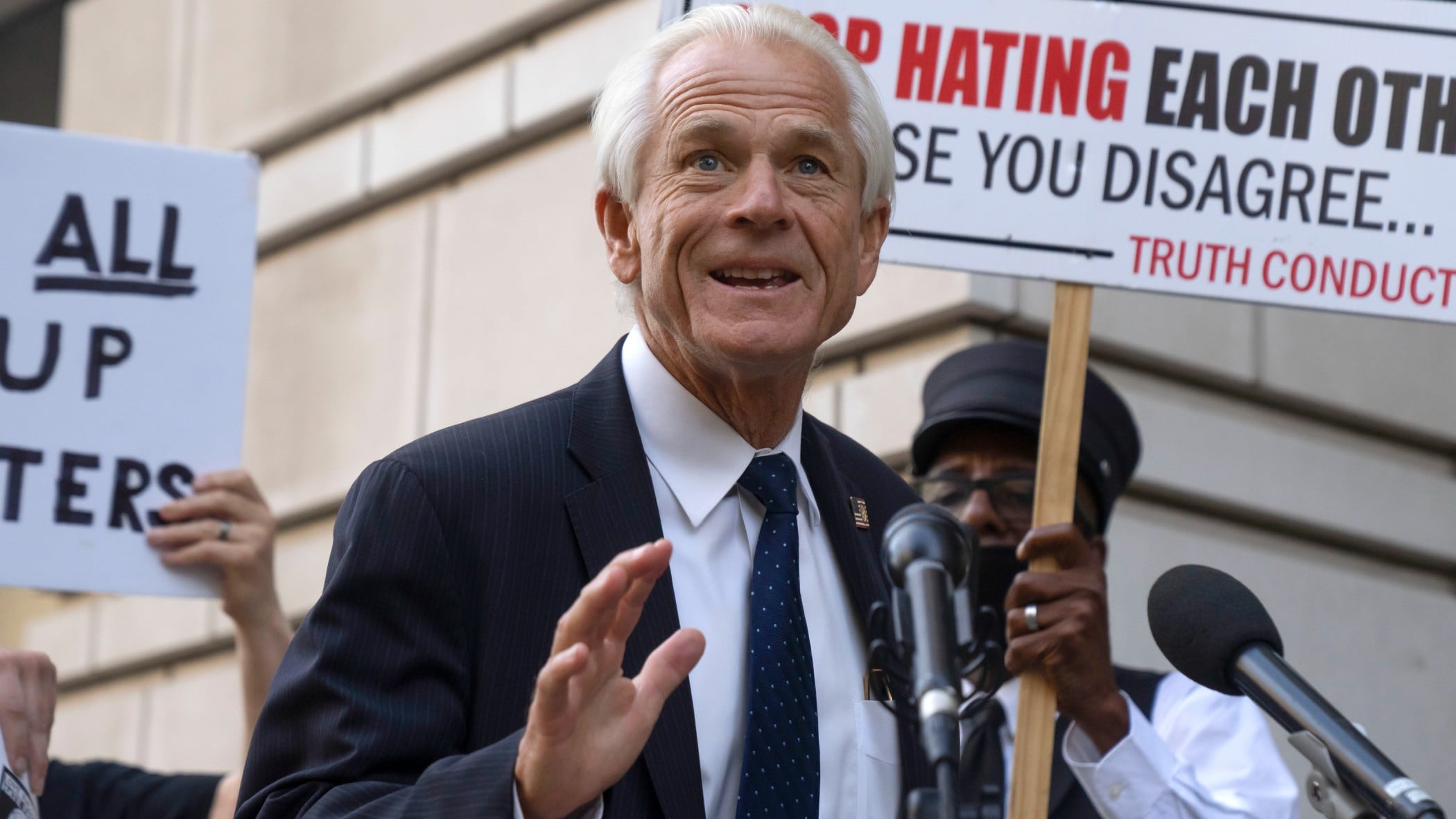
Former White House trade adviser Peter Navarro speaks to the media as he departs federal court, Tuesday, Sept. 5, 2023, in Washington. Navarro was convicted Thursday, Sept. 7, of contempt of Congress charges filed after he was accused of refusing to cooperate with a congressional investigation into the Jan. 6, 2021, attack on the U.S. Capitol. (AP Photo/Mark Schiefelbein, File)
By Lindsay Whitehurst
Trump White House official Peter Navarro was found guilty Thursday of contempt of Congress charges for refusing to cooperate with a congressional investigation into the Jan. 6, 2021, attack on the U.S. Capitol.
The verdict came after a short trial for Navarro, who served as a White House trade adviser under President Donald Trump and later promoted the Republican’s baseless claims of mass voter fraud in the 2020 election he lost.
Navarro was the second Trump aide to face contempt of Congress charges after former White House adviser Steve Bannon. Bannon was convicted of two counts and was sentenced to four months behind bars, though he has been free pending appeal.
Navarro vowed to appeal the verdict, saying the “die was cast” after a judge ruled that he couldn't fight the charges by arguing he couldn't cooperate with the committee because Trump had invoked executive privilege.
U.S. District Judge Amit Mehta found that Navarro didn't have enough evidence to show Trump had invoked it.
“This is a landmark case that’s bound for the Supreme Court,” Navarro said. Defense attorney John Rowley echoed that, saying “this case is not over by a long shot.”
Mehta scheduled Navarro's sentencing for Jan. 12. Navarro was convicted in Washington's federal courthouse of two misdemeanor counts of contempt of Congress, both punishable by up to a year behind bars.
The verdict came after a four-hour jury deliberation. After it was read, defense attorney Stanley Woodward moved for a mistrial, saying that the jurors had taken an outdoor break near where protesters and media regularly gather outside the courthouse and came back with a verdict shortly after. Mehta did not immediately rule, but said he would consider written arguments on the issue.
Prosecutors argued at trial that Navarro acted as if he were “above the law” when he defied a subpoena for documents and a deposition from the House Jan. 6 committee.
A defense attorney countered that Navarro didn’t purposely ignore the House Jan. 6 Committee. Navarro instead told staffers to contact Trump about what might be protected by executive privilege, something that didn’t happen, Woodward said.
Prosecutors, though, argued that even if Trump had invoked executive privilege, Navarro should have handed over what material he could and flagged any questions or documents believed to be protected. They said much of the material the committee sought was already publicly available.
“Peter Navarro made a choice. He chose not abide by the congressional subpoena,” prosecutor Elizabeth Aloi said. “The defendant chose allegiance to former President Donald Trump over compliance to the subpoena.”
Barred from relying on the executive privilege argument at trial, the defense argued that Navarro had not acted “willfully” or only out of loyalty to Trump.
“Do we know that his failure to comply beyond reasonable doubt wasn’t the result of accident, inadvertence or mistake?” Woodward said.
The House Jan. 6 committee finished its work in January, after a final report that said Trump criminally engaged in a “multi-part conspiracy” to overturn the lawful results of the 2020 election and failed to act to stop a mob of his supporters from attacking the Capitol.
Trump, meanwhile, faces a federal indictment in Washington, D.C., and a state indictment in Georgia over his efforts to overturn his 2020 election loss to Joe Biden, a Democrat. He has denied wrongdoing and has said he was acting within the law.
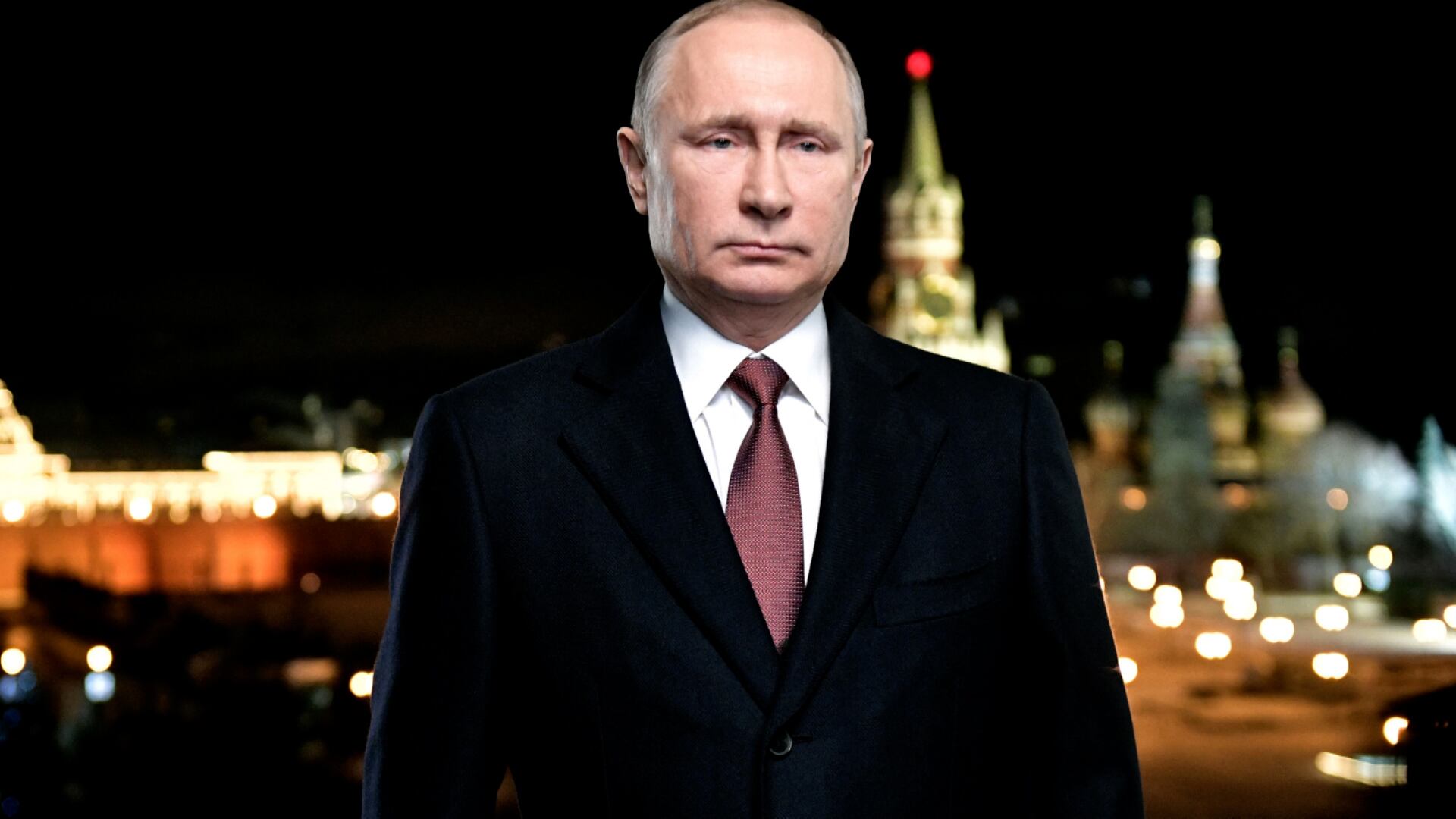
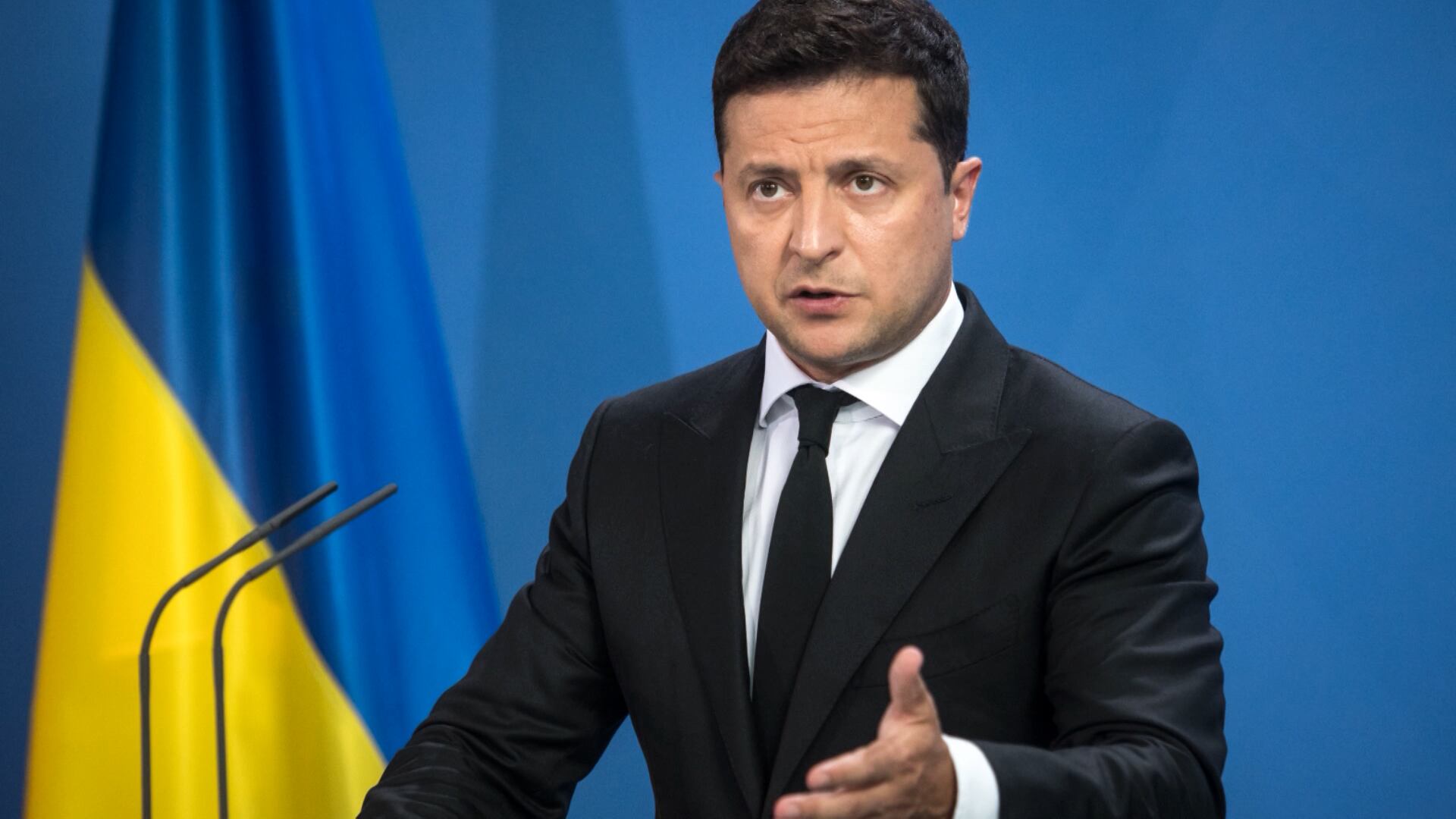
On a live broadcast, an employee on a Russian state news television channel held up a sign protesting propaganda about the war in Ukraine. Ruslan Deynychenko, executive director of the Ukrainian fact-checking organization StopFake, joined Cheddar News to discuss what he called the misinformation spread to the Russian people about the invasion. "They are not about informing people they are about brainwashing people," he said. "Russian government uses their media as an instrument, as a tool, of their foreign policy."
Student loan payments for millions of borrowers are set to resume on May 1st. However, signals from the Department of Education show that the date may be pushed back. Once again, it's been pushed back a few times. Initially, the Biden Administration stated loan payments would resume as the economy continues to show signs of recovery. Student Loan Expert and Author of "How to Appeal for More College Financial Aid", Mark Kantrowitz, joined Cheddar to discuss more.
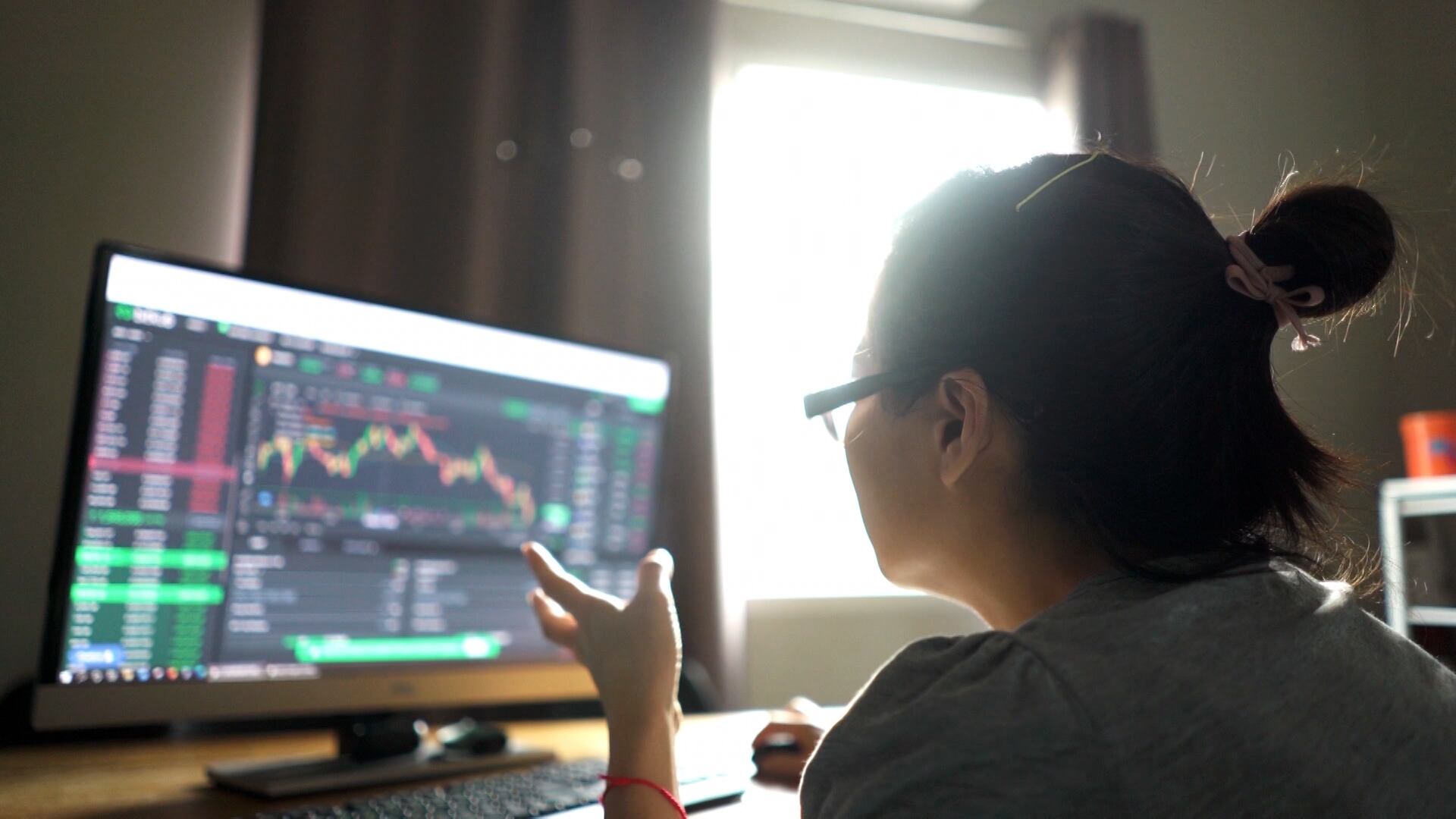
Tim Davis, Partner and Executive Managing Director at Steward Partners, joins Cheddar News' Closing Bell, where he discusses what activity we could expect to see from the crypto market this week as the Fed decision approaches, the prices of Bitcoin and Ether struggle to find a spark, and the industry continues to digest President Biden's executive order on crypto.
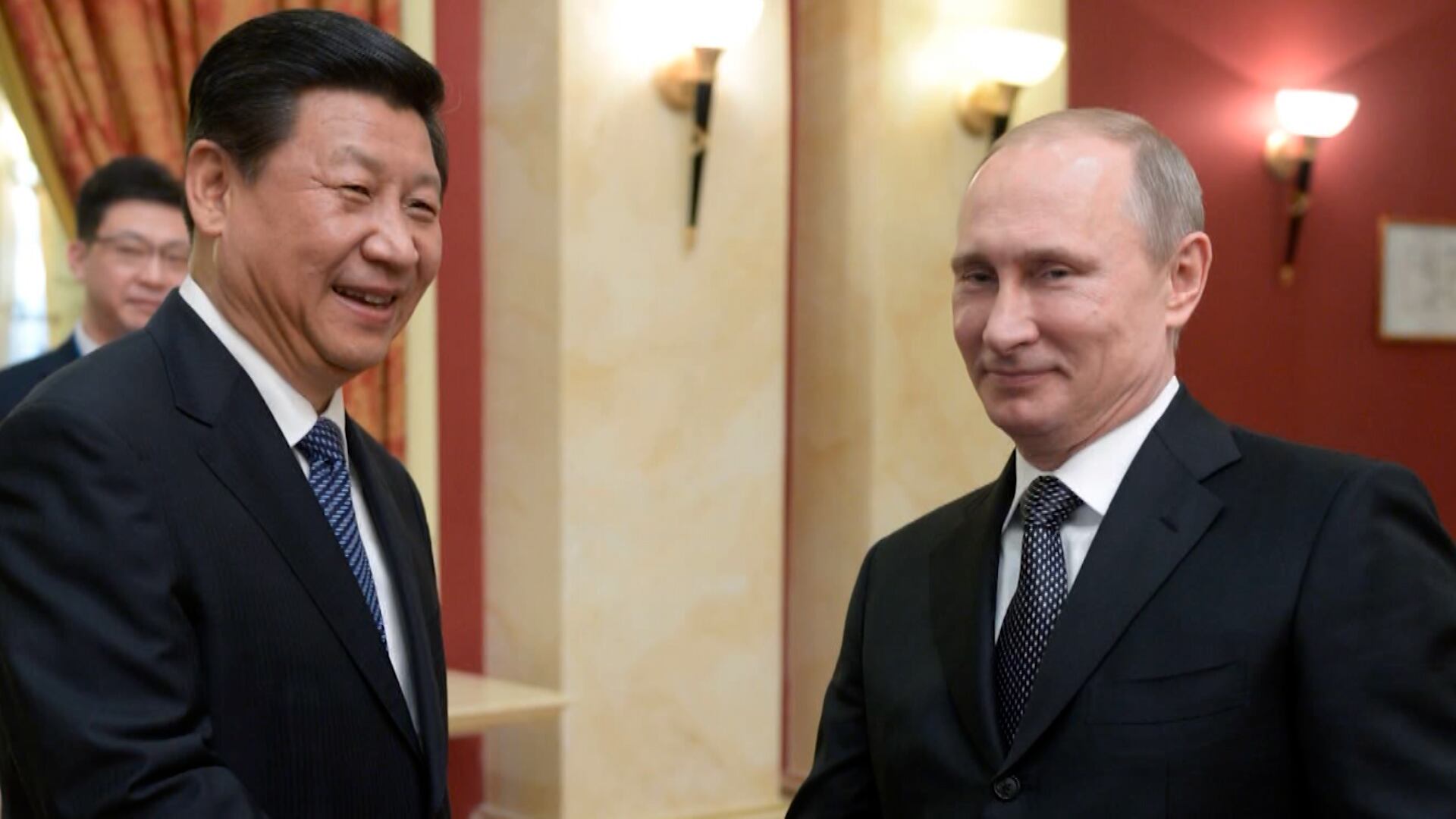
Russia may be asking China for help with its war in Ukraine, according to several reports citing unnamed U.S. officials. Russia is reportedly calling on its ally for military and economic assistance, in an attempt to avoid punishment from sanctions imposed by the U.S., Europe, and Asia, which have hammered Russia's economy. Chinese and Russian officials denied the reports. Meanwhile, top U.S. and Chinese officials are meeting today, with both countries confirming the conflict in Ukraine will be the meeting's main topic. Edward Wong, diplomatic correspondent for the New York Times, joins Cheddar News' Closing Bell to discuss.
A Ukrainian drone company is using its technology to help defend its home nation during the ongoing war with Russia. Valerii Iakovenko, co-founder and CEO of DroneUA, joined Cheddar News to discuss its efforts to help against the invasion. "These drones can be used to do strikes more precise and even cheap drones, even simple technologies can help to make a defensive possibilities more precise," he said.
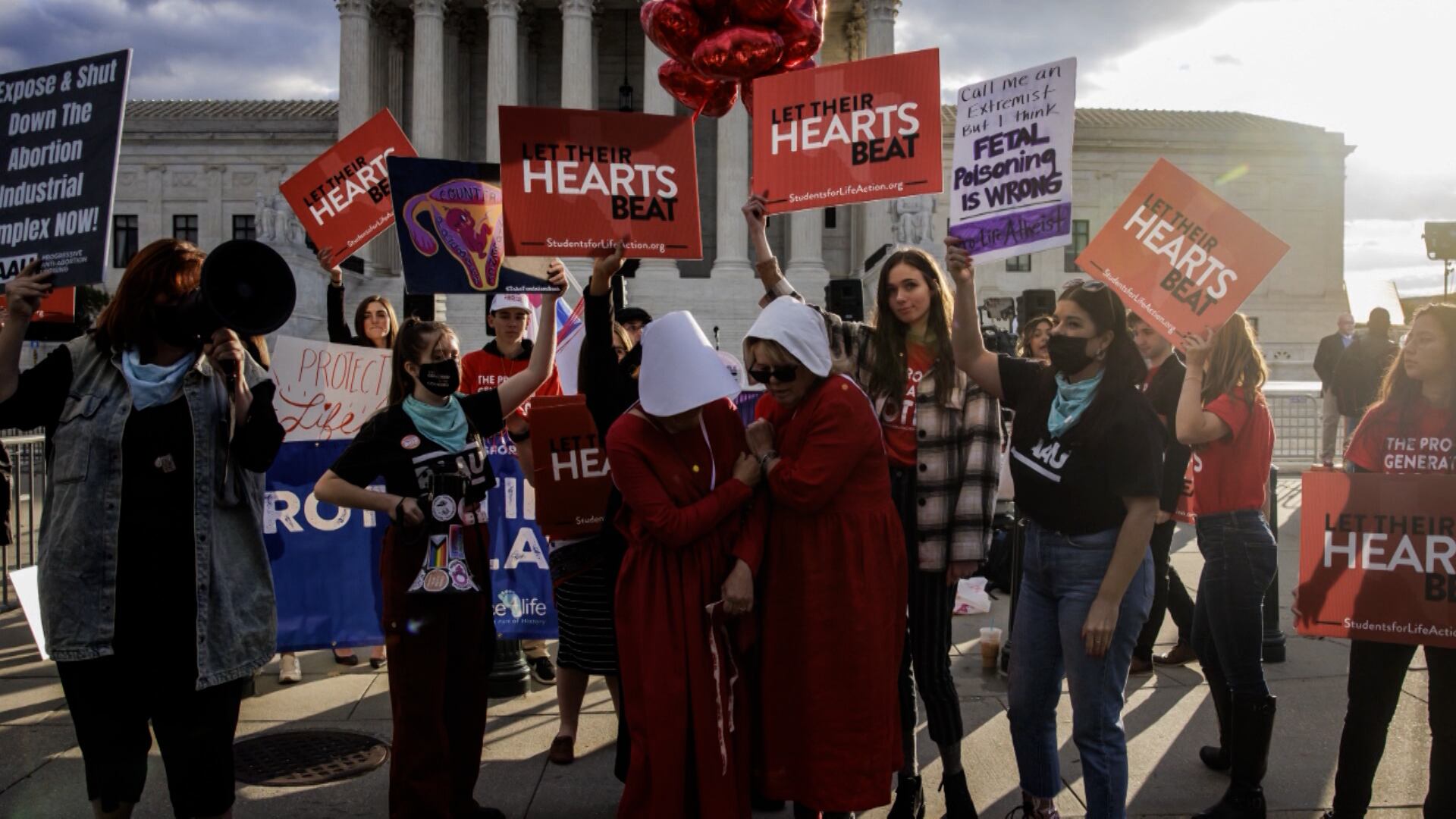
Following the Texas Supreme Court's decision to end further challenges against the latest abortion restrictions, Texas saw a 60 percent decrease in abortions performed in the state — with an exodus of patients seeking care in other parts of the country. President, and CEO of Planned Parenthood Federation of America, Alexis McGill Johnson, joined Cheddar News at South by Southwest 2022 to discuss the impact of the court's ruling on reproductive health care in the Lone Star State and beyond.
Damian Mason, farm owner, agricultural economist and author of "Food Fear" joined Cheddar News to talk about how the Russian invasion of Ukraine is putting pressure on commodities, which could lead to a 20 percent price hike according to the United Nations. “Russia and Ukraine are responsible for about 35 percent of exports, 35 percent of grain exports, specifically wheat,” said Mason. He also added, "You've got Russia saying, 'we're going to hoard and hold back our wheat,' which of course crimps global supply, and you've got Ukraine that maybe won't even get harvested."
In order to qualify for one of the coveted first retail licenses in New York's adult-use cannabis program, you'll have to have a conviction on cannabis-related charges or have an immediate family member who does. It's part of the latest effort by New York lawmakers to create a diverse and inclusive industry — but some advocates still have reservations. Amber Littlejohn, the executive director of the Minority Cannabis Business Association, joined Cheddar News' Closing Bell to discuss. "We definitely applaud the state of new york, but ultimately the devil will be in the details as to whether or not this actually works out to create equity in the cannabis industry," she said.