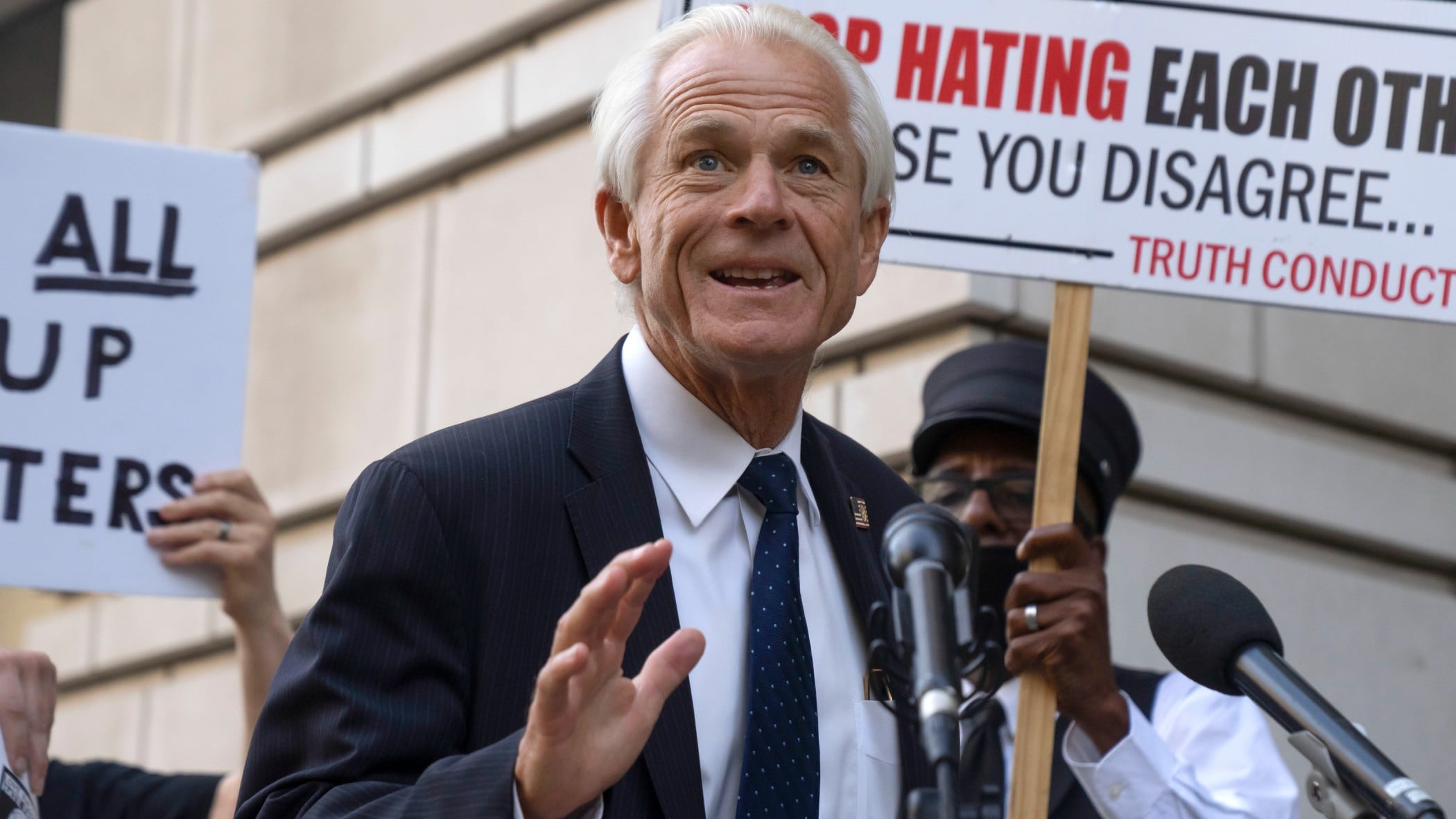
Former White House trade adviser Peter Navarro speaks to the media as he departs federal court, Tuesday, Sept. 5, 2023, in Washington. Navarro was convicted Thursday, Sept. 7, of contempt of Congress charges filed after he was accused of refusing to cooperate with a congressional investigation into the Jan. 6, 2021, attack on the U.S. Capitol. (AP Photo/Mark Schiefelbein, File)
By Lindsay Whitehurst
Trump White House official Peter Navarro was found guilty Thursday of contempt of Congress charges for refusing to cooperate with a congressional investigation into the Jan. 6, 2021, attack on the U.S. Capitol.
The verdict came after a short trial for Navarro, who served as a White House trade adviser under President Donald Trump and later promoted the Republican’s baseless claims of mass voter fraud in the 2020 election he lost.
Navarro was the second Trump aide to face contempt of Congress charges after former White House adviser Steve Bannon. Bannon was convicted of two counts and was sentenced to four months behind bars, though he has been free pending appeal.
Navarro vowed to appeal the verdict, saying the “die was cast” after a judge ruled that he couldn't fight the charges by arguing he couldn't cooperate with the committee because Trump had invoked executive privilege.
U.S. District Judge Amit Mehta found that Navarro didn't have enough evidence to show Trump had invoked it.
“This is a landmark case that’s bound for the Supreme Court,” Navarro said. Defense attorney John Rowley echoed that, saying “this case is not over by a long shot.”
Mehta scheduled Navarro's sentencing for Jan. 12. Navarro was convicted in Washington's federal courthouse of two misdemeanor counts of contempt of Congress, both punishable by up to a year behind bars.
The verdict came after a four-hour jury deliberation. After it was read, defense attorney Stanley Woodward moved for a mistrial, saying that the jurors had taken an outdoor break near where protesters and media regularly gather outside the courthouse and came back with a verdict shortly after. Mehta did not immediately rule, but said he would consider written arguments on the issue.
Prosecutors argued at trial that Navarro acted as if he were “above the law” when he defied a subpoena for documents and a deposition from the House Jan. 6 committee.
A defense attorney countered that Navarro didn’t purposely ignore the House Jan. 6 Committee. Navarro instead told staffers to contact Trump about what might be protected by executive privilege, something that didn’t happen, Woodward said.
Prosecutors, though, argued that even if Trump had invoked executive privilege, Navarro should have handed over what material he could and flagged any questions or documents believed to be protected. They said much of the material the committee sought was already publicly available.
“Peter Navarro made a choice. He chose not abide by the congressional subpoena,” prosecutor Elizabeth Aloi said. “The defendant chose allegiance to former President Donald Trump over compliance to the subpoena.”
Barred from relying on the executive privilege argument at trial, the defense argued that Navarro had not acted “willfully” or only out of loyalty to Trump.
“Do we know that his failure to comply beyond reasonable doubt wasn’t the result of accident, inadvertence or mistake?” Woodward said.
The House Jan. 6 committee finished its work in January, after a final report that said Trump criminally engaged in a “multi-part conspiracy” to overturn the lawful results of the 2020 election and failed to act to stop a mob of his supporters from attacking the Capitol.
Trump, meanwhile, faces a federal indictment in Washington, D.C., and a state indictment in Georgia over his efforts to overturn his 2020 election loss to Joe Biden, a Democrat. He has denied wrongdoing and has said he was acting within the law.
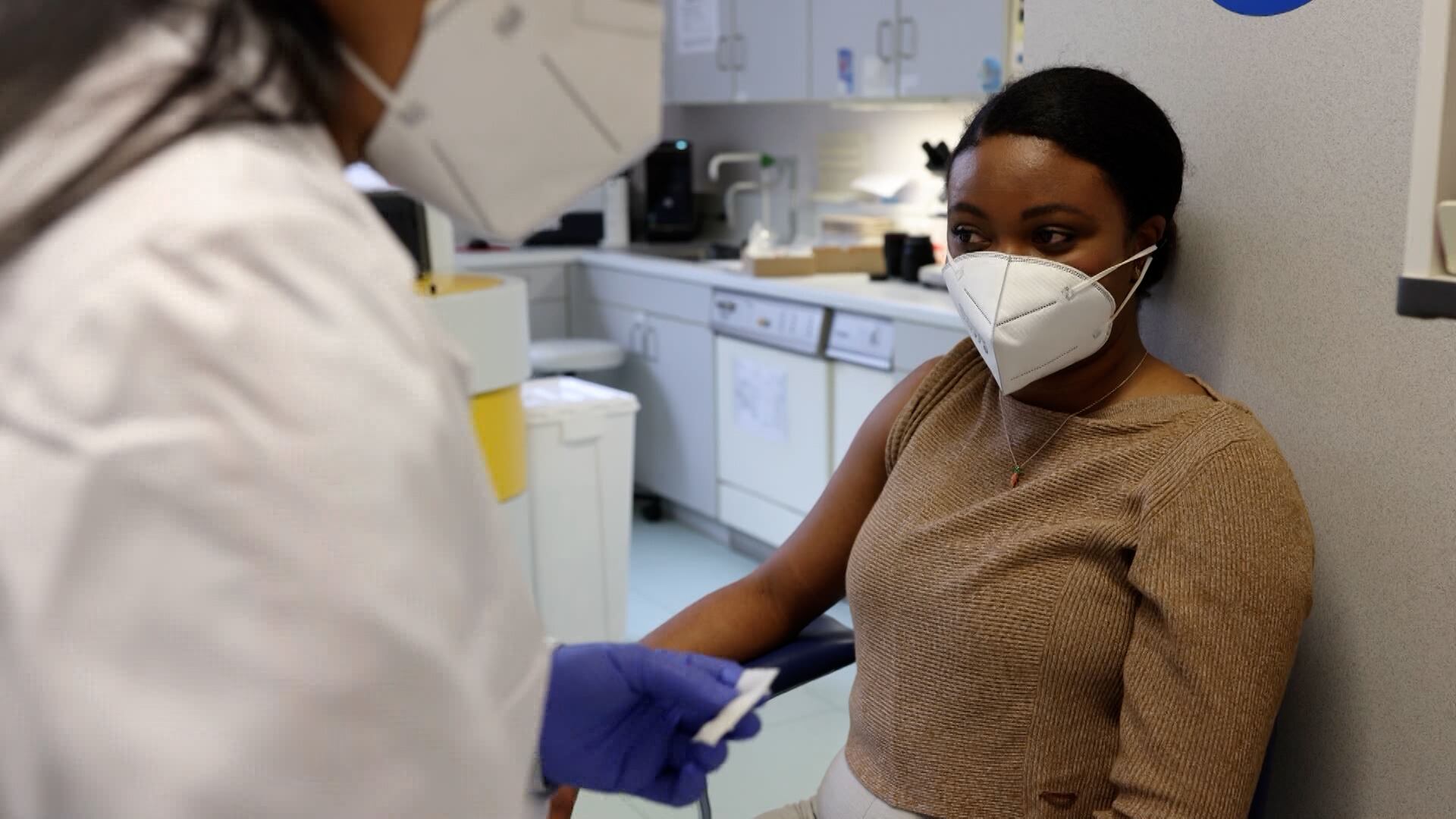
An recently conducted AP-NORC poll found that majorities of the Black and Hispanic populations in the U.S. still find themselves either somewhat worried or extremely worried over the pandemic, while more than half of white Americans responded with either being not too worried or not worried at all. Dr. Chris Pernell, the chief strategic integration and health equity officer at University Hospital, joined Cheddar News to talk about how perceptions of COVID-19 differ between groups of Americans. "We’re still seeing people get infected, and because of the toll of the disproportionate impact, we have concerns among the Black and brown community about whether or not they have an increased risk of exposure because of where they work, because of the use of public transportation, because they live in homes that they may not be able to safely quarantine and or isolate in, and because they have at baseline chronic health conditions that may make coronavirus more severe in those persons," she said.
Judith Enck, a former regional administrator for the EPA and the president of Beyond Plastics, joined Cheddar News to talk about the role of plastics in the climate crisis and California's investigation of ExxonMobil and other oil companies for misleading the public on the ability to recycle plastics. "The reason why petrochemical companies like Exxon have gotten away with selling more and more plastic is that they've lied to the public and told us don't worry about all those negative upstream impacts and downstream impacts of plastics. Just be sure to recycle it. Well, guess what? Plastics largely are not recycled," Enck said.
The ongoing war in Ukraine and the Fed's hawkish stance toward reining in inflation might be causing a frenzy among investors. Craig Erlam, a senior market analyst at foreign exchange OANDA, joined Cheddar News to talk about the current "mixed bag" markets. "It's hard to read too much into it. These are just the market conditions we have right now," he said. "Ultimately we're a little directionless at times overall, but these intraday moves are causing a lot of volatility this week."
Catching you up on what you need to know on April 29, 2022, with President Biden asking Congress for a $33 billion aid package for Ukraine, a shrinking GDP potentially leading to a recession, Beijing banning weddings and funerals while closings schools amid COVID, and more.
Buying a new home is tough right now; but for first-time buyers, it's an especially challenging time, with obstacles like rising mortgage rates and record-breaking home prices. The housing market is not expected to get much friendlier, as mortgage rates are expected to continue to climb as the Federal Reserve proceeds with its plans for rate hikes in an effort to stifle inflation. Jonathan Miller, President and CEO of real estate appraiser Miller Samuel, joins Cheddar News' Closing Bell to discuss.
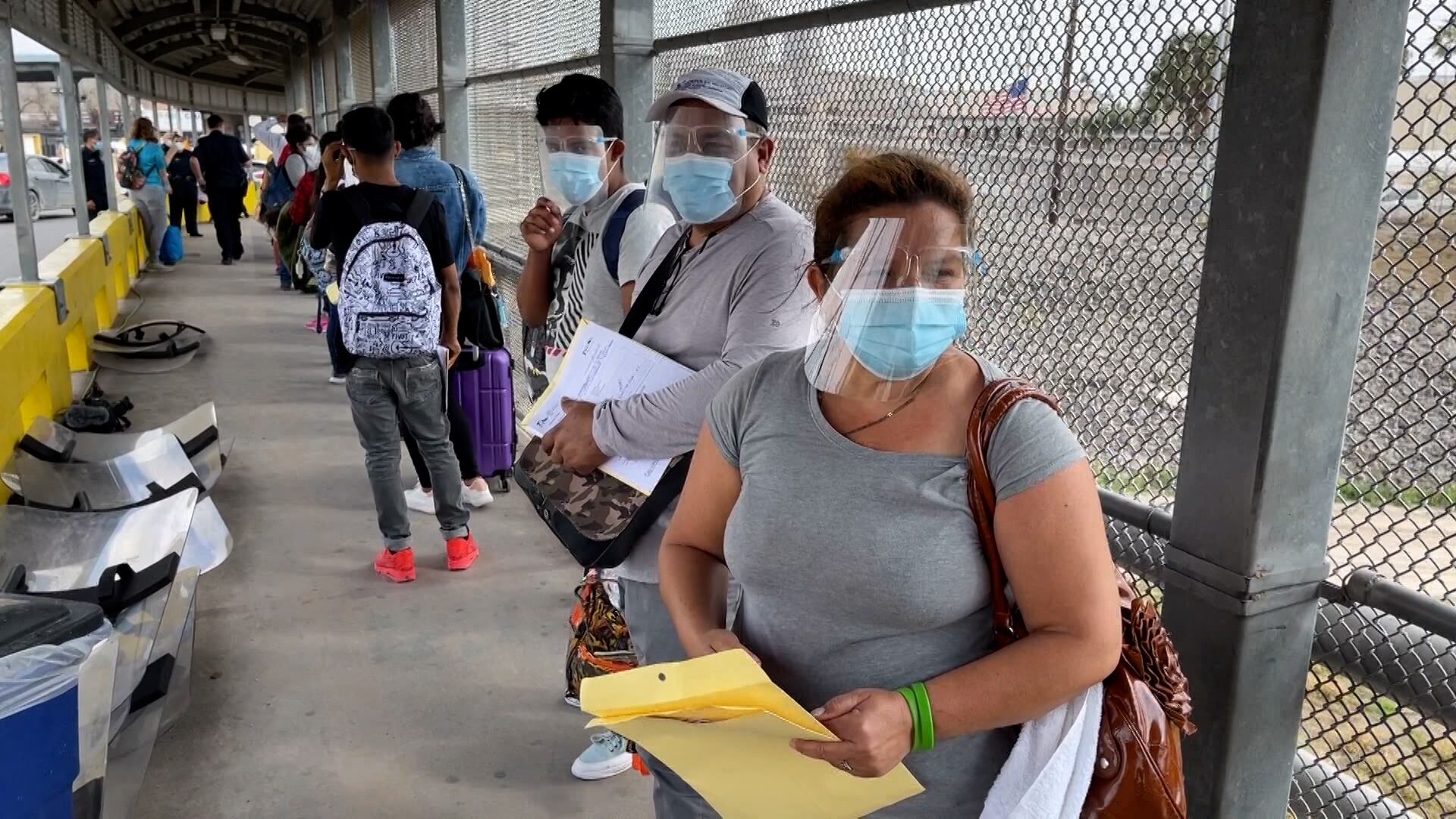
Tyler Moran, former senior adviser to President Biden on migration, joins Cheddar Politics to discuss the recent controversy around the administration's decision to end the use of Title 42, a public health order allowing the U.S. to expel migrants without going through the asylum process.
Christian Heyne, vice president of policy at the gun safety group Brady, joins Cheddar Politics to discuss President Biden's executive action on so-called "ghost guns," and to reflect on the Brooklyn subway shooting.
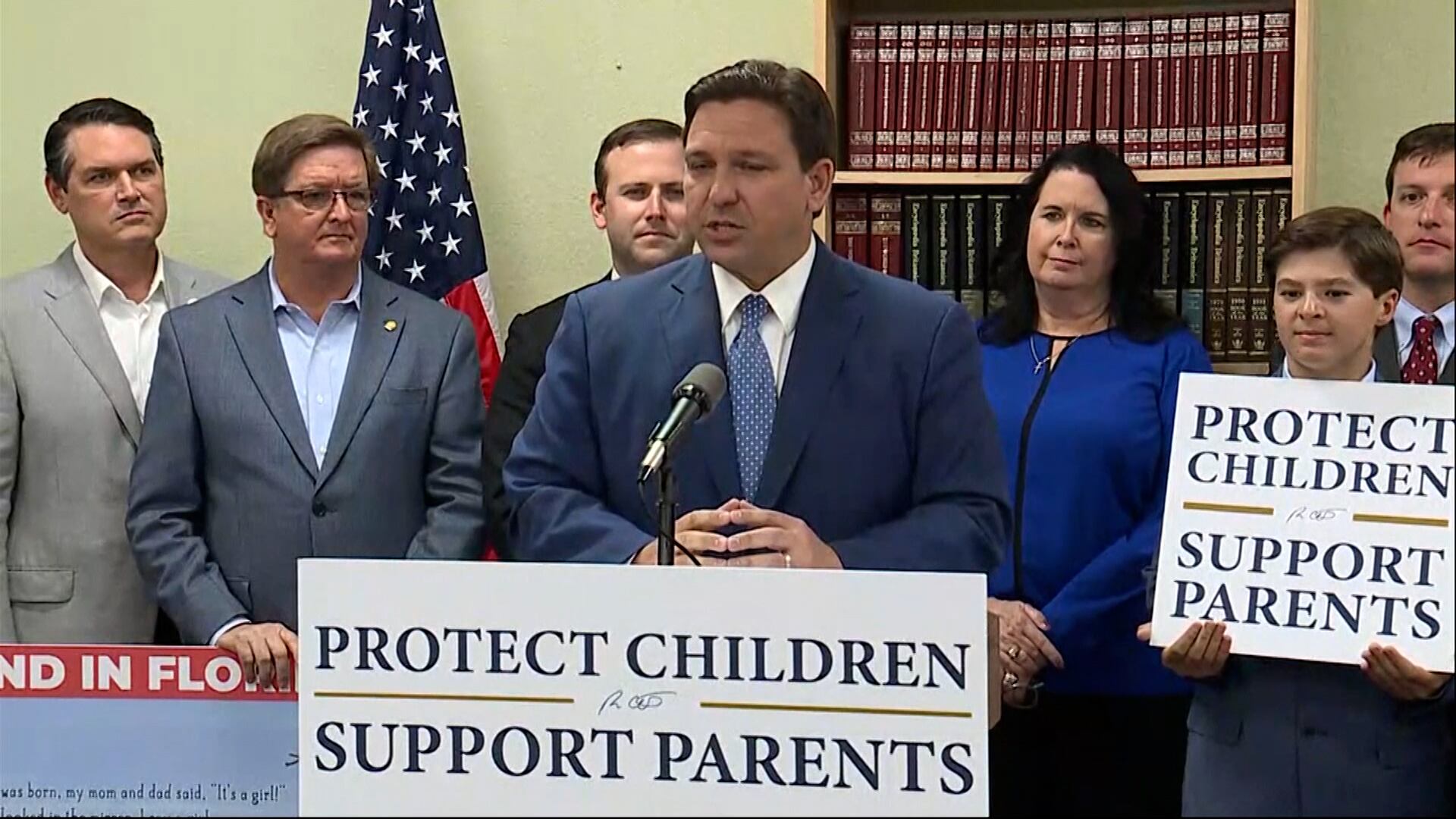
Jasmine Burney-Clark, founder of Equal Ground Education Fund and Action Fund, joins Cheddar Politics to discuss the redistricting process in Florida, and how the state's Republican Gov. Ron DeSantis proposed a map reducing the power of Black Floridians.
Ryan Thoreson, an LGBT rights researcher at Human Rights Watch, joins Cheddar Politics to discuss claims of grooming made by Republican politicians during efforts to pass so-called 'Don't Say Gay' bills.