The U.S. lost a stunning 22 million jobs in March and April at the beginning of the coronavirus pandemic, with only about half of those numbers returning in the following seven months. With weekly jobless claims remaining high, voters might want to know more about what former Vice President Joe Biden and President Donald Trump intend to do on the issue of labor.
Biden has pledged to do whatever it takes to help jobs recover through direct stimulus payments. His plan includes funding for state and local governments to keep essential workers on their payrolls and federal payouts to supplement state unemployment checks.
Meanwhile, Trump favors tax cuts and deregulation to stimulate the economy but concedes that another infusion of cash stimulus is likely needed. The president also extended federal unemployment benefits for six weeks after they were set to expire in July but at a lower rate of $300 a week, half the amount of the earlier benefit.
Both candidates support tax incentives for manufacturers to keep jobs at home. Biden even proposes tax penalties for those businesses that ship manufacturing jobs overseas with the intention of selling finished products back into the U.S.
Whoever wins the election in November faces a daunting task, with millions still out of work, consumer spending slowing down, and a resurgence in coronavirus cases adding to the economic woes.
Former President Donald Trump repeatedly declined in an interview aired Sunday to answer questions about whether he watched the Capitol riot unfold on television, saying he would “tell people later at an appropriate time.”
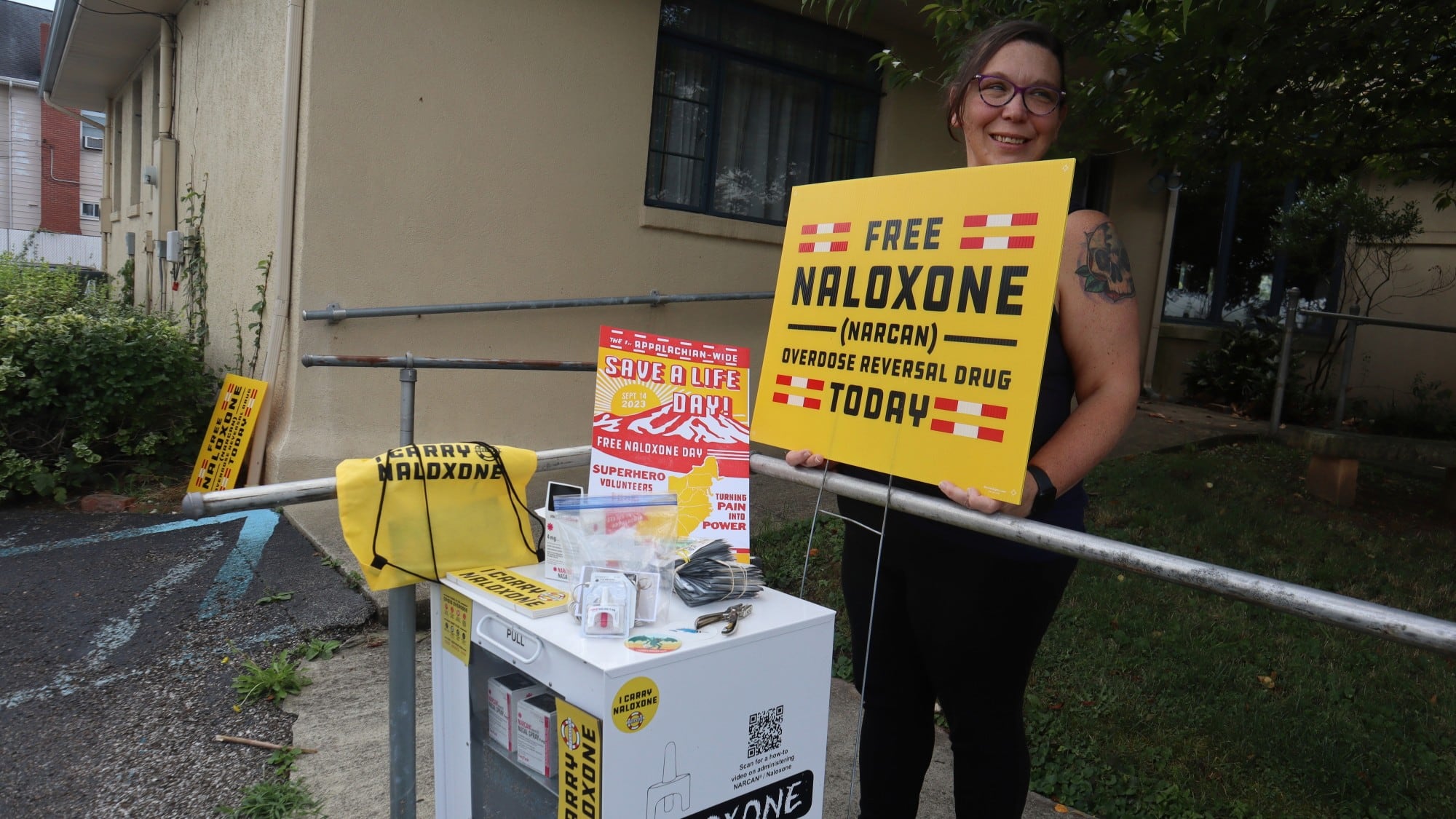
An effort to destigmatize the use of overdose reversal drugs that started as a pilot in two West Virginia counties has expanded to all thirteen states in Appalachia this year.
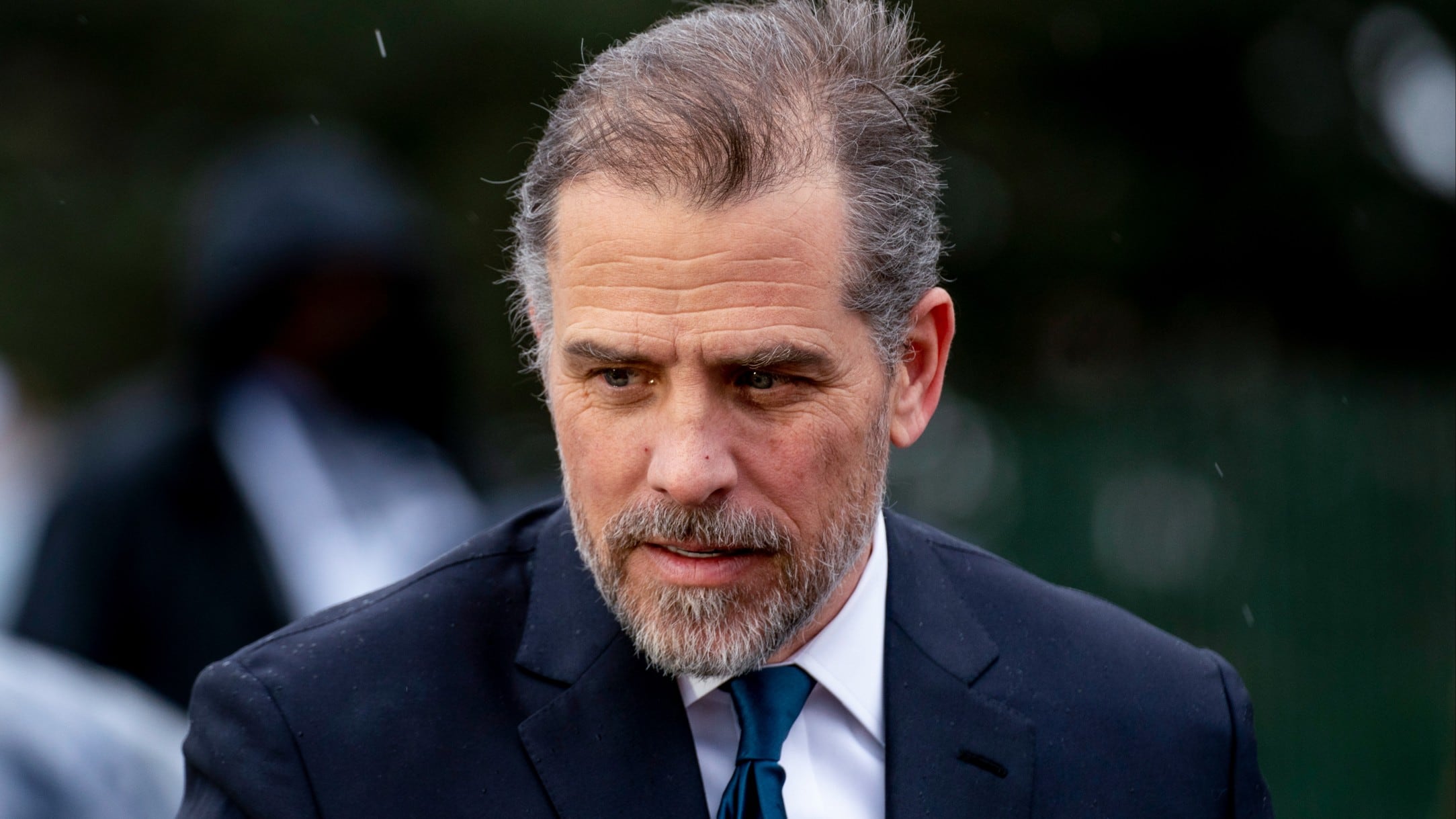
Hunter Biden was indicted Thursday on federal firearms charges, the latest and weightiest step yet in a long-running investigation into the president’s son.
States and Native American tribes will have greater authority to block energy projects such as natural gas pipelines that could pollute rivers and streams under a final rule issued Thursday by the Biden administration.