The U.S. lost a stunning 22 million jobs in March and April at the beginning of the coronavirus pandemic, with only about half of those numbers returning in the following seven months. With weekly jobless claims remaining high, voters might want to know more about what former Vice President Joe Biden and President Donald Trump intend to do on the issue of labor.
Biden has pledged to do whatever it takes to help jobs recover through direct stimulus payments. His plan includes funding for state and local governments to keep essential workers on their payrolls and federal payouts to supplement state unemployment checks.
Meanwhile, Trump favors tax cuts and deregulation to stimulate the economy but concedes that another infusion of cash stimulus is likely needed. The president also extended federal unemployment benefits for six weeks after they were set to expire in July but at a lower rate of $300 a week, half the amount of the earlier benefit.
Both candidates support tax incentives for manufacturers to keep jobs at home. Biden even proposes tax penalties for those businesses that ship manufacturing jobs overseas with the intention of selling finished products back into the U.S.
Whoever wins the election in November faces a daunting task, with millions still out of work, consumer spending slowing down, and a resurgence in coronavirus cases adding to the economic woes.
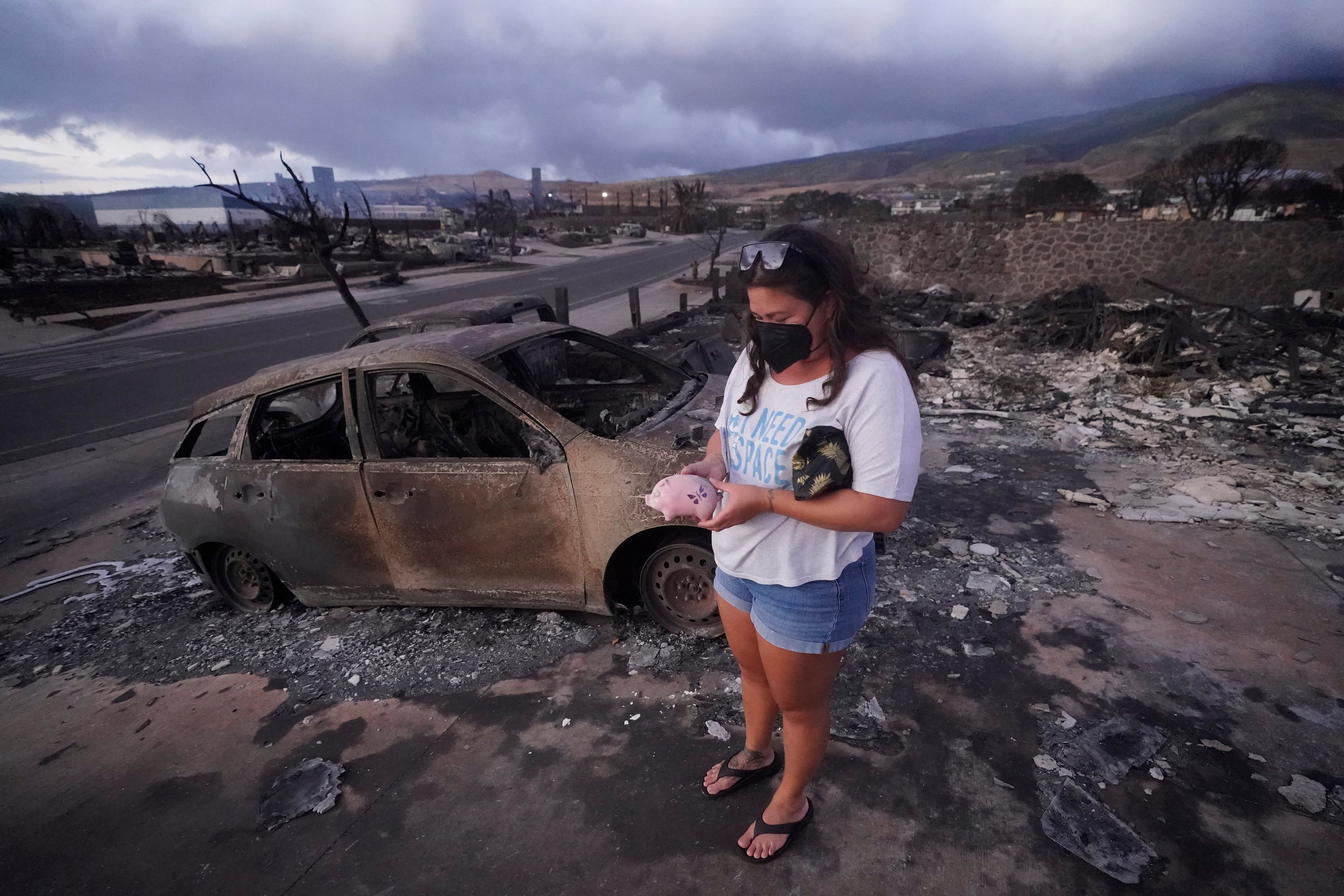
Lawmakers probing the cause of last month’s deadly Maui wildfire did not get many answers during Thursday's congressional hearing on the role the electrical grid played in the disaster.
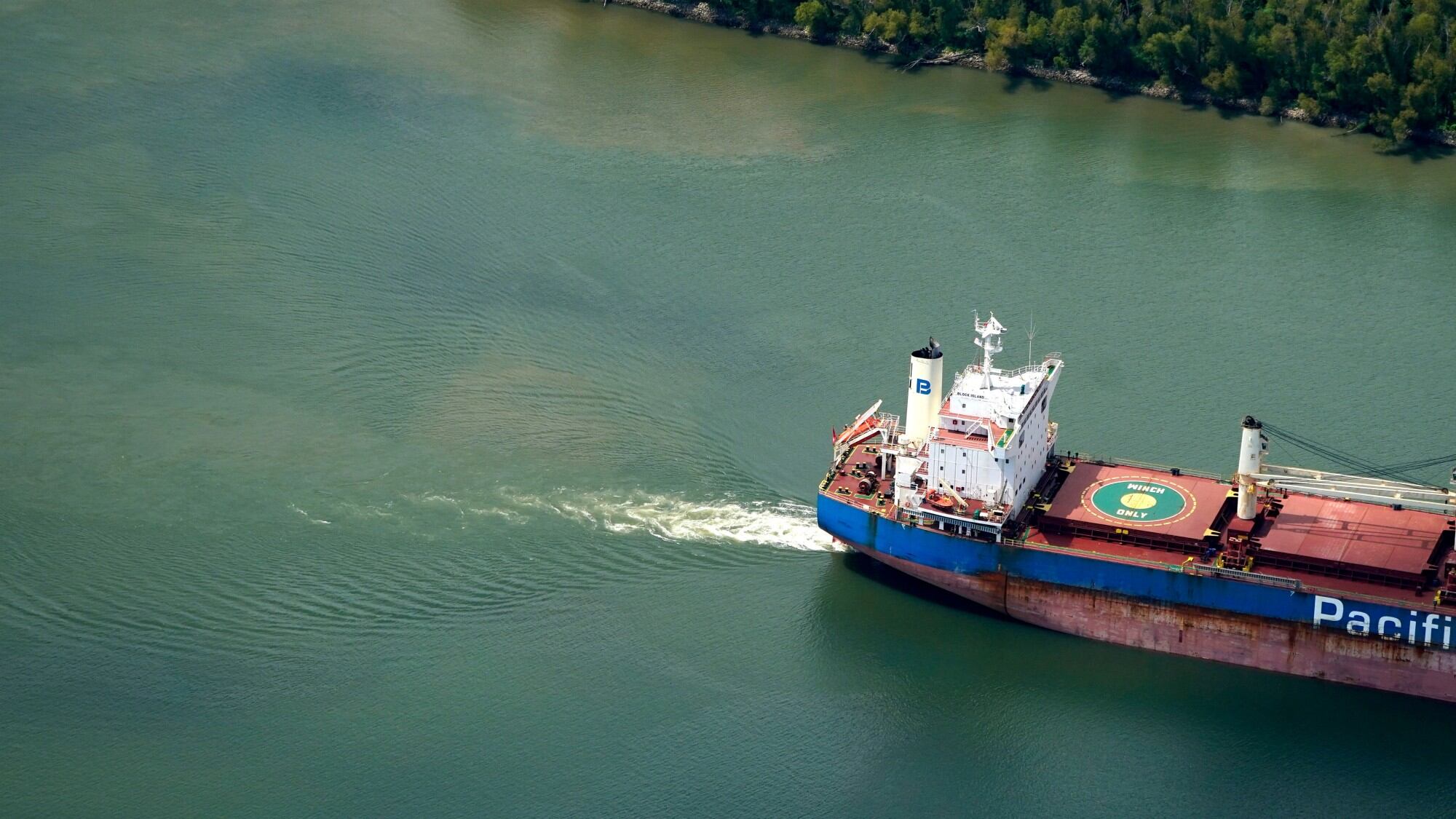
President Joe Biden announced Wednesday that federal disaster assistance is available for Louisiana, which is working to slow a mass inflow of salt water creeping up the Mississippi River and threatening drinking water supplies in the southern part of the state.
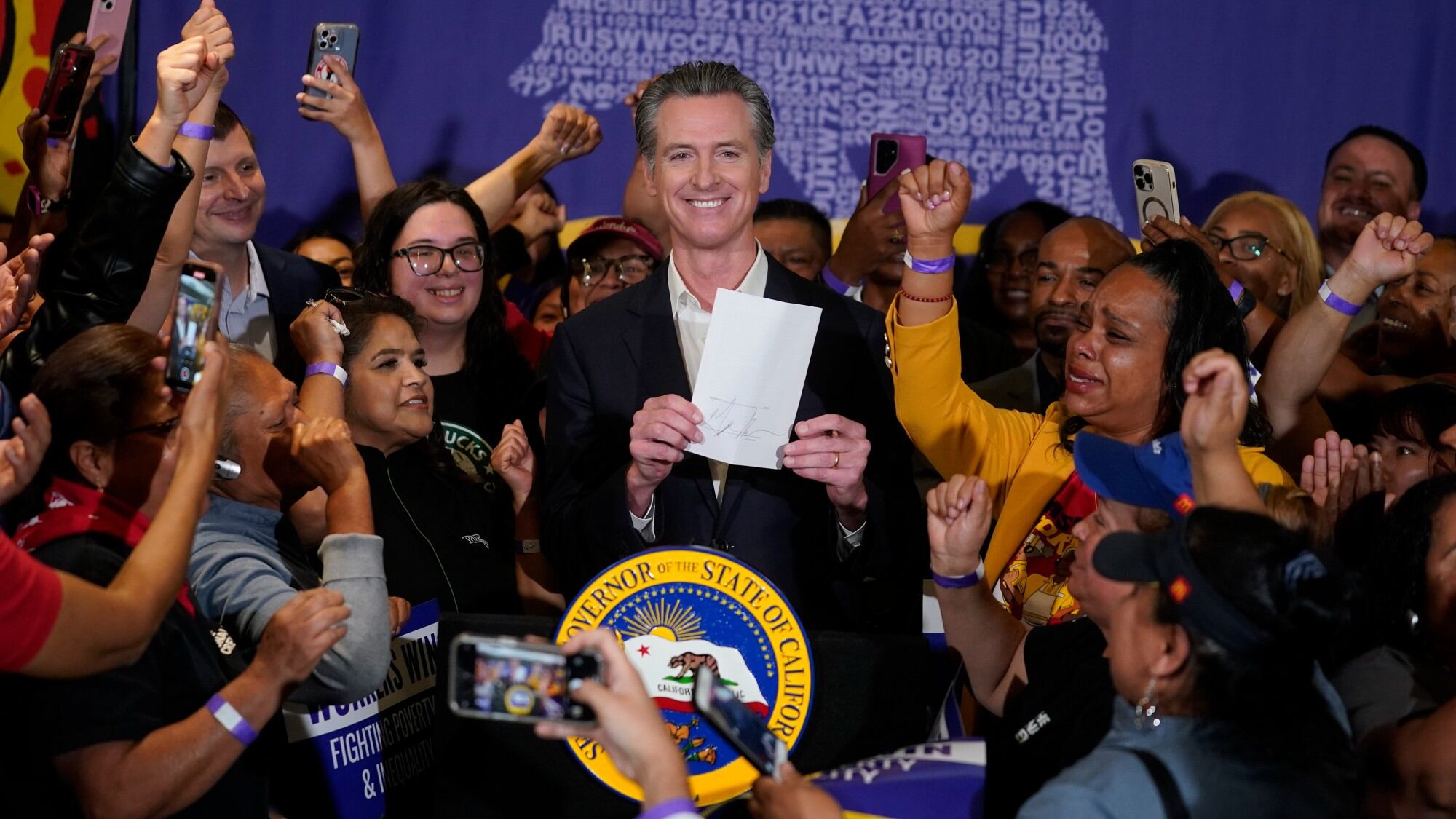
A new law in California will raise the minimum wage for fast food workers to $20 per hour next year, an acknowledgment from the state's Democratic leaders that most of the often overlooked workforce are the primary earners for their low-income households.
From Sunday, workers at the main United States base in Antarctica will no longer be able to walk into a bar and order a beer, after the U.S. federal agency that oversees the research program decided to stop serving alcohol.
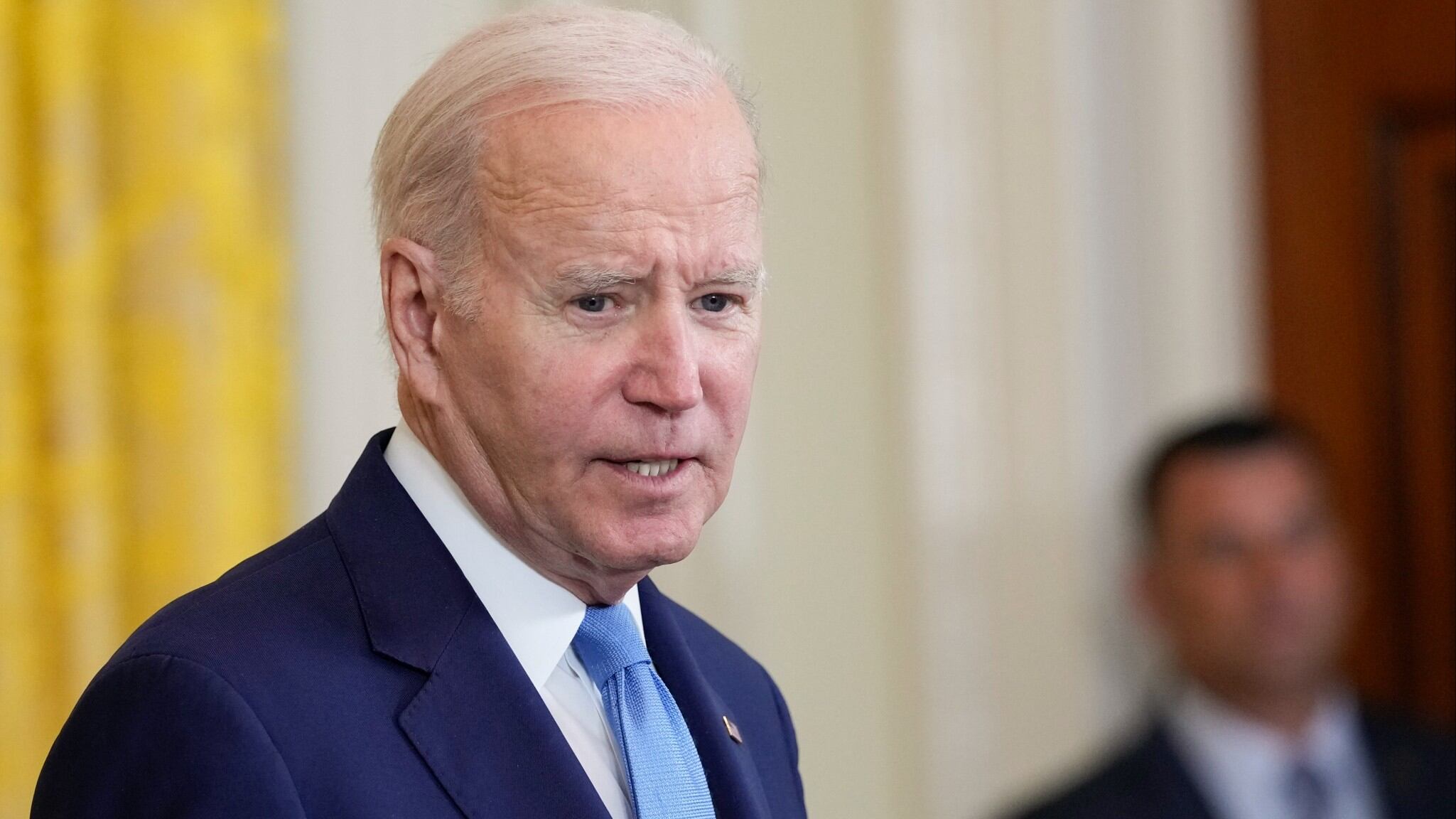
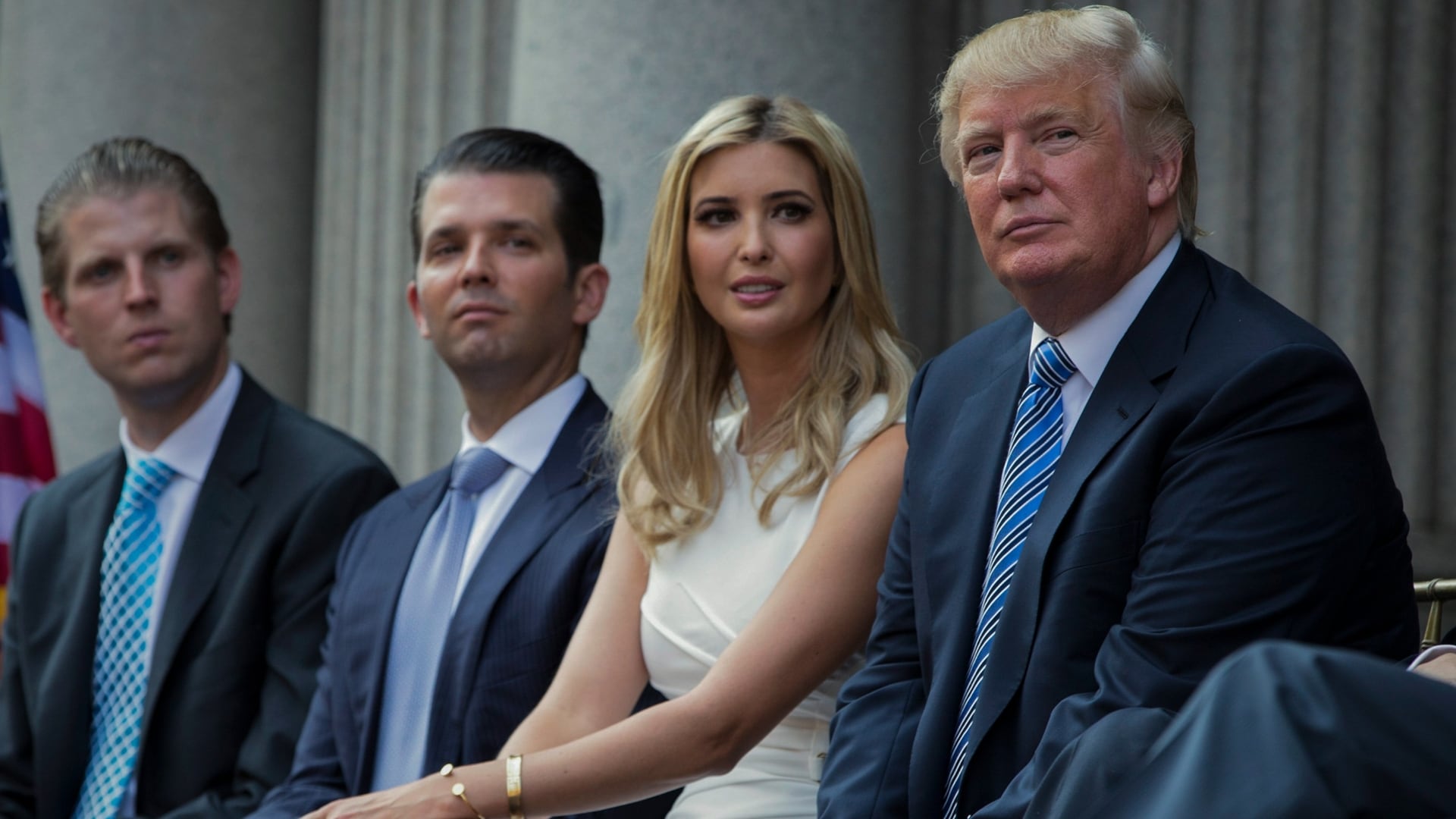
House Republicans launched a formal impeachment hearing Thursday against President Joe Biden, promising to “provide accountability” as they probe the family finances and business dealings of his son Hunter and make their case to the public, colleagues and a skeptical Senate.
The FBI and other government agencies should be required to get court approval before reviewing the communications of U.S. citizens collected through a secretive foreign surveillance program, a sharply divided privacy oversight board recommended on Thursday.
The federal government is just days away from a shutdown that will disrupt many services, squeeze workers and roil politics as Republicans in the House, fueled by hard-right demands, force a confrontation over federal spending.
The Biden administration is finalizing a new rule that would cut federal funding for colleges that leave graduates with low pay and high debt after graduating.
The Biden administration is finalizing a new rule that would cut federal funding for colleges that leave graduates with low pay and high debt after graduating.