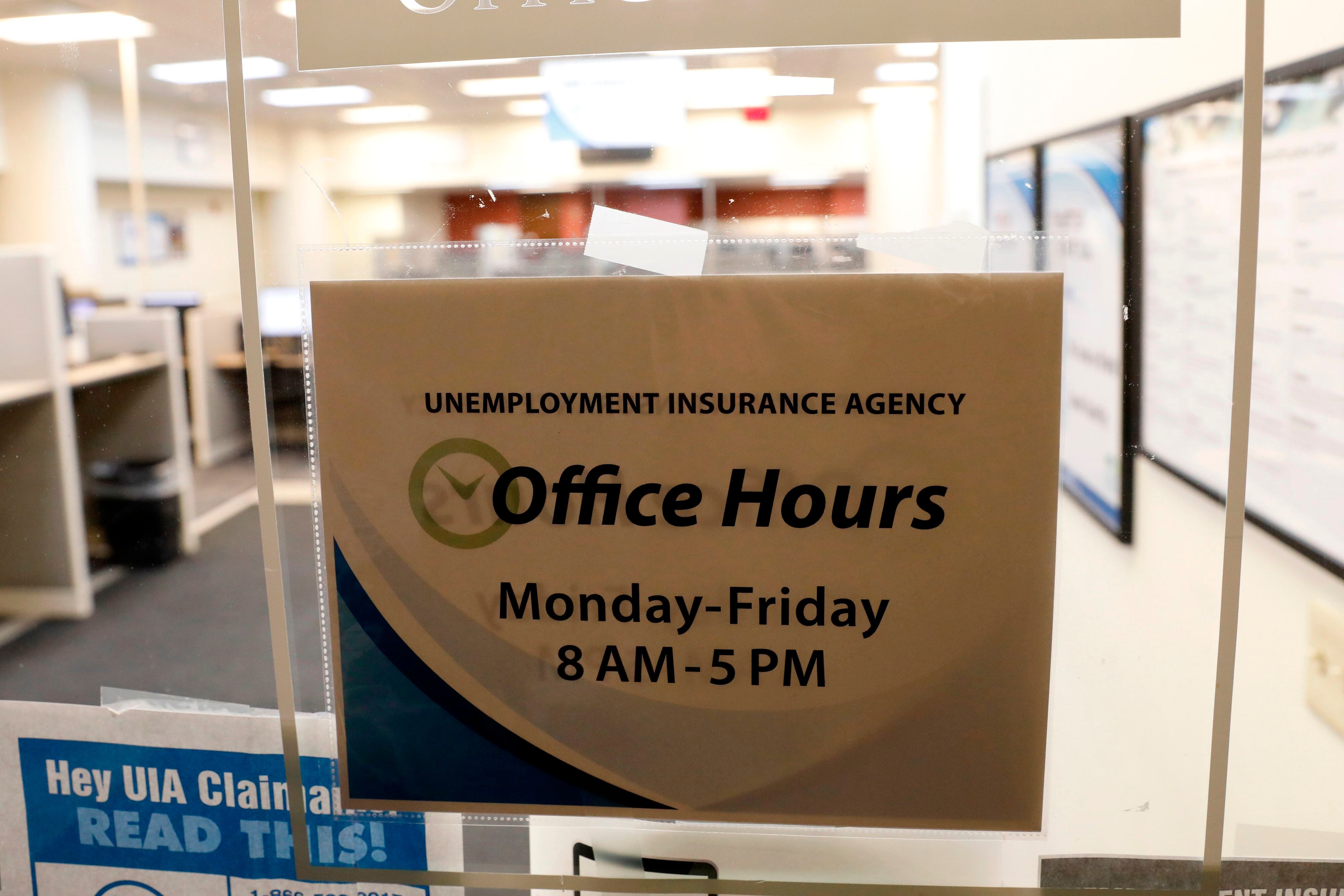
The U.S. lost a stunning 22 million jobs in March and April at the beginning of the coronavirus pandemic, with only about half of those numbers returning in the following seven months. With weekly jobless claims remaining high, voters might want to know more about what former Vice President Joe Biden and President Donald Trump intend to do on the issue of labor.
Biden has pledged to do whatever it takes to help jobs recover through direct stimulus payments. His plan includes funding for state and local governments to keep essential workers on their payrolls and federal payouts to supplement state unemployment checks.
Meanwhile, Trump favors tax cuts and deregulation to stimulate the economy but concedes that another infusion of cash stimulus is likely needed. The president also extended federal unemployment benefits for six weeks after they were set to expire in July but at a lower rate of $300 a week, half the amount of the earlier benefit.
Both candidates support tax incentives for manufacturers to keep jobs at home. Biden even proposes tax penalties for those businesses that ship manufacturing jobs overseas with the intention of selling finished products back into the U.S.
Whoever wins the election in November faces a daunting task, with millions still out of work, consumer spending slowing down, and a resurgence in coronavirus cases adding to the economic woes.
Read More on Trump and Biden's Plans:
Trump vs. Biden on Raising the Federal Minimum Wage
Biden vs. Trump on Student Loans and Higher Education
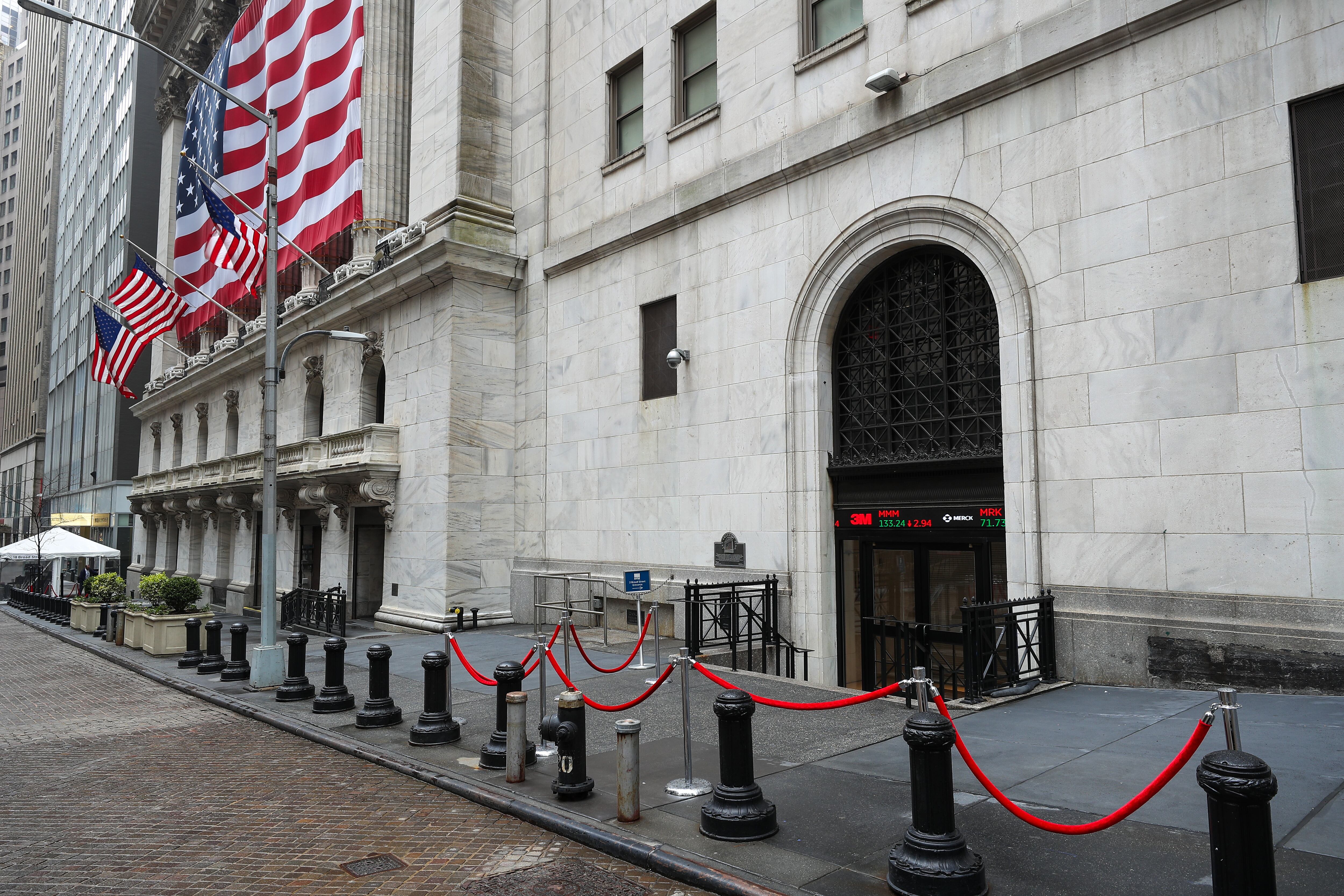
Stocks are inching higher on Wall Street Monday in more volatile trading as investors try to assess whether global authorities can do enough to nurse the economy through the damage caused by the coronavirus outbreak.
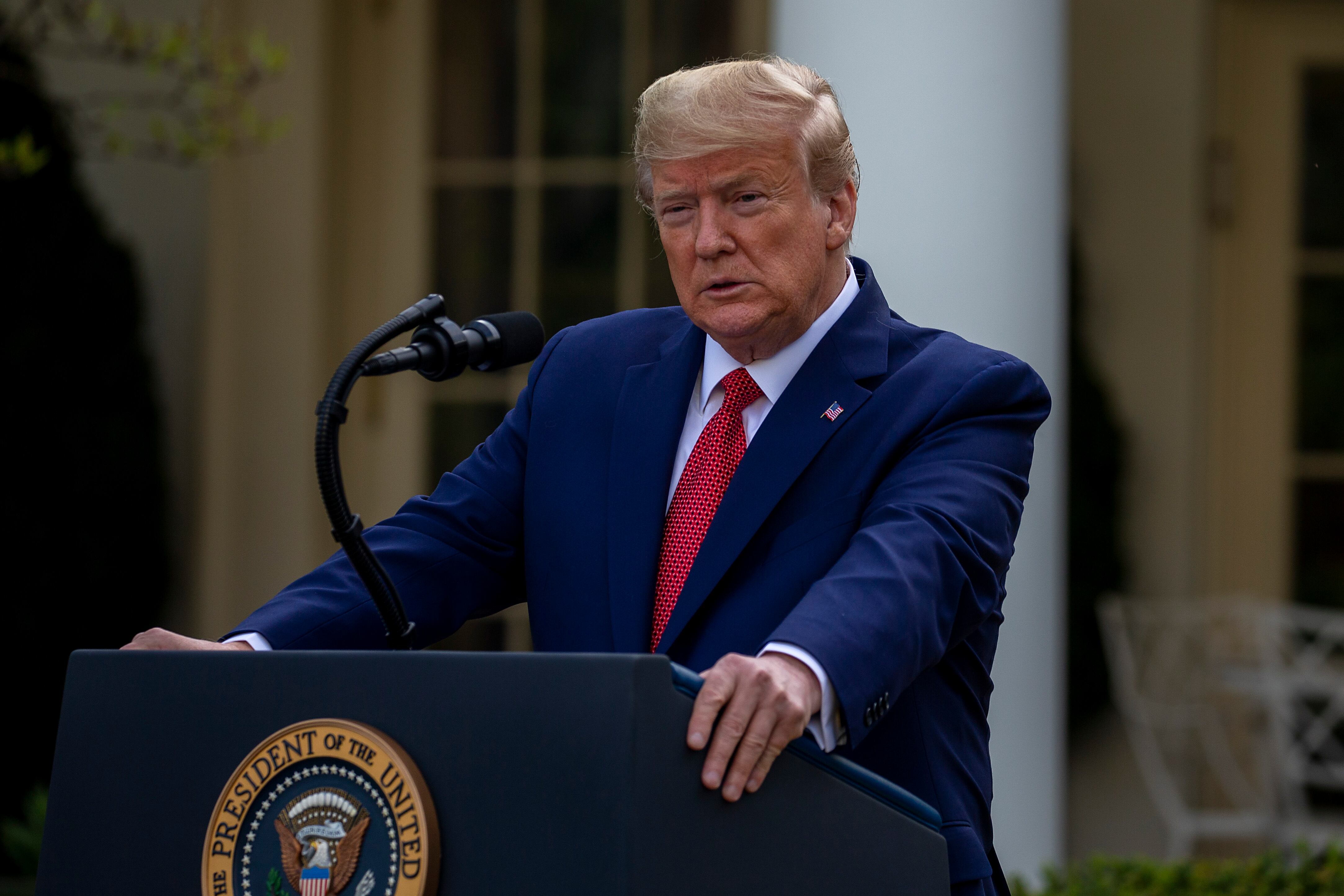
Bracing the nation for a coronavirus death toll that could exceed 100,000 people, President Donald Trump extended restrictive social distancing guidelines through April, bowing to public health experts who presented him with even more dire projections for the expanding coronavirus pandemic.
Trump said that the order will “require General Motors to accept, perform, and prioritize Federal contracts for ventilators." In a statement, he said the contracting process with the automaker was not moving quickly enough.
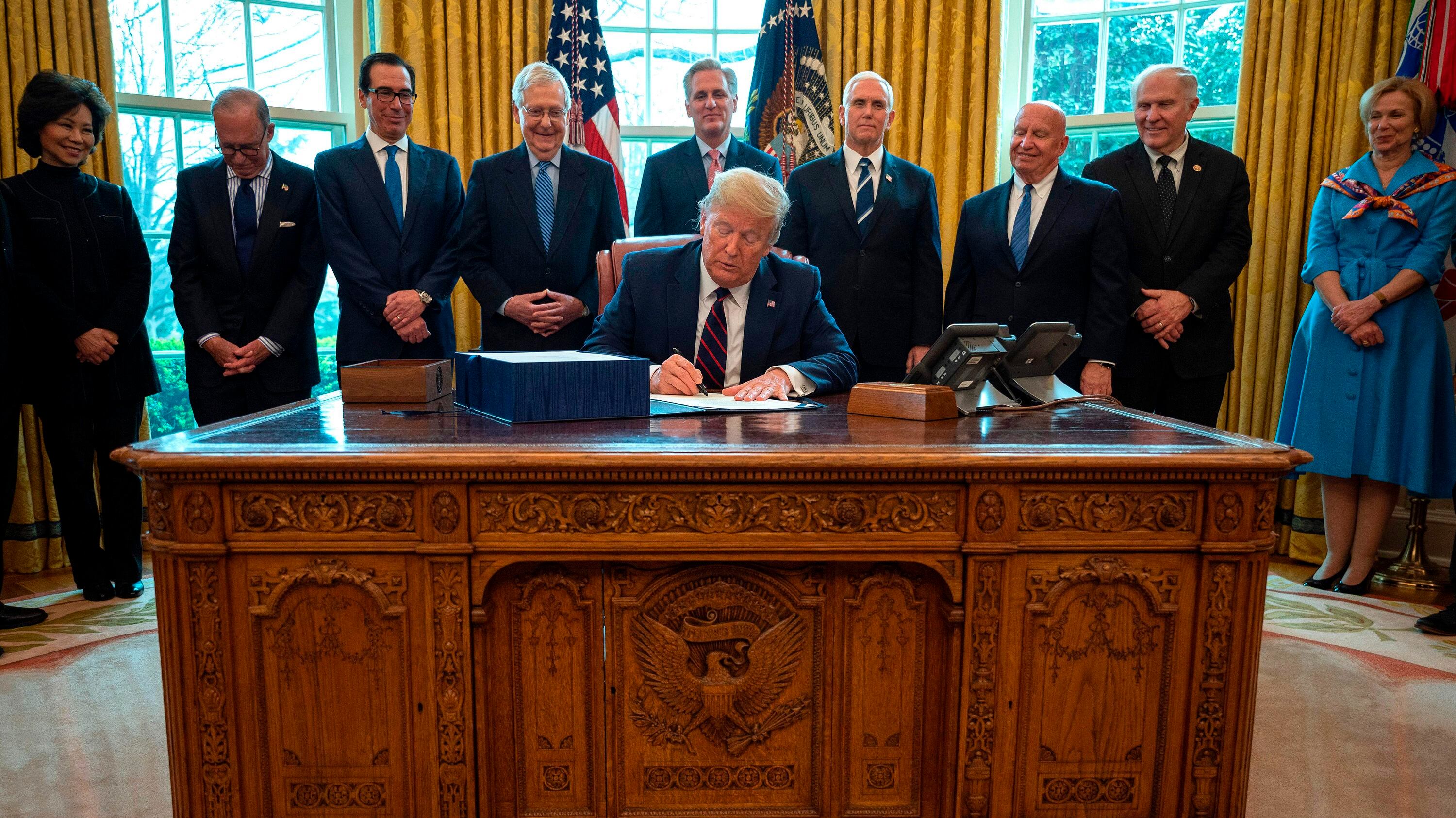
President Donald Trump has signed an unprecedented $2.2 trillion economic rescue package into law, after swift and near-unanimous action by Congress this week.
From Wall Street to Silicon Valley, these are the top stories that moved markets and had investors, business leaders, and entrepreneurs talking this week on Cheddar.
Stocks are moving lower on Wall Street as the market gives back some of the gains it piled up over the past three days. Major indexes are down more than 2% in afternoon trading Friday.
Restaurants are getting creative with private solutions as they hope to continue doing business, even while most of them are physically closed to the public, but the potential for saving most of these businesses may be a long shot.
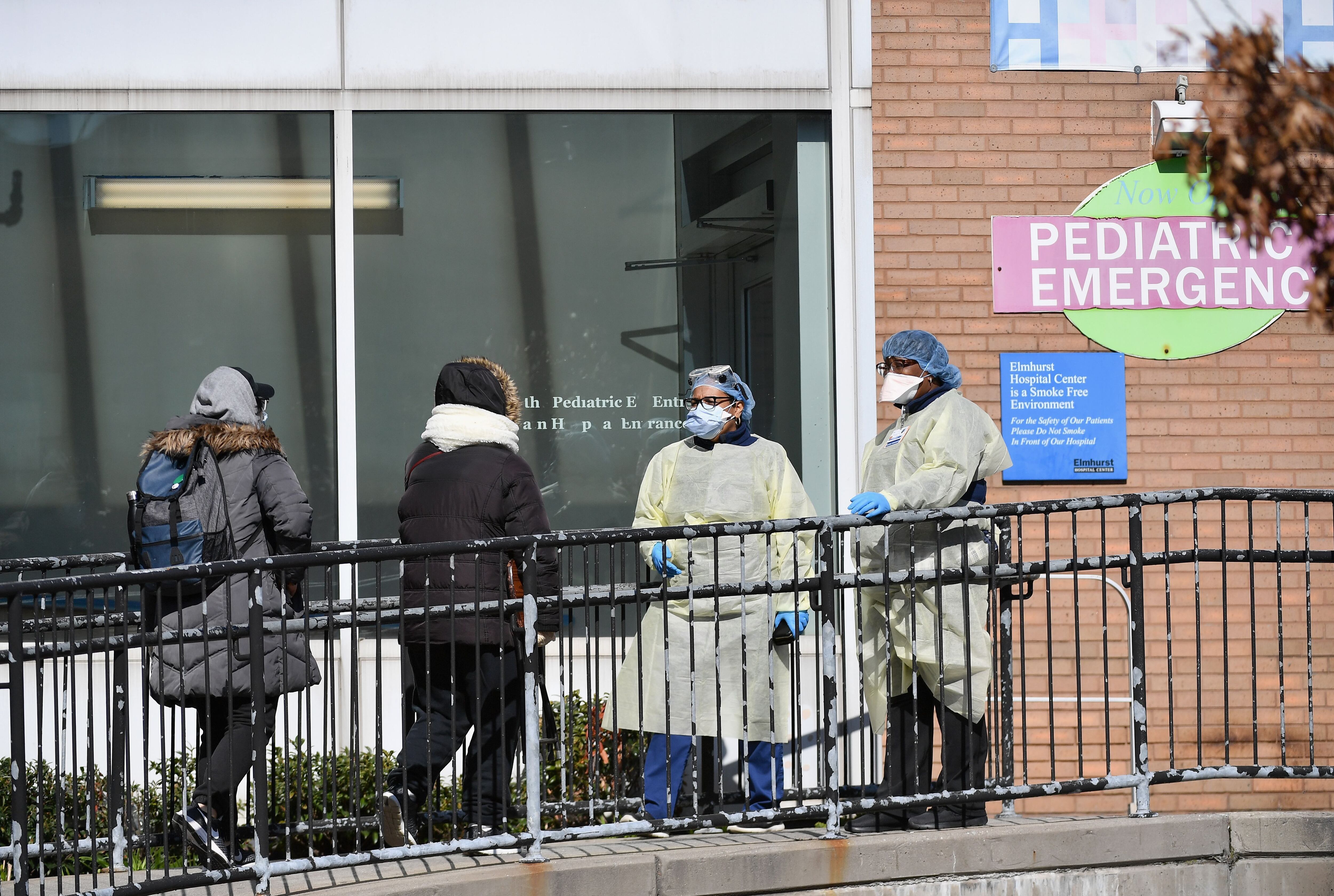
Healthcare workers have launched their own campaigns for gathering personal protective equipment as they fight the coronavirus on the frontlines, with #GetUsPPE trending across social media.
The House of Representatives overwhelmingly passed the $2.2 trillion coronavirus aid package Friday afternoon, but what was expected to be a smooth confirmation process devolved into a mad dash in the Capitol after one of the House’s own threatened to derail the vote with a procedural objection.
Despite President Donald Trump’s call to put the economy back to work by Easter, one Johns Hopkins physician says there may have to be “variability” in when states and cities restart their economies.