The U.S. lost a stunning 22 million jobs in March and April at the beginning of the coronavirus pandemic, with only about half of those numbers returning in the following seven months. With weekly jobless claims remaining high, voters might want to know more about what former Vice President Joe Biden and President Donald Trump intend to do on the issue of labor.
Biden has pledged to do whatever it takes to help jobs recover through direct stimulus payments. His plan includes funding for state and local governments to keep essential workers on their payrolls and federal payouts to supplement state unemployment checks.
Meanwhile, Trump favors tax cuts and deregulation to stimulate the economy but concedes that another infusion of cash stimulus is likely needed. The president also extended federal unemployment benefits for six weeks after they were set to expire in July but at a lower rate of $300 a week, half the amount of the earlier benefit.
Both candidates support tax incentives for manufacturers to keep jobs at home. Biden even proposes tax penalties for those businesses that ship manufacturing jobs overseas with the intention of selling finished products back into the U.S.
Whoever wins the election in November faces a daunting task, with millions still out of work, consumer spending slowing down, and a resurgence in coronavirus cases adding to the economic woes.
Read More on Trump and Biden's Plans:
Trump vs. Biden on Raising the Federal Minimum Wage
Biden vs. Trump on Student Loans and Higher Education
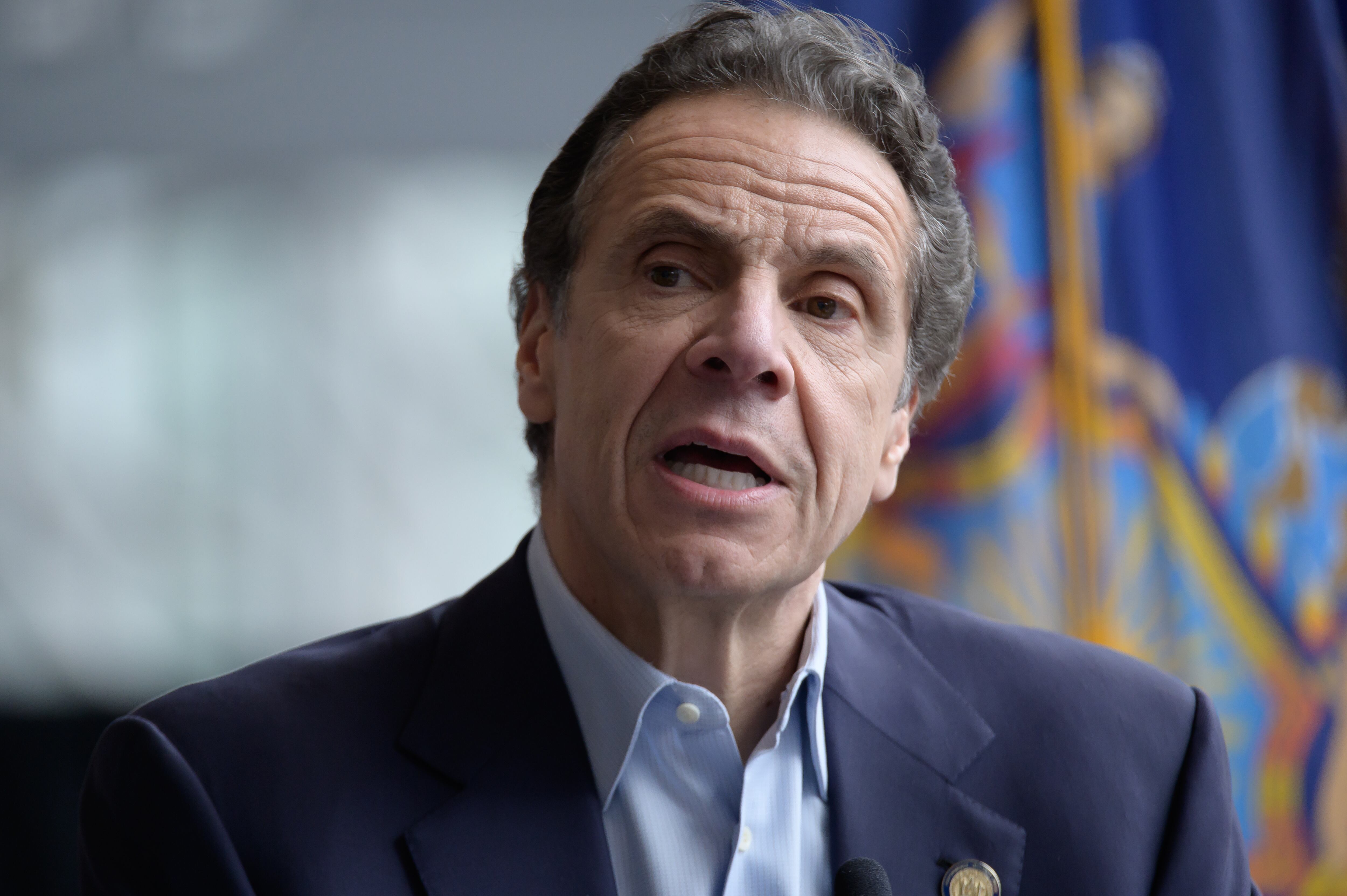
During a Wednesday press conference, New York Gov. Andrew Cuomo said social distancing will be key to making sure state hospitals can handle the apex of cases expected in late April.
Tal Cohen, executive vice president and head of Nasdaq's North American Markets, told Cheddar Wednesday that the markets are beginning to grasp how to function during the outbreak.
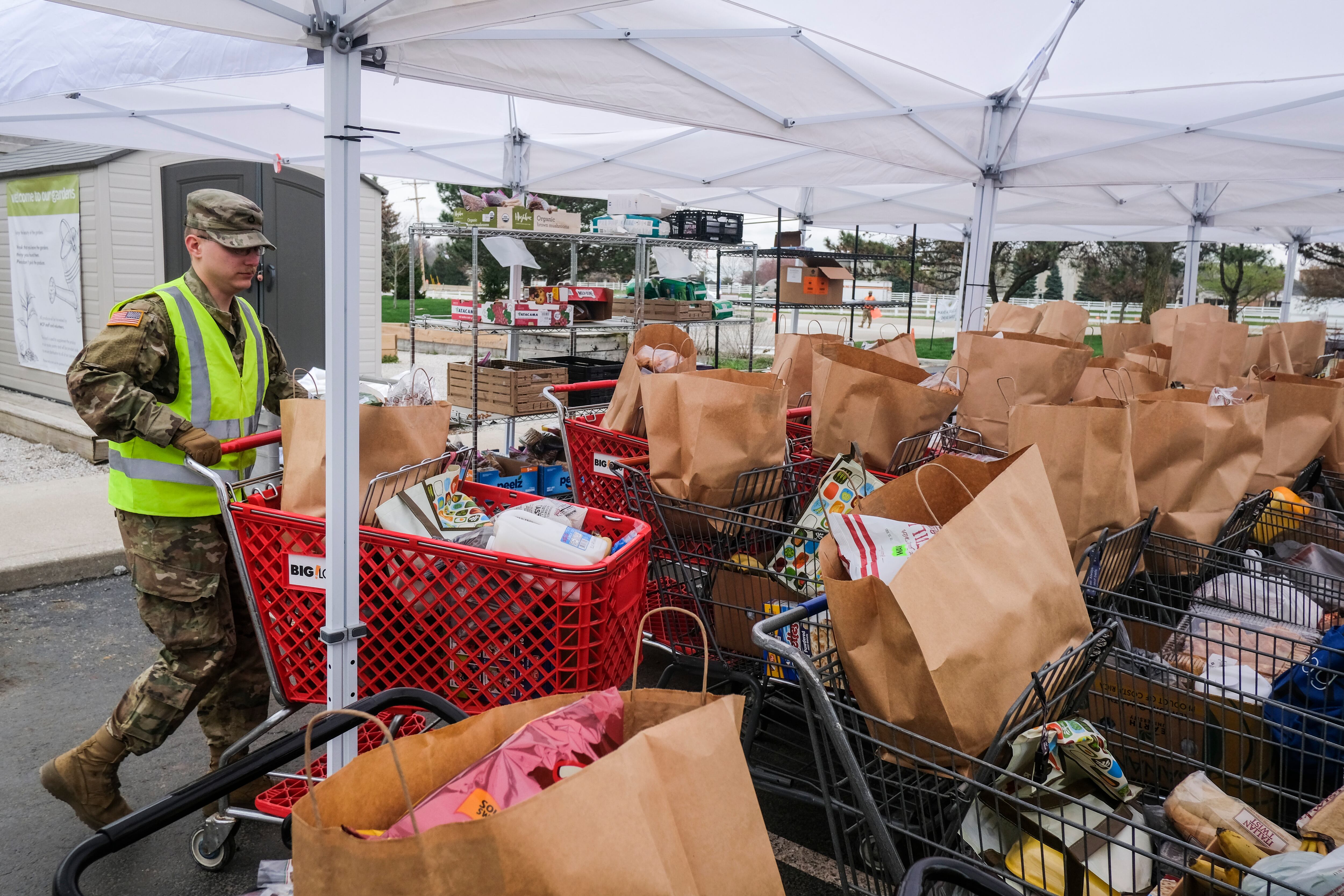
Sabine Altendorf of the Food and Agriculture Organization of the United Nations warned that while so far the impact of the rapidly evolving crisis on food supply has been limited, it could change drastically.
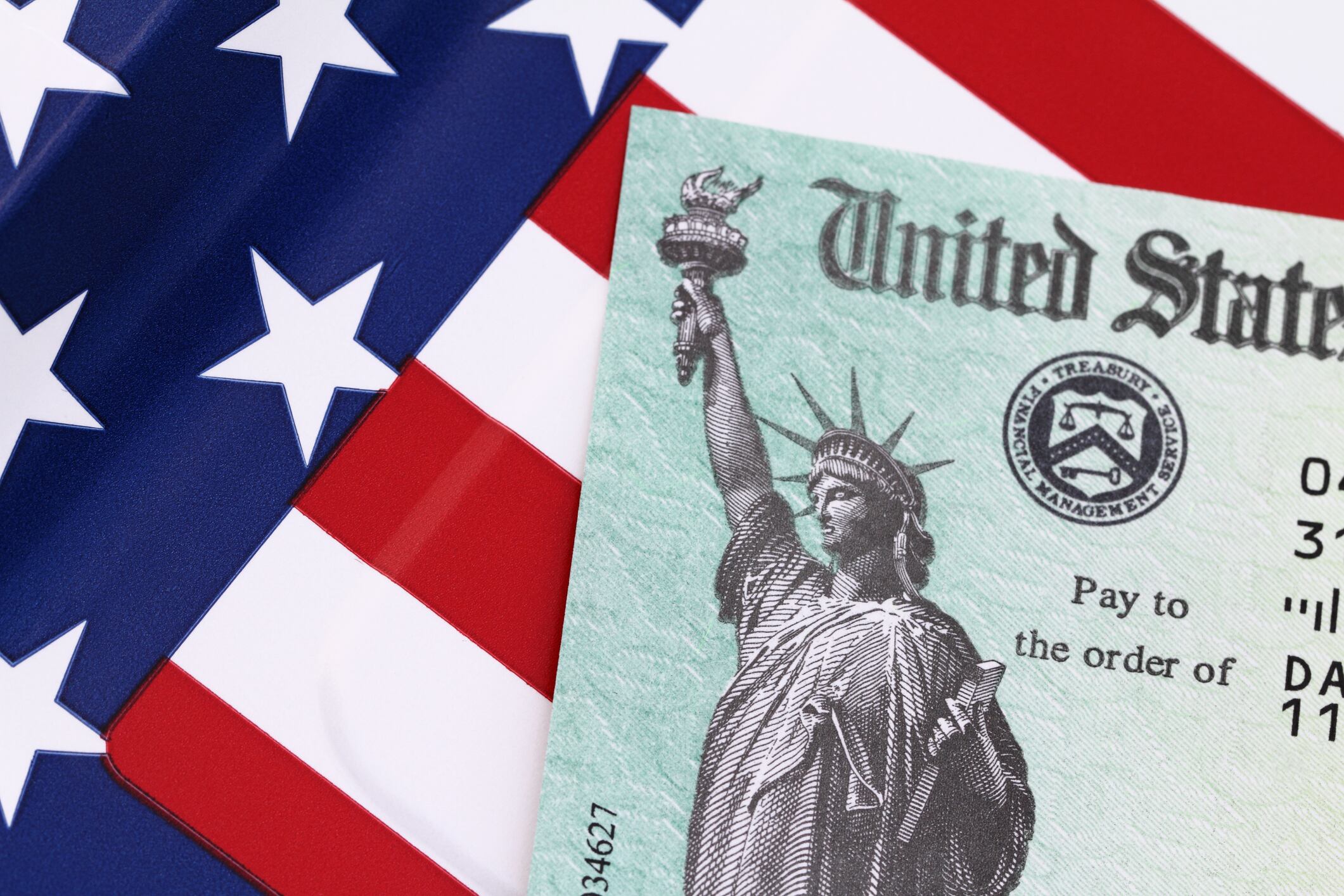
Coronavirus stimulus checks are going to be distributed in the next three weeks, the Internal Revenue Service said Monday, and offered a little bit more clarity on how people can actually get their payments.
Stocks are sinking again on Wall Street as more signs piled up of the economic and physical pain being caused by the coronavirus outbreak.
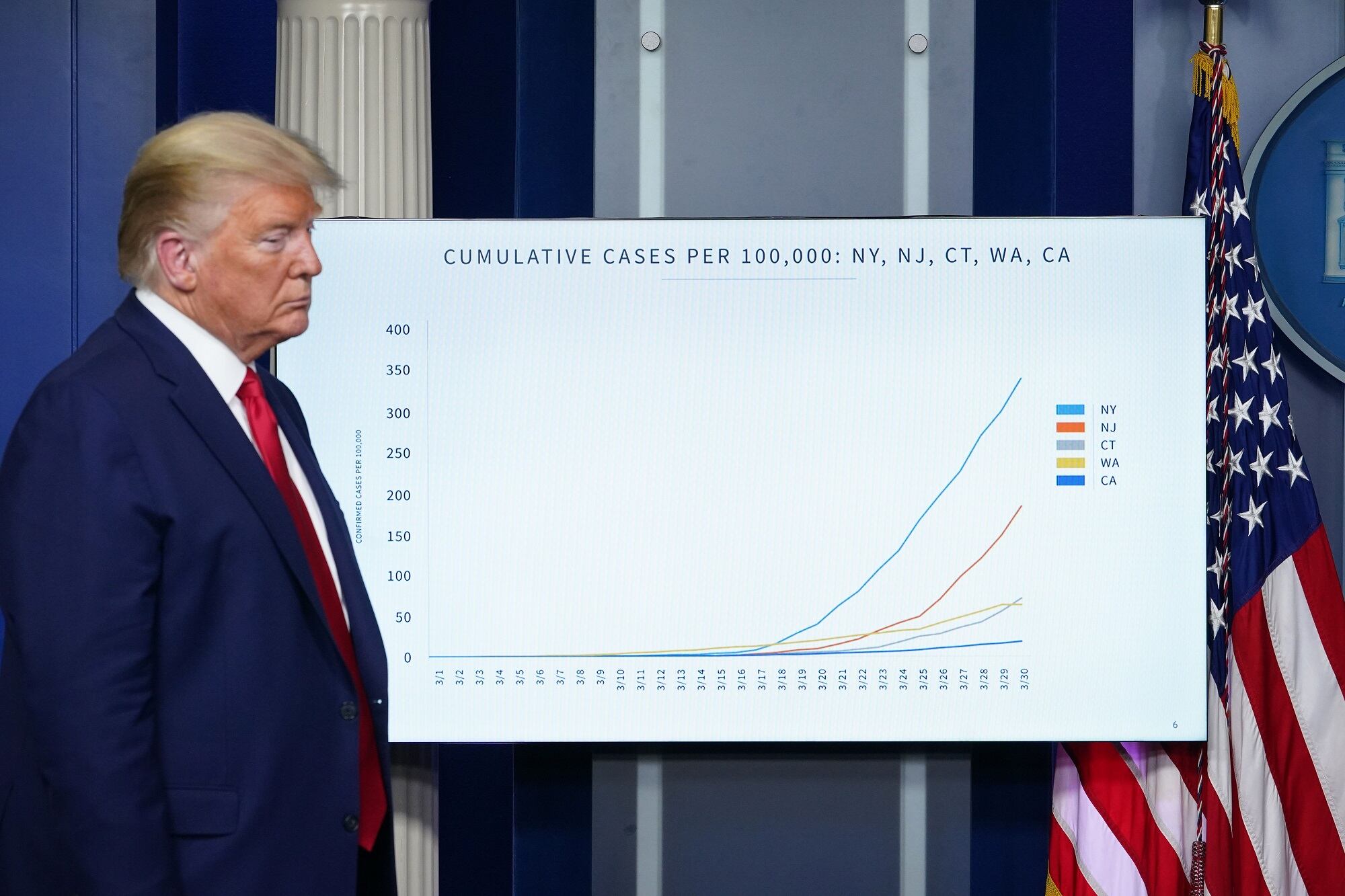
President Donald Trump on Tuesday warned Americans to brace for a “rough two-week period” ahead as the White House released new projections that there could be 100,000 to 240,000 deaths in the U.S. from the coronavirus pandemic even if current social distancing guidelines are maintained.
As some see promising returns from California’s early shelter in place orders, Governor Gavin Newsom announced Tuesday a growing number of cases and hospitalizations in the state as a record number of Californians file for unemployment.
Senator Amy Klobuchar told Cheddar on Tuesday that Americans need cash from canceled flights to provide immediate relief, but airline executives have not responded to the call.
Parsing the data from around the world is showing a stark difference in how the COVID-19 pandemic is impacting mortality and socioeconomic suffering along gender lines.
Ohio Senator Sherrod Brown is pushing forward with his proposal to provide a $10,000 payoff to all federal student loan borrowers in the next round of stimulus funding.