The U.S. lost a stunning 22 million jobs in March and April at the beginning of the coronavirus pandemic, with only about half of those numbers returning in the following seven months. With weekly jobless claims remaining high, voters might want to know more about what former Vice President Joe Biden and President Donald Trump intend to do on the issue of labor.
Biden has pledged to do whatever it takes to help jobs recover through direct stimulus payments. His plan includes funding for state and local governments to keep essential workers on their payrolls and federal payouts to supplement state unemployment checks.
Meanwhile, Trump favors tax cuts and deregulation to stimulate the economy but concedes that another infusion of cash stimulus is likely needed. The president also extended federal unemployment benefits for six weeks after they were set to expire in July but at a lower rate of $300 a week, half the amount of the earlier benefit.
Both candidates support tax incentives for manufacturers to keep jobs at home. Biden even proposes tax penalties for those businesses that ship manufacturing jobs overseas with the intention of selling finished products back into the U.S.
Whoever wins the election in November faces a daunting task, with millions still out of work, consumer spending slowing down, and a resurgence in coronavirus cases adding to the economic woes.
Read More on Trump and Biden's Plans:
Trump vs. Biden on Raising the Federal Minimum Wage
Biden vs. Trump on Student Loans and Higher Education
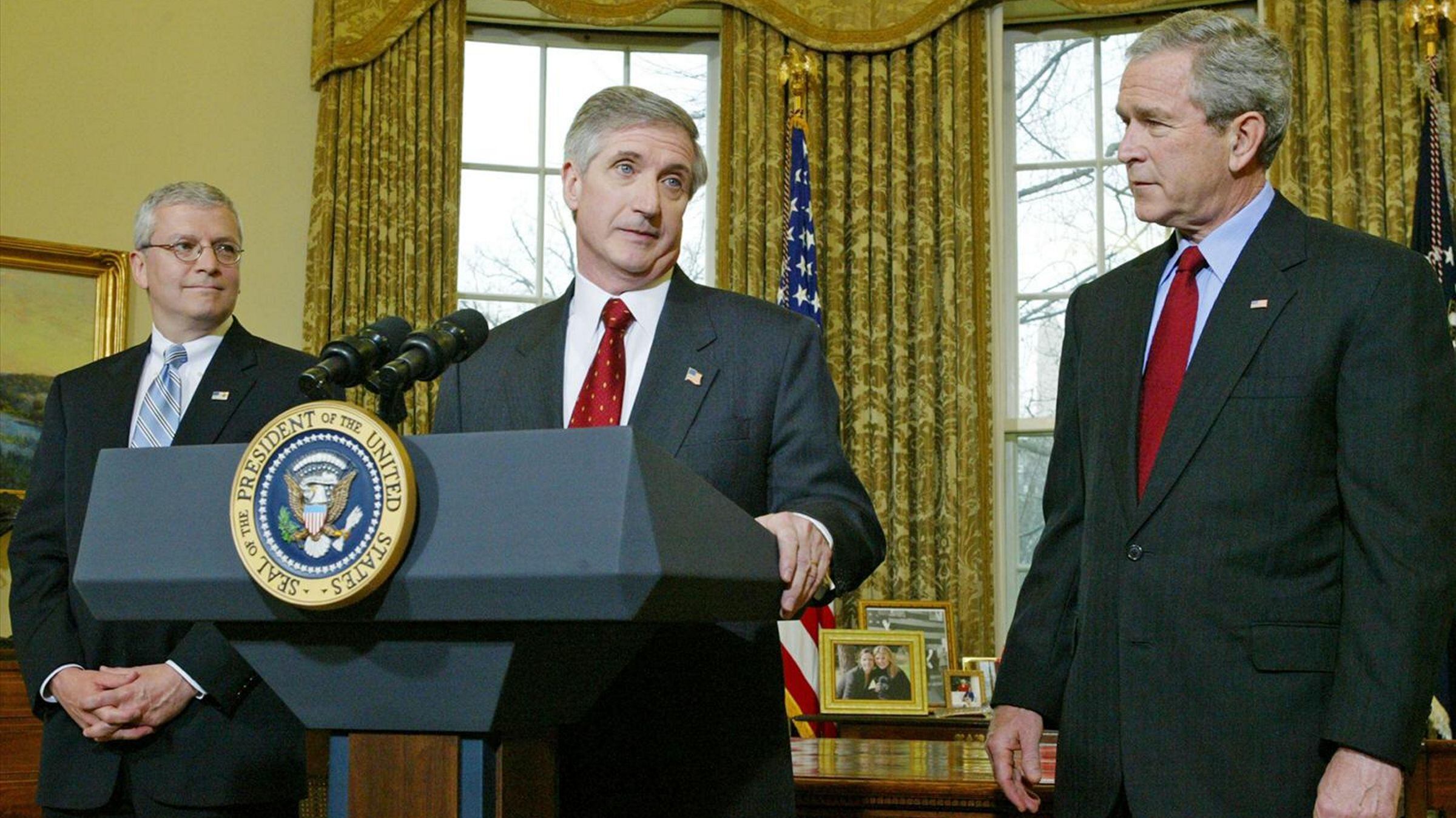
Andy Card, the White House chief of staff who famously informed President George W. Bush of the Sept. 11, 2001 attacks, offered some pointers on how to handle a national crisis.
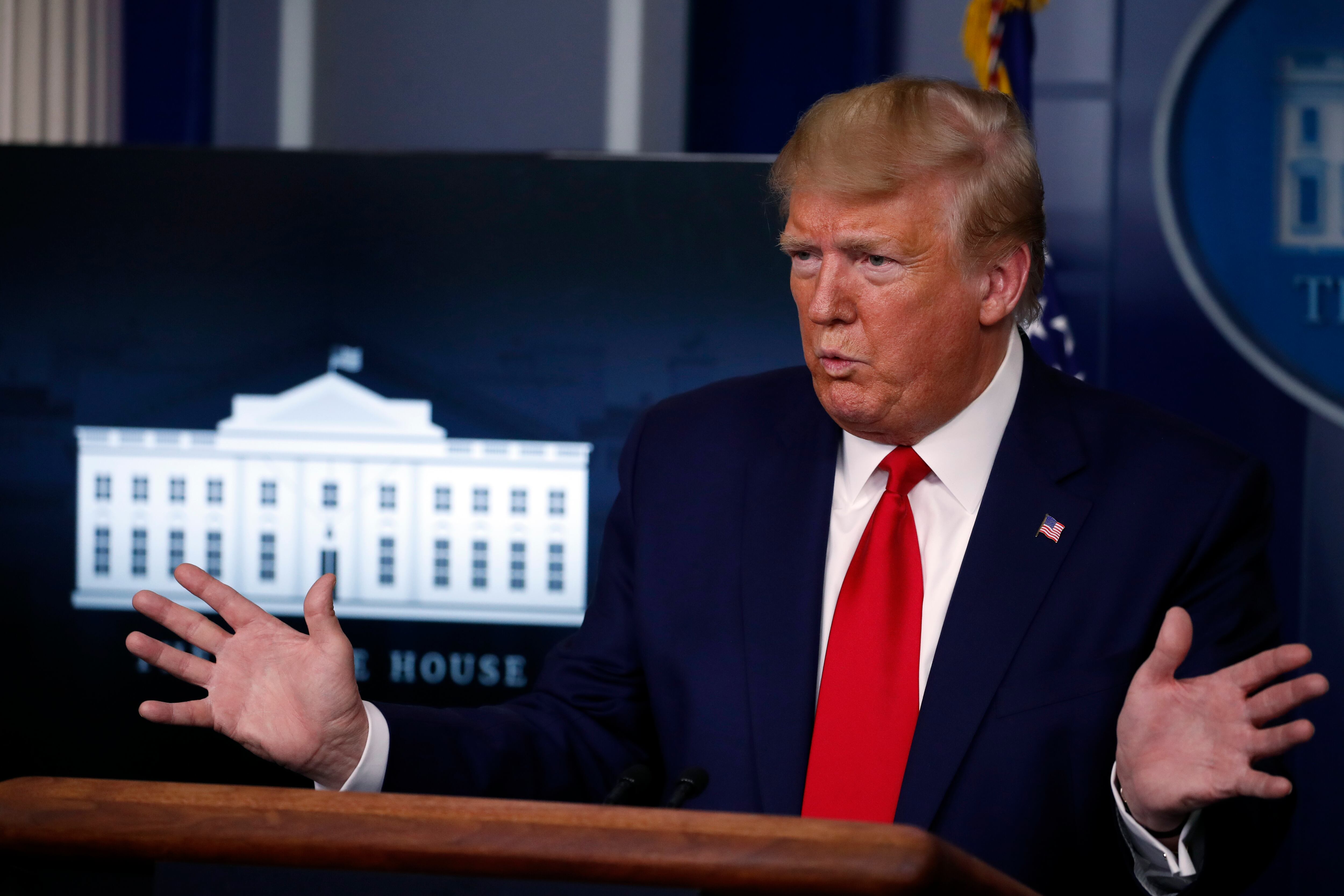
President Donald Trump on Monday disputed the veracity of a federal survey that found hospitals faced severe shortages of coronavirus test supplies, questioning whether its conclusions were skewed by politics.
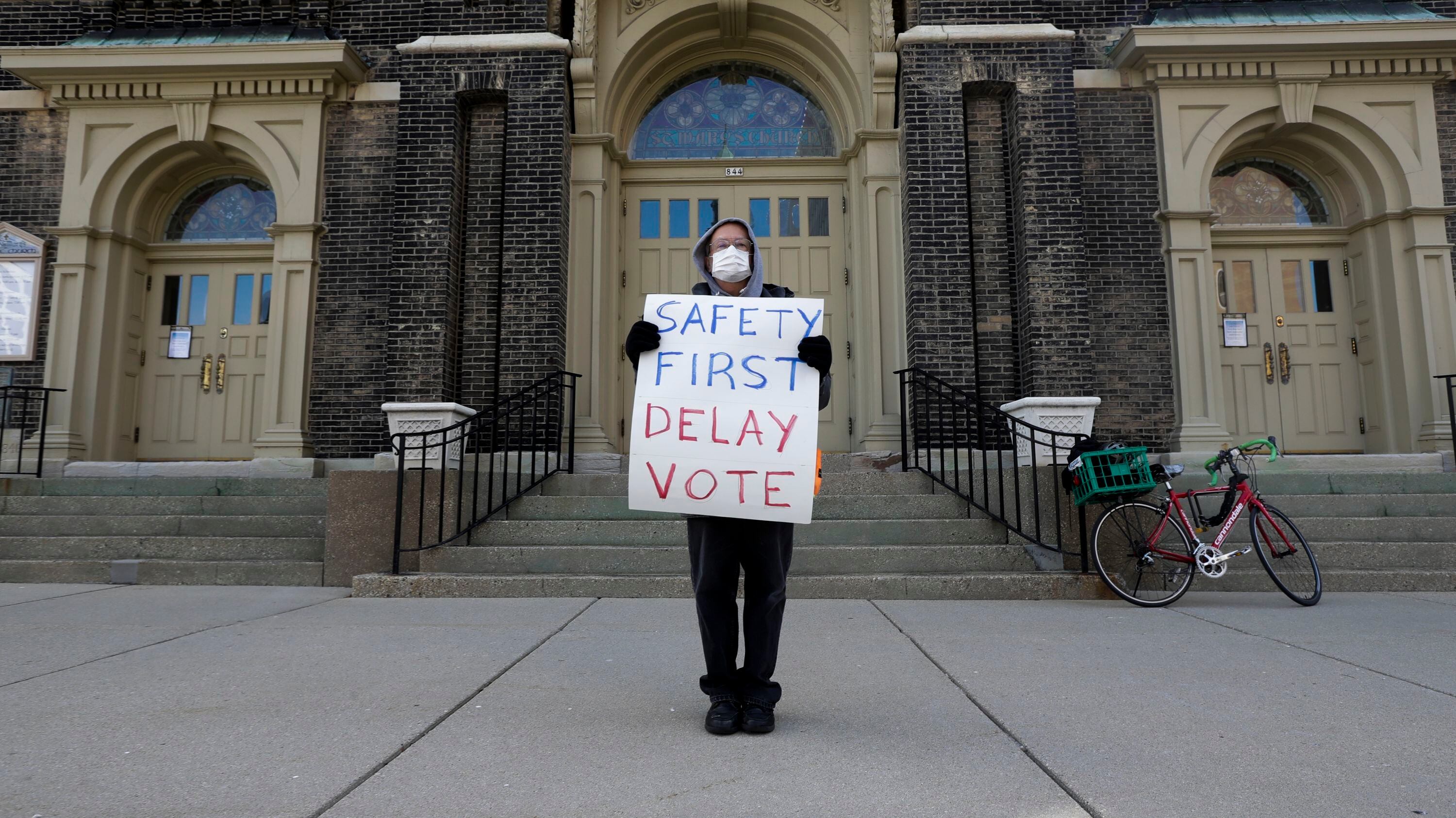
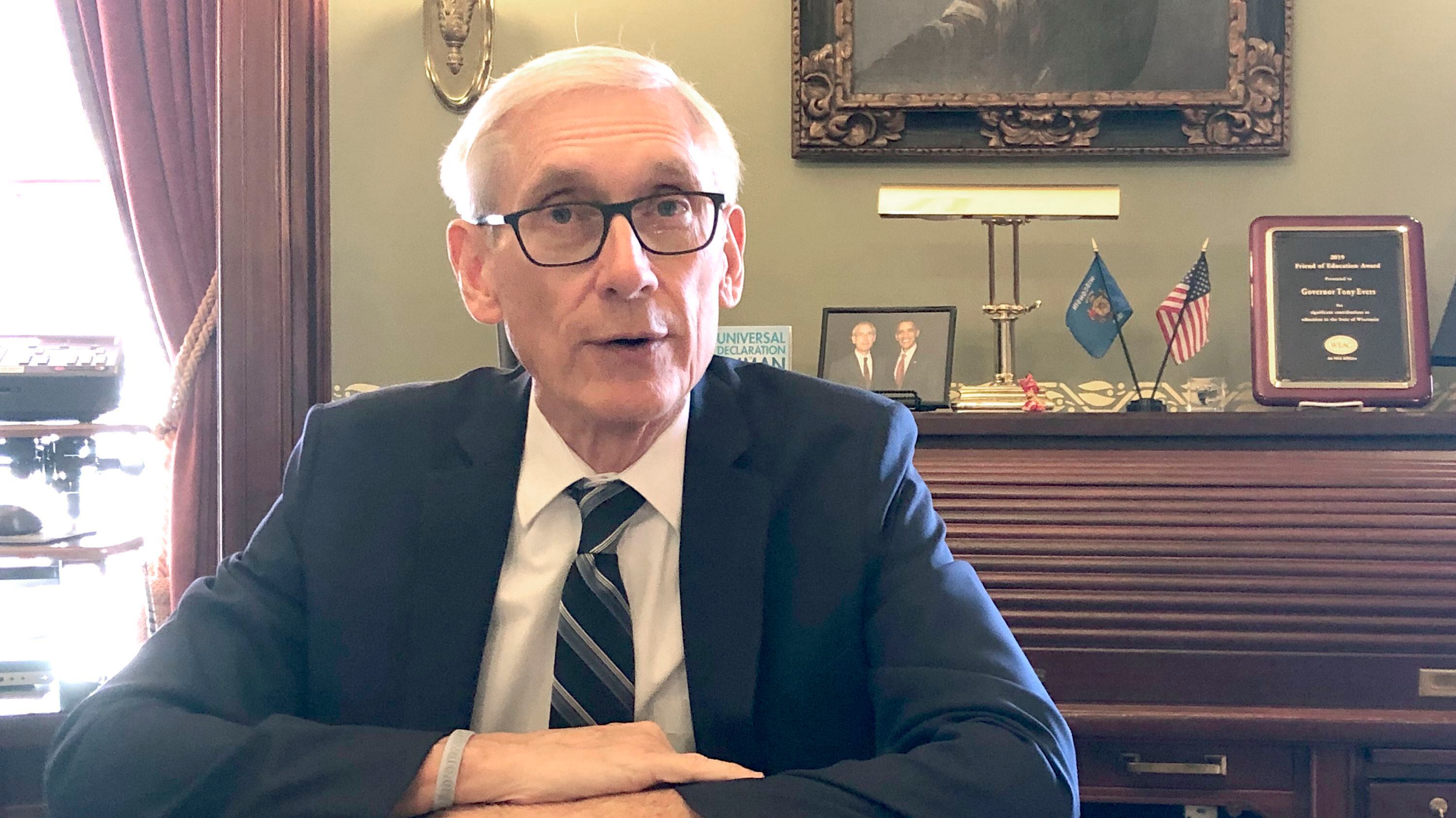
Wisconsin’s presidential primary election will proceed Tuesday under an order from the state Supreme Court that came just hours after Democratic Gov. Tony Evers tried to postpone voting as part of a last-ditch effort amid growing fears over the coronavirus.
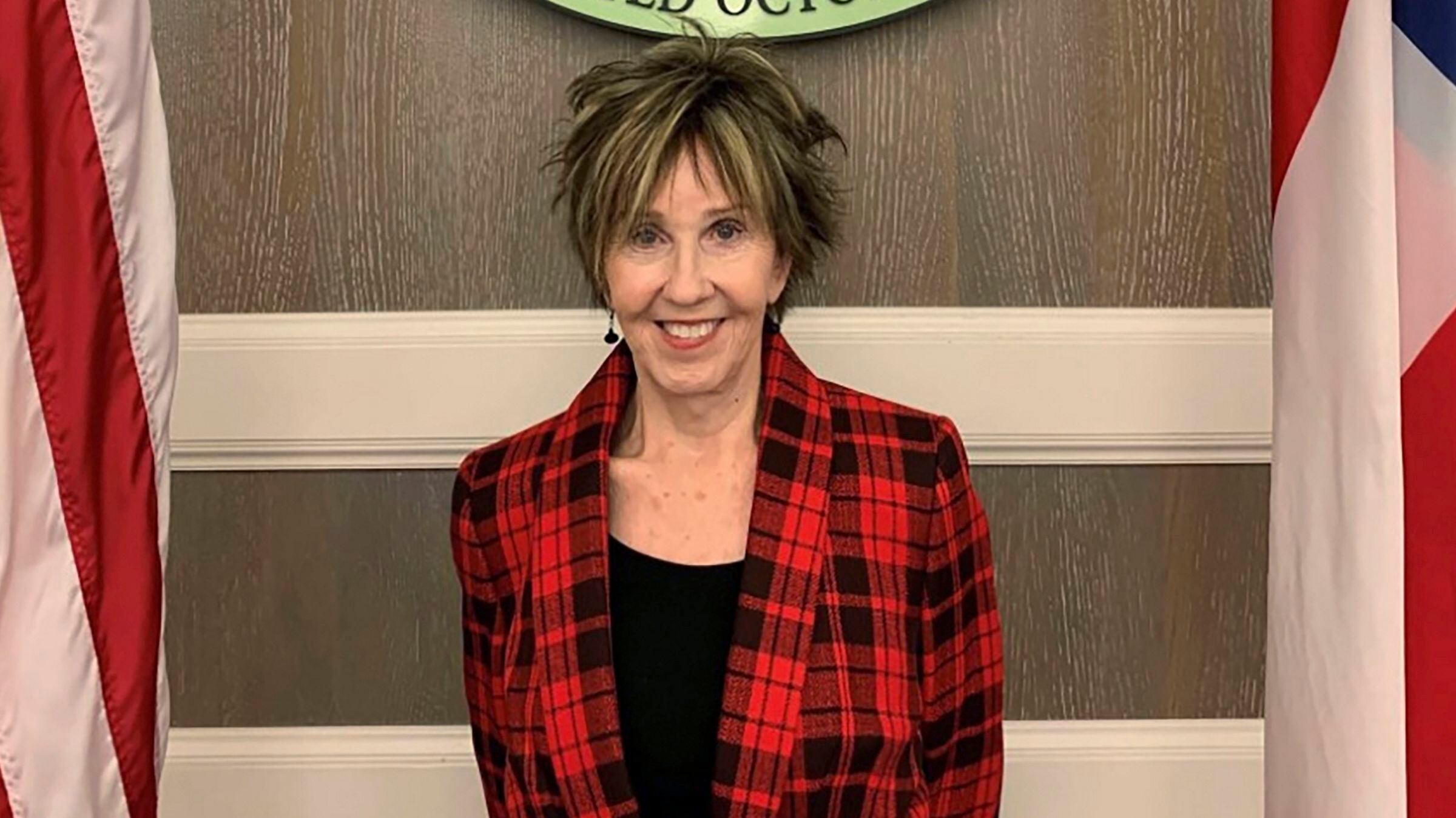
The city's Mayor Shirley Sessions, who called the governor's decision "reckless," told Cheddar Monday that she vows to fight back against this exception to his mandate.
New Jersey Gov. Phil Murphy delivered a message of cautious optimism on Monday while relaying the latest COVID-19 data gathered by the state.
Announcing 599 deaths in the last 24 hours, Cuomo called the fatality number “effectively flat for two days,” which he said hints at a possible flattening of New York’s curve, along with fewer hospital and ICU admissions
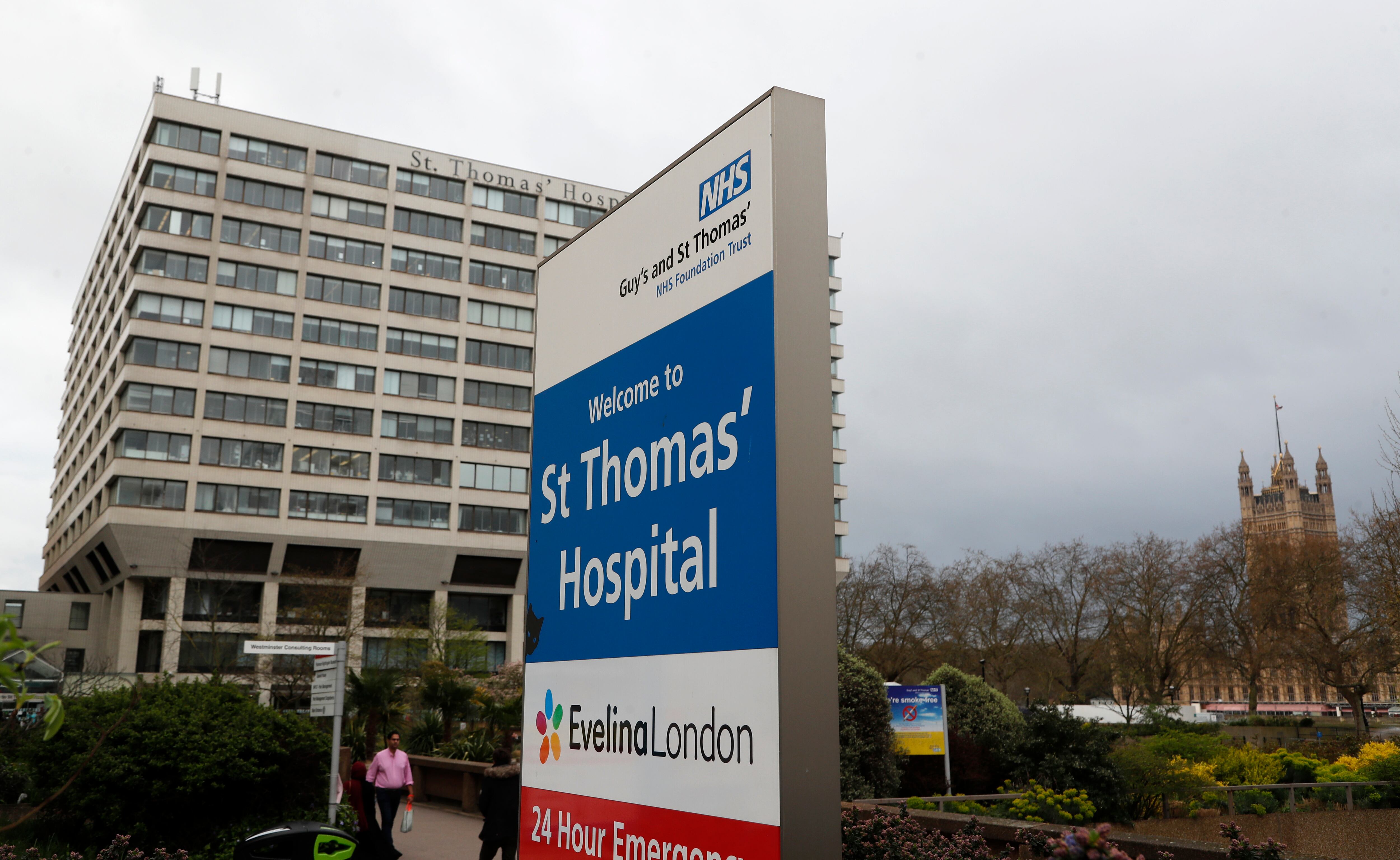
British Prime Minister Boris Johnson was moved to the intensive care unit of a London hospital after his coronavirus symptoms worsened Monday, just a day after he was admitted for what were said to be routine tests.
A look at the provisions for student loans in the recently passed CARES Act.
Wisconsin Gov. Tony Evers has issued an executive order to delay the state’s scheduled Tuesday presidential primary election for two months because of the coronavirus pandemic.
New York City could start burying its dead in city parks if the mortality rate from coronavirus doesn’t decline soon, according to City Council Health Committee Chair Mark Levine.