The U.S. lost a stunning 22 million jobs in March and April at the beginning of the coronavirus pandemic, with only about half of those numbers returning in the following seven months. With weekly jobless claims remaining high, voters might want to know more about what former Vice President Joe Biden and President Donald Trump intend to do on the issue of labor.
Biden has pledged to do whatever it takes to help jobs recover through direct stimulus payments. His plan includes funding for state and local governments to keep essential workers on their payrolls and federal payouts to supplement state unemployment checks.
Meanwhile, Trump favors tax cuts and deregulation to stimulate the economy but concedes that another infusion of cash stimulus is likely needed. The president also extended federal unemployment benefits for six weeks after they were set to expire in July but at a lower rate of $300 a week, half the amount of the earlier benefit.
Both candidates support tax incentives for manufacturers to keep jobs at home. Biden even proposes tax penalties for those businesses that ship manufacturing jobs overseas with the intention of selling finished products back into the U.S.
Whoever wins the election in November faces a daunting task, with millions still out of work, consumer spending slowing down, and a resurgence in coronavirus cases adding to the economic woes.
Read More on Trump and Biden's Plans:
Trump vs. Biden on Raising the Federal Minimum Wage
Biden vs. Trump on Student Loans and Higher Education
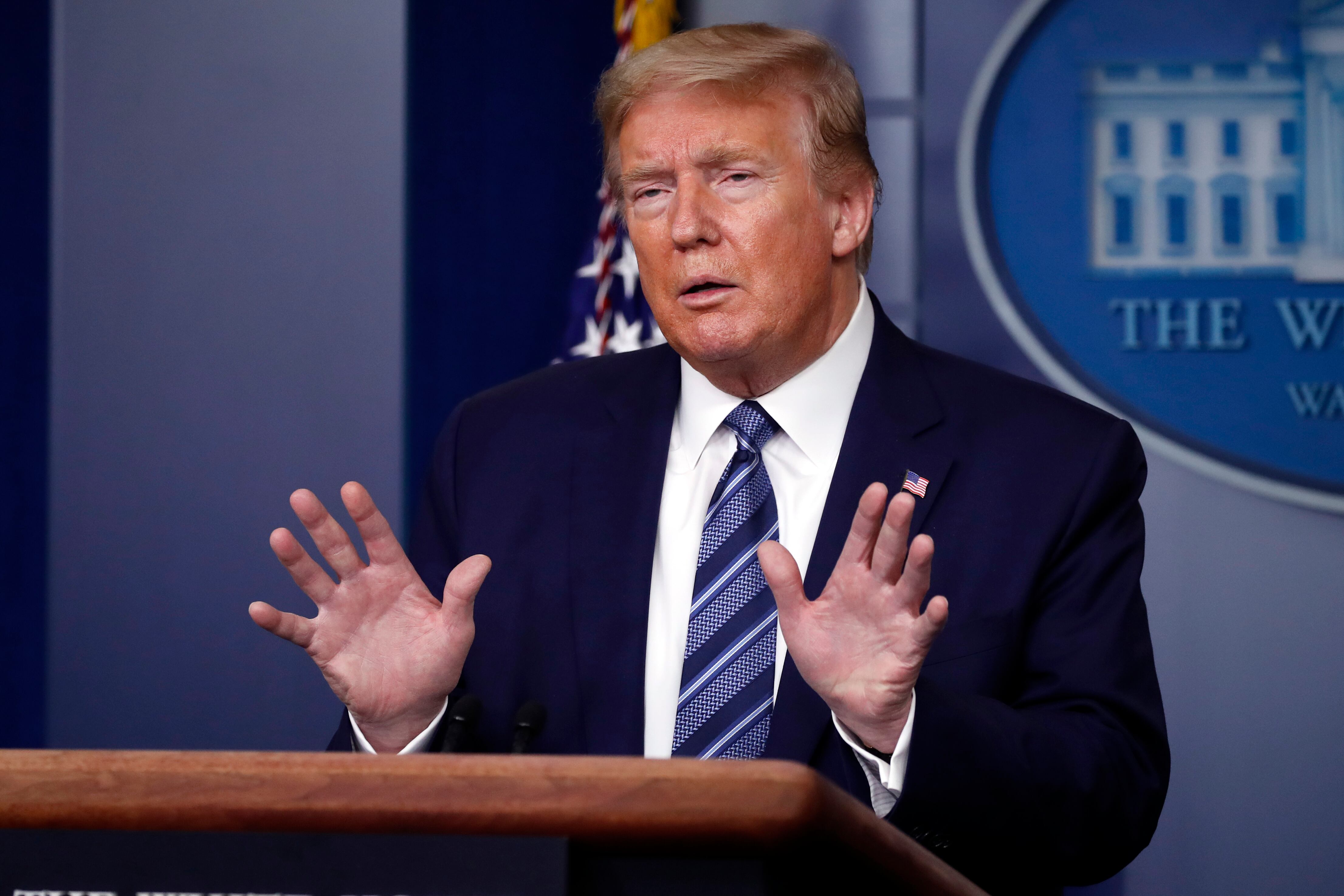
President Donald Trump says he's ordered the Navy to “shoot down and destroy” any Iranian gunboats found to be harassing U.S. ships. Trump made the announcement on Twitter but provided no details.
Main Street America, a network of 1,600 commercial districts covering 300,000 small businesses, has conducted a survey offering some sobering statistics on the economic impact of the coronavirus pandemic.
President Donald Trump announced what he described as a “temporary suspension of immigration into the United States” on Tuesday. But he said the executive order he plans to sign as soon as Wednesday would apply only to those seeking permanent residency and not temporary workers.
Atlanta Mayor Keisha Lance Bottoms is speaking out against Georgia Gov. Brian Kemp's plan to reopen businesses such as gyms, nail salons, barbershops, and bowling alleys this Friday, April 24.
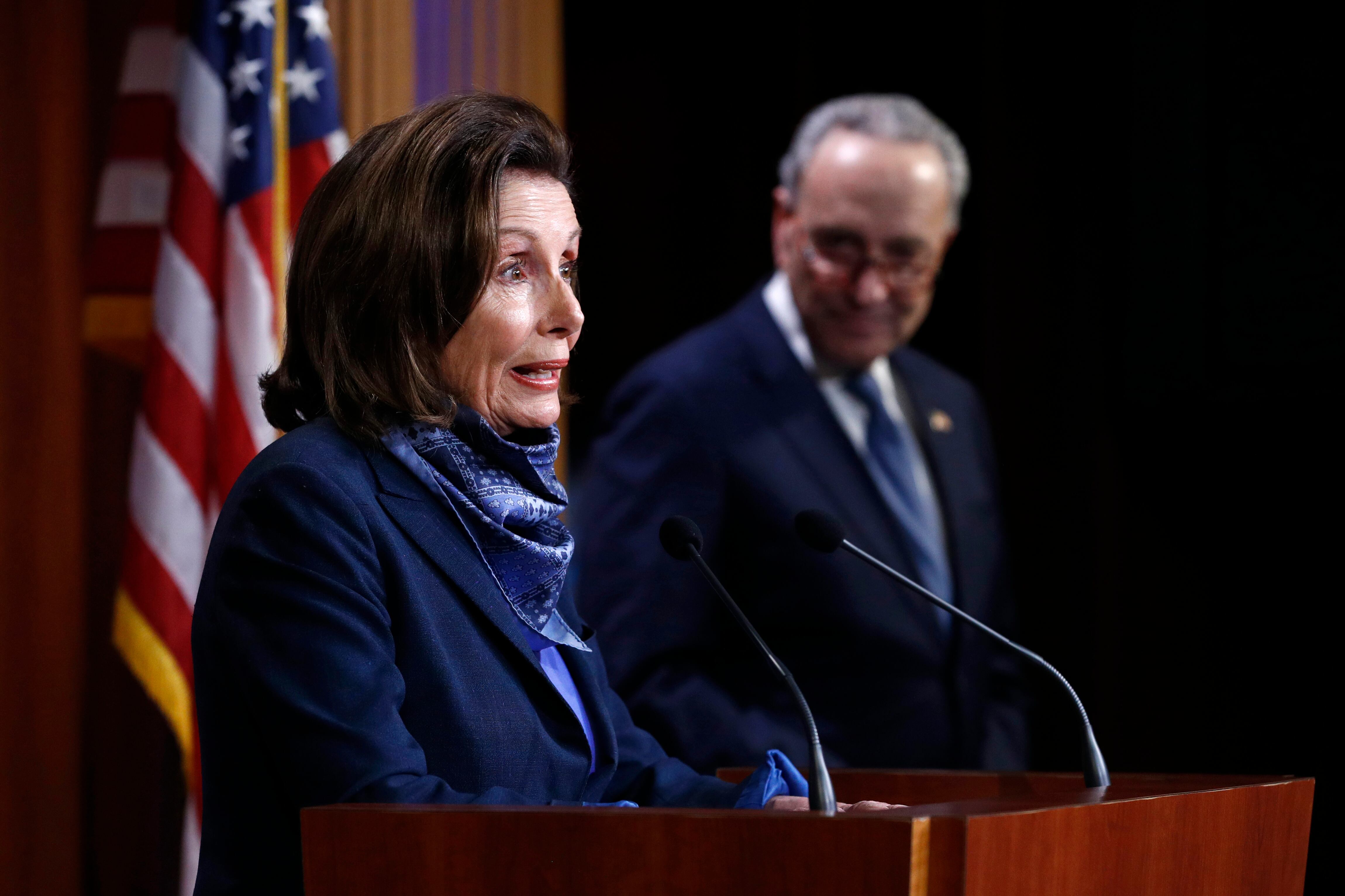
The Senate has approved a $483 billion coronavirus aid package after Congress and the White House reached a deal. The measure, passed Tuesday by the Senate, would replenish a small-business rescue program, provide hospitals with $75 billion more and implement a nationwide virus testing program to facilitate reopening the economy.
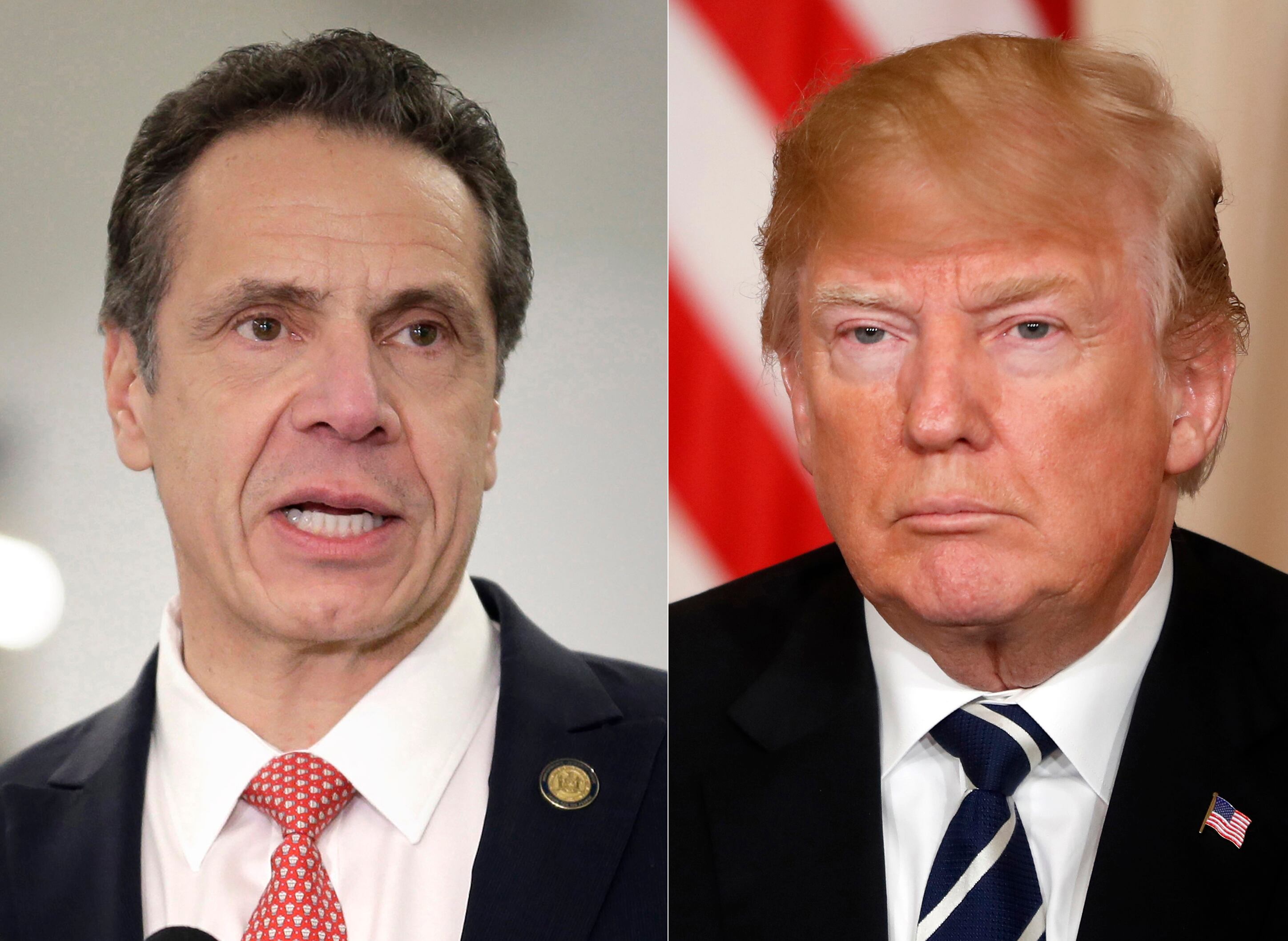
New York Gov. Andrew Cuomo said he had a “functional and effective” Oval Office meeting on Tuesday with President Donald Trump in which he pressed for more federal help as states try to increase testing for the coronavirus.
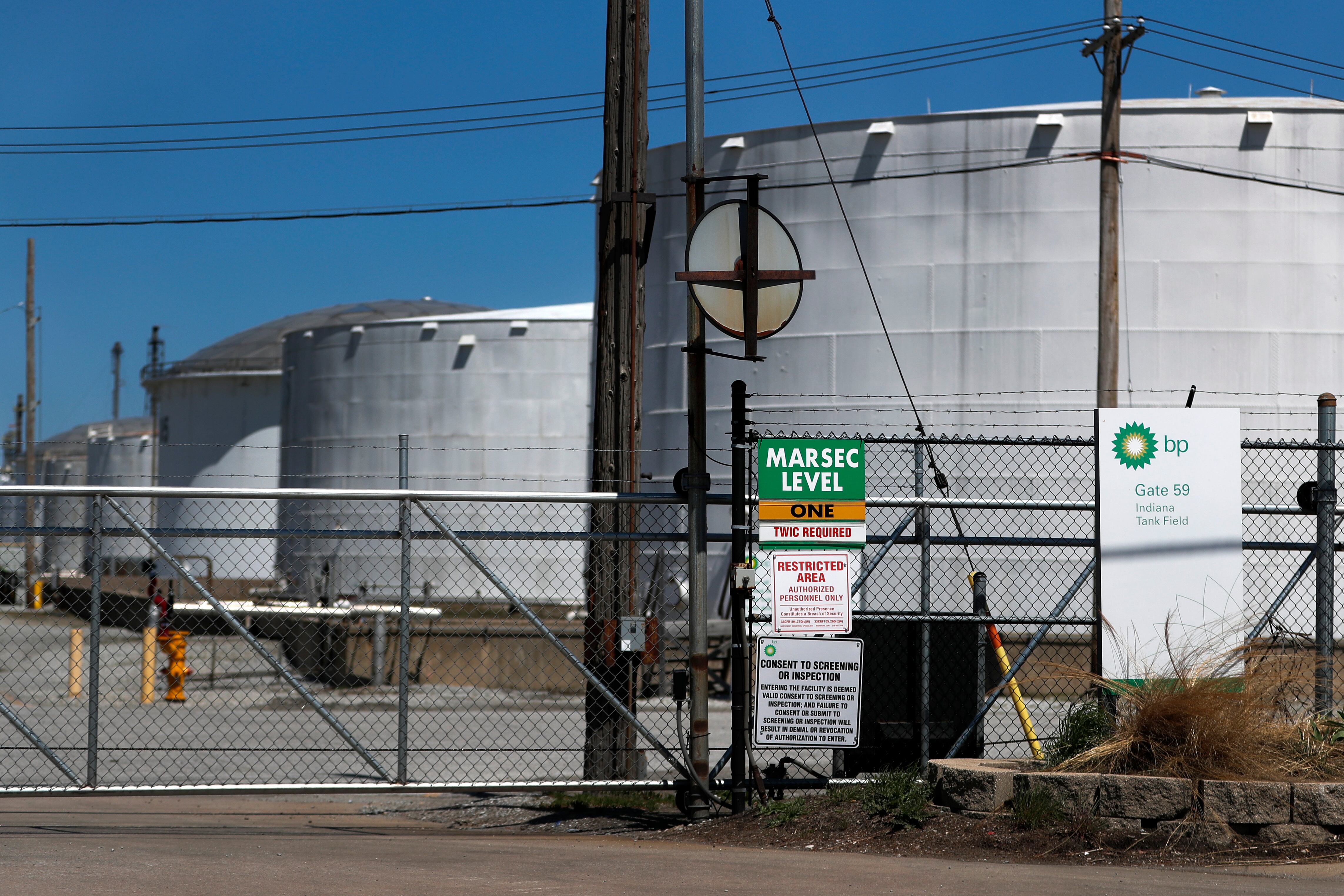
Oil prices are continuing to collapse, and U.S. stocks dropped to their worst loss in weeks as worries sweep markets about the economic damage caused by the coronavirus outbreak.
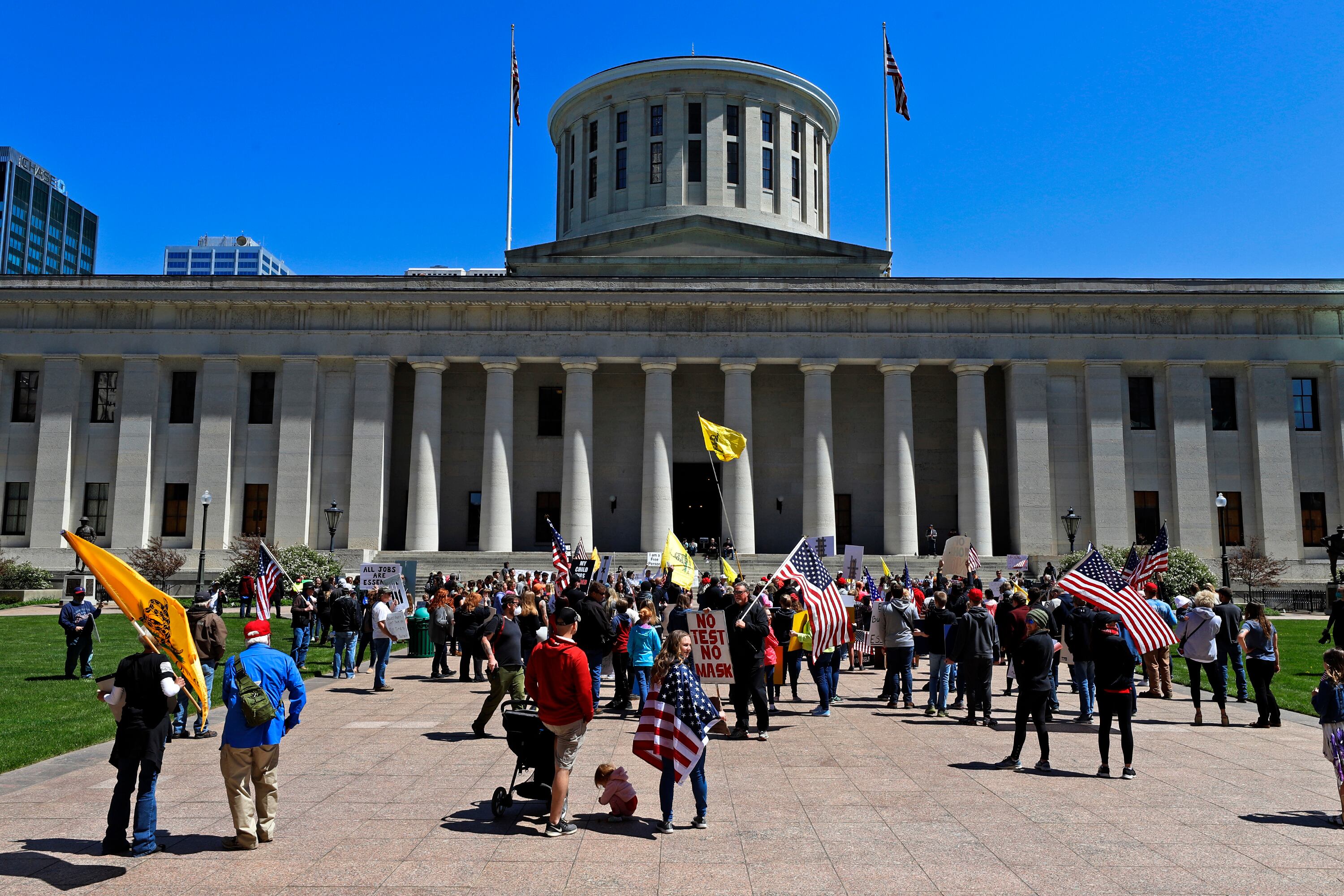
Rep. Nino Vitale (R-Ohio 85th District) joined hundreds of protesters at the Ohio state capitol over the weekend, making him one of the few lawmakers to give his tacit support for the small but vocal group of people who are arguing against stay-at-home orders.
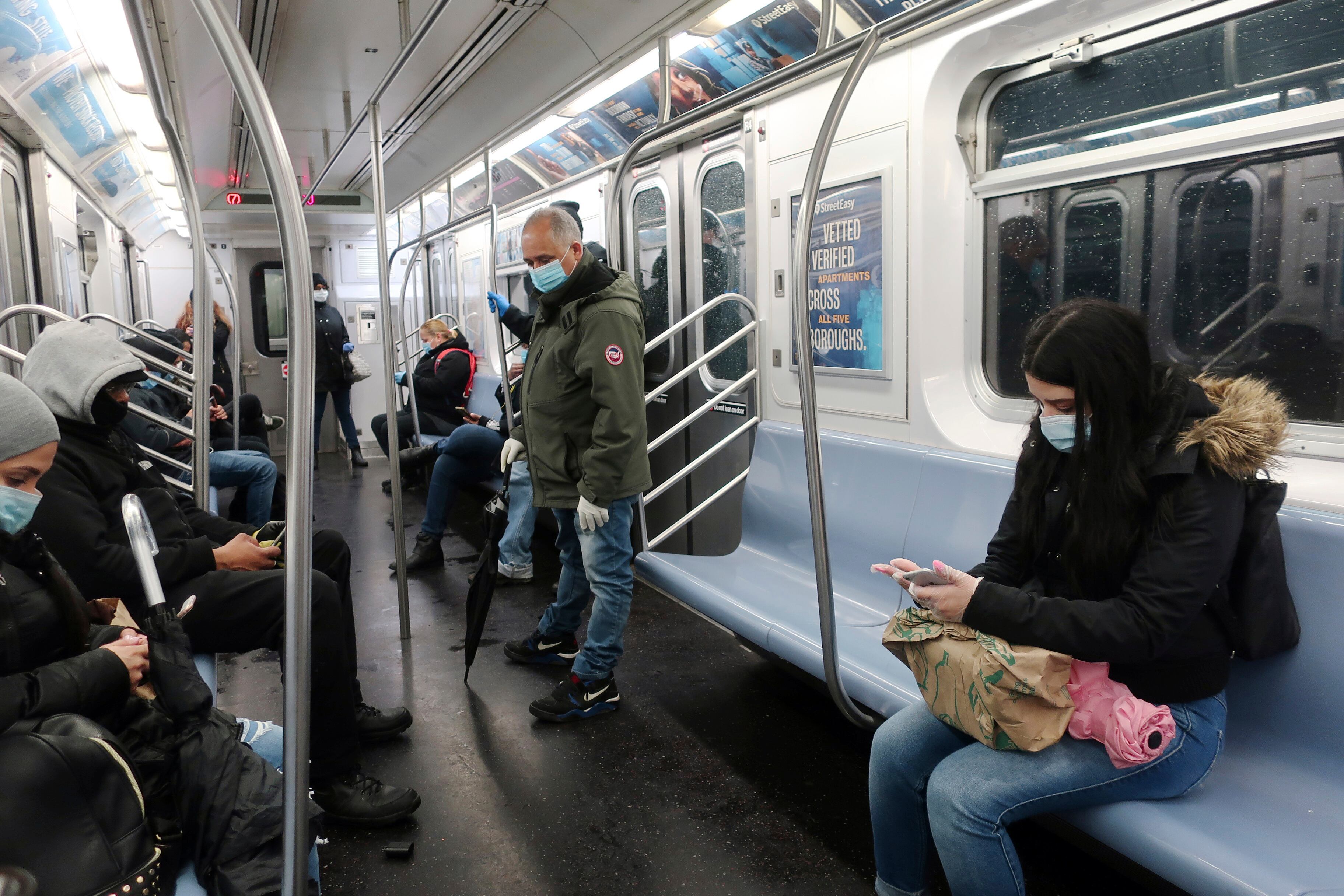
Tom Prendergast, the former chairman of the MTA, spoke to Cheddar to offer advice and possible solutions to the paradox of how to run the country's largest public transit network at levels that would help NYC "reopen," while also keeping the millions of daily riders safe.
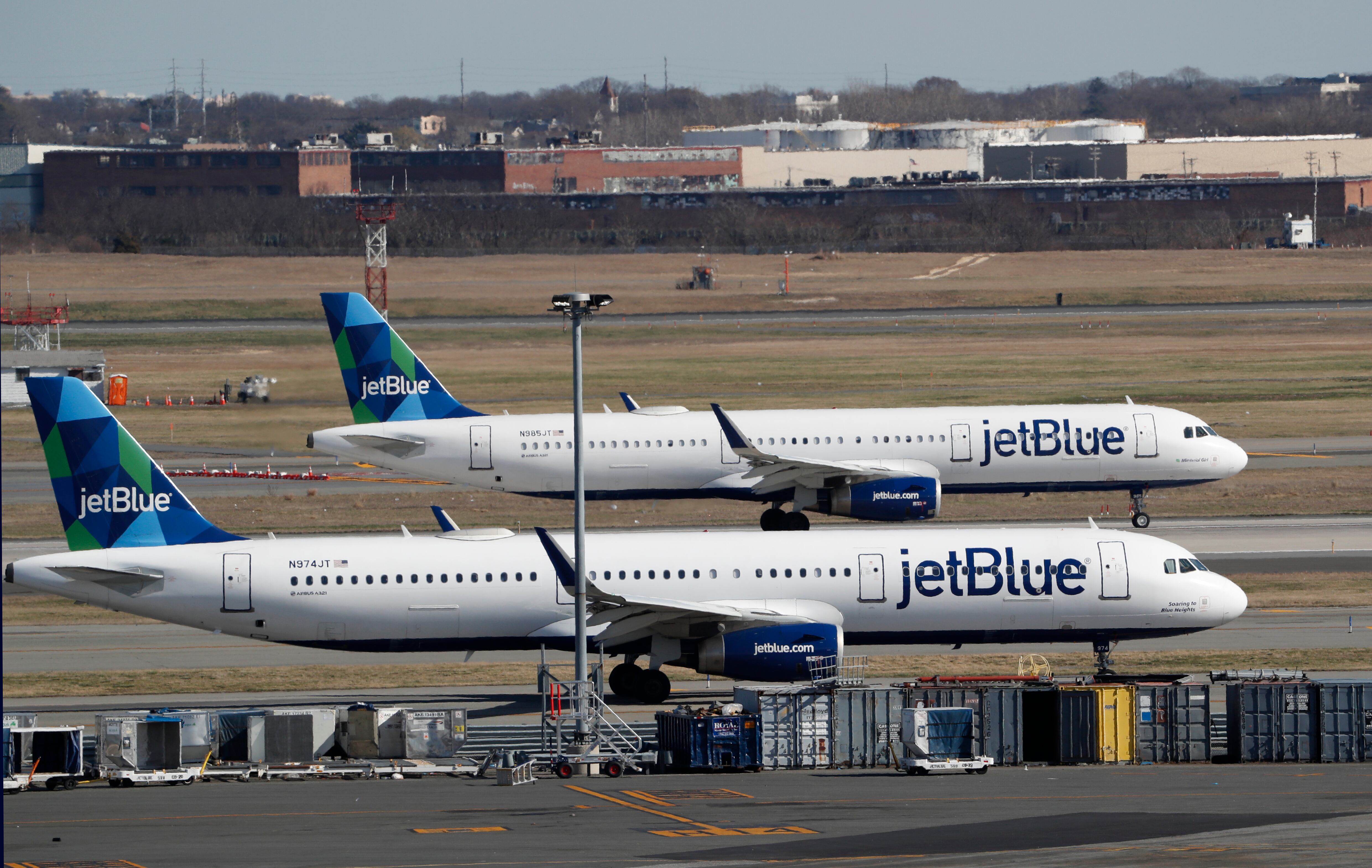
JetBlue Chairman Joel Peterson said he hoped to avoid furloughs and pay cuts that have been announced by other airlines such as United that would take place after a federally imposed deadline as a stipulation of the airline bailouts.