The U.S. lost a stunning 22 million jobs in March and April at the beginning of the coronavirus pandemic, with only about half of those numbers returning in the following seven months. With weekly jobless claims remaining high, voters might want to know more about what former Vice President Joe Biden and President Donald Trump intend to do on the issue of labor.
Biden has pledged to do whatever it takes to help jobs recover through direct stimulus payments. His plan includes funding for state and local governments to keep essential workers on their payrolls and federal payouts to supplement state unemployment checks.
Meanwhile, Trump favors tax cuts and deregulation to stimulate the economy but concedes that another infusion of cash stimulus is likely needed. The president also extended federal unemployment benefits for six weeks after they were set to expire in July but at a lower rate of $300 a week, half the amount of the earlier benefit.
Both candidates support tax incentives for manufacturers to keep jobs at home. Biden even proposes tax penalties for those businesses that ship manufacturing jobs overseas with the intention of selling finished products back into the U.S.
Whoever wins the election in November faces a daunting task, with millions still out of work, consumer spending slowing down, and a resurgence in coronavirus cases adding to the economic woes.
Read More on Trump and Biden's Plans:
Trump vs. Biden on Raising the Federal Minimum Wage
Biden vs. Trump on Student Loans and Higher Education
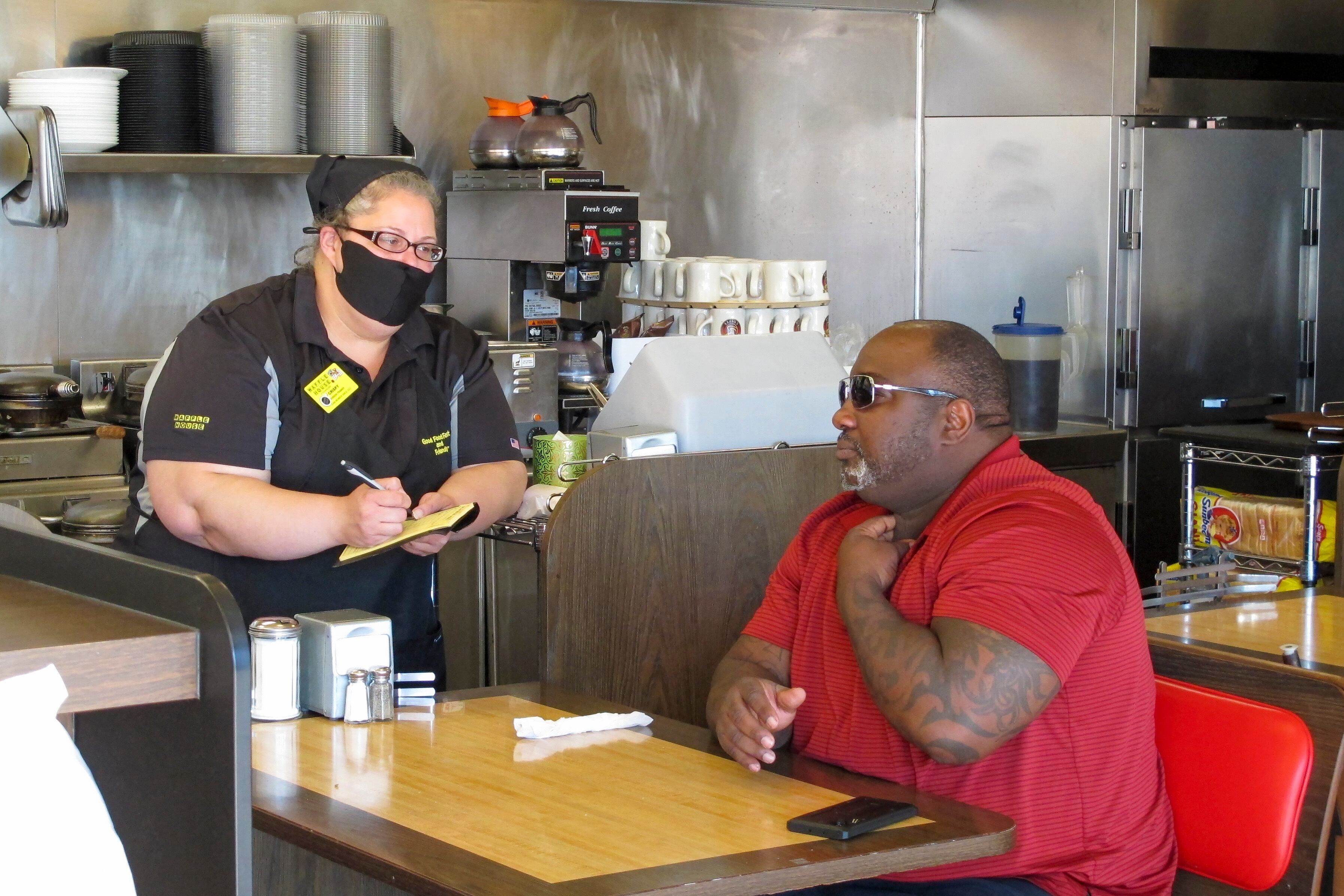
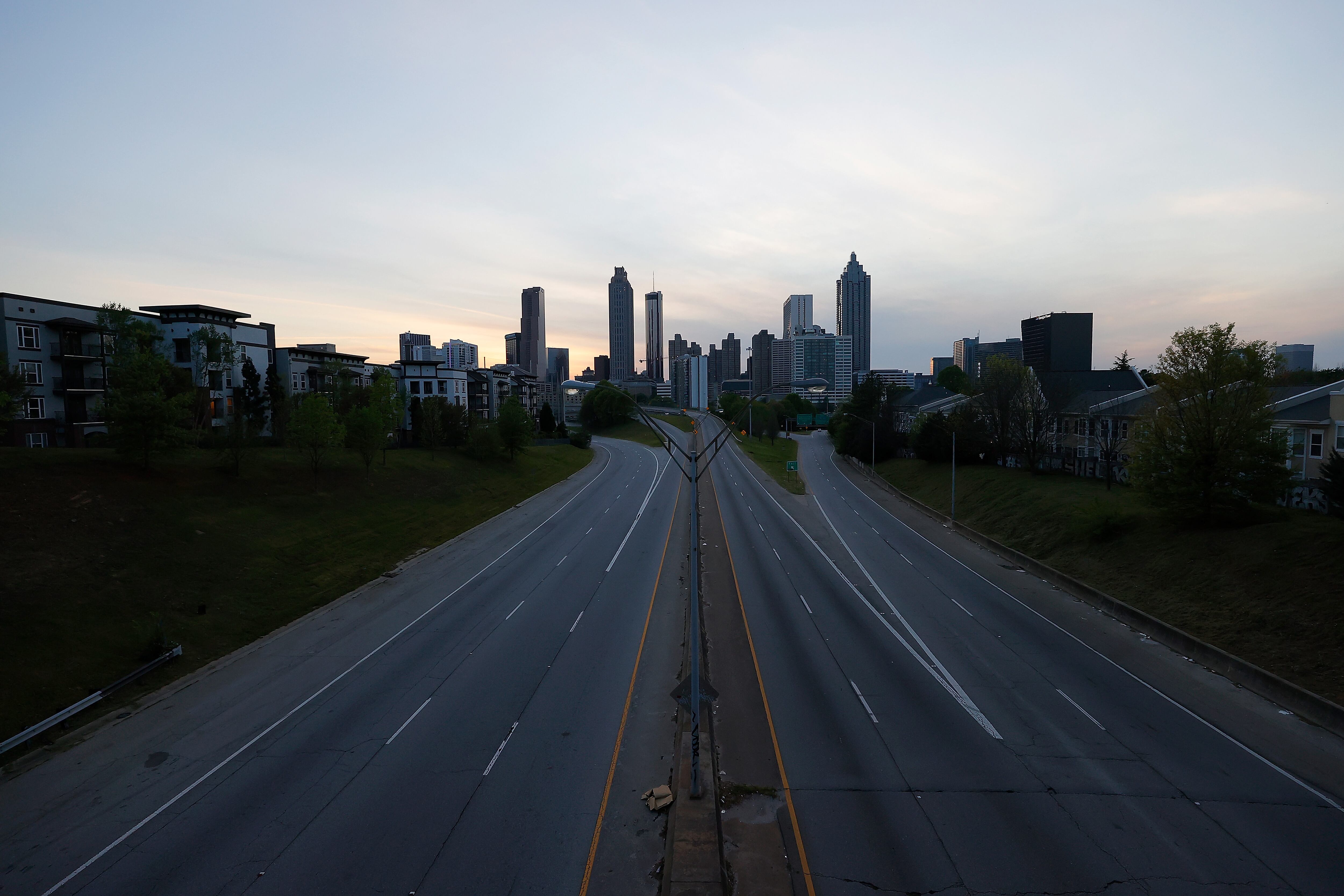
Some Georgia restaurants began reopening dine-in areas in line with an executive order from Gov. Brian Kemp that went into effect Monday.
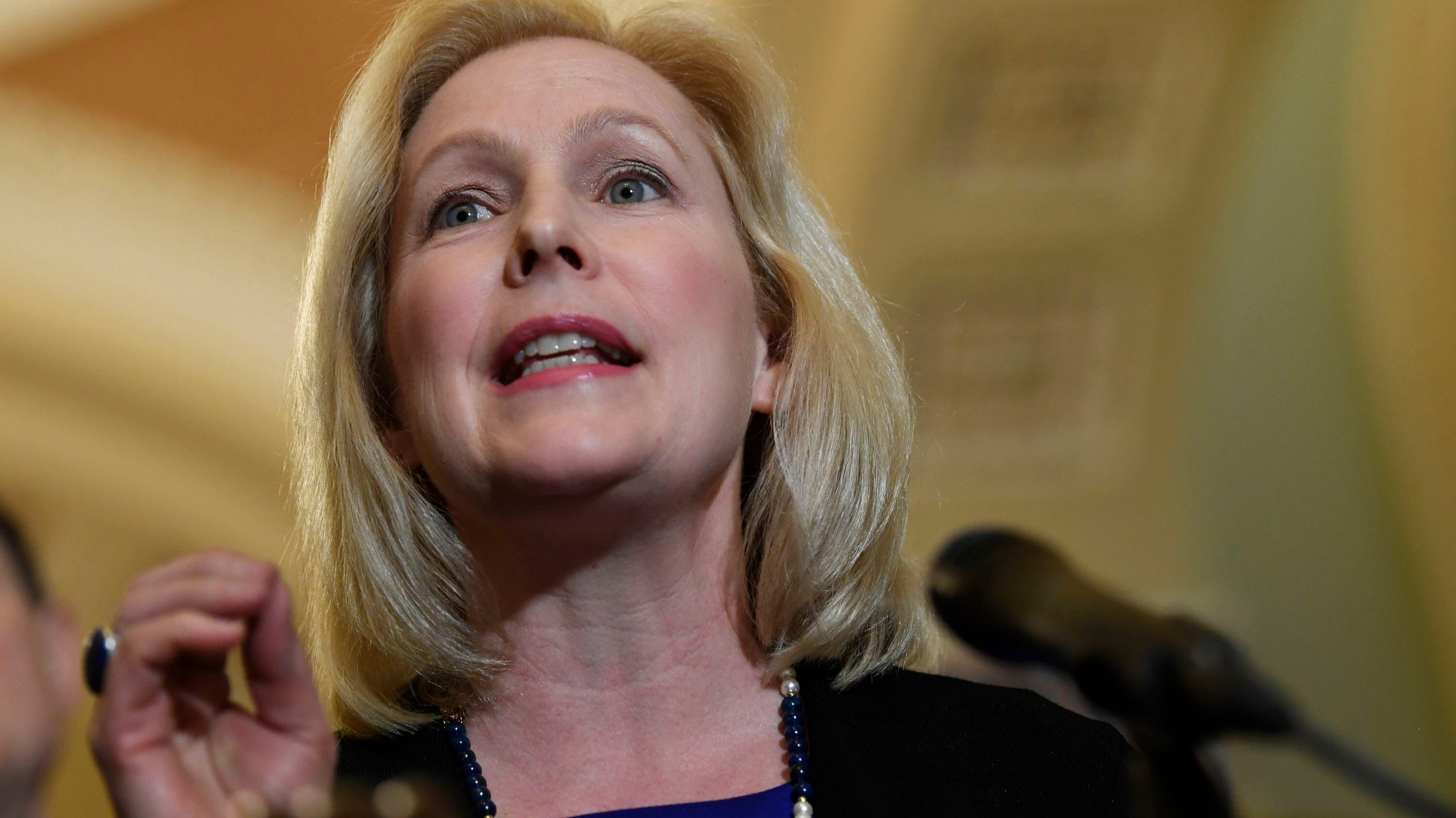
The senator told Cheddar Monday that banking through the U.S. Postal Service will be able to serve more people during the pandemic, specifically low-income families, who are more likely to be unbanked.
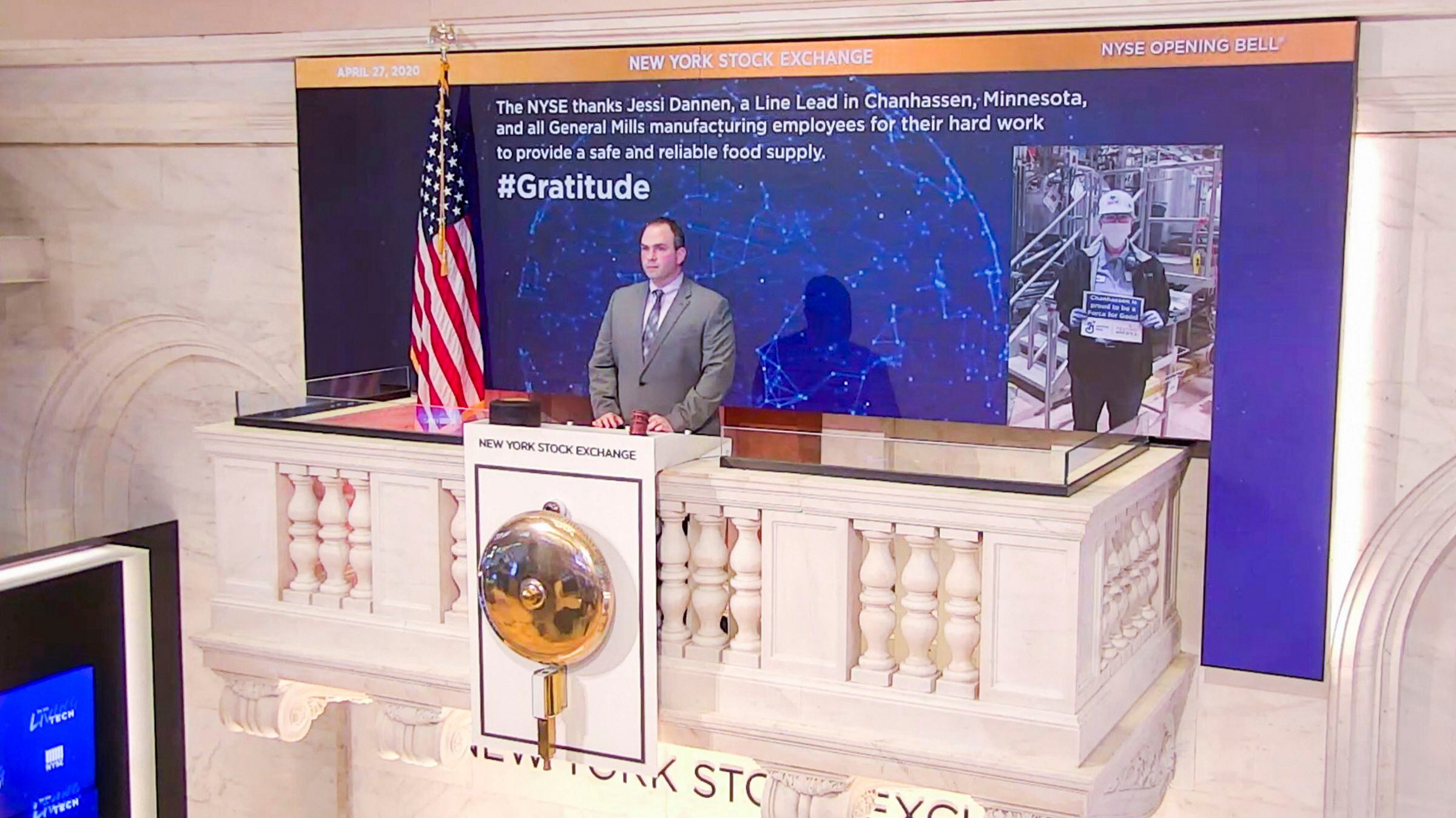
Stocks are closing higher on Wall Street and around the world as governments prepare to gradually lift restrictions they imposed on businesses to slow the sweep of the coronavirus pandemic.
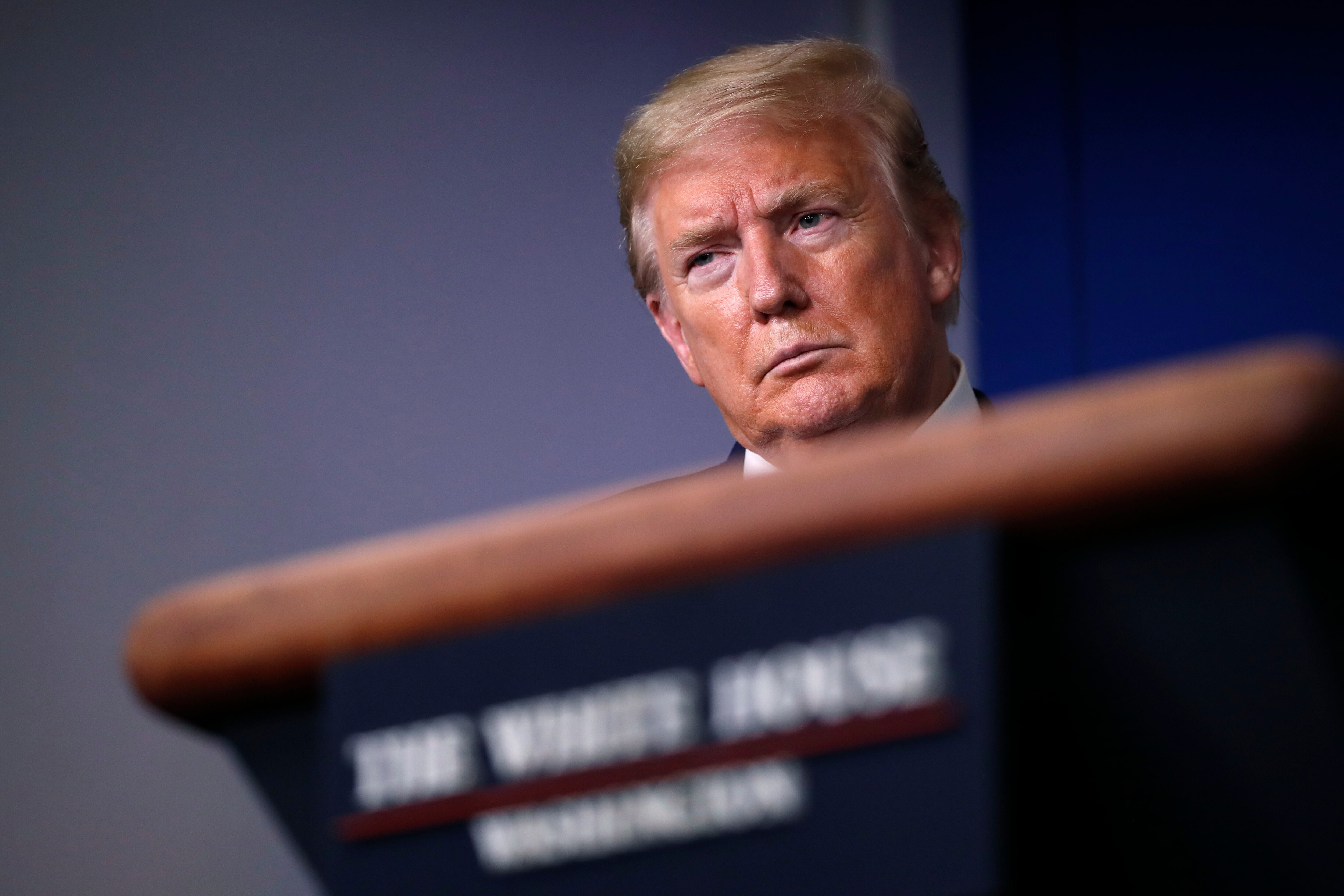
The Trump administration is reviewing new federal plans designed to guide restaurants, schools and others as states look to gradually lift their coronavirus restrictions. The draft guidance from the Centers for Disease Control and Prevention has been sent to Washington and still could change.
New York has canceled its Democratic presidential primary originally scheduled for June 23 amid the coronavirus epidemic in an unprecedented move. The Democratic members of the State’s Board of Elections voted Monday to nix the primary.
Stocks are rising around the world as governments prepare to gradually lift restrictions they imposed on businesses to slow the sweep of the coronavirus pandemic.
From Wall Street to Silicon Valley, these are the top stories that moved markets and had investors, business leaders, and entrepreneurs talking this week on Cheddar.
Stocks are closing out a tumultuous week with broad gains, led by familiar names in technology including Apple. The S&P 500 rose 1.4% Friday but still ended the week lower, breaking a two-week winning streak.
Jay Farner, CEO of Quicken Loans, told Cheddar Friday that the company is focused on educating customers about their available options.
Cheddar spoke with several small business owners across Georgia to find out which factors went into their decision to either reopen this Friday or stay closed until further notice.