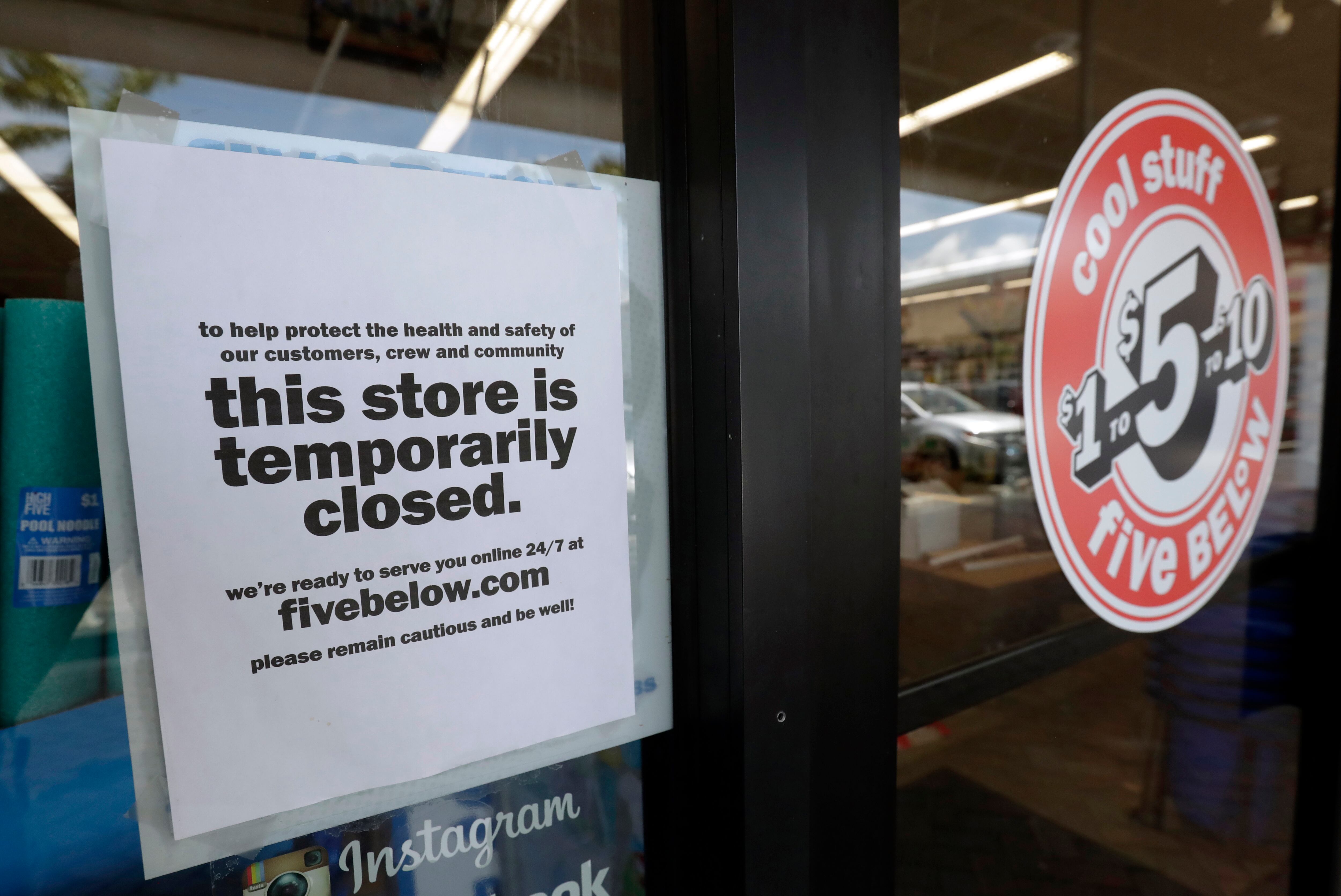
The U.S. lost a stunning 22 million jobs in March and April at the beginning of the coronavirus pandemic, with only about half of those numbers returning in the following seven months. With weekly jobless claims remaining high, voters might want to know more about what former Vice President Joe Biden and President Donald Trump intend to do on the issue of labor.
Biden has pledged to do whatever it takes to help jobs recover through direct stimulus payments. His plan includes funding for state and local governments to keep essential workers on their payrolls and federal payouts to supplement state unemployment checks.
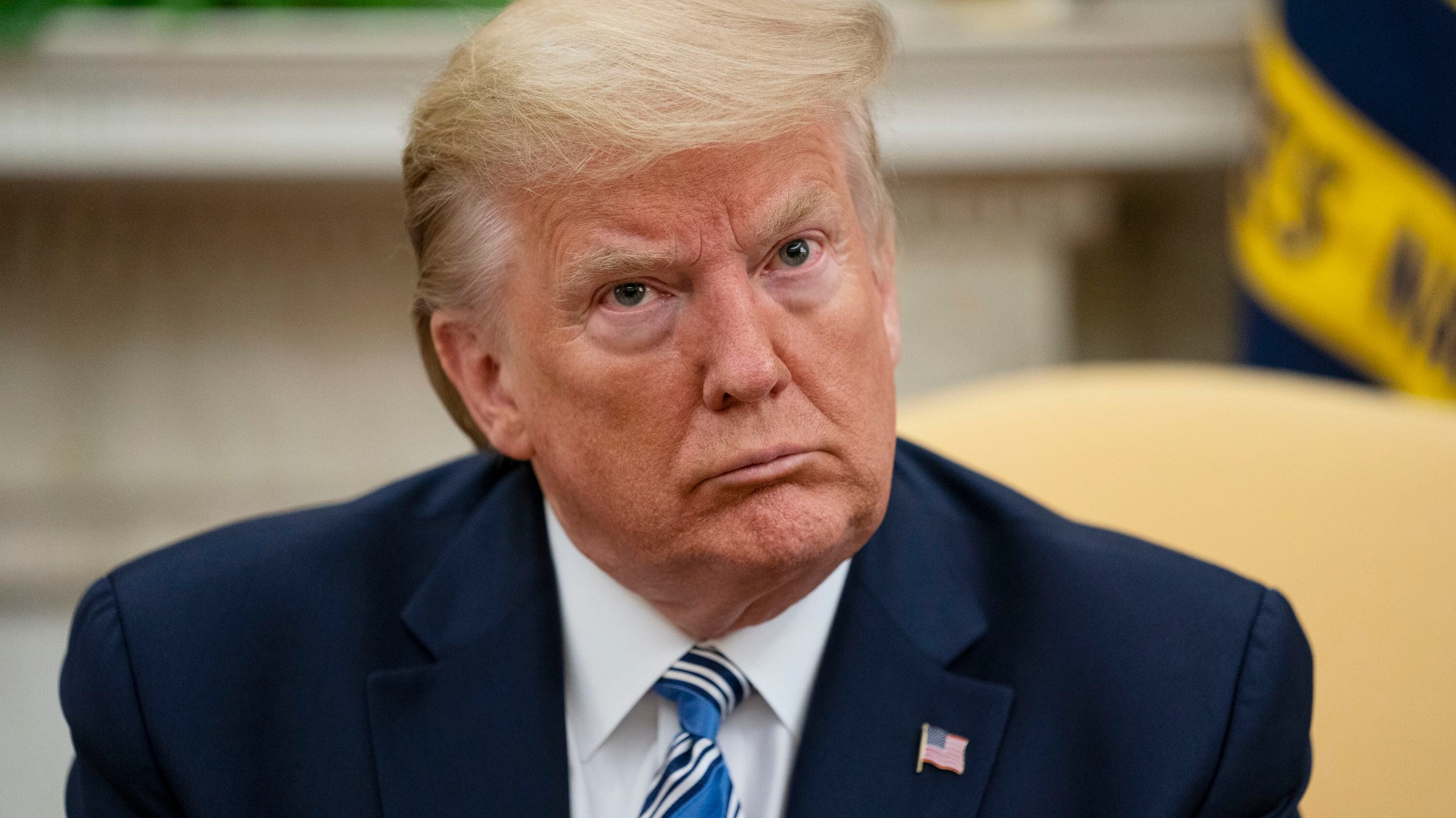
Meanwhile, Trump favors tax cuts and deregulation to stimulate the economy but concedes that another infusion of cash stimulus is likely needed. The president also extended federal unemployment benefits for six weeks after they were set to expire in July but at a lower rate of $300 a week, half the amount of the earlier benefit.
Both candidates support tax incentives for manufacturers to keep jobs at home. Biden even proposes tax penalties for those businesses that ship manufacturing jobs overseas with the intention of selling finished products back into the U.S.
Whoever wins the election in November faces a daunting task, with millions still out of work, consumer spending slowing down, and a resurgence in coronavirus cases adding to the economic woes.
Read More on Trump and Biden's Plans:
Trump vs. Biden on Raising the Federal Minimum Wage
Biden vs. Trump on Student Loans and Higher Education
Julie Menin, director of New York City Census 2020, told Cheddar Wednesday that the pandemic is a stark reminder that the census is important.
Stocks charged higher around the world Wednesday following an encouraging report on a possible treatment for COVID-19.
President Donald Trump will take executive action Tuesday to order meat processing plants to stay open amid concerns over growing coronavirus cases and the impact on the nation’s food supply.
Stocks gave up an early gain on Wall Street and are mixed in afternoon trading Tuesday. The day’s leaderboard looks like nearly the mirror opposite of stocks’ performance through the market’s sell-off this year.
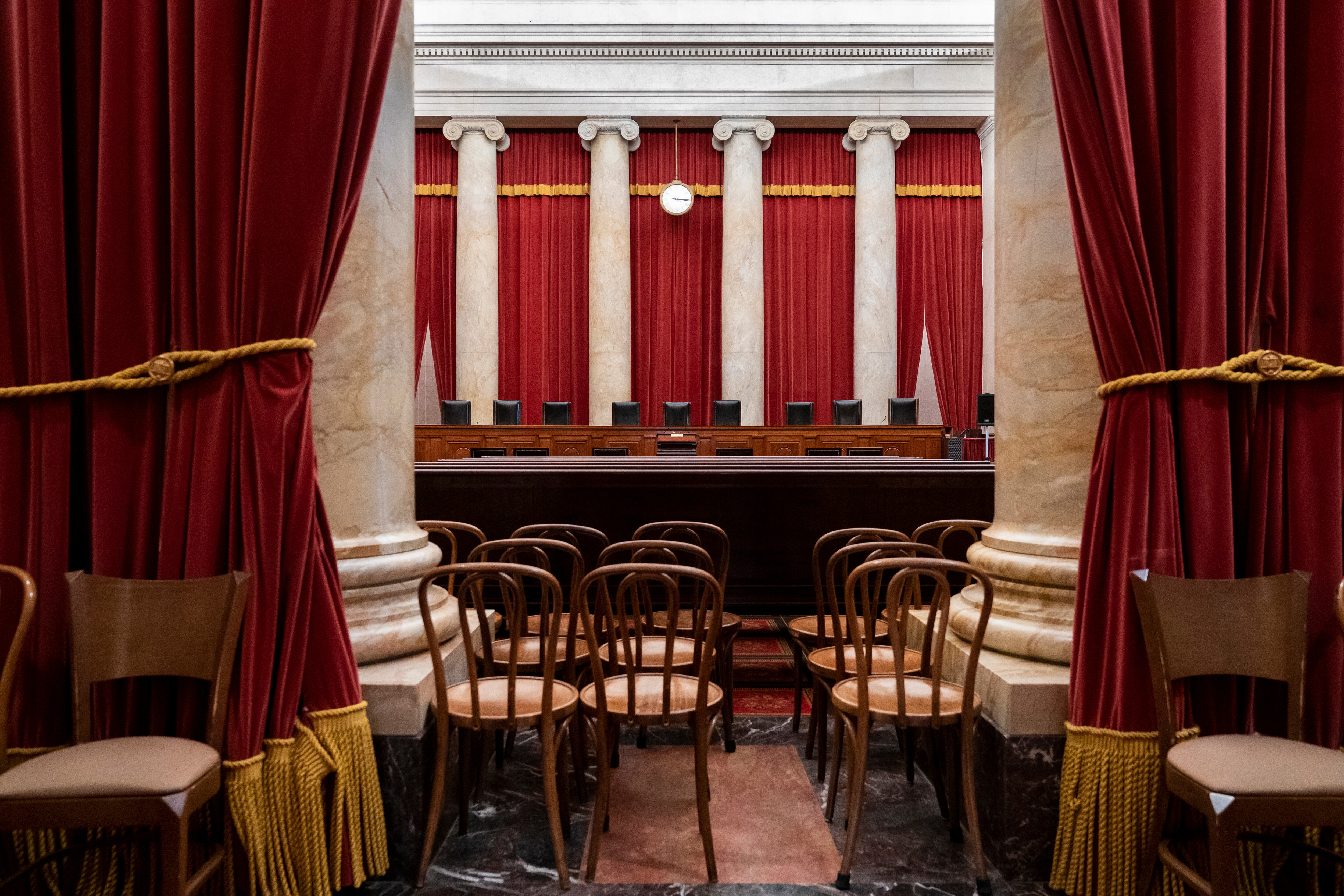
Because of the coronavirus pandemic the high court is, for the first time in its 230-year history, holding arguments by telephone.
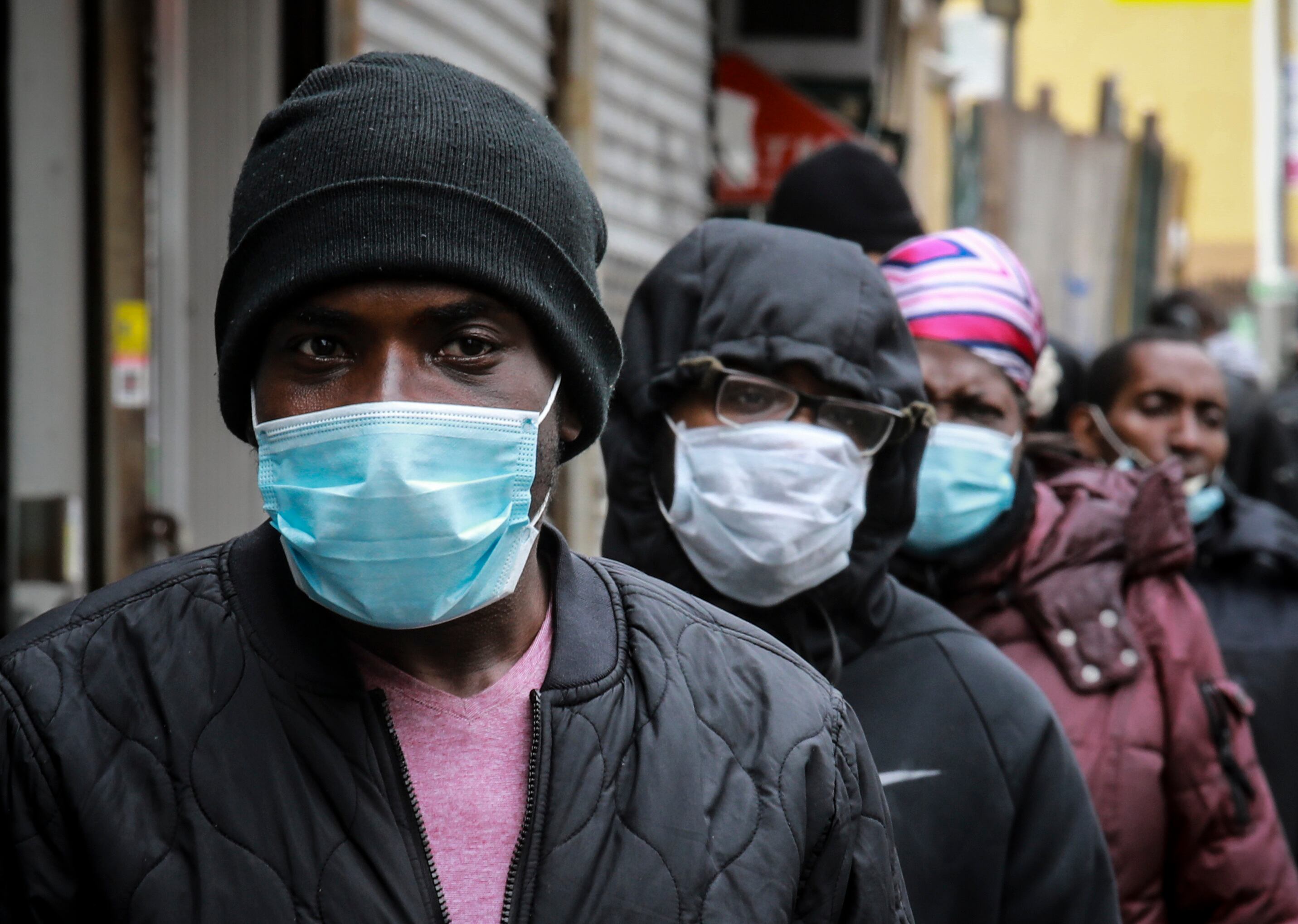
Dr. Richard Besser, president and CEO of the non-profit healthcare organization, the Robert Wood Johnson Foundation, talks about how the pandemic has exposed the harsh inequalities driving poorer health outcomes in the U.S.
Banks trying to submit applications for thousands of small businesses seeking coronavirus relief loans have hit a bottleneck for a second day at the Small Business Administration.
Stocks gave up an early gain on Wall Street and were mixed in late morning trading Tuesday while the price of oil continued its wild ride.
Stocks are rising in early trading on Wall Street as nations and some U.S. states move toward reopening their economies from lockdowns made to restrict the spread of the coronavirus.
Secretary of Housing and Urban Development, Dr. Ben Carson said that the rest of the country will learn a lot from Georgia's experiment.