The U.S. lost a stunning 22 million jobs in March and April at the beginning of the coronavirus pandemic, with only about half of those numbers returning in the following seven months. With weekly jobless claims remaining high, voters might want to know more about what former Vice President Joe Biden and President Donald Trump intend to do on the issue of labor.
Biden has pledged to do whatever it takes to help jobs recover through direct stimulus payments. His plan includes funding for state and local governments to keep essential workers on their payrolls and federal payouts to supplement state unemployment checks.
Meanwhile, Trump favors tax cuts and deregulation to stimulate the economy but concedes that another infusion of cash stimulus is likely needed. The president also extended federal unemployment benefits for six weeks after they were set to expire in July but at a lower rate of $300 a week, half the amount of the earlier benefit.
Both candidates support tax incentives for manufacturers to keep jobs at home. Biden even proposes tax penalties for those businesses that ship manufacturing jobs overseas with the intention of selling finished products back into the U.S.
Whoever wins the election in November faces a daunting task, with millions still out of work, consumer spending slowing down, and a resurgence in coronavirus cases adding to the economic woes.
Read More on Trump and Biden's Plans:
Trump vs. Biden on Raising the Federal Minimum Wage
Biden vs. Trump on Student Loans and Higher Education
One day after saying that the COVID-19 task force would be winding down, President Donald Trump says it would continue on indefinitely, but focus on rebooting the economy.
David Banmiller, an airline industry insider and former CEO of Pan Am, doesn't like referring to the $25 billion of relief the airline industry got from the federal government as a 'bailout.'
An Associated Press analysis finds that taking the New York metropolitan area’s progress against the coronavirus out of the equation shows the rest of the U.S. moving in the wrong direction, with the infection rate rising even as states move to lift their lockdowns.
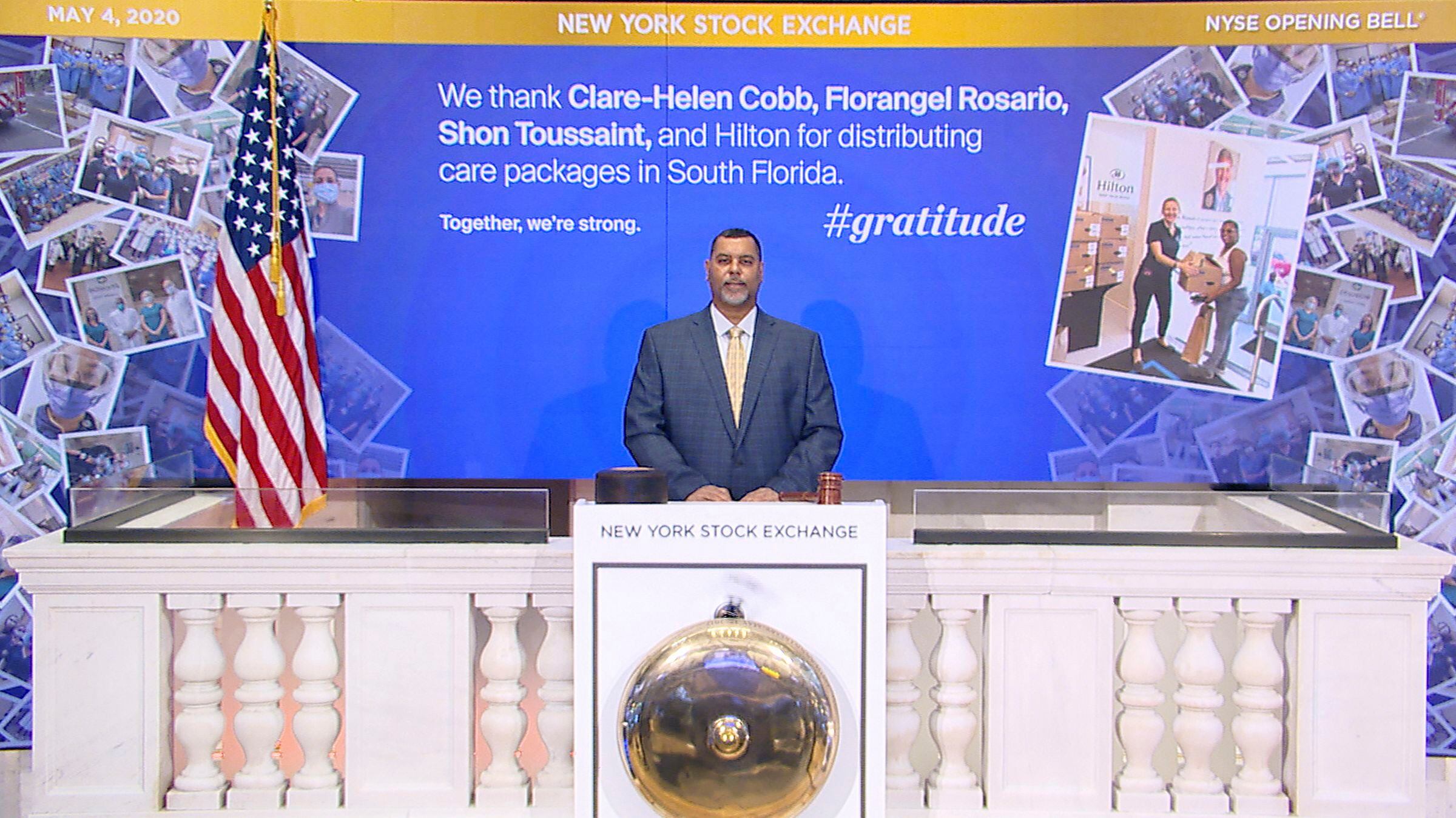
Stocks closed higher on Wall Street but gave up about half of their early gains in a late-afternoon bout of selling. The S&P 500 rose 0.9% Tuesday after being up 2% earlier.
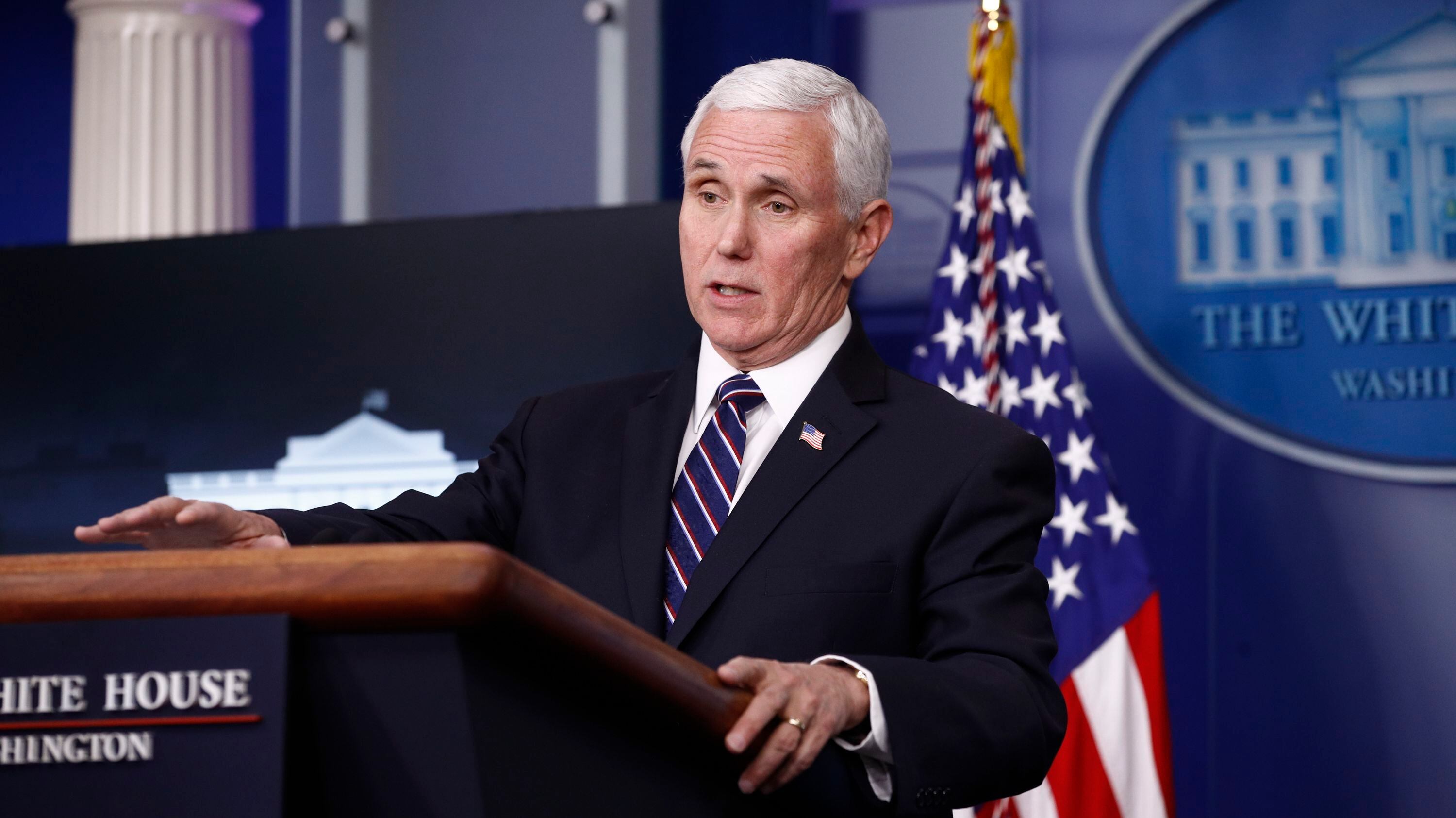
Vice President Mike Pence says the White House coronavirus task force could wind down its work by early June.
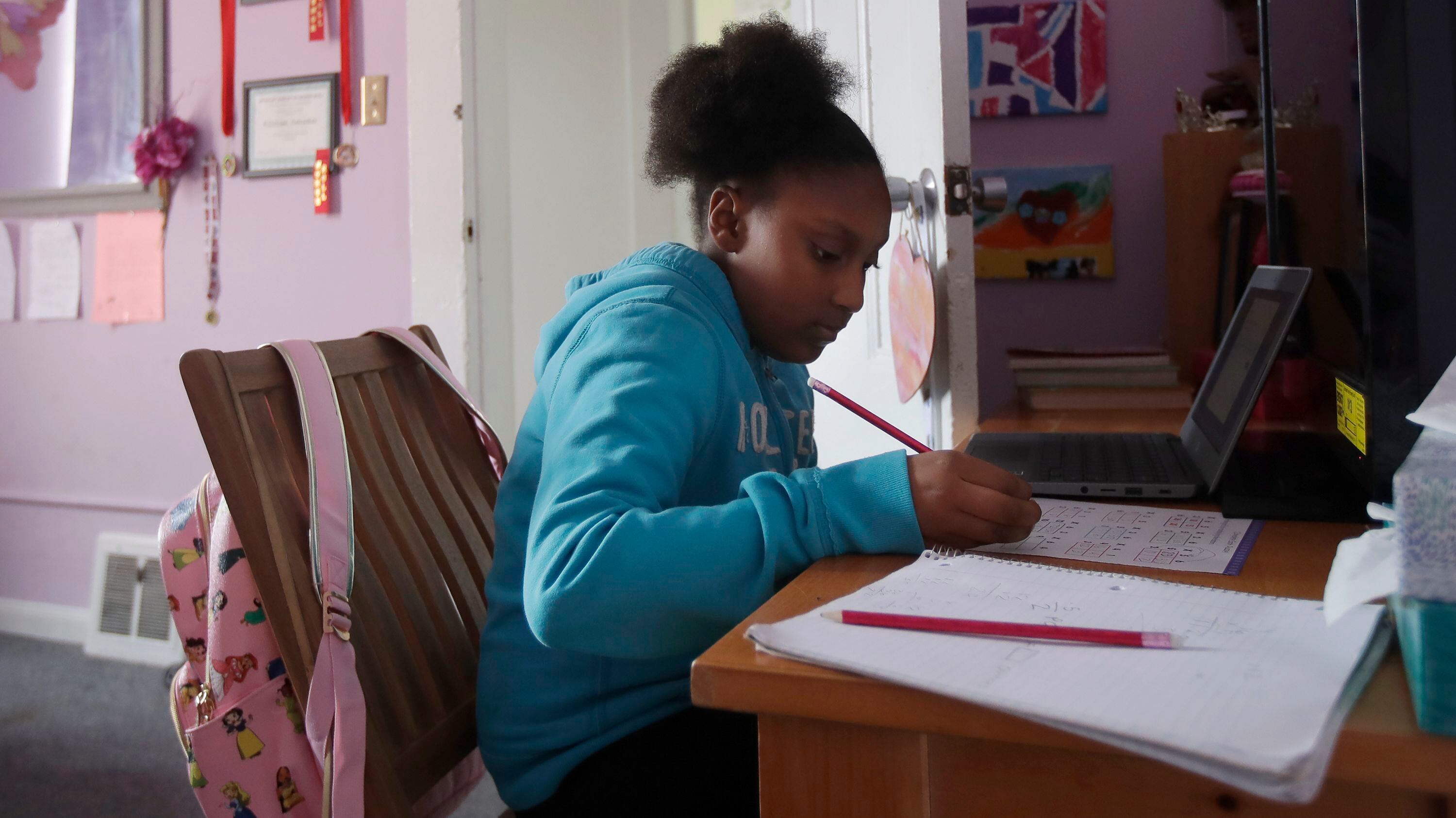
Randi Weingarten, president of the American Federation of Teachers, told Cheddar on Tuesday that they were not prepared to switch so quickly and have been working well with what they have, but online learning simply isn't the same as teaching in person.
The trip means a small army of advisers, logistical experts and security staff will also resume regularly hitting the road and taking a measure of risk to assist Trump.
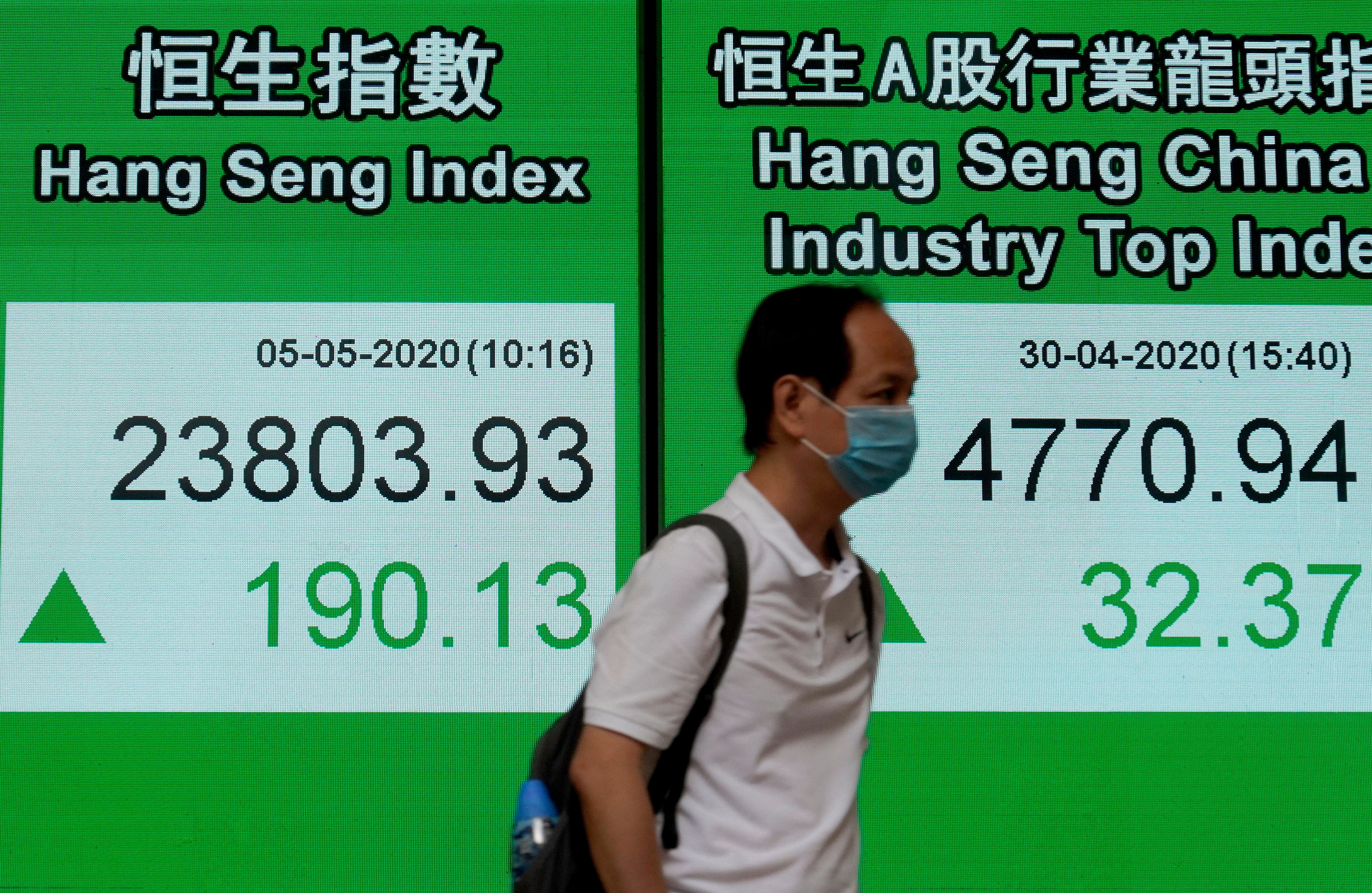
Stocks are rallying worldwide on Tuesday as more countries relaxed restrictions on businesses, raising hopes for a recovery from the historic plunge sweeping the global economy.
As governments around the world consider how to monitor new coronavirus outbreaks while reopening their societies, many are starting to bet on smartphone apps to help stanch the pandemic. But their decisions on which technologies to use — and how far those allow authorities to peer into private lives — are highlighting some uncomfortable trade-offs between protecting privacy and public health.
The stock market shook off a weak start and ended with modest gains Monday, thanks to another solid showing from big technology companies.