The U.S. lost a stunning 22 million jobs in March and April at the beginning of the coronavirus pandemic, with only about half of those numbers returning in the following seven months. With weekly jobless claims remaining high, voters might want to know more about what former Vice President Joe Biden and President Donald Trump intend to do on the issue of labor.
Biden has pledged to do whatever it takes to help jobs recover through direct stimulus payments. His plan includes funding for state and local governments to keep essential workers on their payrolls and federal payouts to supplement state unemployment checks.
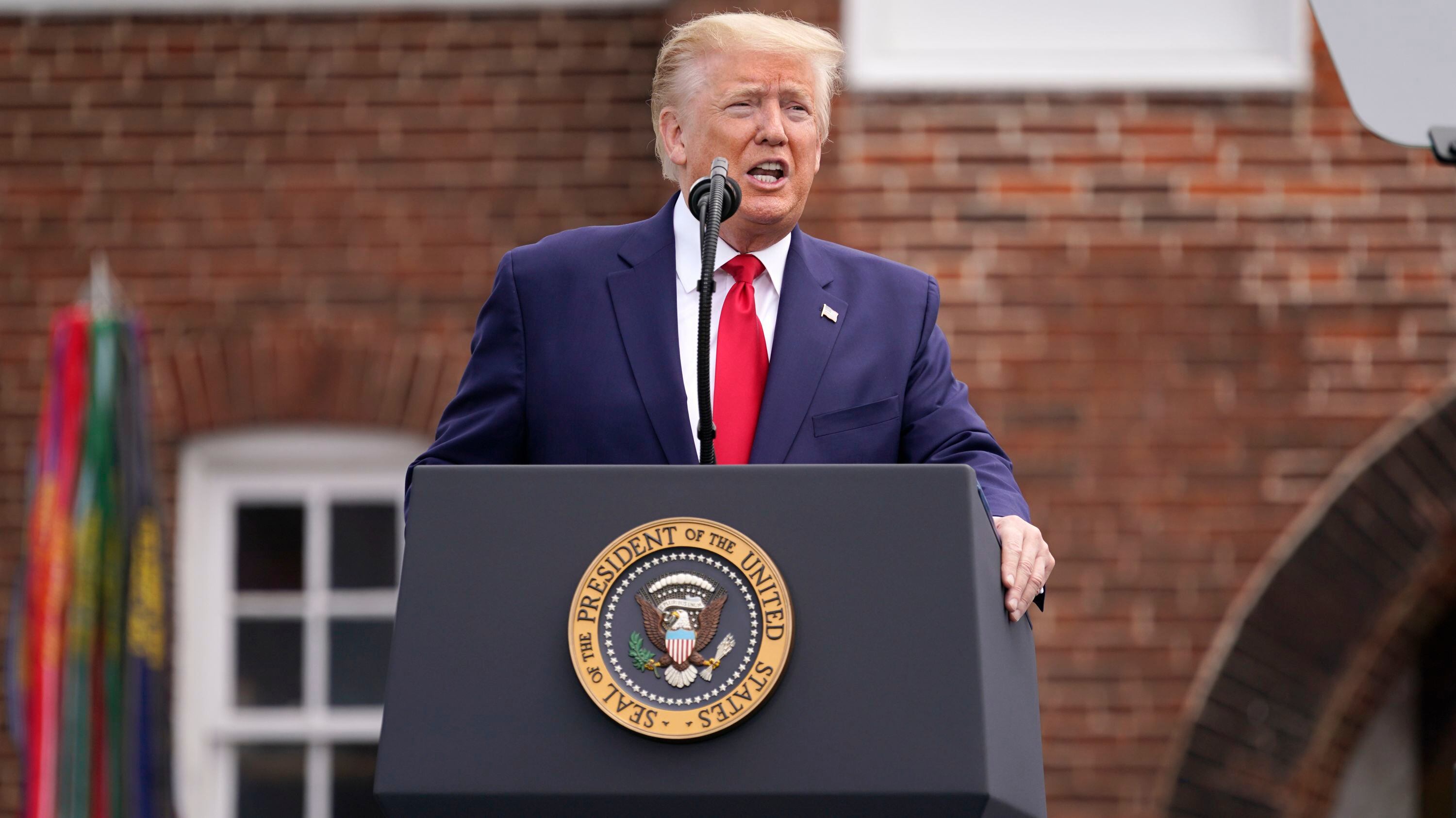
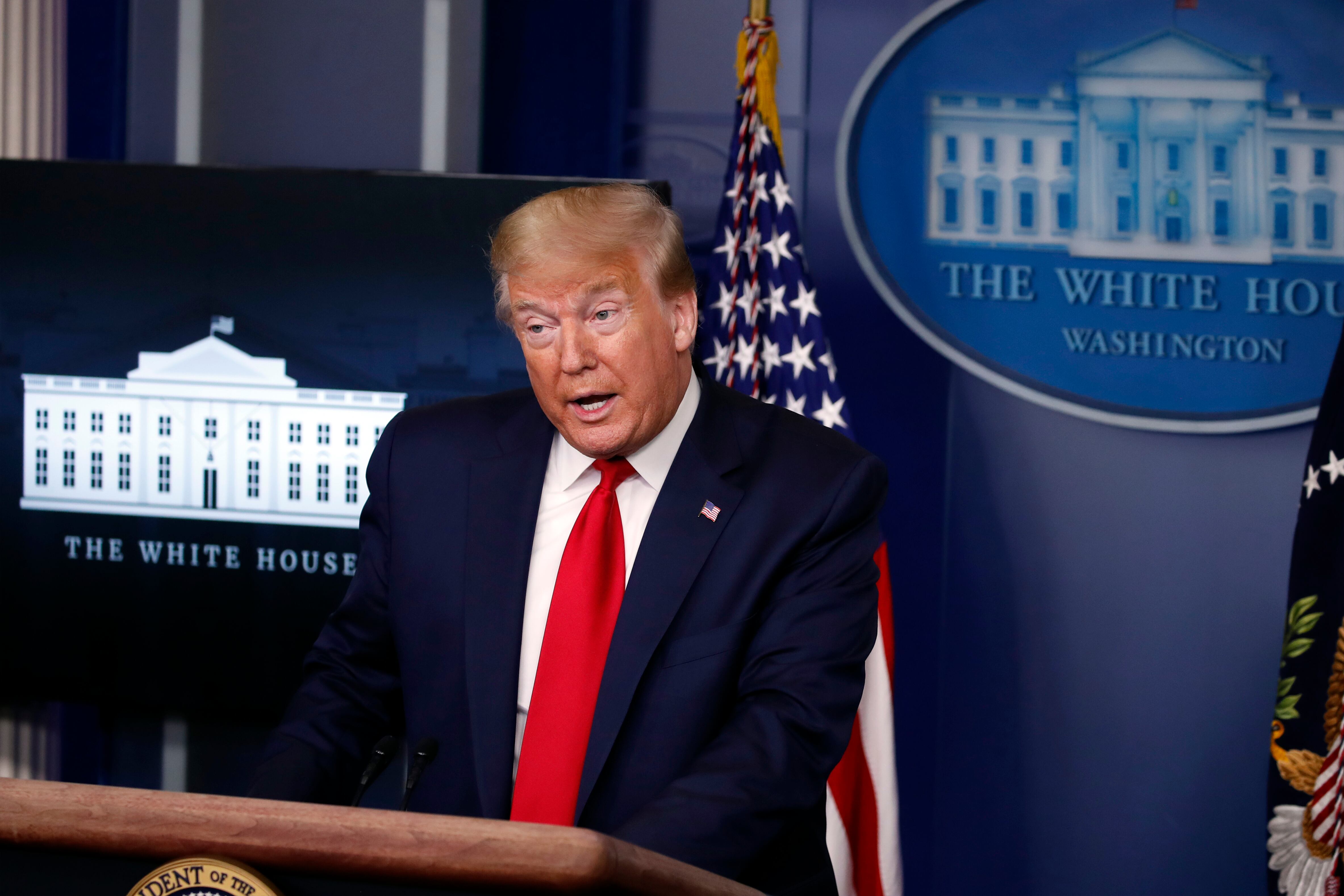
Meanwhile, Trump favors tax cuts and deregulation to stimulate the economy but concedes that another infusion of cash stimulus is likely needed. The president also extended federal unemployment benefits for six weeks after they were set to expire in July but at a lower rate of $300 a week, half the amount of the earlier benefit.
Both candidates support tax incentives for manufacturers to keep jobs at home. Biden even proposes tax penalties for those businesses that ship manufacturing jobs overseas with the intention of selling finished products back into the U.S.
Whoever wins the election in November faces a daunting task, with millions still out of work, consumer spending slowing down, and a resurgence in coronavirus cases adding to the economic woes.
Read More on Trump and Biden's Plans:
Trump vs. Biden on Raising the Federal Minimum Wage
Biden vs. Trump on Student Loans and Higher Education
The government figures underscore the continuing damage to businesses and livelihoods from the outbreak that has now killed at least 100,000 people in the U.S.
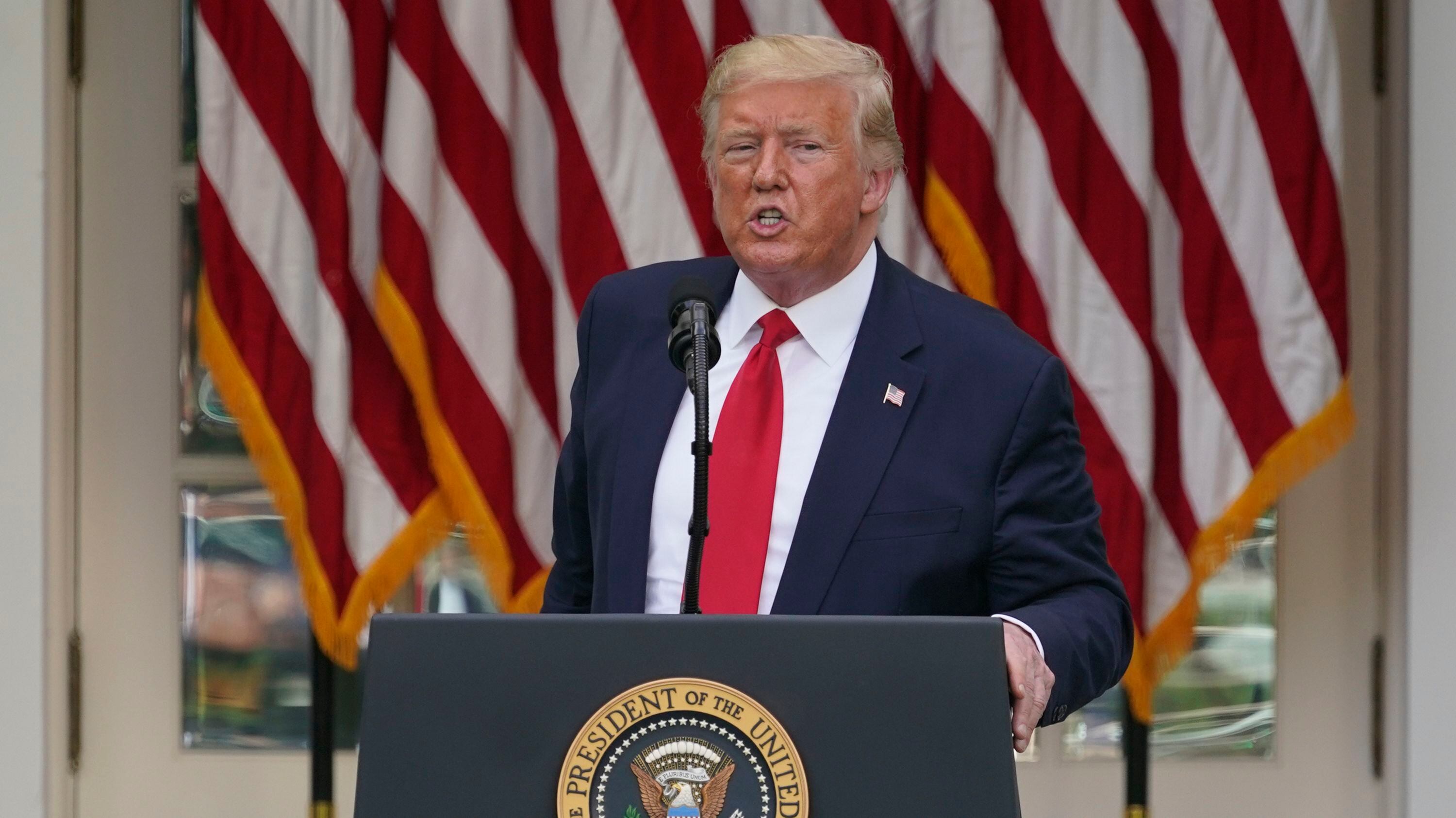
President Donald Trump is threatening social media companies with new regulation or even closure after Twitter added fact checks to two of his tweets.
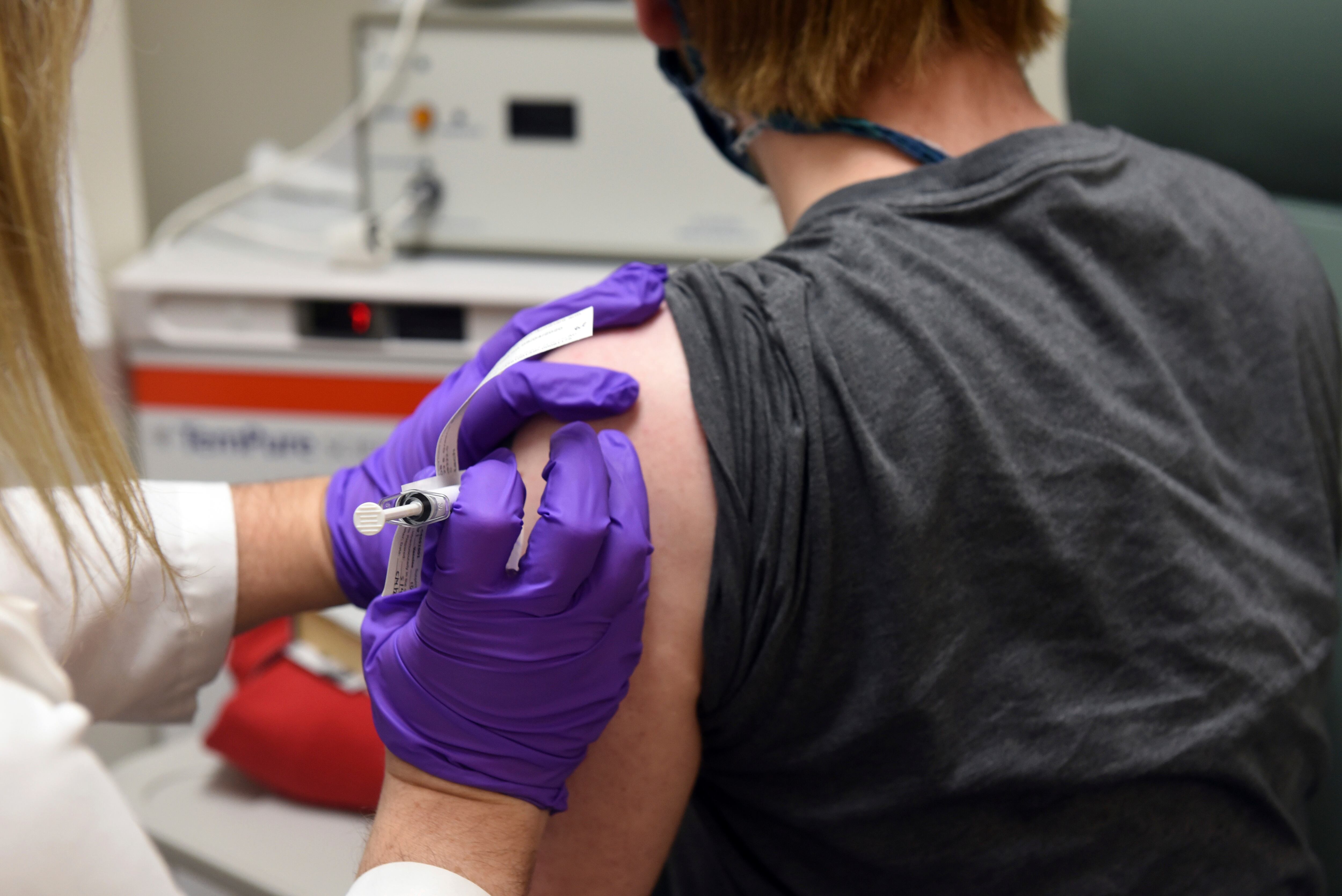
Only about half of Americans say they would get a COVID-19 vaccine if the scientists working furiously to create one succeed.
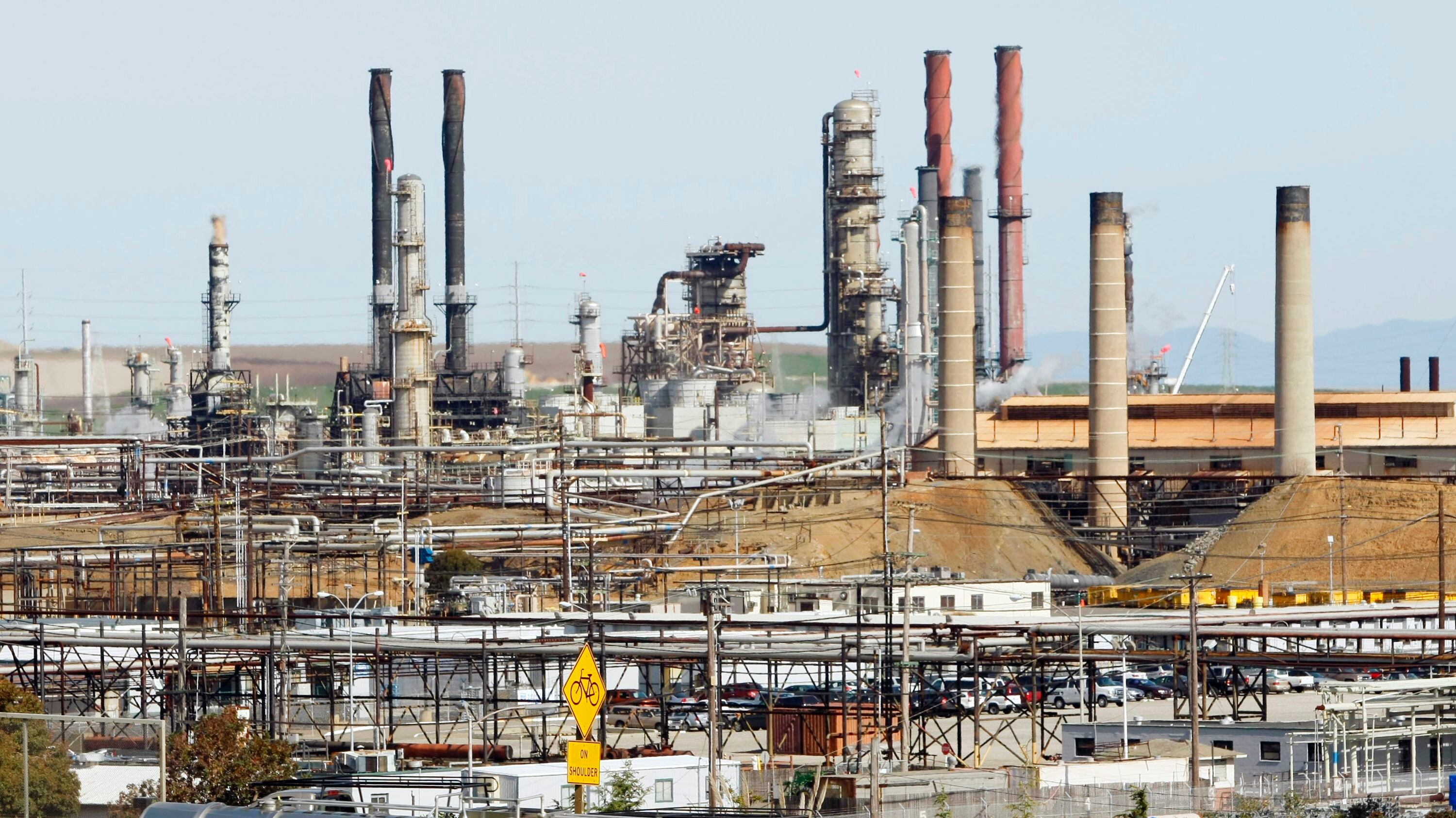
A U.S. appeals court has ruled against major oil companies in lawsuits brought by California cities and counties seeking damages for climate change.
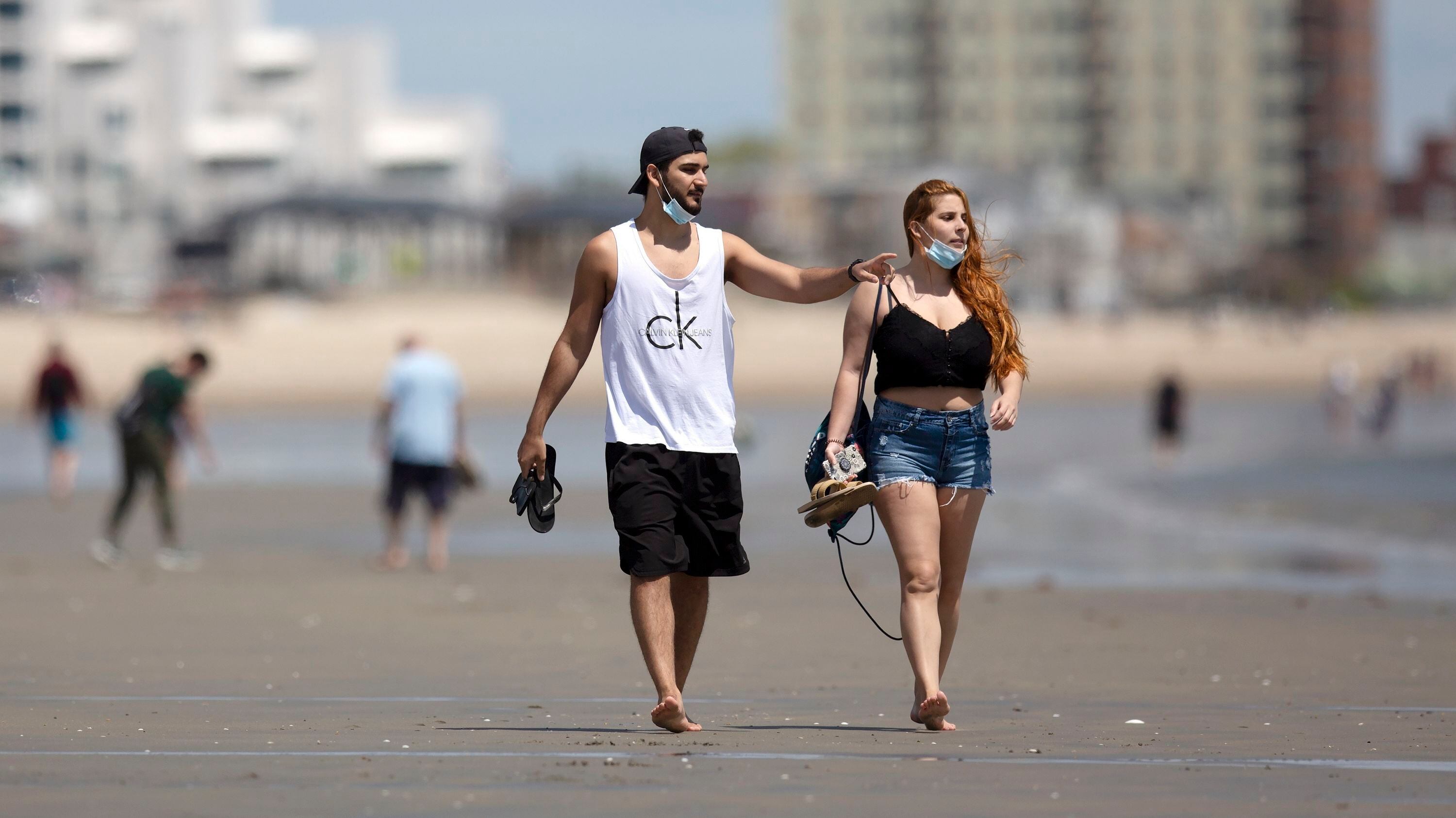
While much of the U.S. remains shuttered, state and local leaders in waterfront communities are beginning to allow beaches, boardwalks, and coastal businesses to open on a limited basis.
Georgia Gov. Brian Kemp is lobbying for the Republican National Convention to be moved to his state, a day after President Donald Trump demanded assurances from North Carolina’s Democratic governor that the convention can go forward in August despite coronavirus fears.
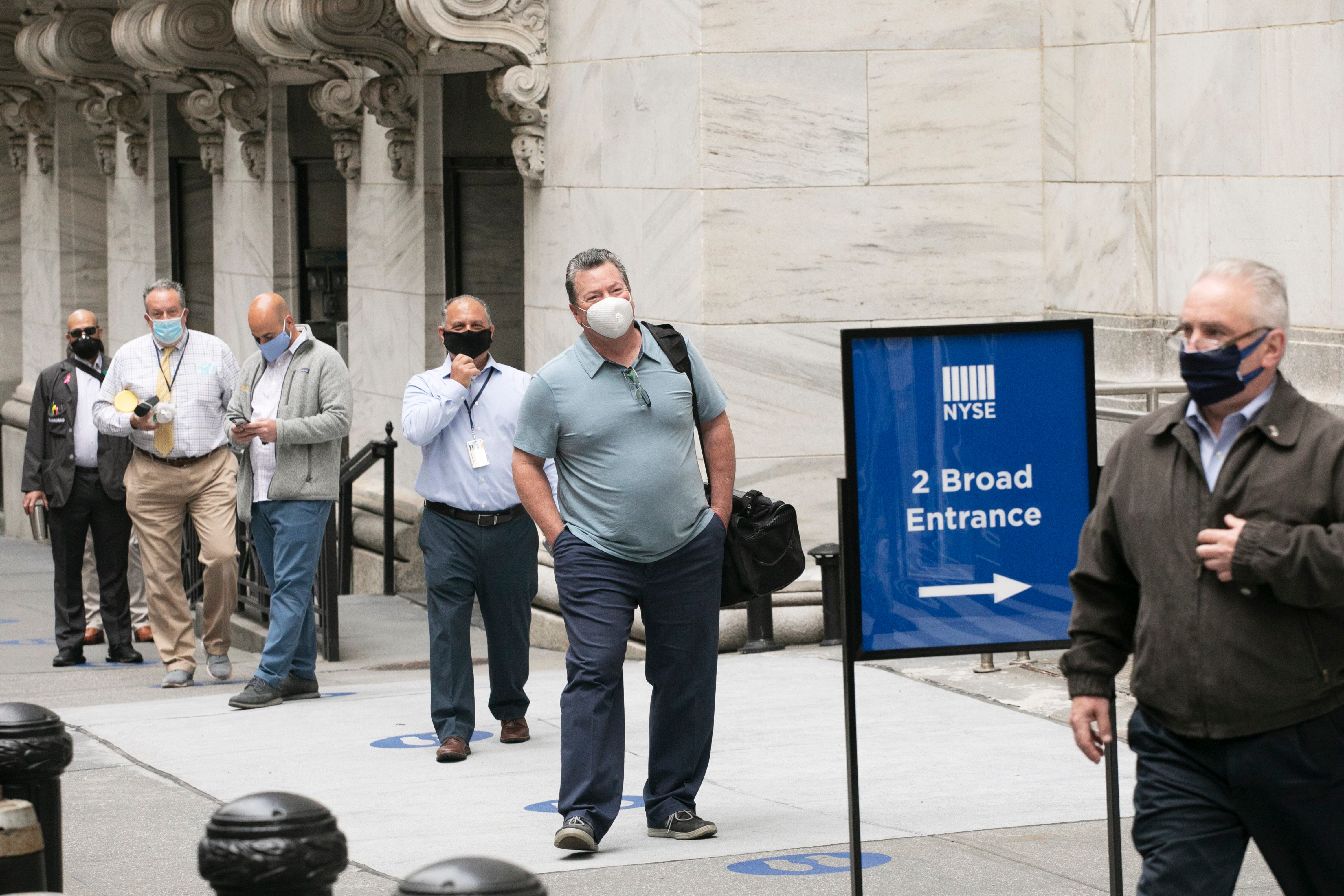
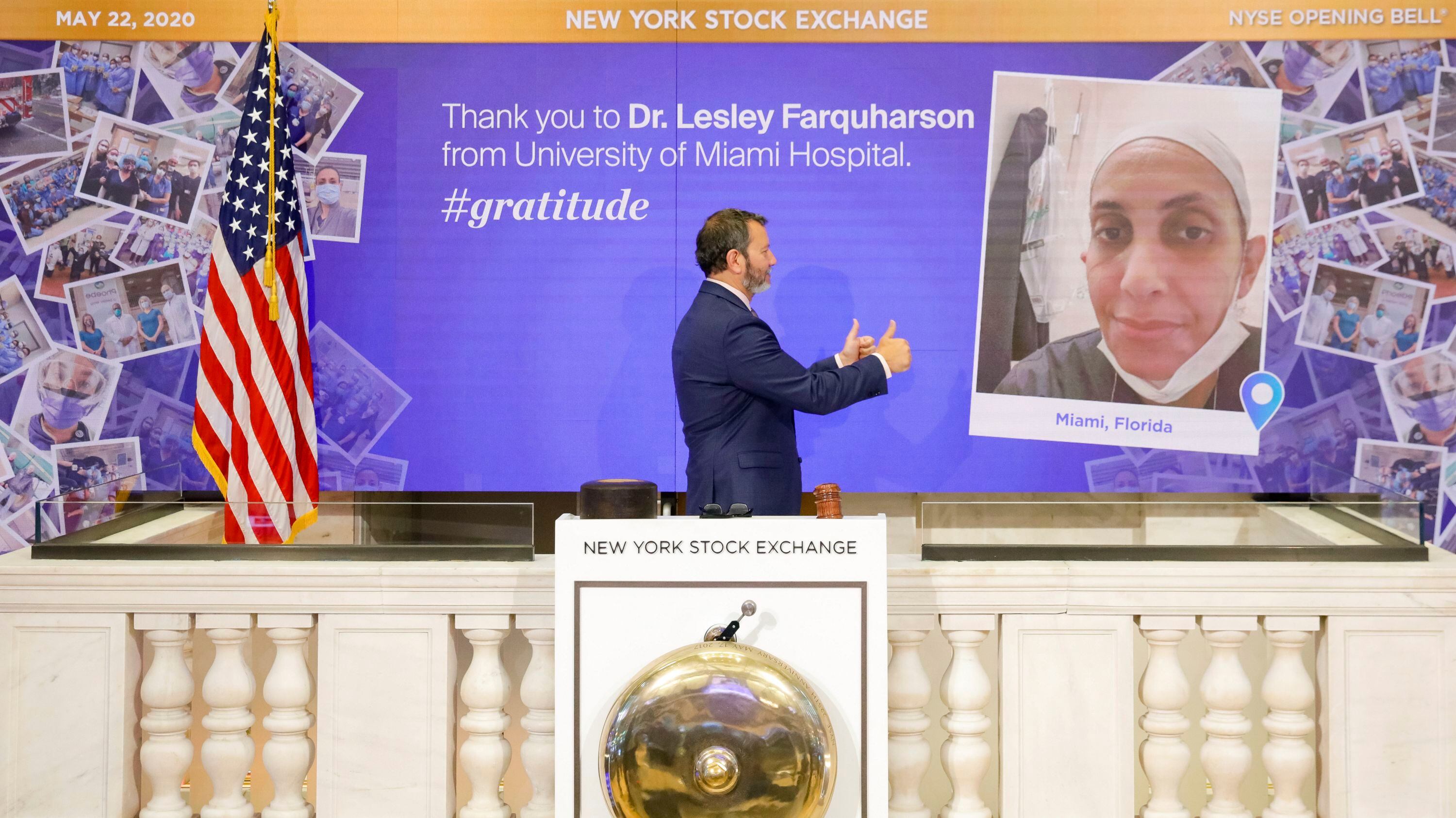
The trading floor of the New York Stock Exchange is reopening for the first time in two months, but it doesn't look — or sound — the same.
From Wall Street to Silicon Valley, these are the top stories that moved markets and had investors, business leaders, and entrepreneurs talking this week on Cheddar.
President Donald Trump says he has deemed churches and other houses of worship “essential” and is calling on governors to allow them to reopen this weekend despite the threat of the coronavirus.
Stocks are opening lower on Wall Street following a mixed showing in overseas markets.