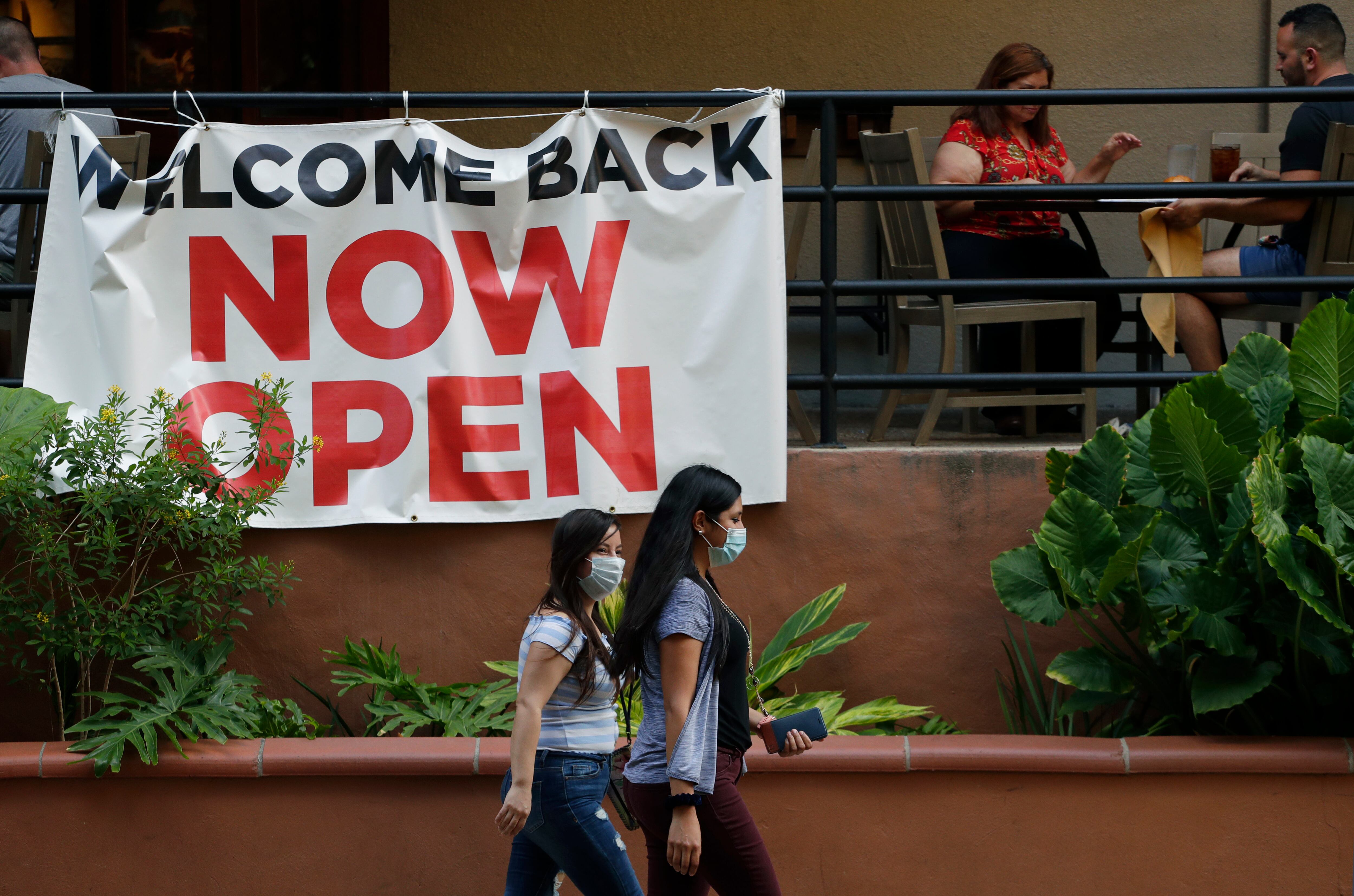
The U.S. lost a stunning 22 million jobs in March and April at the beginning of the coronavirus pandemic, with only about half of those numbers returning in the following seven months. With weekly jobless claims remaining high, voters might want to know more about what former Vice President Joe Biden and President Donald Trump intend to do on the issue of labor.
Biden has pledged to do whatever it takes to help jobs recover through direct stimulus payments. His plan includes funding for state and local governments to keep essential workers on their payrolls and federal payouts to supplement state unemployment checks.
Meanwhile, Trump favors tax cuts and deregulation to stimulate the economy but concedes that another infusion of cash stimulus is likely needed. The president also extended federal unemployment benefits for six weeks after they were set to expire in July but at a lower rate of $300 a week, half the amount of the earlier benefit.
Both candidates support tax incentives for manufacturers to keep jobs at home. Biden even proposes tax penalties for those businesses that ship manufacturing jobs overseas with the intention of selling finished products back into the U.S.
Whoever wins the election in November faces a daunting task, with millions still out of work, consumer spending slowing down, and a resurgence in coronavirus cases adding to the economic woes.
Read More on Trump and Biden's Plans:
Trump vs. Biden on Raising the Federal Minimum Wage
Biden vs. Trump on Student Loans and Higher Education
Coronavirus cases are rising in nearly half the U.S. states. And while many are chalked up to increased testing or to small, local outbreaks, others are more alarming.
As Democrats naturally work to get one of their own into the White House this fall, The Lincoln Project is working toward the same goal and its GOP members believe dissent from within the party can be even more effective.
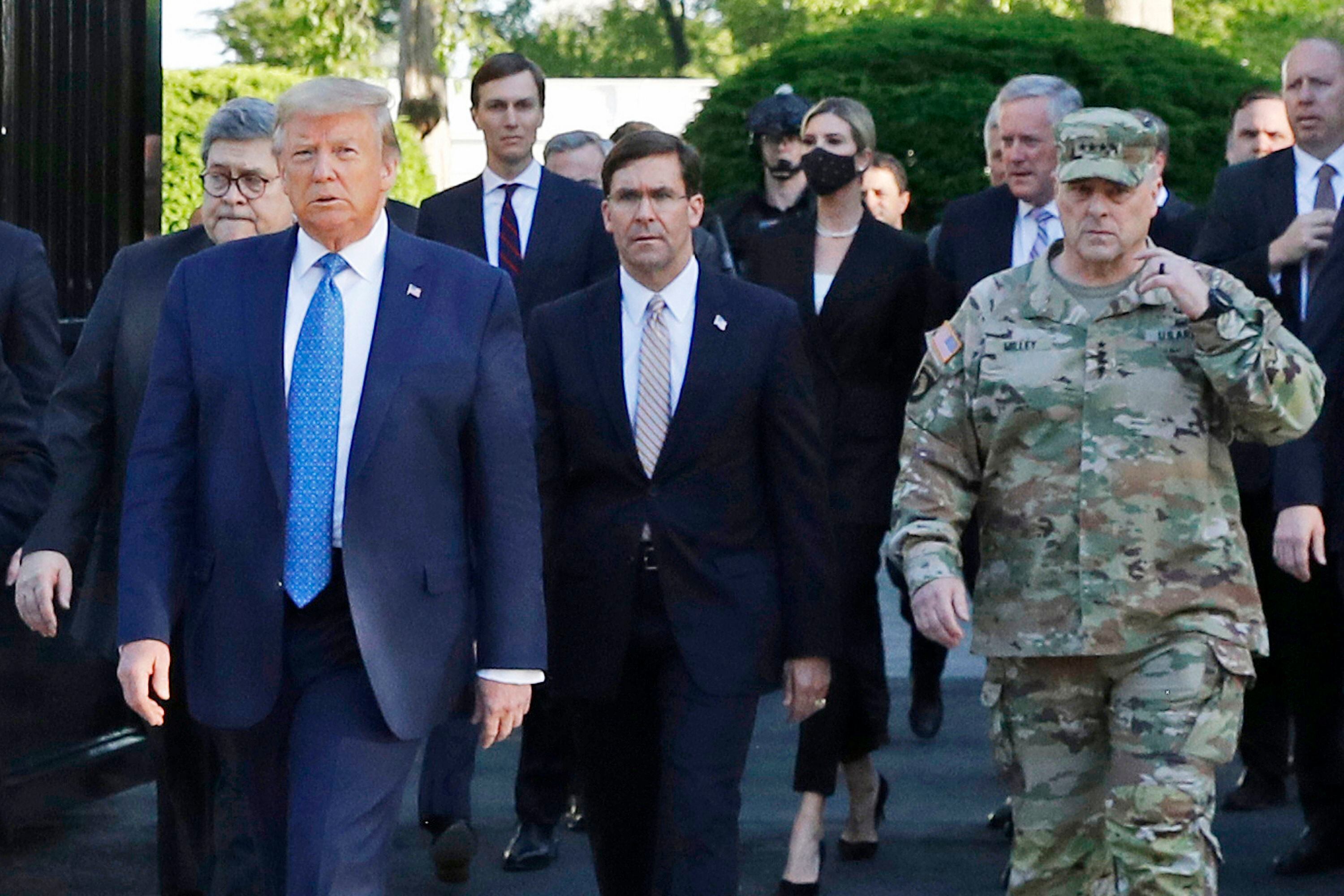
Army Gen. Mark Milley, chairman of the Joint Chiefs of Staff, says his presence “created a perception of the military involved in domestic politics.”
The federal government recorded a budget deficit of $1.88 trillion for the first eight months of this budget year, larger than even any annual shortfalls in U.S. history.
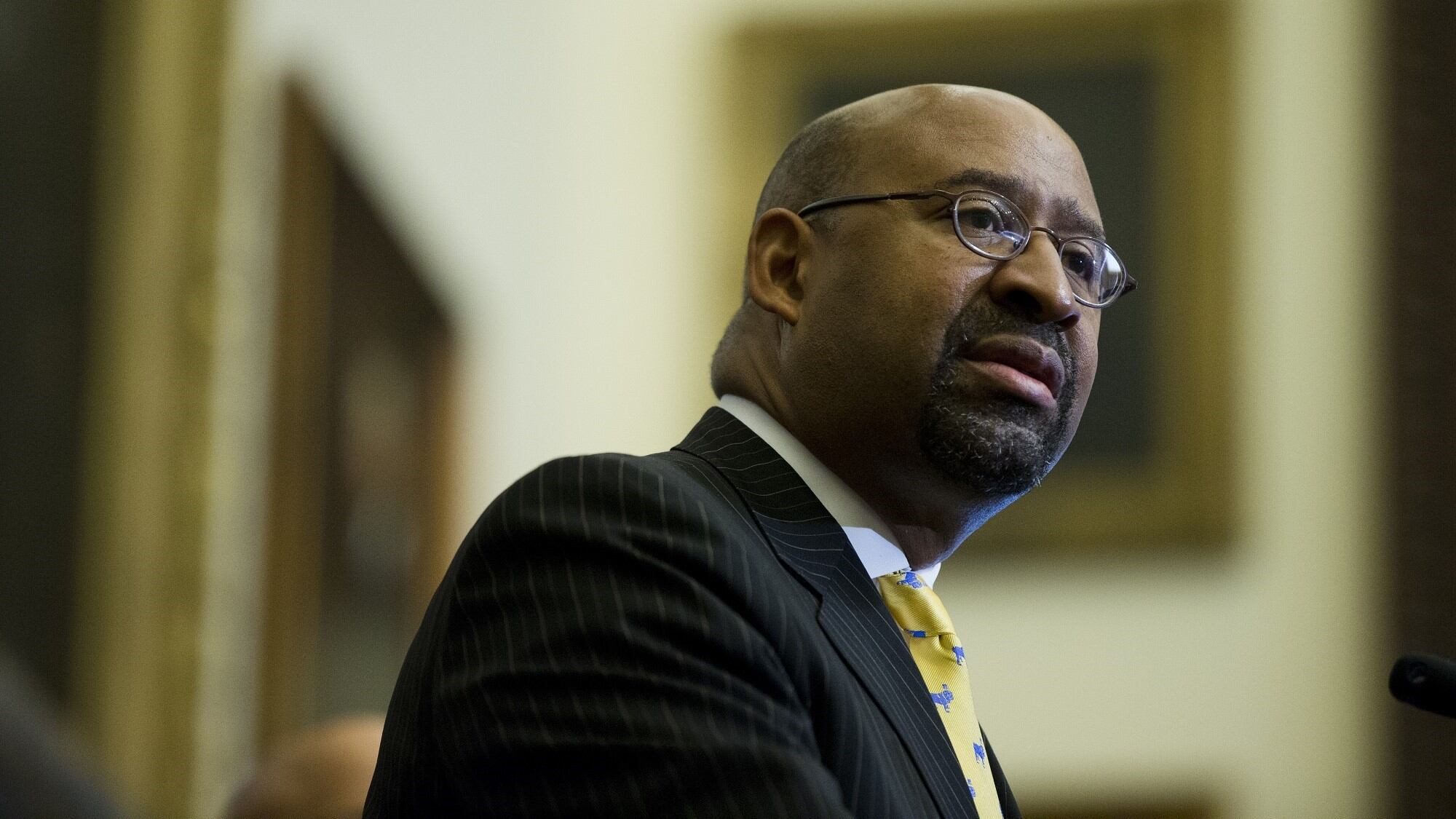
As massive waves of protesters in communities across the U.S. call for fundamental changes in American policing, former Philadelphia Mayor Michael Nutter told Cheddar the nation must find a balance between good policing and civilian safety.
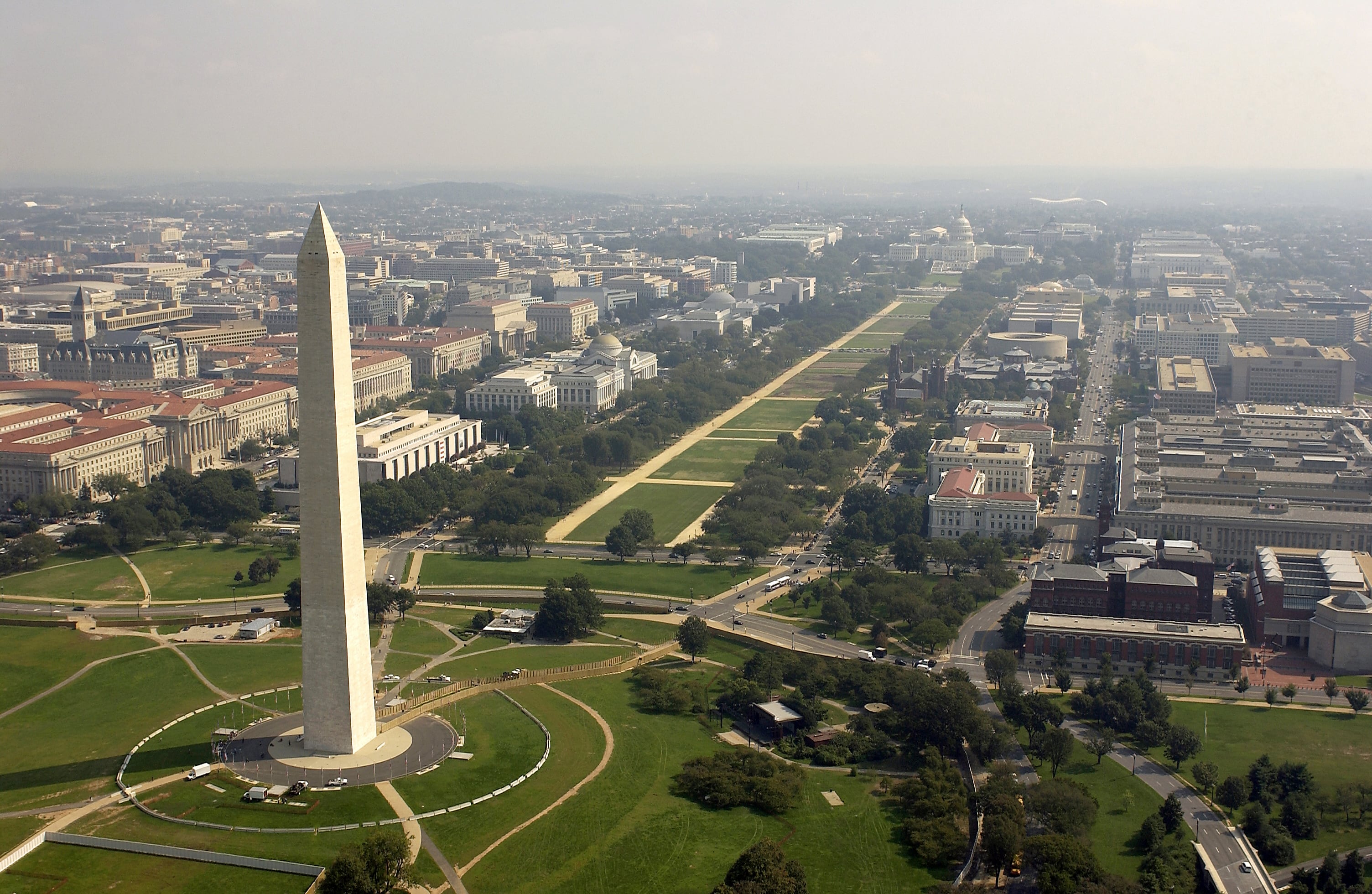
The skyline of Washington D.C. is stunted. You've probably heard that D.C. can't build skyscrapers taller than the U.S. Capital Building or the Washington Monument. But those are both myths from a bygone era. Cheddar tells the real story.
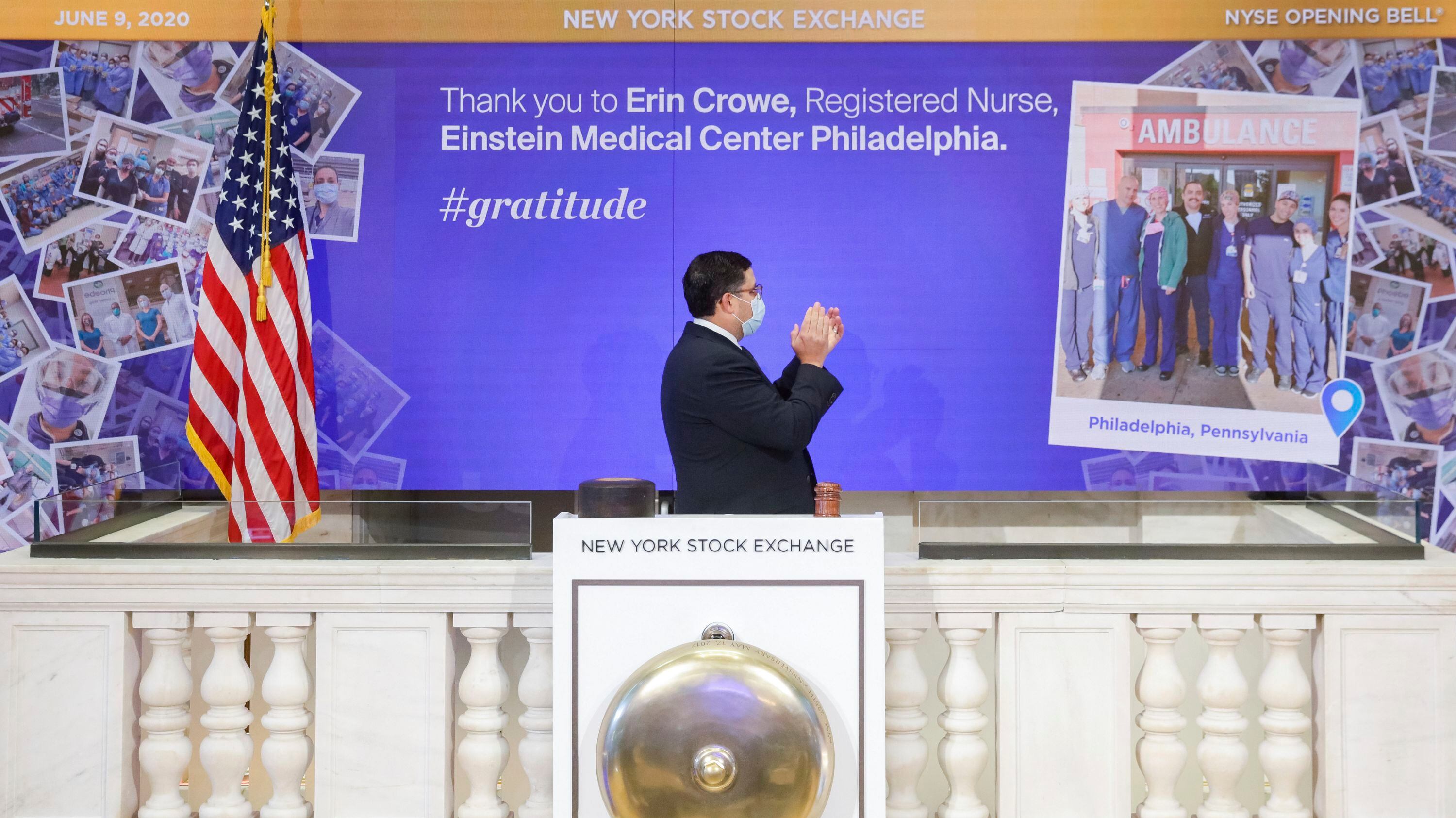
Wall Street hit the brakes Tuesday, a day after its remarkable, weekslong rally brought the S&P 500 back to positive for the year and the Nasdaq to a record high.
Handling successive protests has required a careful balancing act for Gretchen Whitmer, Democratic governor of Michigan.
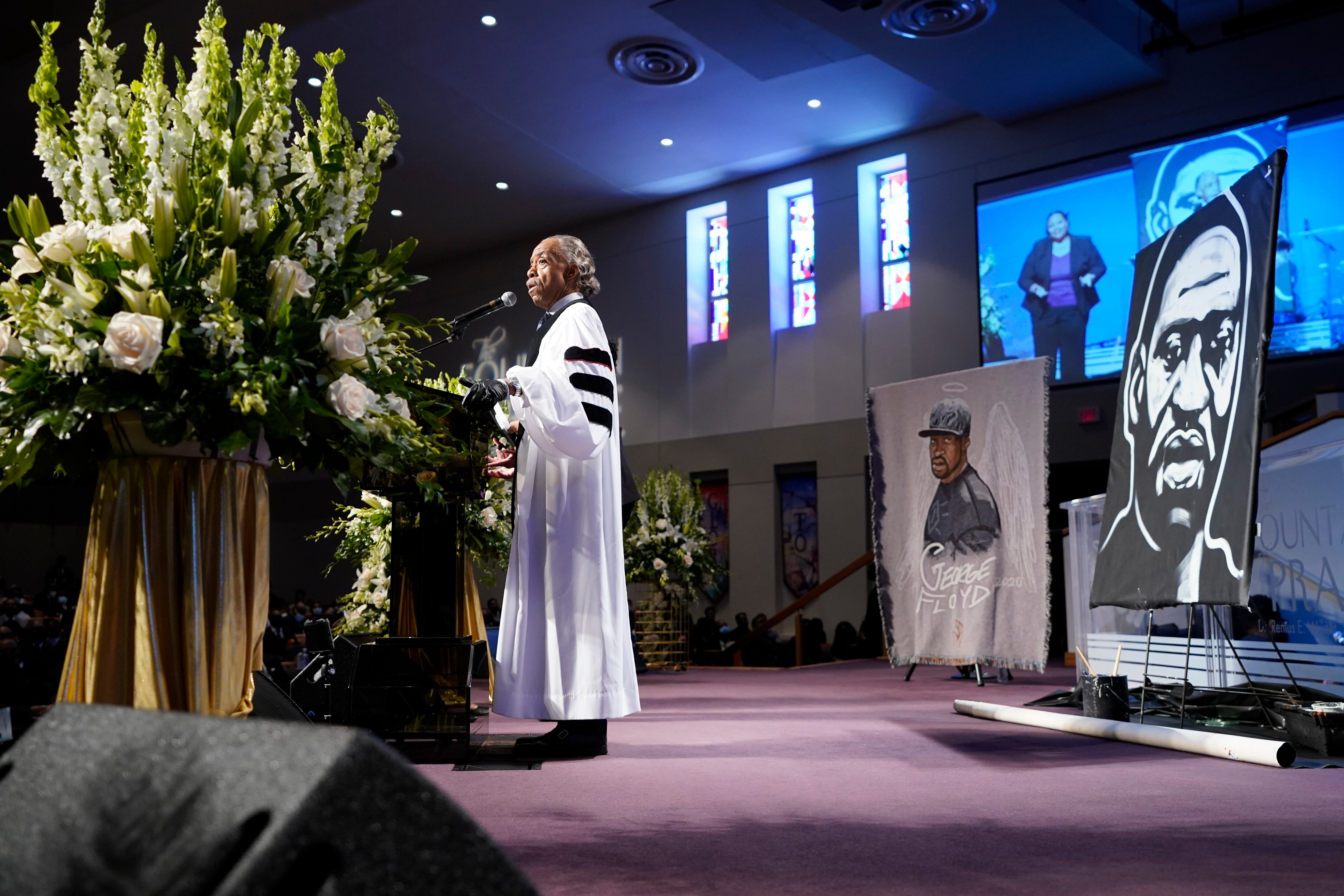
Hundreds of mourners packed a Houston church Tuesday for the funeral of George Floyd, the black man whose death has inspired a worldwide reckoning over racial injustice.
IBM says it is getting out of the facial recognition business over concern about how it can be used for mass surveillance and racial profiling.