The U.S. lost a stunning 22 million jobs in March and April at the beginning of the coronavirus pandemic, with only about half of those numbers returning in the following seven months. With weekly jobless claims remaining high, voters might want to know more about what former Vice President Joe Biden and President Donald Trump intend to do on the issue of labor.
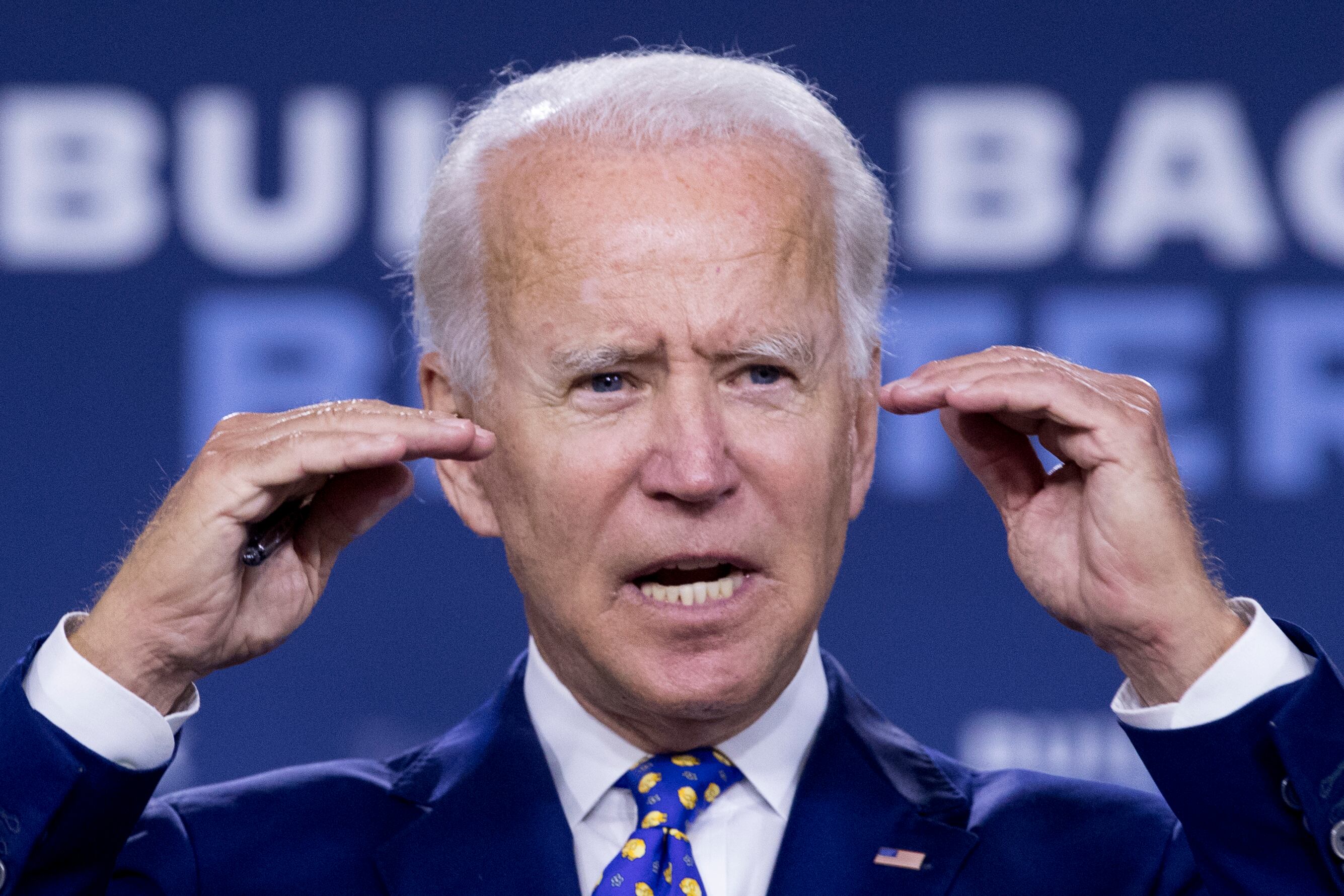
Biden has pledged to do whatever it takes to help jobs recover through direct stimulus payments. His plan includes funding for state and local governments to keep essential workers on their payrolls and federal payouts to supplement state unemployment checks.
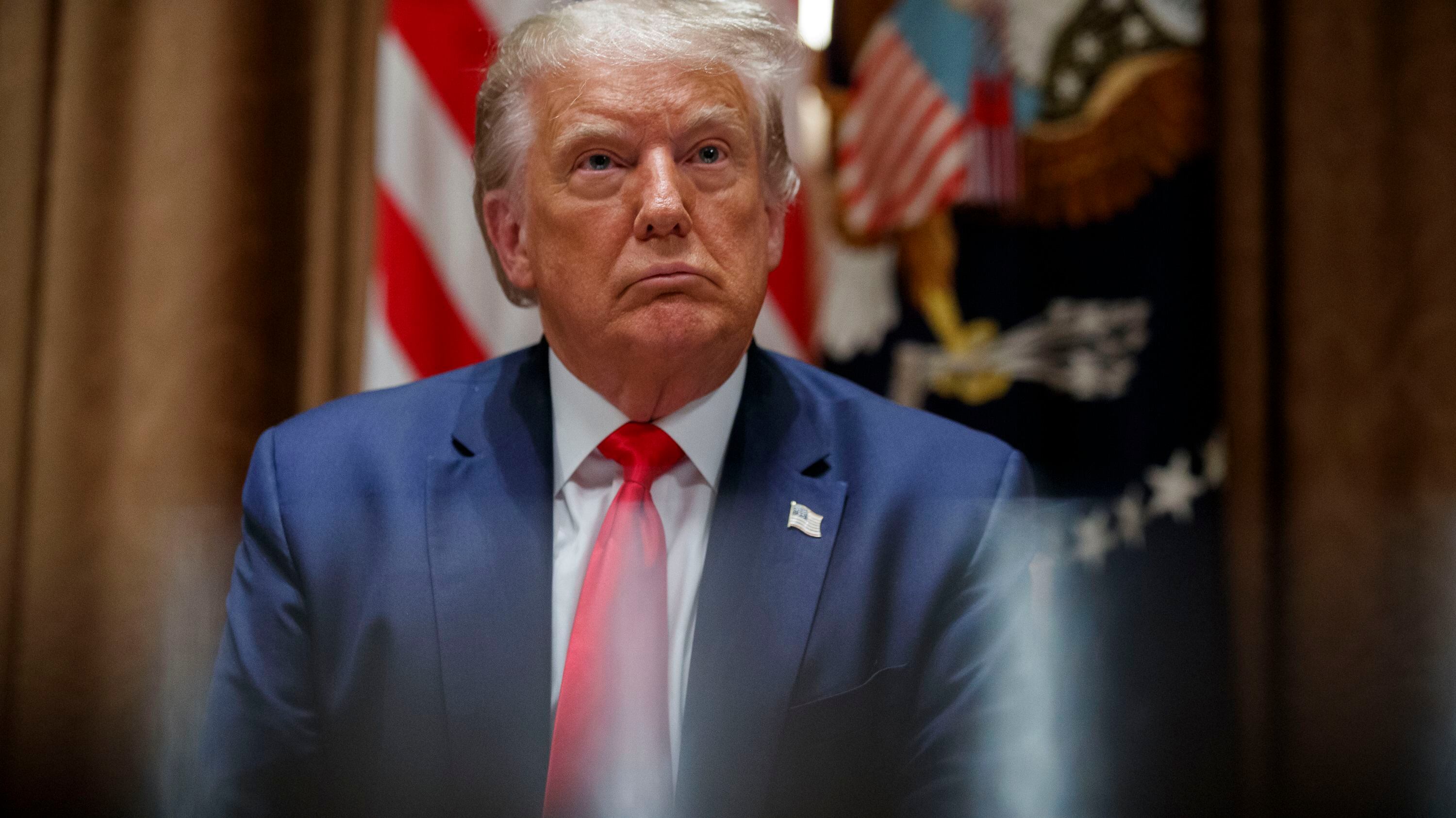
Meanwhile, Trump favors tax cuts and deregulation to stimulate the economy but concedes that another infusion of cash stimulus is likely needed. The president also extended federal unemployment benefits for six weeks after they were set to expire in July but at a lower rate of $300 a week, half the amount of the earlier benefit.
Both candidates support tax incentives for manufacturers to keep jobs at home. Biden even proposes tax penalties for those businesses that ship manufacturing jobs overseas with the intention of selling finished products back into the U.S.
Whoever wins the election in November faces a daunting task, with millions still out of work, consumer spending slowing down, and a resurgence in coronavirus cases adding to the economic woes.
Read More on Trump and Biden's Plans:
Trump vs. Biden on Raising the Federal Minimum Wage
Biden vs. Trump on Student Loans and Higher Education
Democratic presidential candidate Joe Biden will not travel to Milwaukee to accept his party's White House nomination because of concerns over the coronavirus.
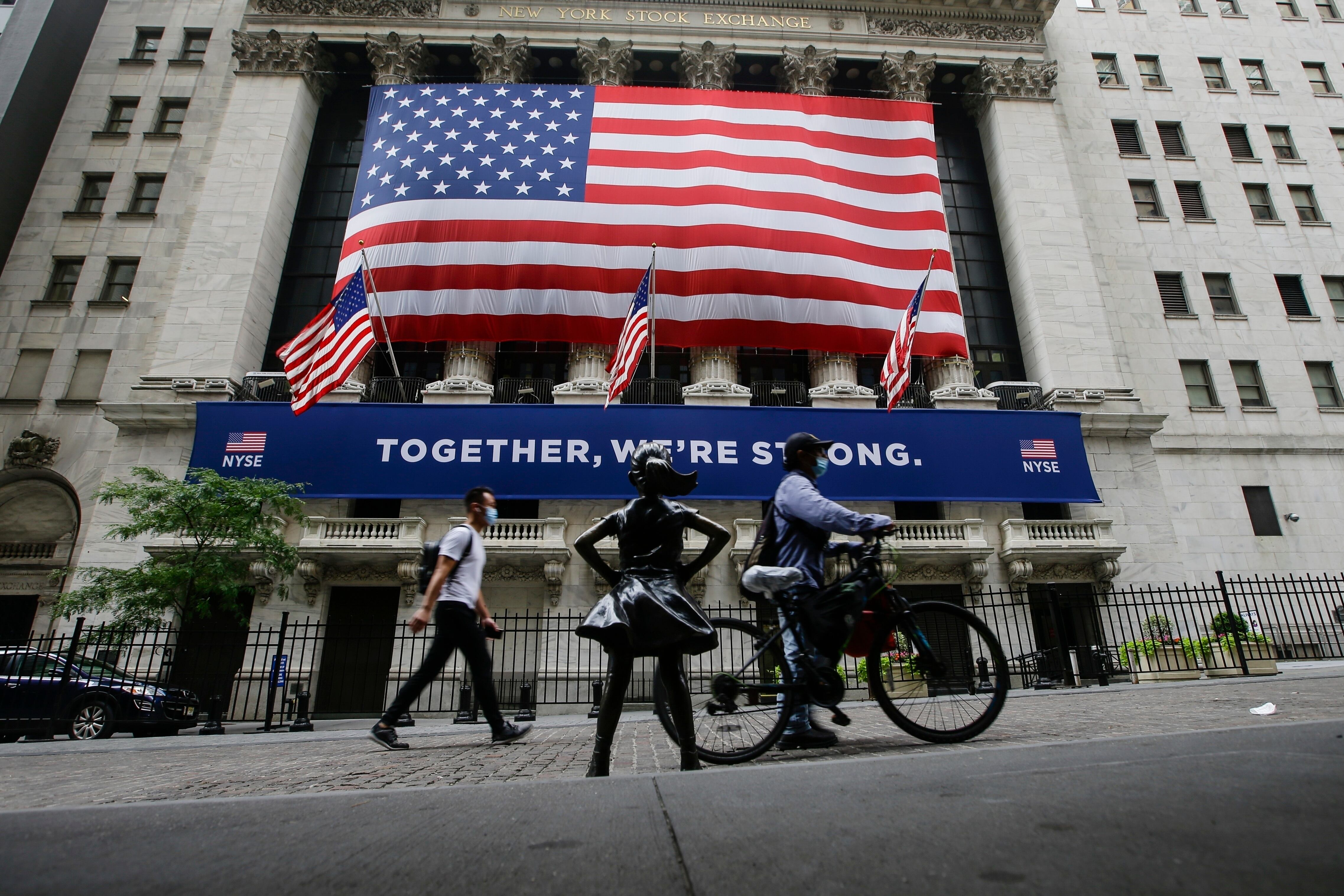
U.S. stock indexes drifted higher Tuesday as Wall Street's big rally eased off the accelerator.
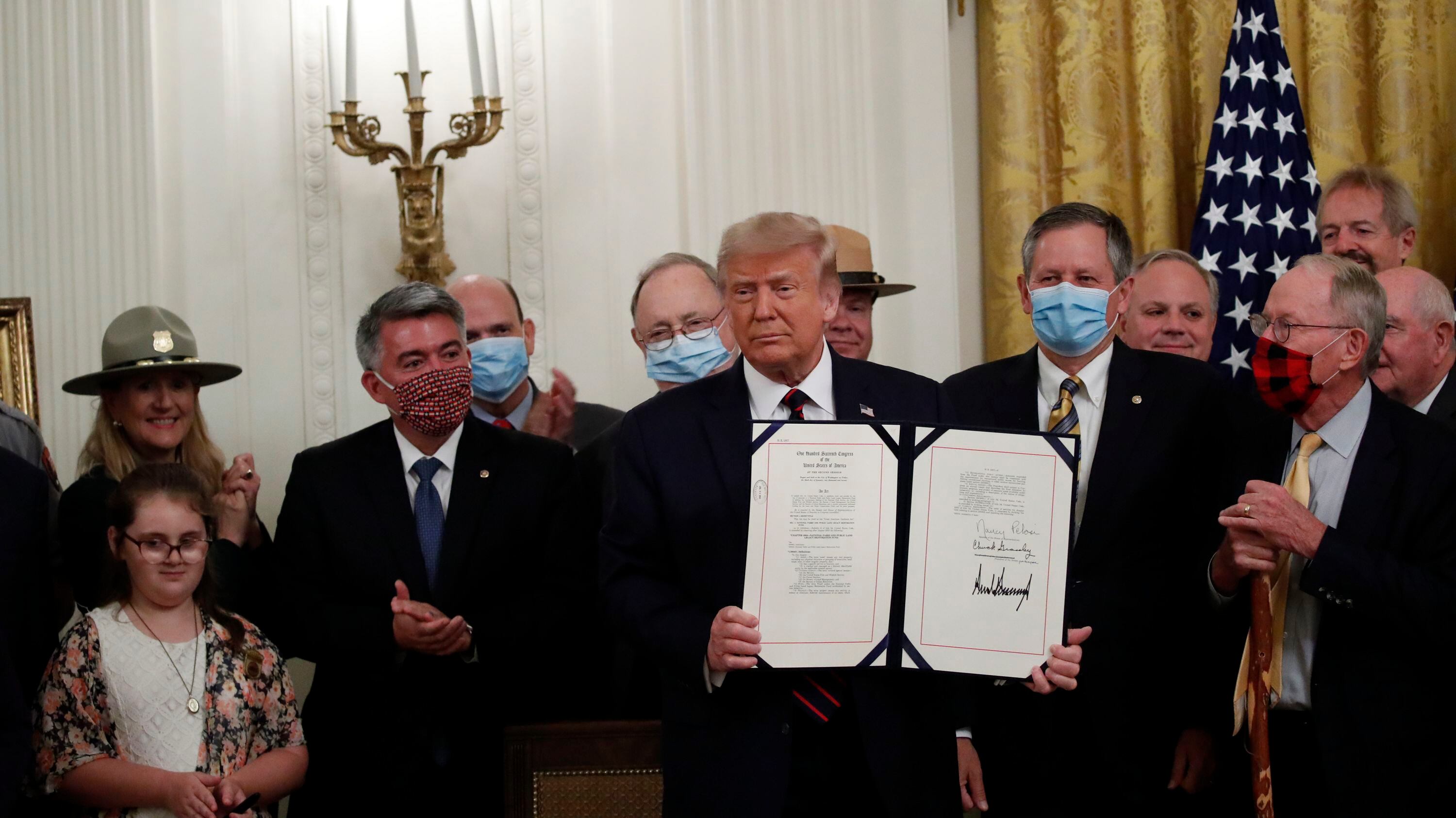
President Donald Trump has signed into law legislation that will devote nearly $3 billion annually to conservation projects, outdoor recreation and maintenance of national parks and other public lands.
A Manhattan prosecutor trying to get President Donald Trump’s tax returns told a judge that he was justified in demanding them, citing public reports of “extensive and protracted criminal conduct at the Trump Organization.”
Since March, there have been 423 workplace litigation cases related to COVID-19, according to a tracker developed by the law firm Fisher Phillips.
Parents in Georgia, Louisiana, Mississippi and Tennessee are among those who will be the first to navigate the new academic year as schools open up in parts of those states this week.
While the U.S. economy shrank at an annualized rate of 32.9 percent during the second quarter, the downturn didn't seem to affect Facebook at all.
From Wall Street to Silicon Valley, these are the top stories that moved markets and had investors, business leaders, and entrepreneurs talking this week on Cheddar.
Dr. Anthony Fauci has told lawmakers that once a coronavirus vaccine is approved as safe and effective, Americans should have widespread access within a reasonable time.
President Trump has rolled back and an Obama-era fair housing policy, allowing developers to bypass building affordable housing in suburban neighborhoods. David Sanchez, director of research & development at National Community Stabilization Trust, assesses the move as a rallying call to Trump's base ahead of the November election.