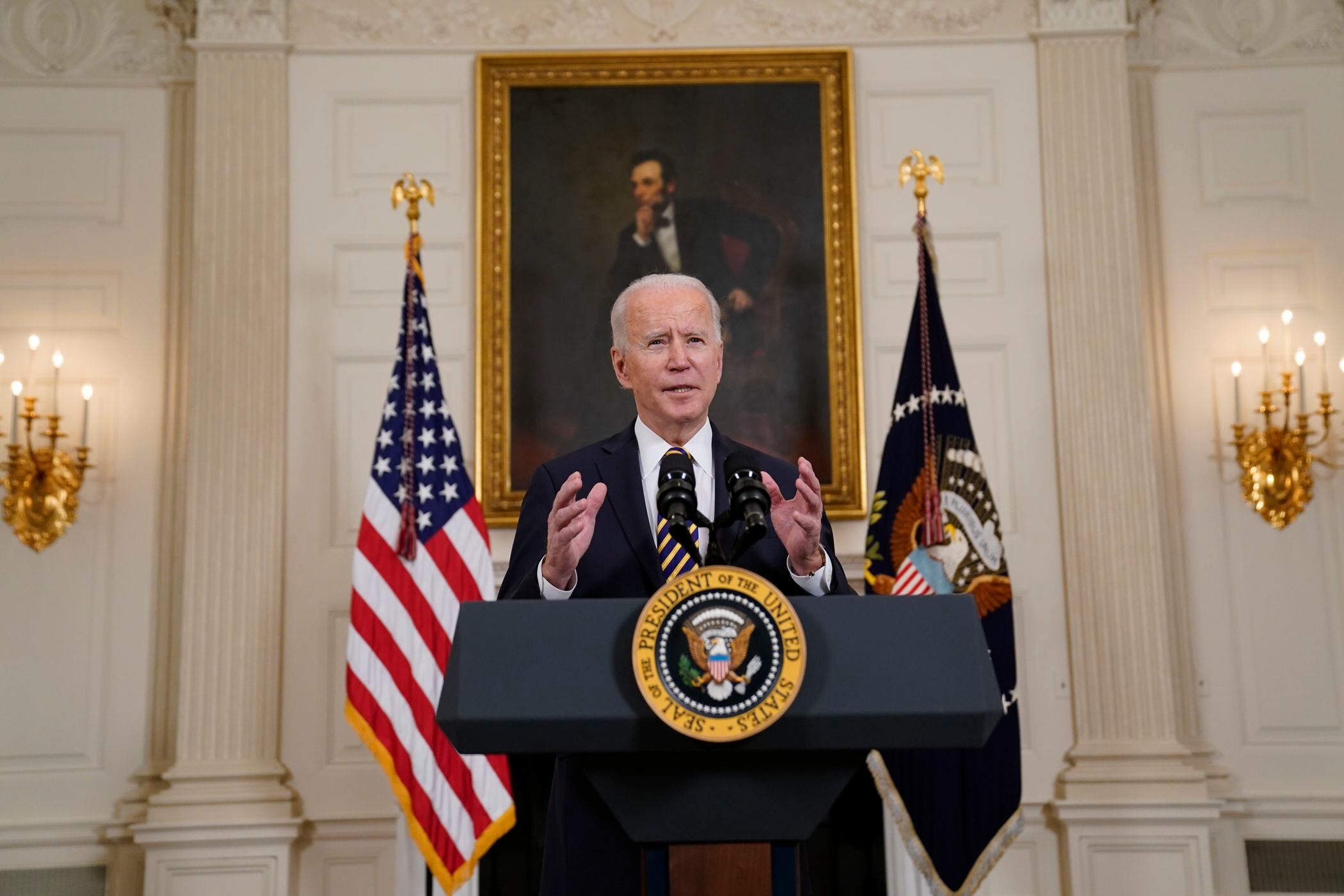
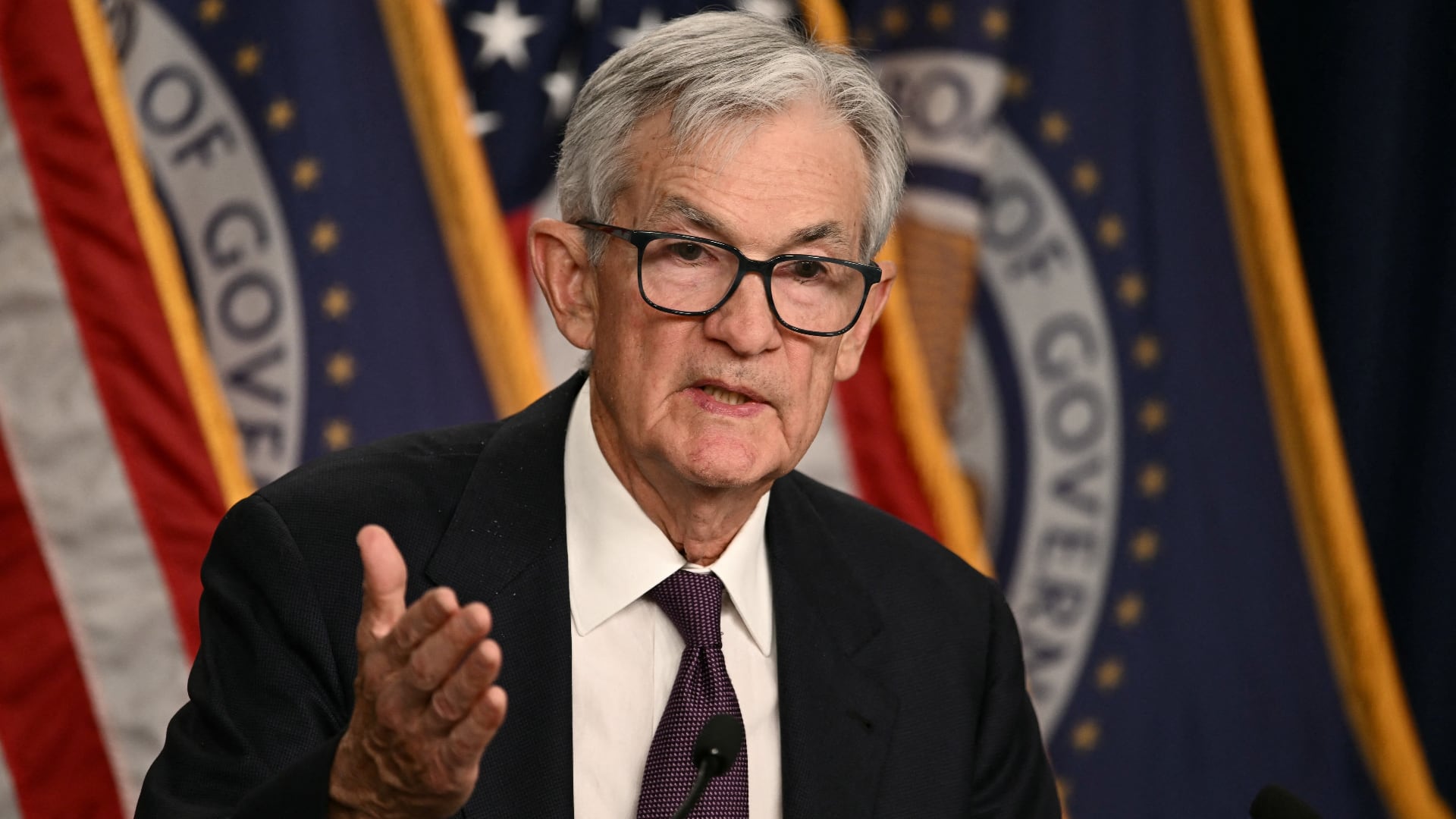
The U.S. lost a stunning 22 million jobs in March and April at the beginning of the coronavirus pandemic, with only about half of those numbers returning in the following seven months. With weekly jobless claims remaining high, voters might want to know more about what former Vice President Joe Biden and President Donald Trump intend to do on the issue of labor.
Biden has pledged to do whatever it takes to help jobs recover through direct stimulus payments. His plan includes funding for state and local governments to keep essential workers on their payrolls and federal payouts to supplement state unemployment checks.
Meanwhile, Trump favors tax cuts and deregulation to stimulate the economy but concedes that another infusion of cash stimulus is likely needed. The president also extended federal unemployment benefits for six weeks after they were set to expire in July but at a lower rate of $300 a week, half the amount of the earlier benefit.
Both candidates support tax incentives for manufacturers to keep jobs at home. Biden even proposes tax penalties for those businesses that ship manufacturing jobs overseas with the intention of selling finished products back into the U.S.
Whoever wins the election in November faces a daunting task, with millions still out of work, consumer spending slowing down, and a resurgence in coronavirus cases adding to the economic woes.
Read More on Trump and Biden's Plans:
Trump vs. Biden on Raising the Federal Minimum Wage
Biden vs. Trump on Student Loans and Higher Education
Texas is lifting a COVID-19 mask mandate that was imposed last summer but has only been lightly enforced. Republican Gov. Greg Abbott’s announcement Tuesday makes Texas the largest state to do away with a face covering order.
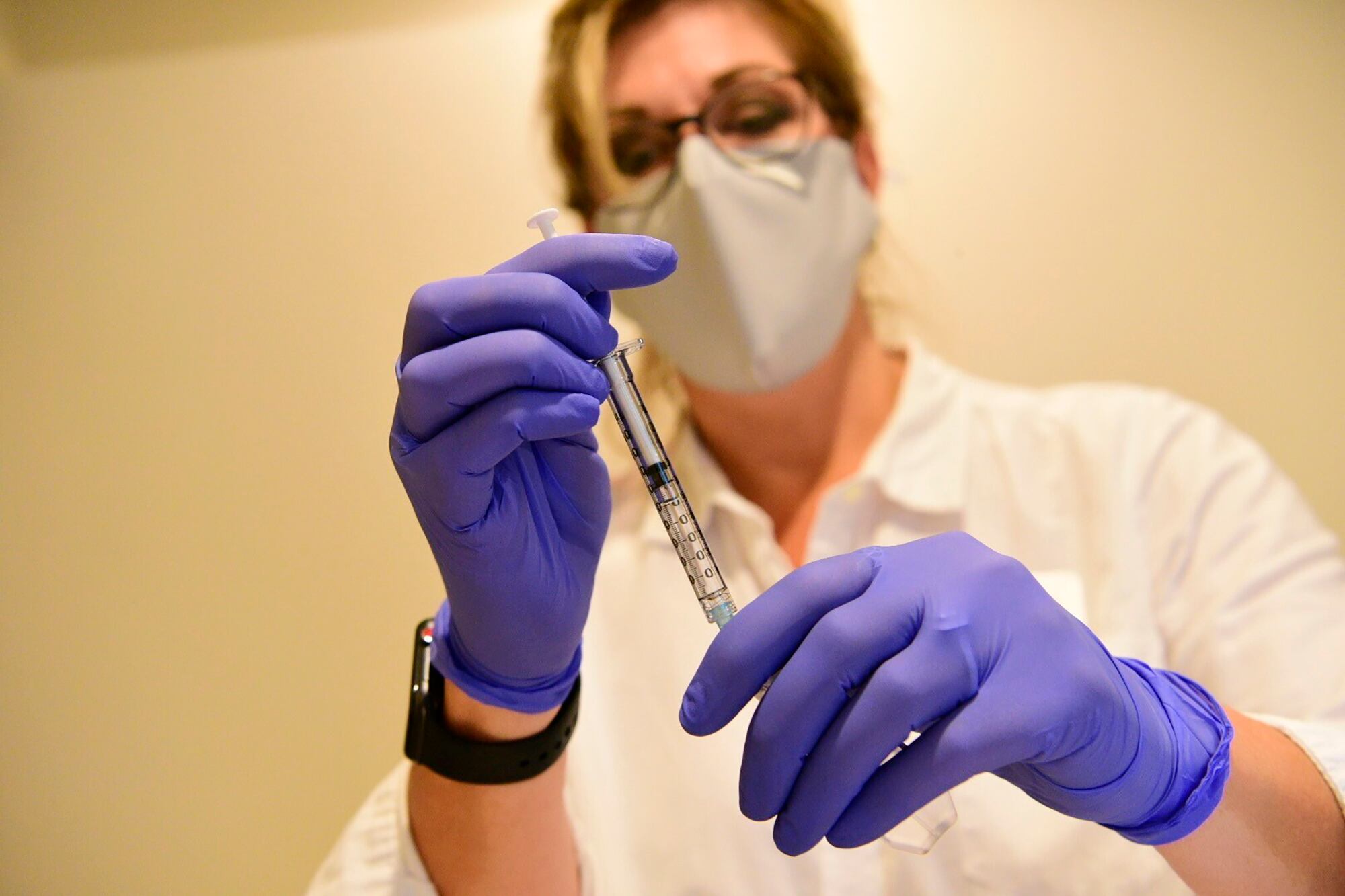
Drugmaker Merck & Co. will help produce rival Johnson & Johnson’s newly approved coronavirus vaccine in an effort to expand supply more quickly.
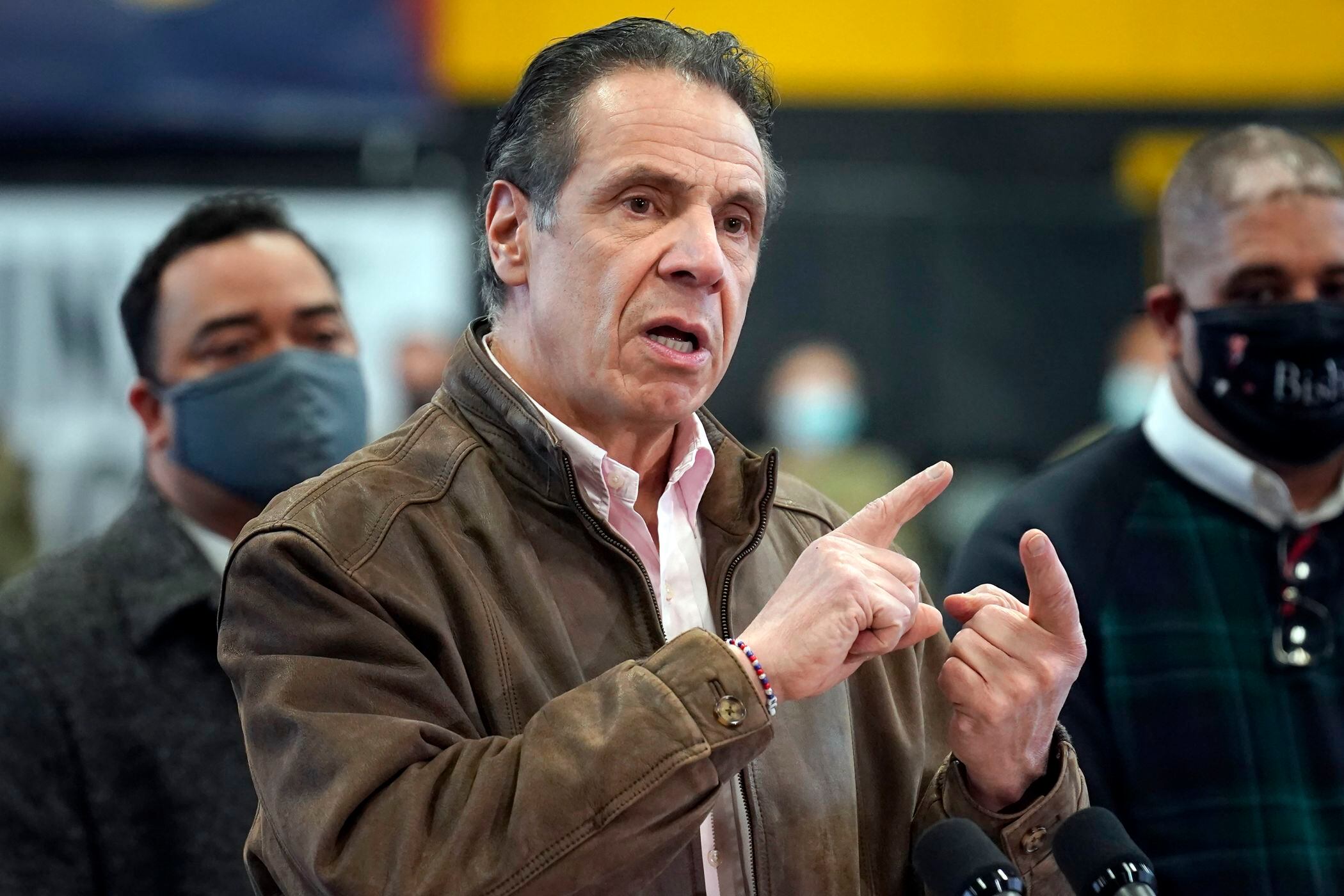
Calls for New York Gov. Andrew Cuomo to resign are intensifying now that a third woman has accused him of offensive behavior.
The pill comprises 40% of the profits in the U.S. contraceptive market and 25% of contraceptive consumers, causing millions of unnecessary ‘periods’ along the way. So, why hasn’t birth control evolved beyond the pseudo-period?
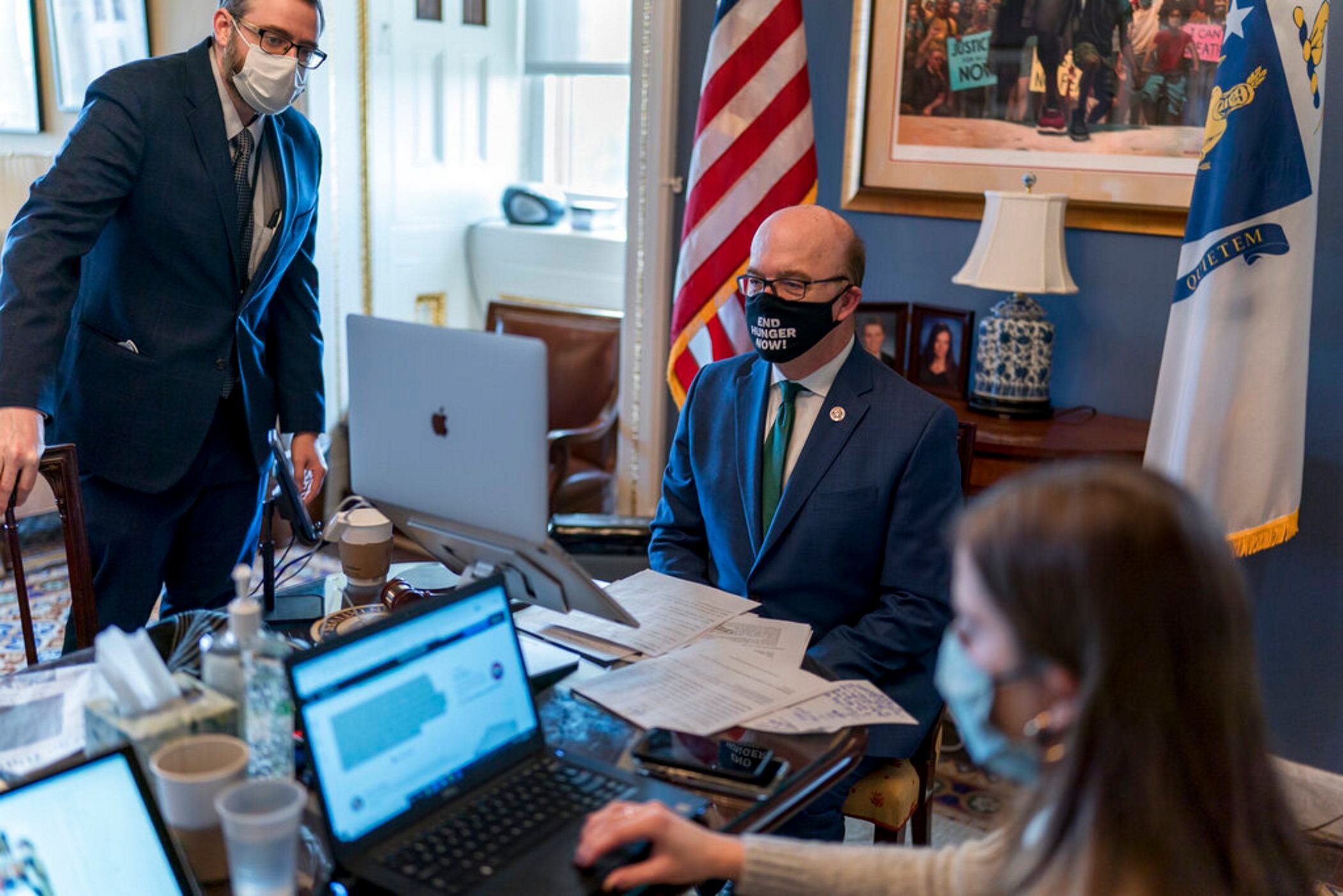
This is your Washington Week Ahead for the week of March 1.
U.S. health advisers have endorsed a one-dose COVID-19 vaccine from Johnson & Johnson that's expected to provide an easier-to-use option to fight the pandemic.
Following the Senate Intelligence Committee hearing on the widespread SolarWinds cyberattack, cybersecurity experts are pushing the need for private businesses and federal agencies to cooperate closely to prevent future such breaches.
From Wall Street to Silicon Valley, these are the top stories that moved markets and had investors, business leaders, and entrepreneurs talking this week on Cheddar.
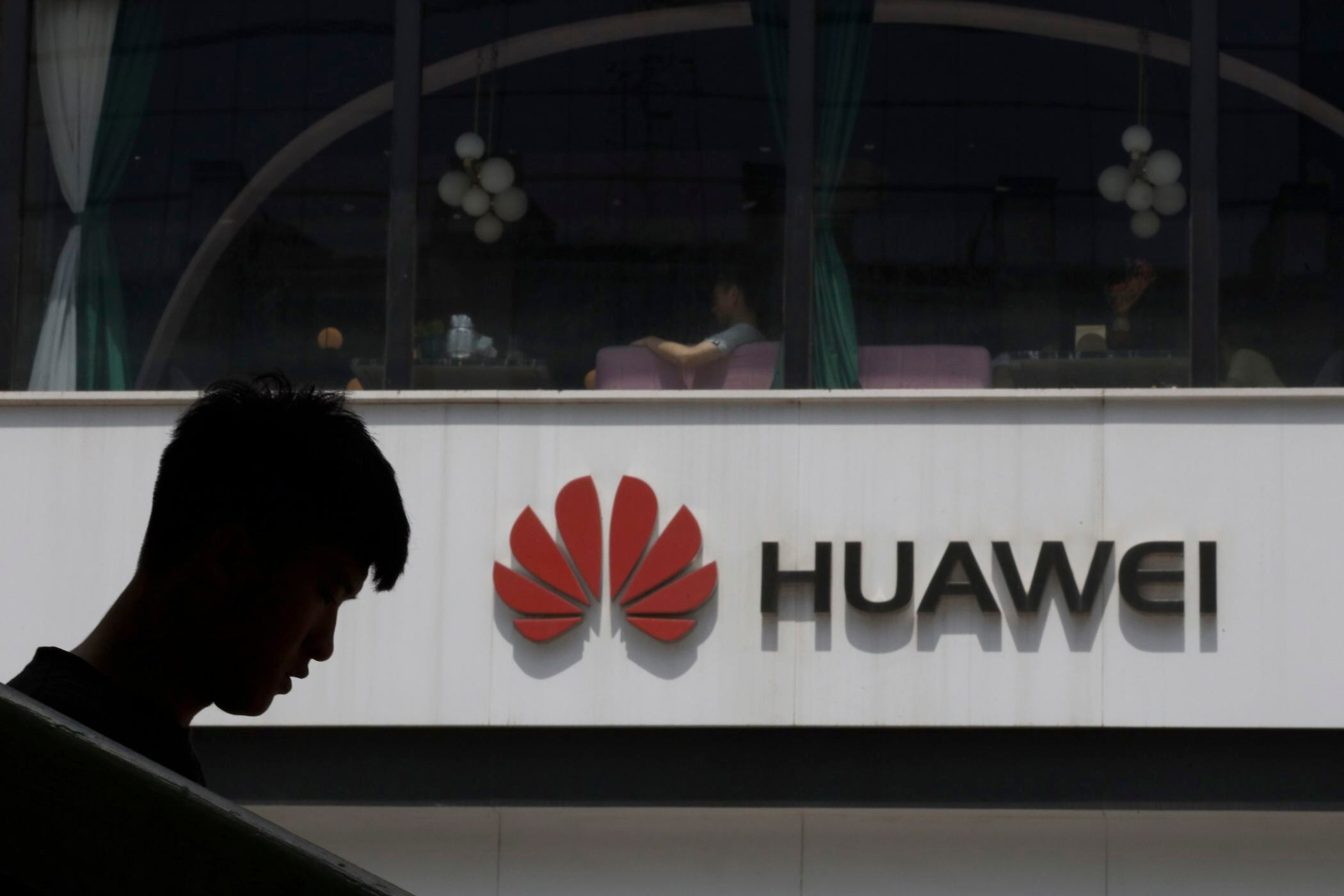
Andy Purdy, chief security officer for the company's U.S. division, refuted reports that Huawei would be manufacturing electric cars of its own.
Democrats are looking to Biden to aggressively pursue judicial appointments following Trump's rapid rate of picks. Advocates point to some early signs that the new president may be following their lead.