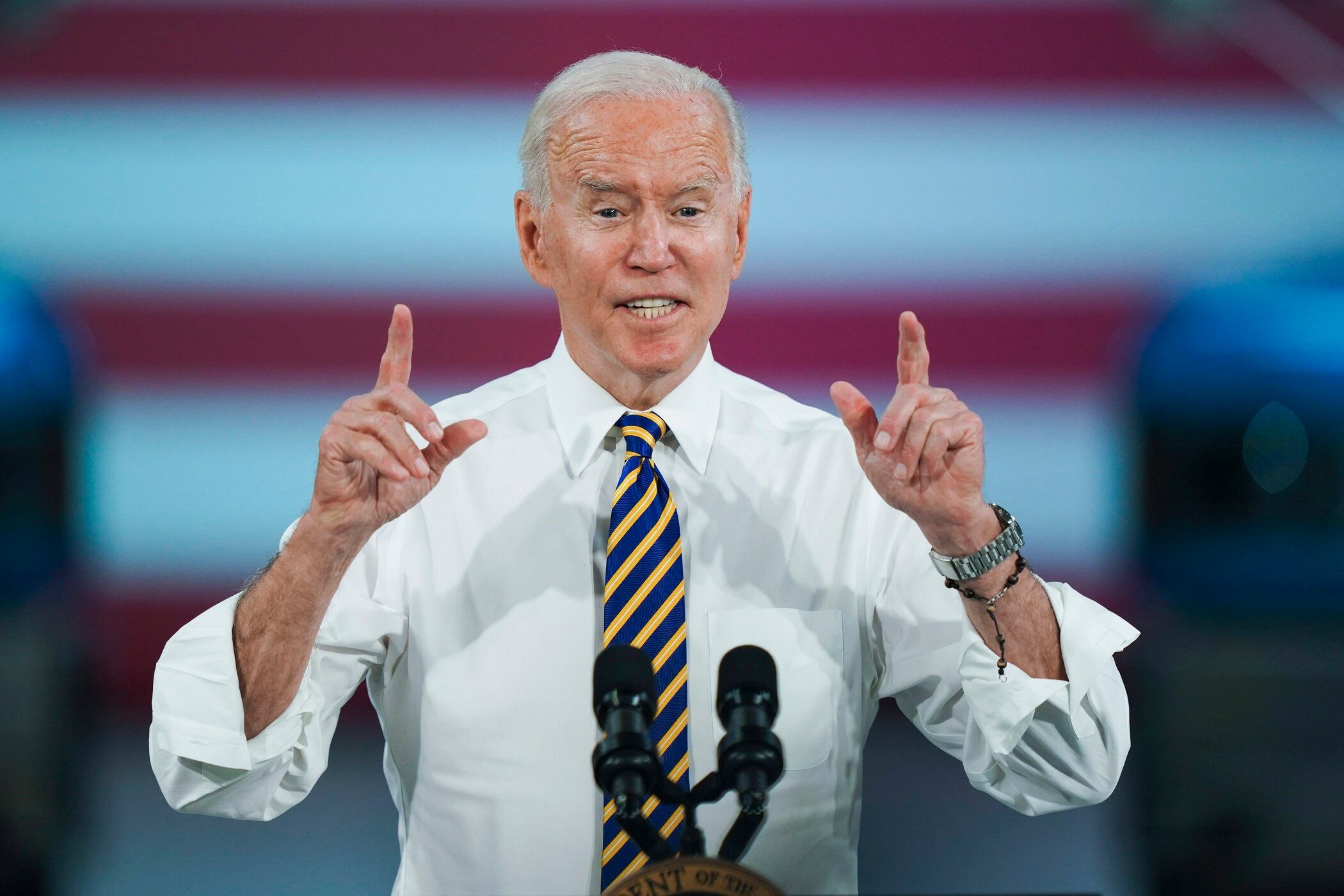
The U.S. lost a stunning 22 million jobs in March and April at the beginning of the coronavirus pandemic, with only about half of those numbers returning in the following seven months. With weekly jobless claims remaining high, voters might want to know more about what former Vice President Joe Biden and President Donald Trump intend to do on the issue of labor.
Biden has pledged to do whatever it takes to help jobs recover through direct stimulus payments. His plan includes funding for state and local governments to keep essential workers on their payrolls and federal payouts to supplement state unemployment checks.
Meanwhile, Trump favors tax cuts and deregulation to stimulate the economy but concedes that another infusion of cash stimulus is likely needed. The president also extended federal unemployment benefits for six weeks after they were set to expire in July but at a lower rate of $300 a week, half the amount of the earlier benefit.
Both candidates support tax incentives for manufacturers to keep jobs at home. Biden even proposes tax penalties for those businesses that ship manufacturing jobs overseas with the intention of selling finished products back into the U.S.
Whoever wins the election in November faces a daunting task, with millions still out of work, consumer spending slowing down, and a resurgence in coronavirus cases adding to the economic woes.
Read More on Trump and Biden's Plans:
Trump vs. Biden on Raising the Federal Minimum Wage
Biden vs. Trump on Student Loans and Higher Education
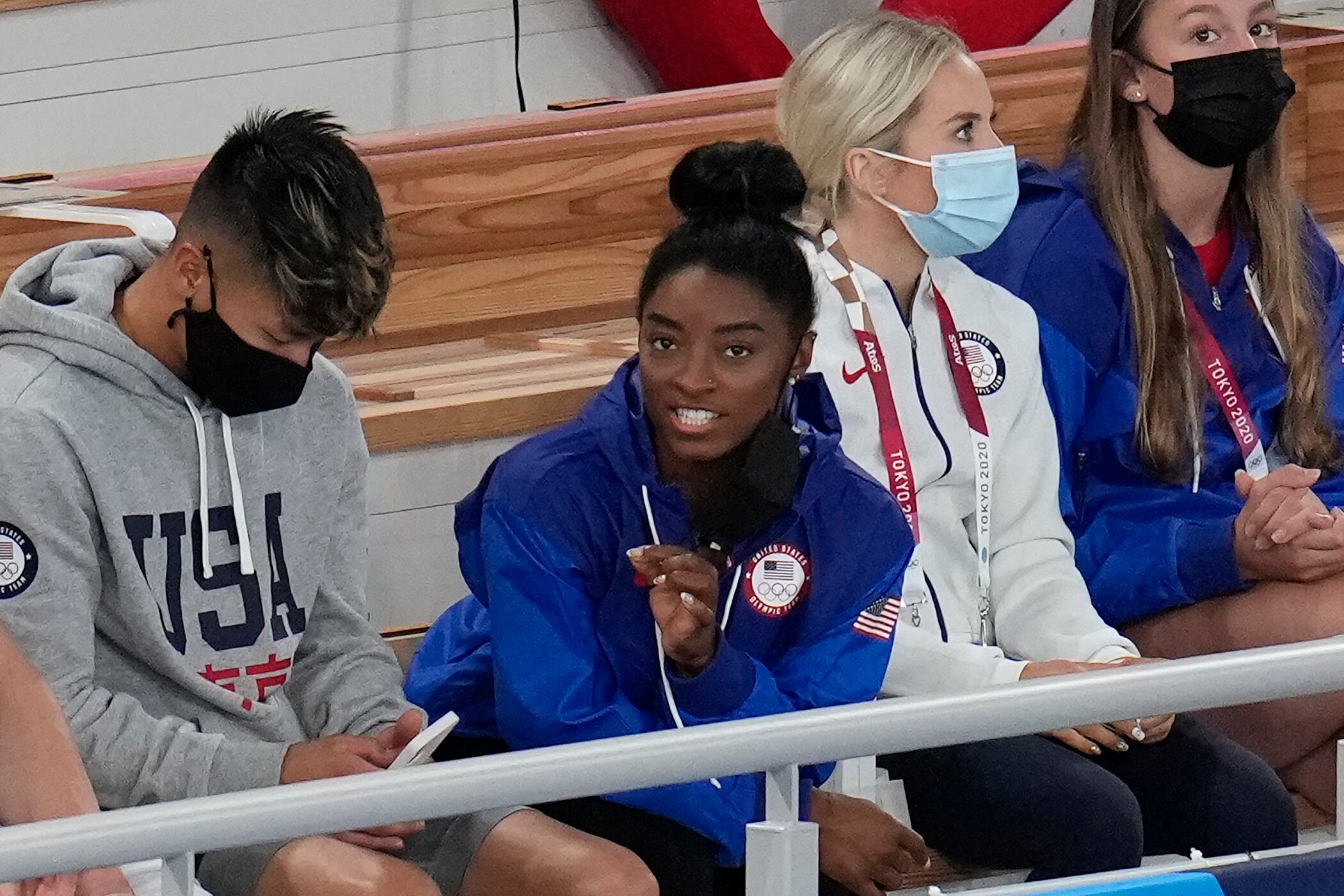
Jill and Carlo talk about the latest from Tokyo including Simone Biles plans to compete in the balance beam final, Dr. Fauci's dire Delta warning, high profile vaccine mandates from employers like Walmart and Disney, and Square's acquisition of Afterpay.
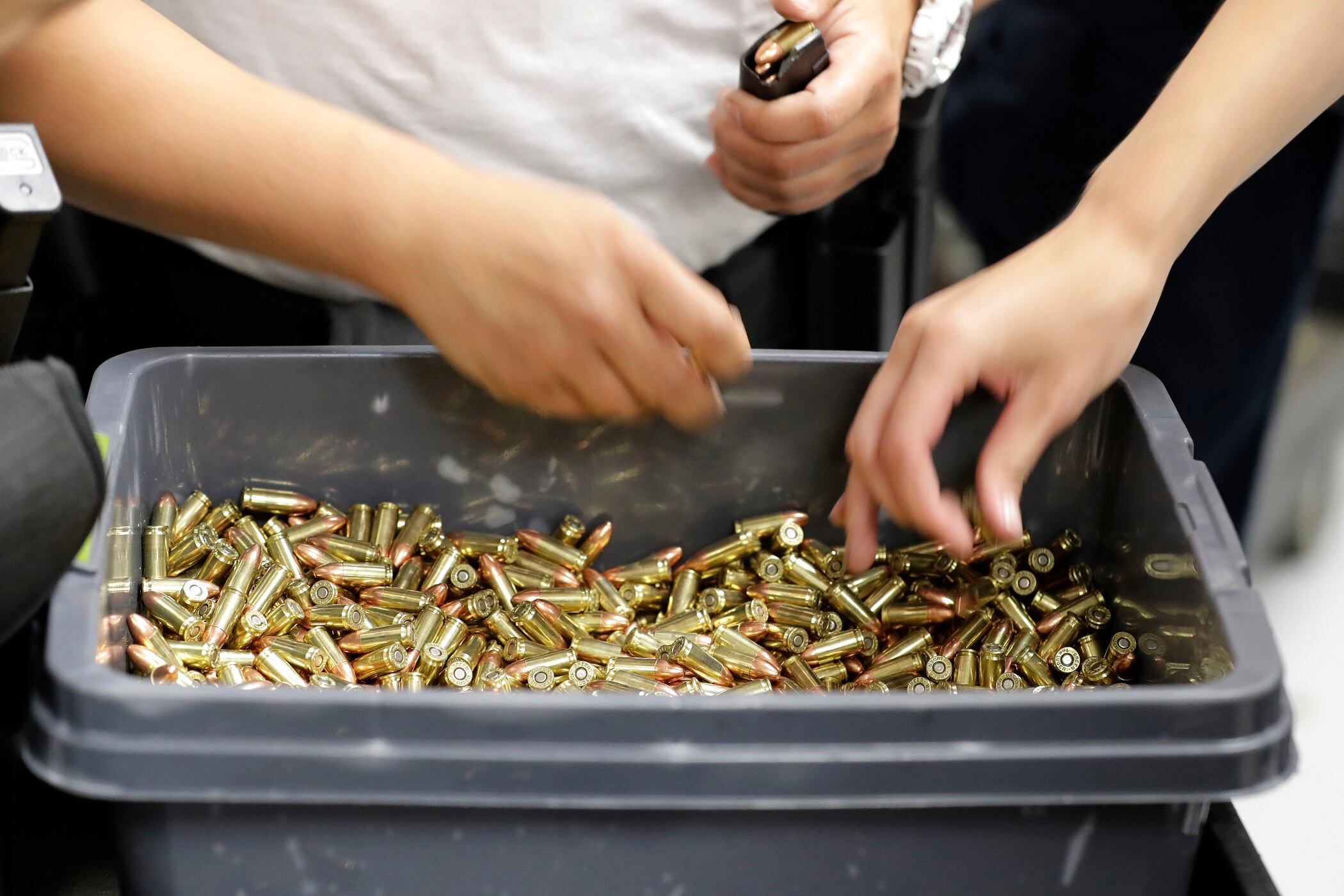
A shortage of ammunition in the U.S. is having an impact on law enforcement agencies, people seeking personal protection, recreational shooters and hunters.
Scientists who studied a big COVID-19 outbreak in Massachusetts concluded that vaccinated people who got so-called breakthrough infections carried about the same amount of the coronavirus as those who did not get the shots.
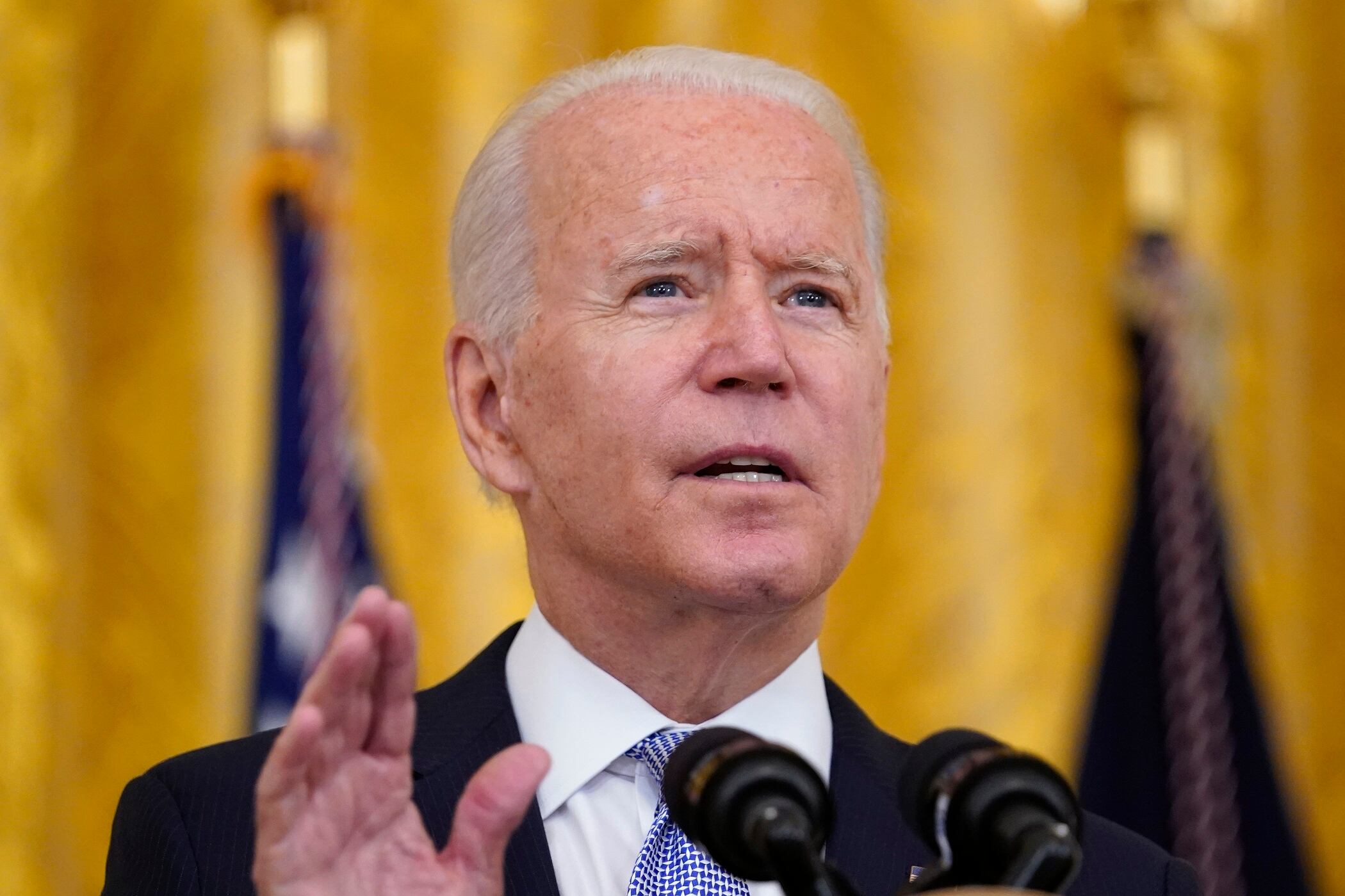
The Biden administration has announced sweeping new pandemic rules for federal workers and some contractors.
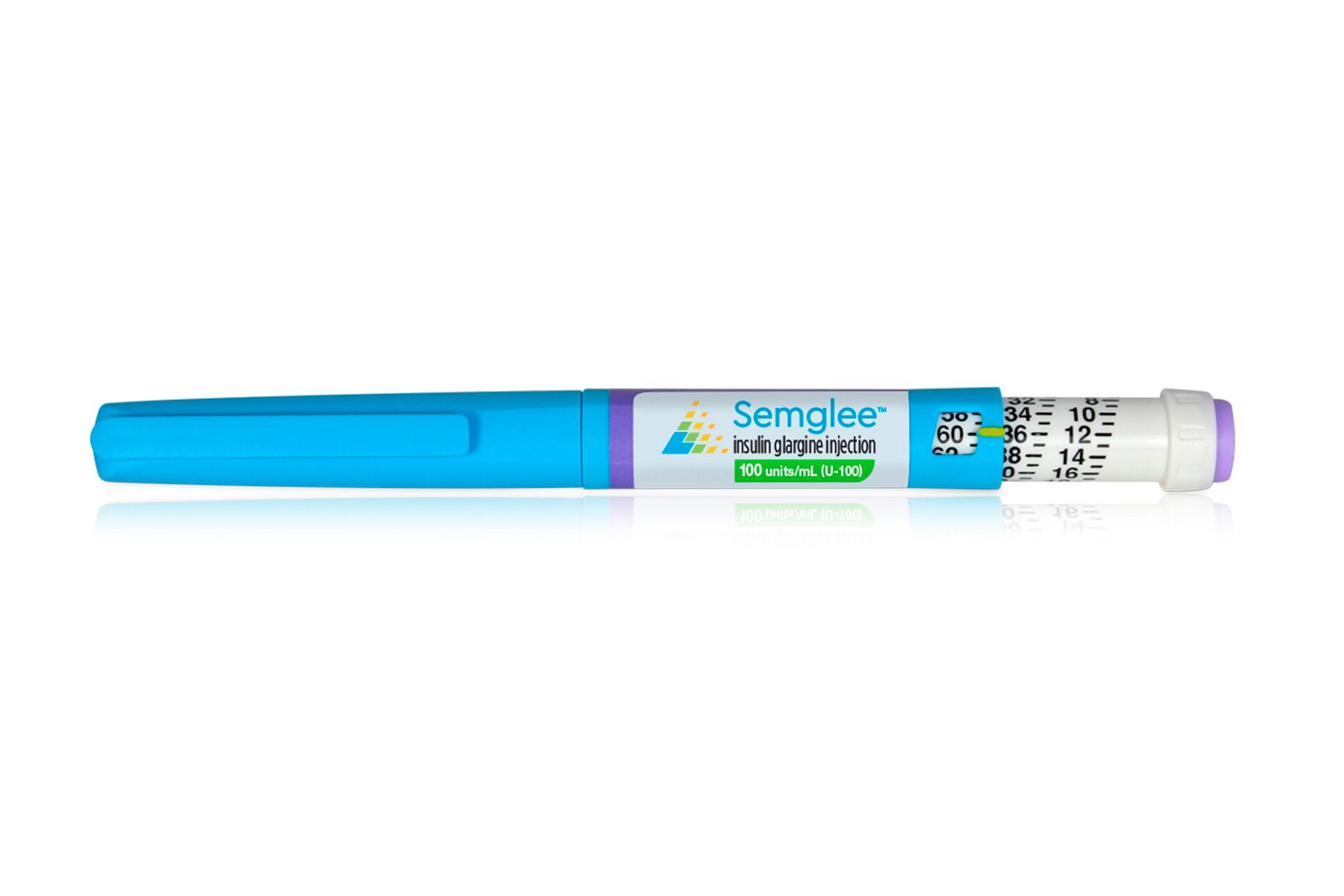
U.S. regulators have taken action that will make it easier to get a cheaper and similar version of a brand-name insulin at the drugstore.
A new interactive tracker from the Atlantic Council shows that 81 countries are at some stage of development with a central bank digital currency, but the U.S. is notably absent from its list of frontrunners.
Fueled by vaccinations and government aid, the U.S. economy grew at a solid 6.5% annual rate last quarter in the clearest sign to date that the nation has achieved a sustained recovery from the pandemic recession.
The number of Americans collecting unemployment benefits slid last week, another sign that the job market continues to recover rapidly from the coronavirus recession.
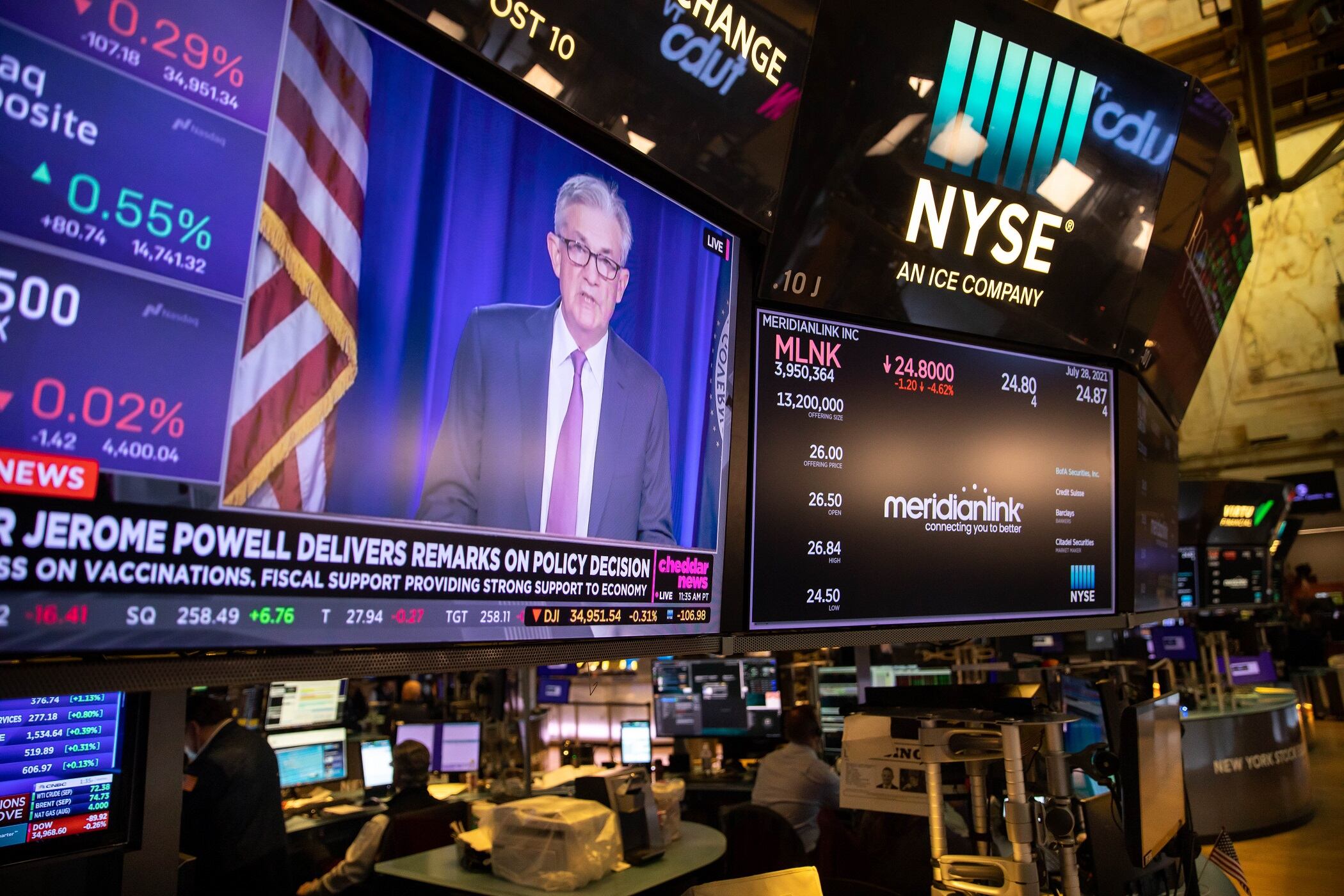
Fed-watchers had their ears peeled after Wednesday's meeting of the Federal Reserve's Open Market Committee for any signal of when the central bank might start tapering its $120 billion in monthly assets purchases.
President Joe Biden and a bipartisan group of senators have reached a deal over major outstanding issues in a $1 trillion infrastructure bill.