The U.S. lost a stunning 22 million jobs in March and April at the beginning of the coronavirus pandemic, with only about half of those numbers returning in the following seven months. With weekly jobless claims remaining high, voters might want to know more about what former Vice President Joe Biden and President Donald Trump intend to do on the issue of labor.
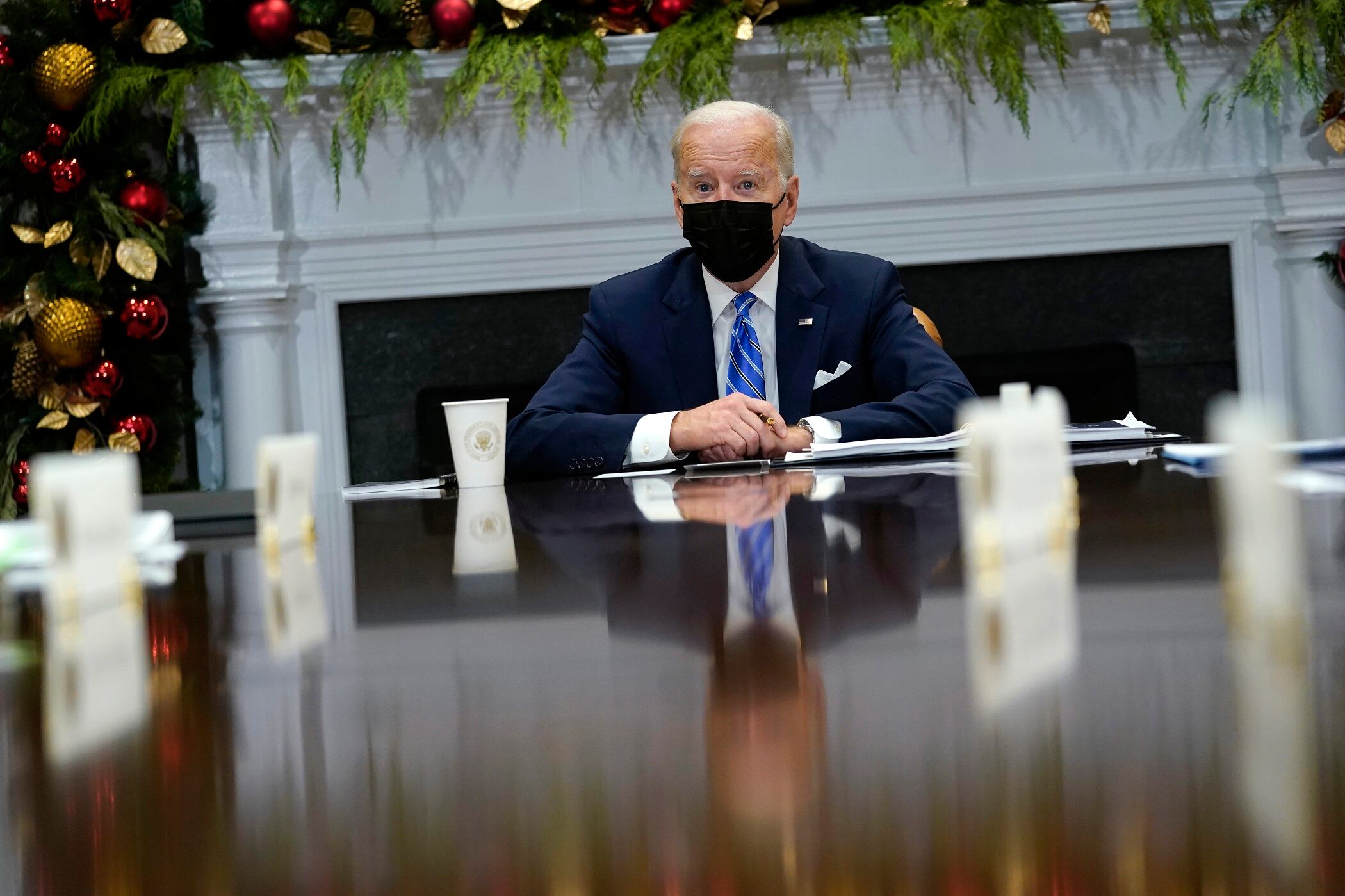
Biden has pledged to do whatever it takes to help jobs recover through direct stimulus payments. His plan includes funding for state and local governments to keep essential workers on their payrolls and federal payouts to supplement state unemployment checks.
Meanwhile, Trump favors tax cuts and deregulation to stimulate the economy but concedes that another infusion of cash stimulus is likely needed. The president also extended federal unemployment benefits for six weeks after they were set to expire in July but at a lower rate of $300 a week, half the amount of the earlier benefit.
Both candidates support tax incentives for manufacturers to keep jobs at home. Biden even proposes tax penalties for those businesses that ship manufacturing jobs overseas with the intention of selling finished products back into the U.S.
Whoever wins the election in November faces a daunting task, with millions still out of work, consumer spending slowing down, and a resurgence in coronavirus cases adding to the economic woes.
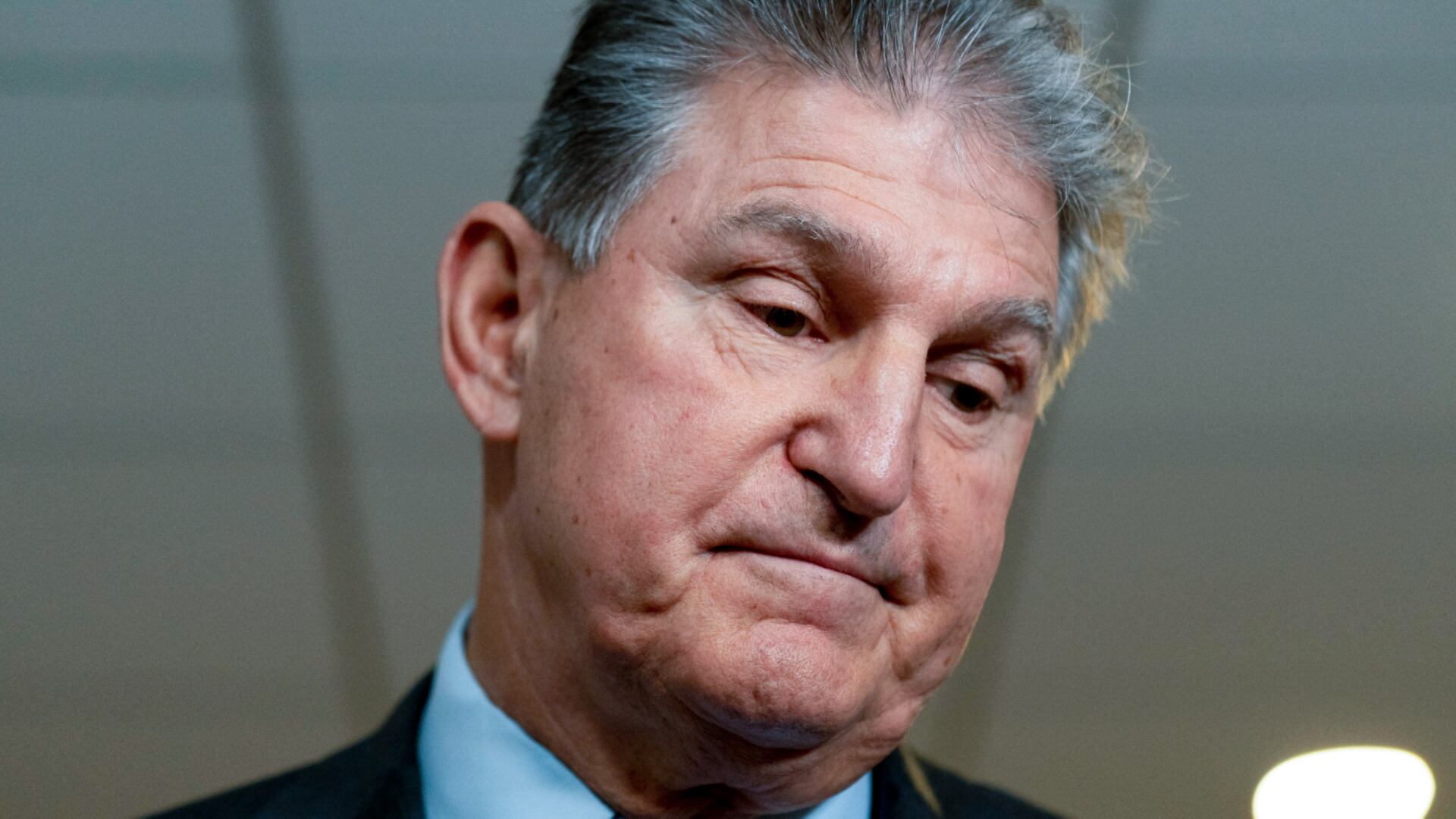
The Hill's White House Correspondent Alex Gangitano joined Wake Up With Cheddar to break down the deterioration of Senator Manchin and President Biden's relationship, as the White House calls out the West Virginia lawmaker for "breaching his commitments to the President."
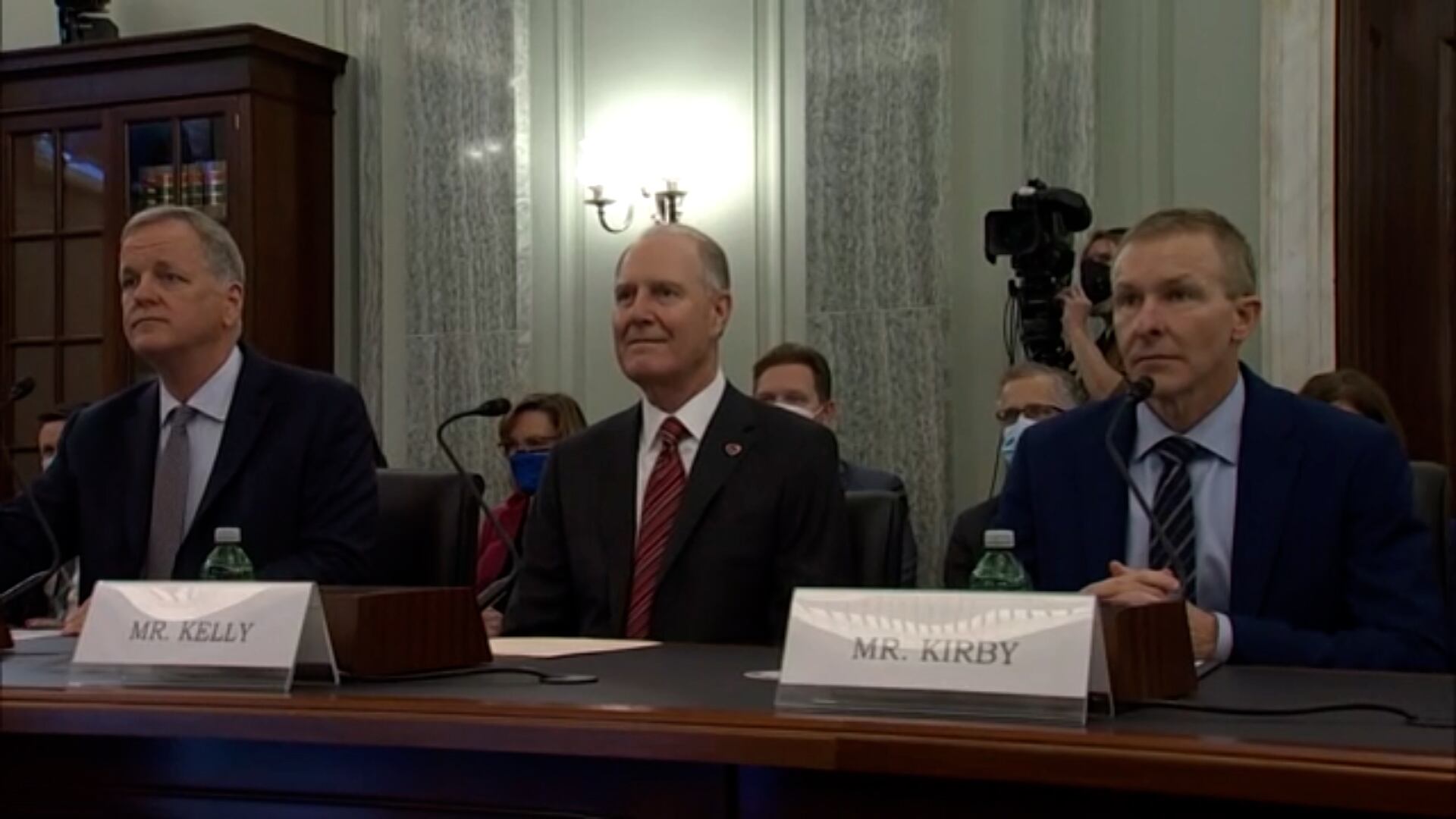
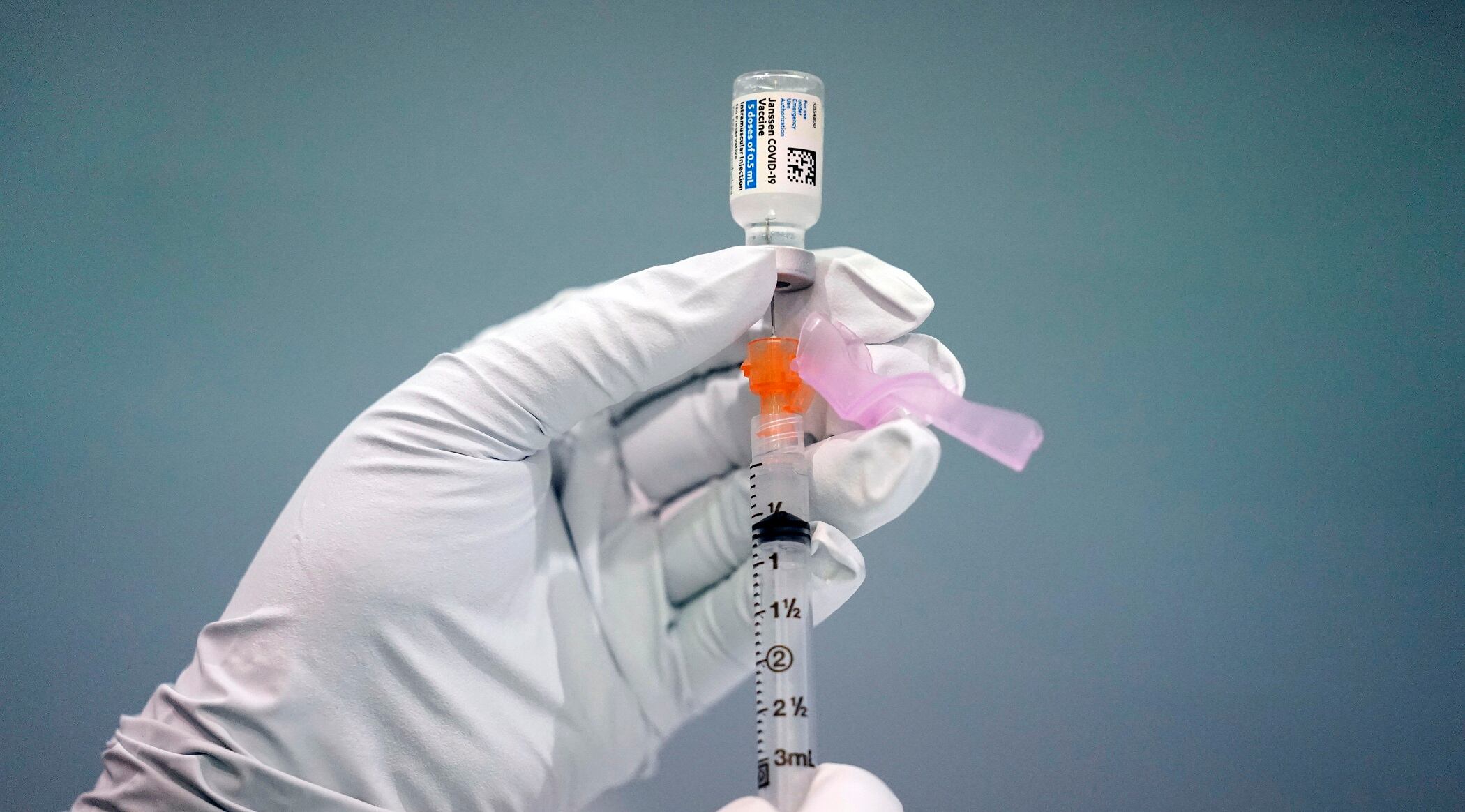
Airline executives faced tough questions from a Senate panel on Wednesday after receiving a $54 billion dollar Covid-19 government lifeline. Congress approved the fund in three rounds covering much of US airlines’ payroll costs for 18 months. During the hearing lawmakers asked CEO’s how they used the federal bailout funds, about staffing issues, flight cancellations, and delays. U.S. airlines reported a record $35 billion dollar loss last year when travel came to an abrupt halt because of the pandemic. Michael Boyd, CEO at the Boyd Group International explains why customers may not be returning to the skies quite so soon.
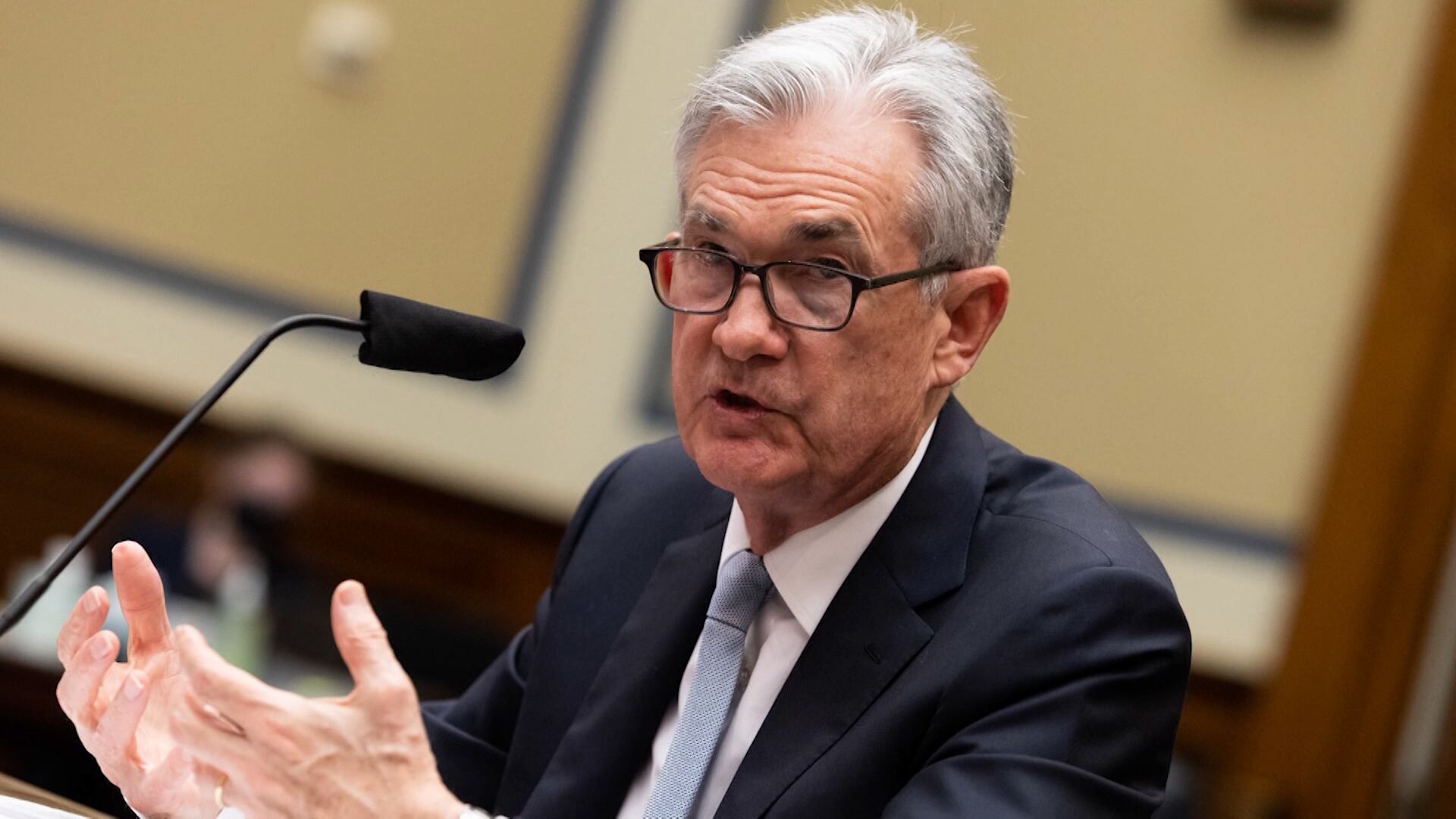
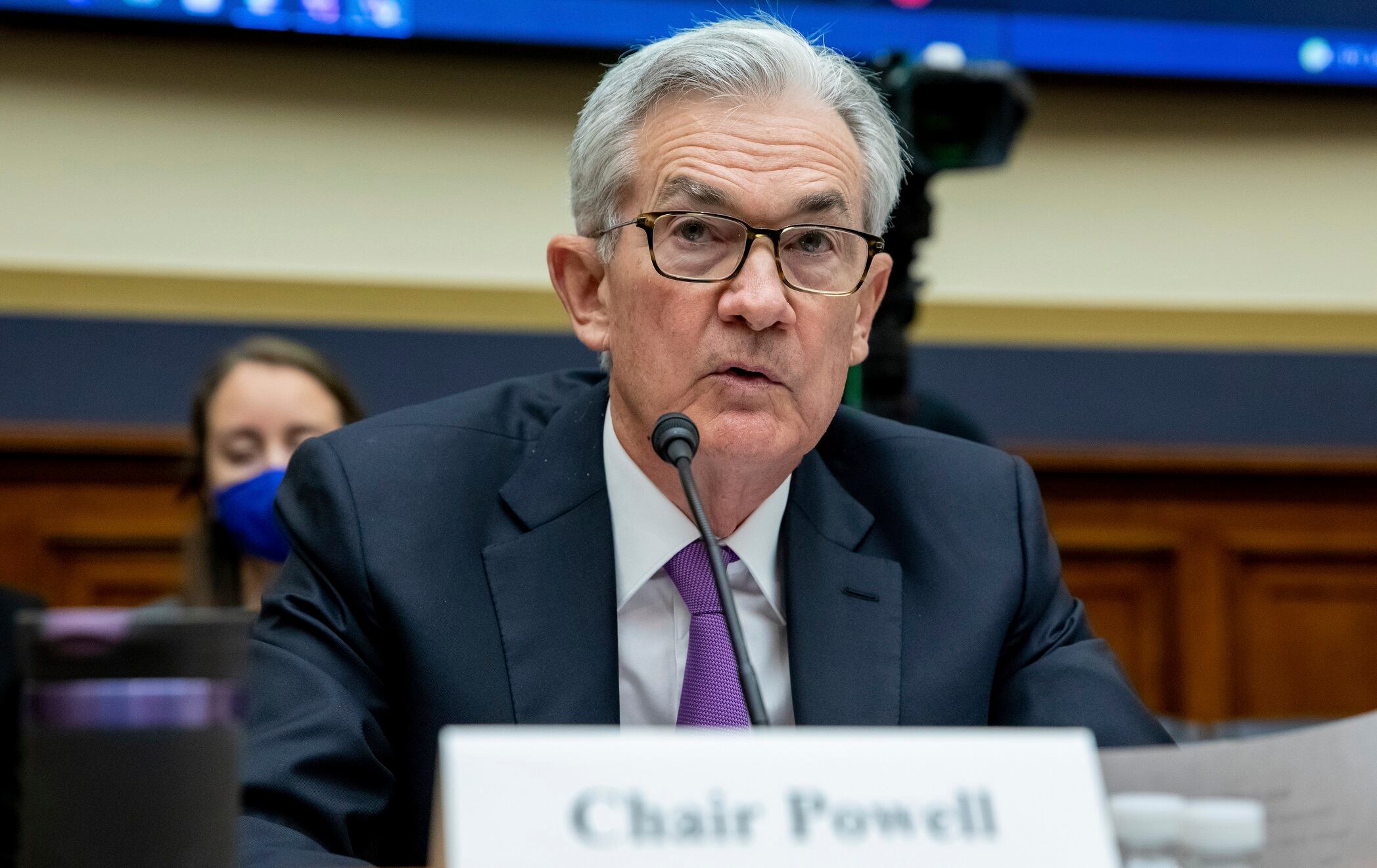
Senior Global Market Strategist at Wells Fargo Investment Institute Scott Wren joined Wake Up With Cheddar to recap the central bank's policy change, and how it may impact the economy moving forward.
Carlo's joined by a quarantining Baker to discuss the headlines from the weekend as Omicron spreads like wildfire, Manchin kills Biden's signature bill and Spider-Man throws a lifeline to the box office.
President Joe Biden is pledging to do “whatever it takes, as long as it takes” to help Kentucky and other states recover and rebuild after a series of deadly tornadoes that he says left a trail of unimaginable devastation.
The Federal Reserve has nixed the controversial word "transitory" to describe inflation in its latest policy statement. The change in language comes as the Fed plans to speed up its tapering of monthly asset purchases.