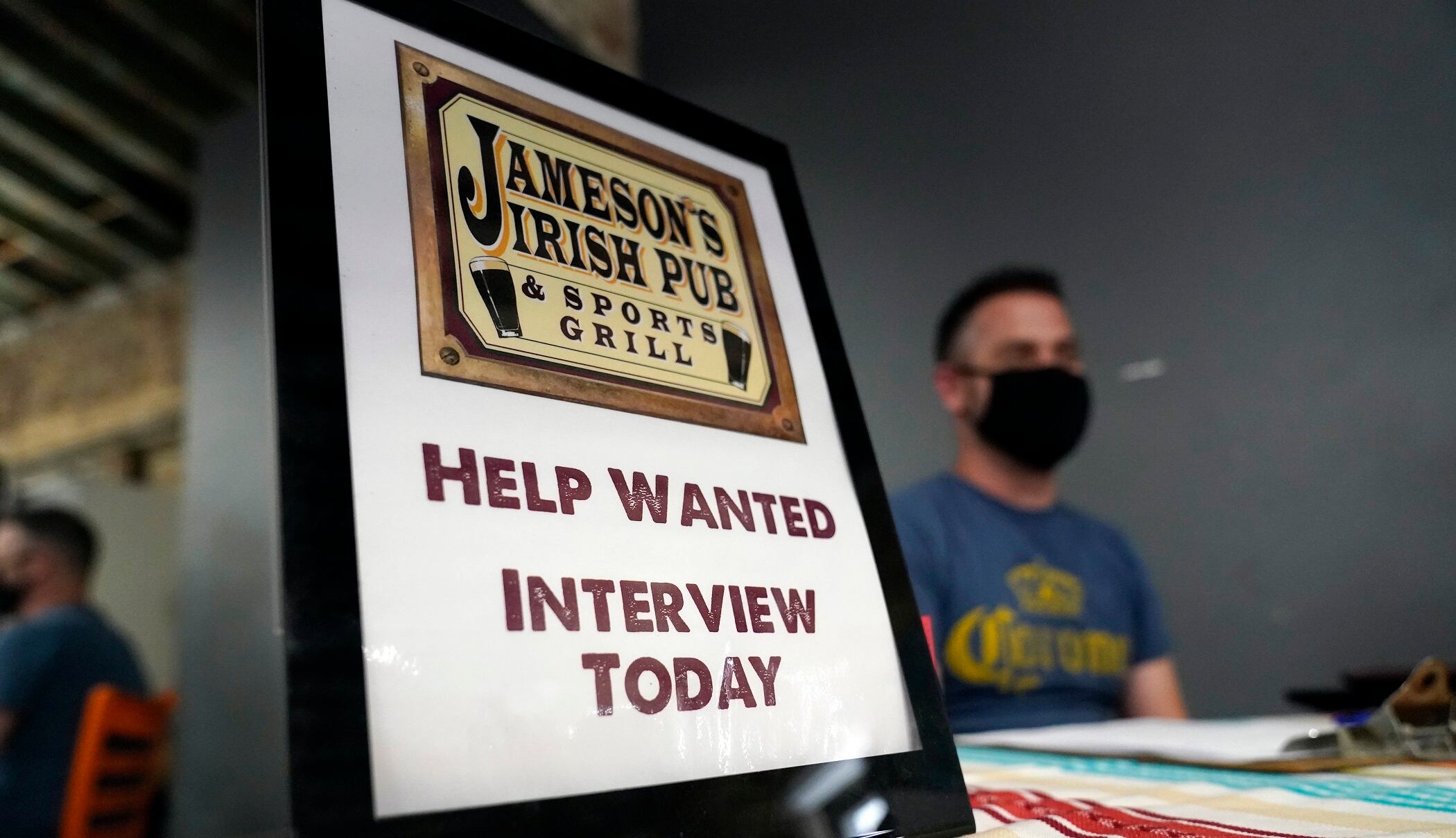
The U.S. lost a stunning 22 million jobs in March and April at the beginning of the coronavirus pandemic, with only about half of those numbers returning in the following seven months. With weekly jobless claims remaining high, voters might want to know more about what former Vice President Joe Biden and President Donald Trump intend to do on the issue of labor.
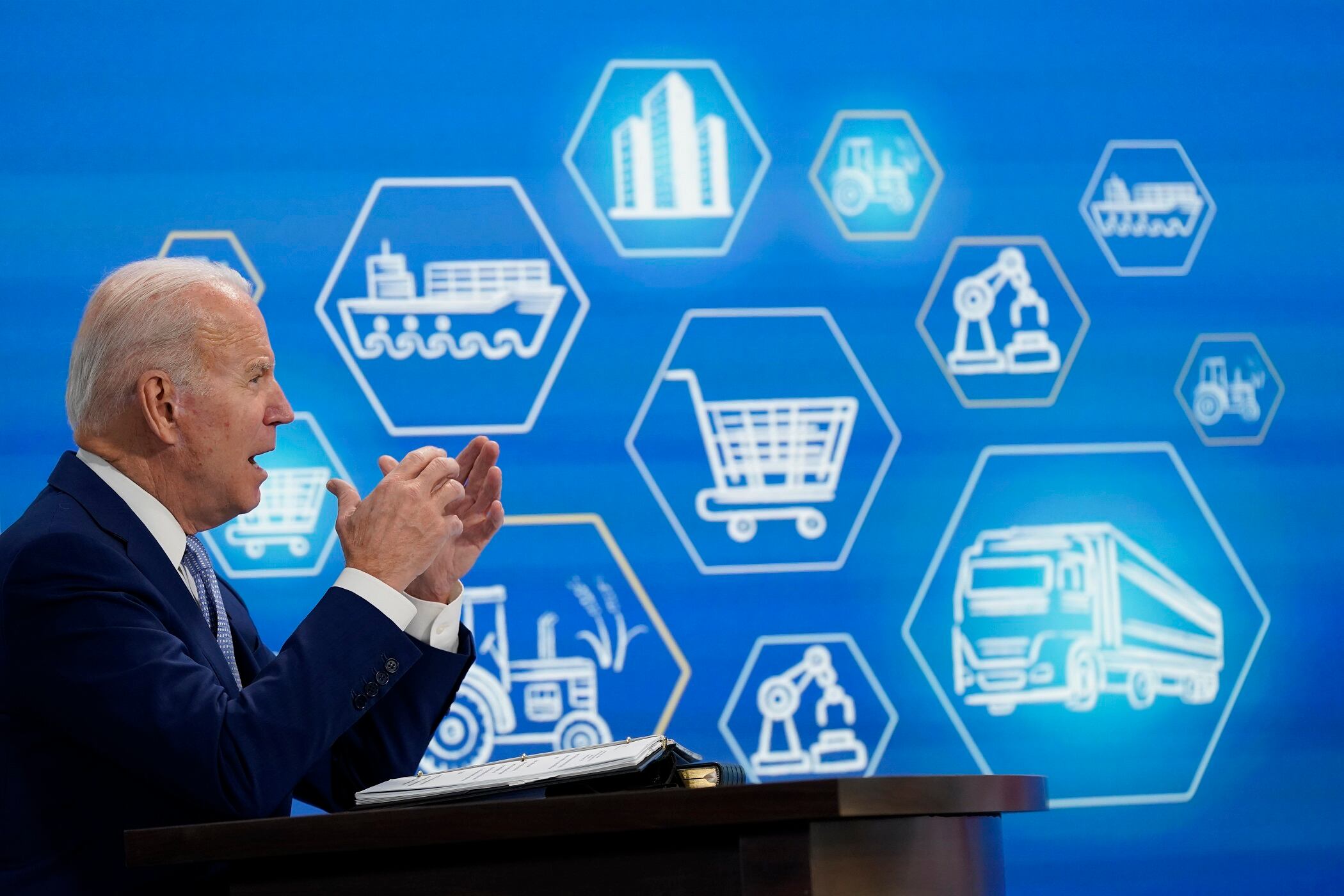
Biden has pledged to do whatever it takes to help jobs recover through direct stimulus payments. His plan includes funding for state and local governments to keep essential workers on their payrolls and federal payouts to supplement state unemployment checks.
Meanwhile, Trump favors tax cuts and deregulation to stimulate the economy but concedes that another infusion of cash stimulus is likely needed. The president also extended federal unemployment benefits for six weeks after they were set to expire in July but at a lower rate of $300 a week, half the amount of the earlier benefit.
Both candidates support tax incentives for manufacturers to keep jobs at home. Biden even proposes tax penalties for those businesses that ship manufacturing jobs overseas with the intention of selling finished products back into the U.S.
Whoever wins the election in November faces a daunting task, with millions still out of work, consumer spending slowing down, and a resurgence in coronavirus cases adding to the economic woes.
The number of Americans applying for unemployment benefits was unchanged last week, remaining at a historically low level that reflects the job market’s strong recovery from the coronavirus recession last year.
The Biden administration is extending a student loan moratorium that has allowed tens of millions of Americans to put off debt payments during the pandemic.
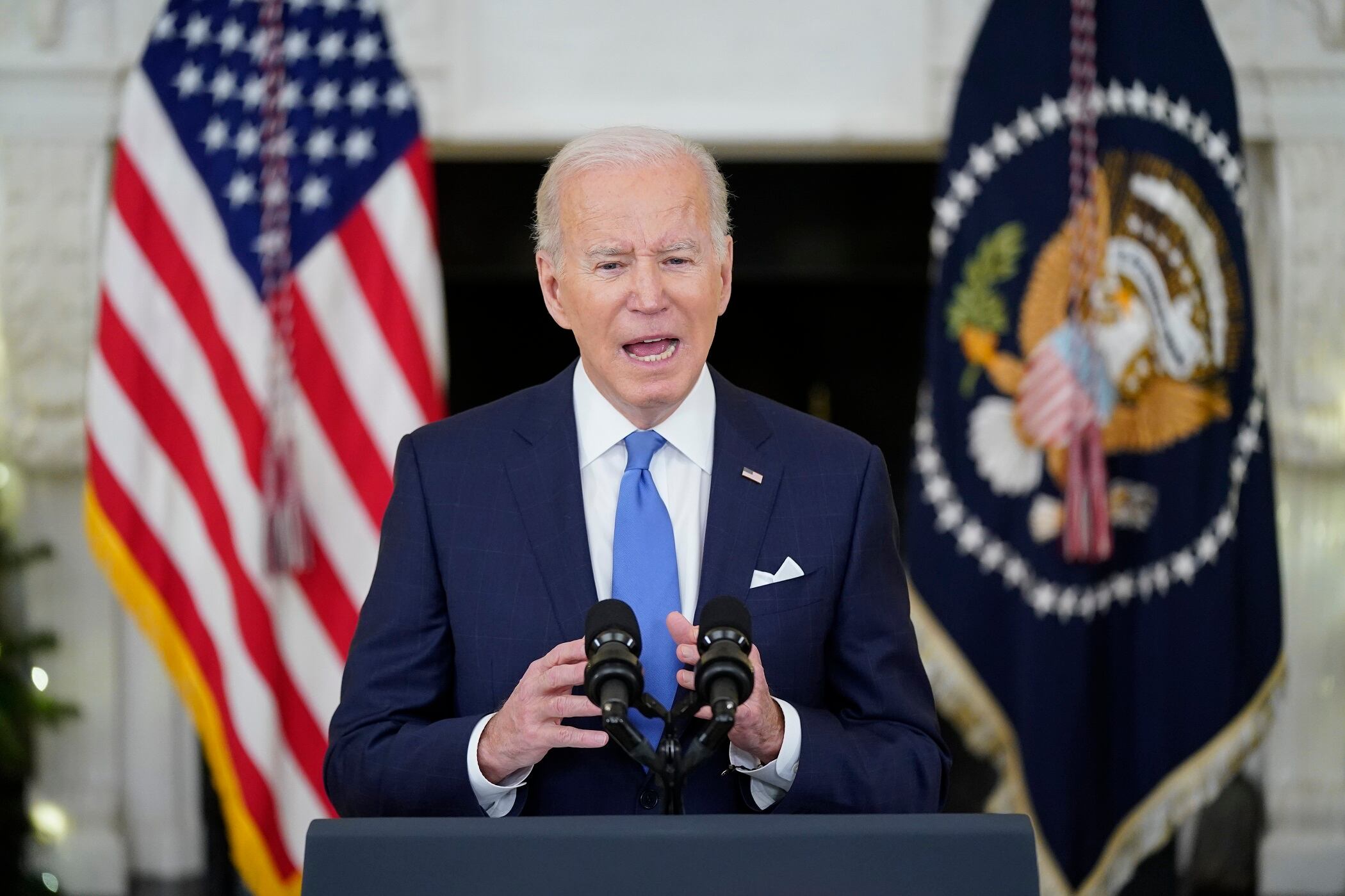
President Joe Biden plans to deliver 500 million free COVID-19 tests to Americans, increase support for hospitals and expand the availability of vaccines to confront a winter surge of coronavirus cases driven by the fast-spreading omicron variant.
Former deputy assistant U.S. Secretary of State Joel Rubin joined Cheddar to break down the latest dispute between G7 nations and Russia as its increased military buildup along the Ukrainian border drew stern warnings of "massive consequences" should an invasion occur. "If Putin wants to keep on going further, there will be many tools that the financial system can use against him, and the United States, now, is gathering our allies in a way that is really unprecedented," he said.
Carlo and Baker cover the latest developments after a devastating tornado outbreak over the weekend, plus an eye on Omicron and inflation, and not even Spielberg can save the box office.
Airline executives faced tough questions from Congress on Wednesday, with the Senate panel grilling top CEOs on how they used that $54 billion Covid-19 government lifeline.
This hearing comes as airlines continue to face staffing shortages and widespread delays. Jason Ader, Leisure Analyst and CEO of SpringOwl Asset Management joined Cheddar's Opening Bell to discuss.