The U.S. lost a stunning 22 million jobs in March and April at the beginning of the coronavirus pandemic, with only about half of those numbers returning in the following seven months. With weekly jobless claims remaining high, voters might want to know more about what former Vice President Joe Biden and President Donald Trump intend to do on the issue of labor.
Biden has pledged to do whatever it takes to help jobs recover through direct stimulus payments. His plan includes funding for state and local governments to keep essential workers on their payrolls and federal payouts to supplement state unemployment checks.
Meanwhile, Trump favors tax cuts and deregulation to stimulate the economy but concedes that another infusion of cash stimulus is likely needed. The president also extended federal unemployment benefits for six weeks after they were set to expire in July but at a lower rate of $300 a week, half the amount of the earlier benefit.
Both candidates support tax incentives for manufacturers to keep jobs at home. Biden even proposes tax penalties for those businesses that ship manufacturing jobs overseas with the intention of selling finished products back into the U.S.
Whoever wins the election in November faces a daunting task, with millions still out of work, consumer spending slowing down, and a resurgence in coronavirus cases adding to the economic woes.
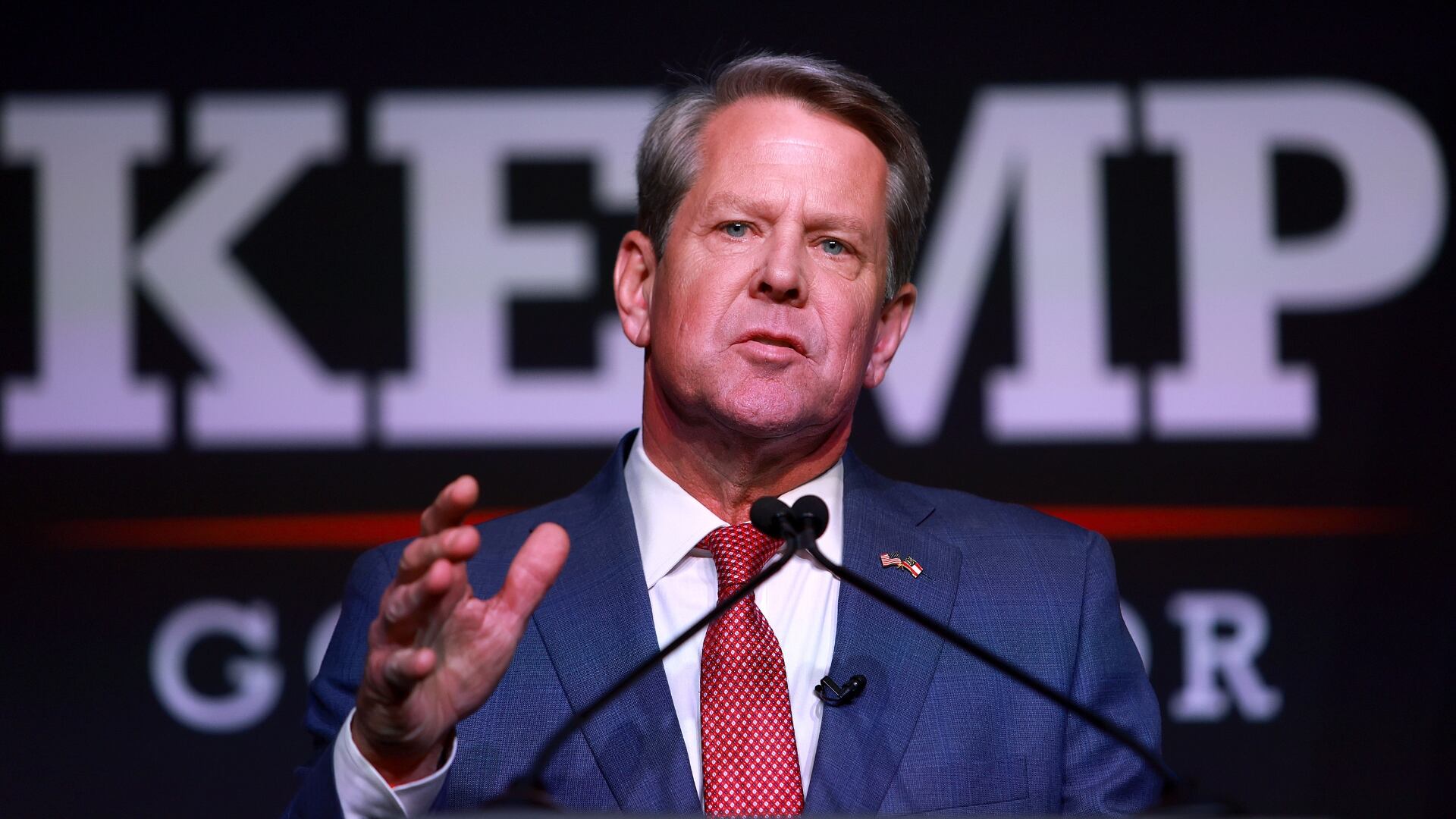
Cheddar Politics takes a deeper look at the takeaways from the Georgia primary elections on Tuesday. Georgia Public Broadcasting's local and state politics reporter, Stephen Fowler, joins us to discuss the limits of Trump endorsements and break down what the outcome in each race means.
After learning that the suspect in the Uvalde school shooting posted about his intentions on Facebook, activists are urging social networks to make changes. Lena Derhally, a licensed psychotherapist and author of "The Facebook Narcissist," joined Cheddar News to discuss the role social media plays in school shootings. "They're not really invested in taking down hateful content," she said about social platforms."In regards to the shooting, it was 15 minutes before that actual threat. It would be pretty hard for a social media company to trace that threat that quickly. But what they can do better is take down threats and hateful content much faster and more than they're doing now."
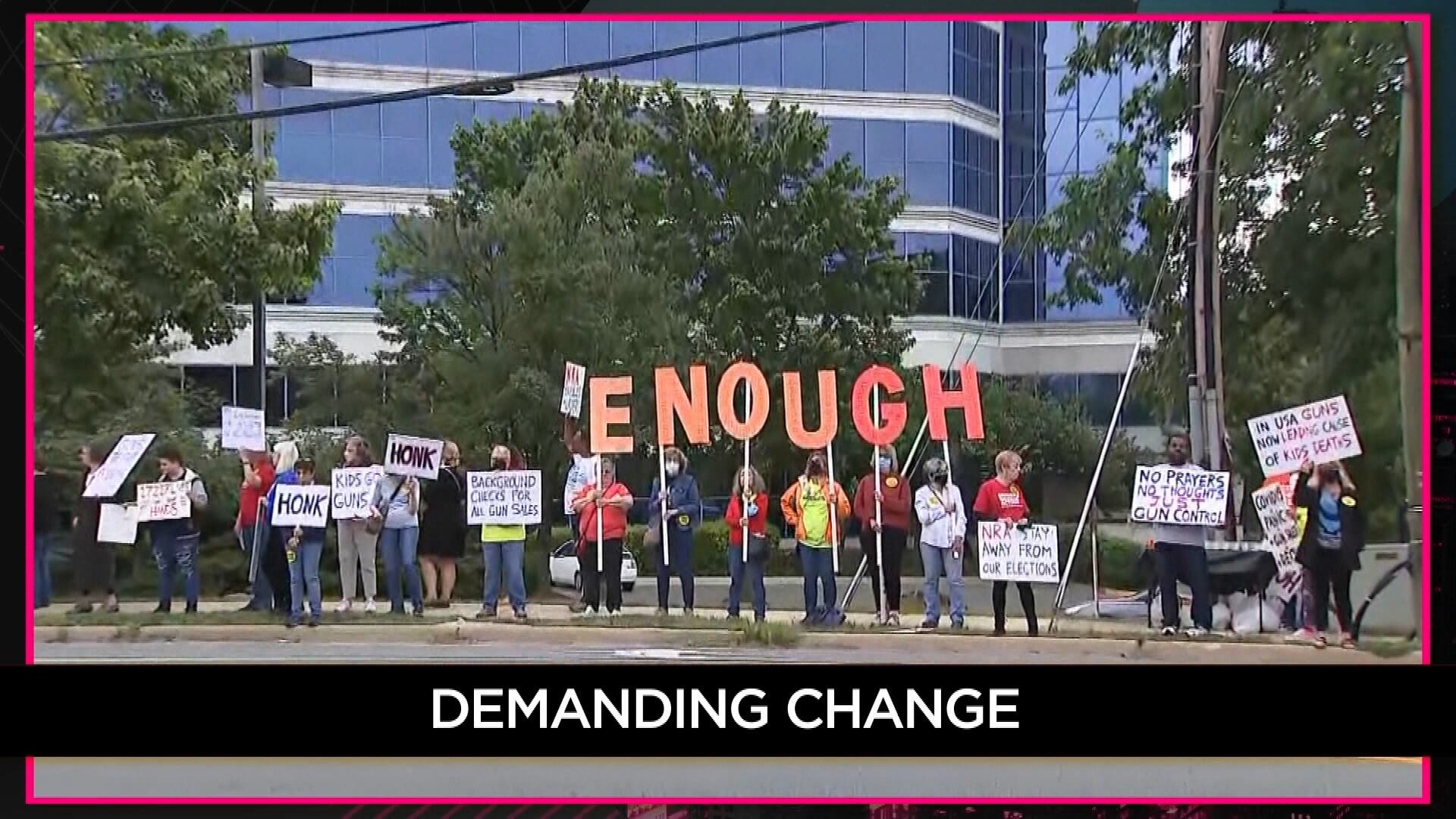
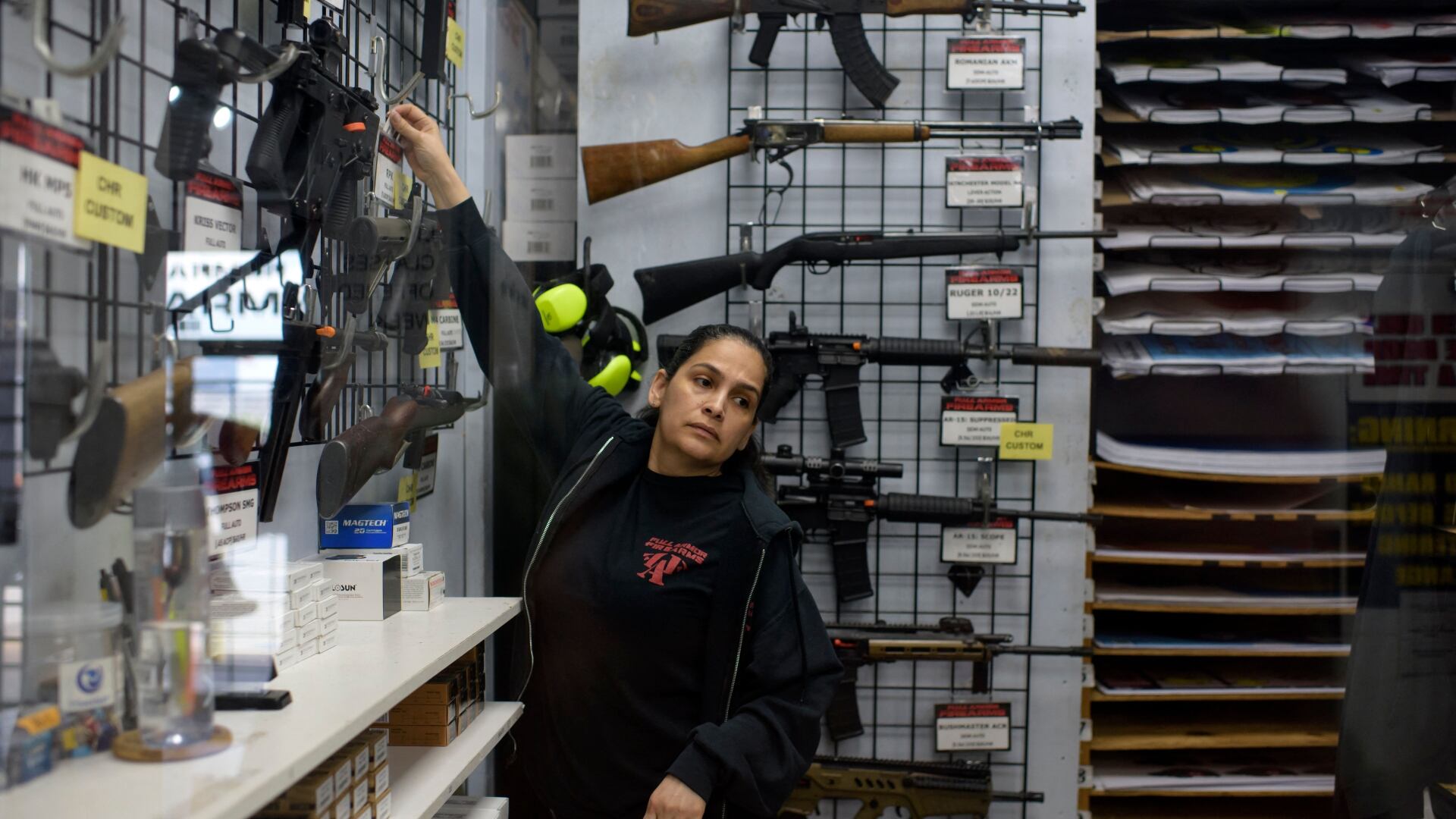
Following the mass shooting at the Robb Elementary School in Uvalde, Texas, that left 19 children and two adults dead, the debate over gun control has been reignited. While studies have shows most Americans agree on some additional regulations, there hasn't been much legislative traction even as gun violence worsens in the country. Brian Lemek, the executive director of Defend The Vote and the former executive director at Brady PAC for gun control, joined Cheddar to discuss reform efforts. "The lawmakers that we have aren't passing these at the federal level," he said. "That's the problem. We have the wrong people in charge."
The crypto industry is still reeling from Terra's recent crash. The company's blockchain was temporarily halted earlier this month after the collapse of its cryptocurrency Luna (LUNA) and its stablecoin TerraUSD (UST), which led to almost $45 billion being wiped from the tokens' market caps within a week. Now, many are left wondering what Terra's struggles mean for the broader crypto market. Reeve Collins, CEO of the NFT platform BLOCKv, joins Cheddar News' Closing Bell from Davos 2022 to discuss.
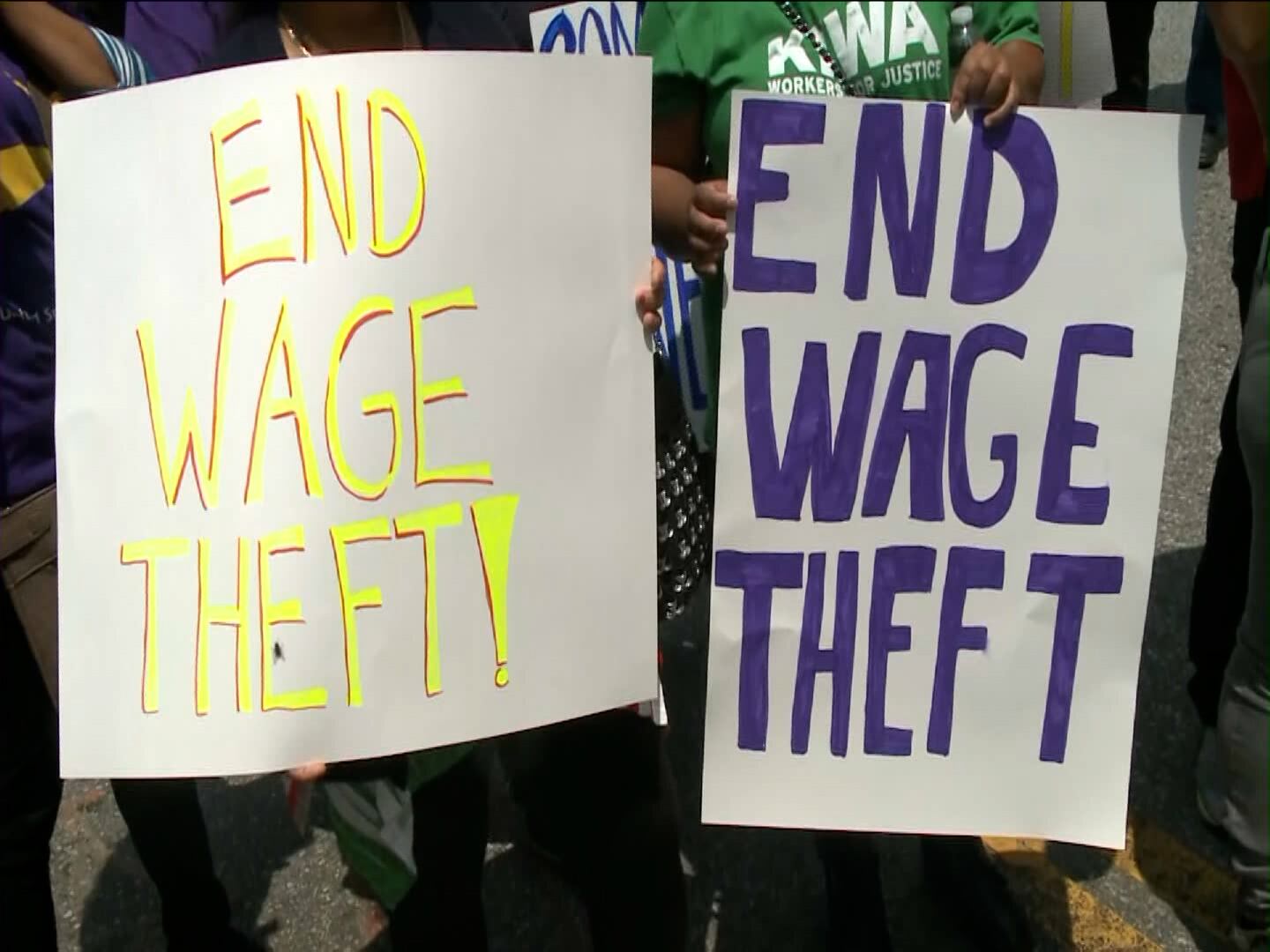
The average city in California has a 38% higher cost of living than the average American city, according to a cost of living index. For many, the general minimum wage of $15/hour just doesn't cut it. Anti-poverty activist Joe Sanberg wants to get the minimum wage changed to $18/hour. He joins Cheddar News to discuss the Living Wage Act of 2022.