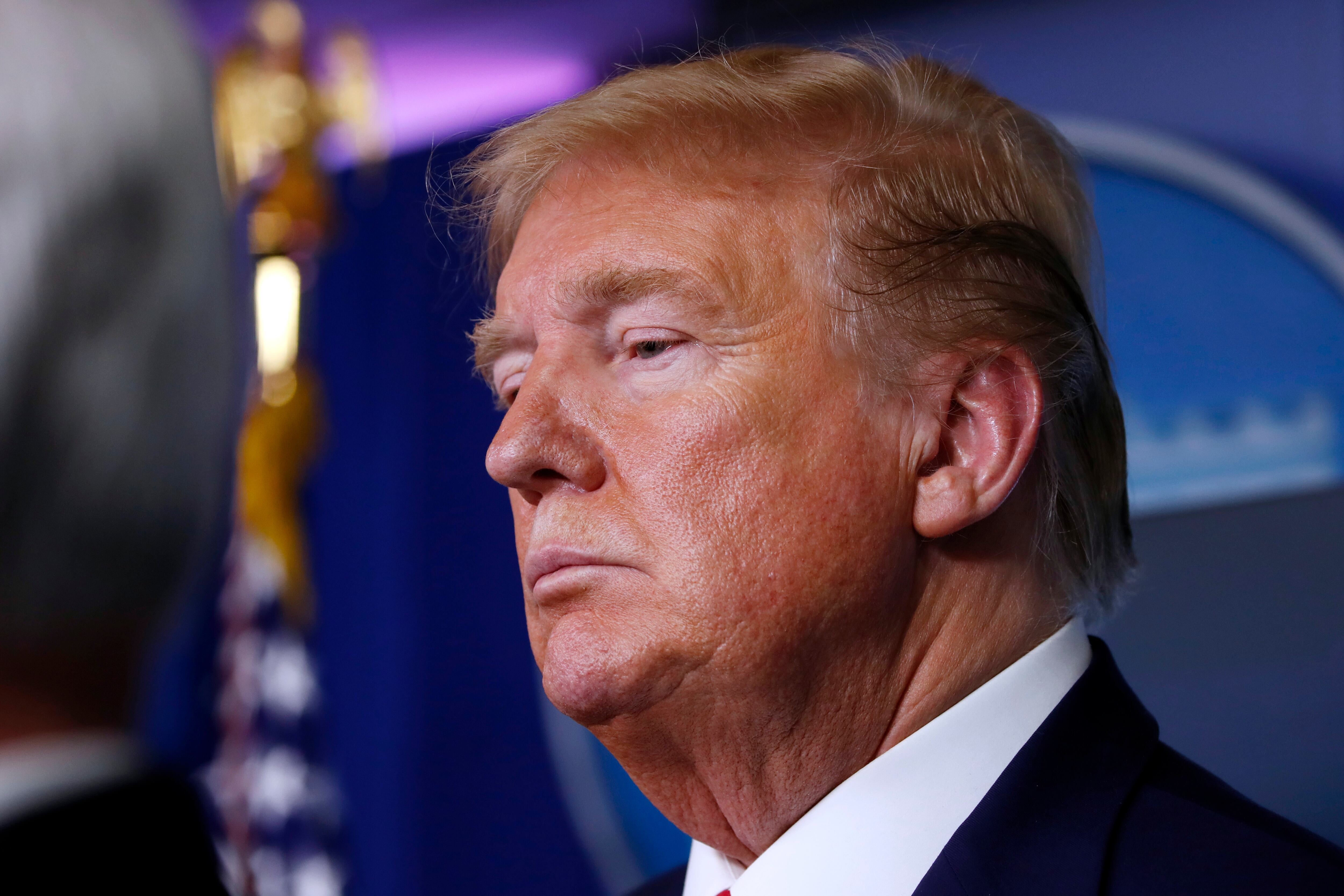
President Donald Trump listens during a briefing about the coronavirus in the James Brady Press Briefing Room of the White House, Monday, April 20, 2020, in Washington. (AP Photo/Alex Brandon)
President Donald Trump said that he will sign an executive order “to temporarily suspend immigration into the United States” because of the coronavirus.
“In light of the attack from the Invisible Enemy, as well as the need to protect the jobs of our GREAT American Citizens, I will be signing an Executive Order to temporarily suspend immigration into the United States!” Trump tweeted late Monday.
He offered no details about which immigration programs might be affected by the order.
National security adviser Robert O'Brien on Tuesday cast the president's announcement as a move to protect the American people's health. O'Brien said the temporary halt to immigration would not be “dissimilar” to limits on travel to the U.S. from China that Trump put in place in January.
“We're trying to do everything, the president's trying to do everything he can to put the health of the American people first during this crisis,” O'Brien said on Fox News Channel. “So this is one step. It's not dissimilar to the restrictions on travel from China that he implemented back on Jan. 29 at the very outset of this public health crisis.”
O'Brien said the administration believes those travel restrictions saved lives.
Asked about Trump's reference to jobs, O'Brien referenced the virus' economic toll.
“There’s been an economic cost here, too, and the president’s looking out for Americans on both fronts at every turn,” he said.
Trump has taken credit for his restrictions on travel to the U.S. from China and hard-hit European countries, arguing the restrictions contributed to slowing the spread of the virus in the U.S. But he has not extended those restrictions to other nations now experiencing virus outbreaks.
Due to the pandemic, almost all visa processing by the State Department, including immigrant visas, has been suspended for weeks.
Almost 800,000 Americans have come down with COVID-19, the disease caused by the coronavirus, and more than 42,000 have died, according to figures compiled by Johns Hopkins University.
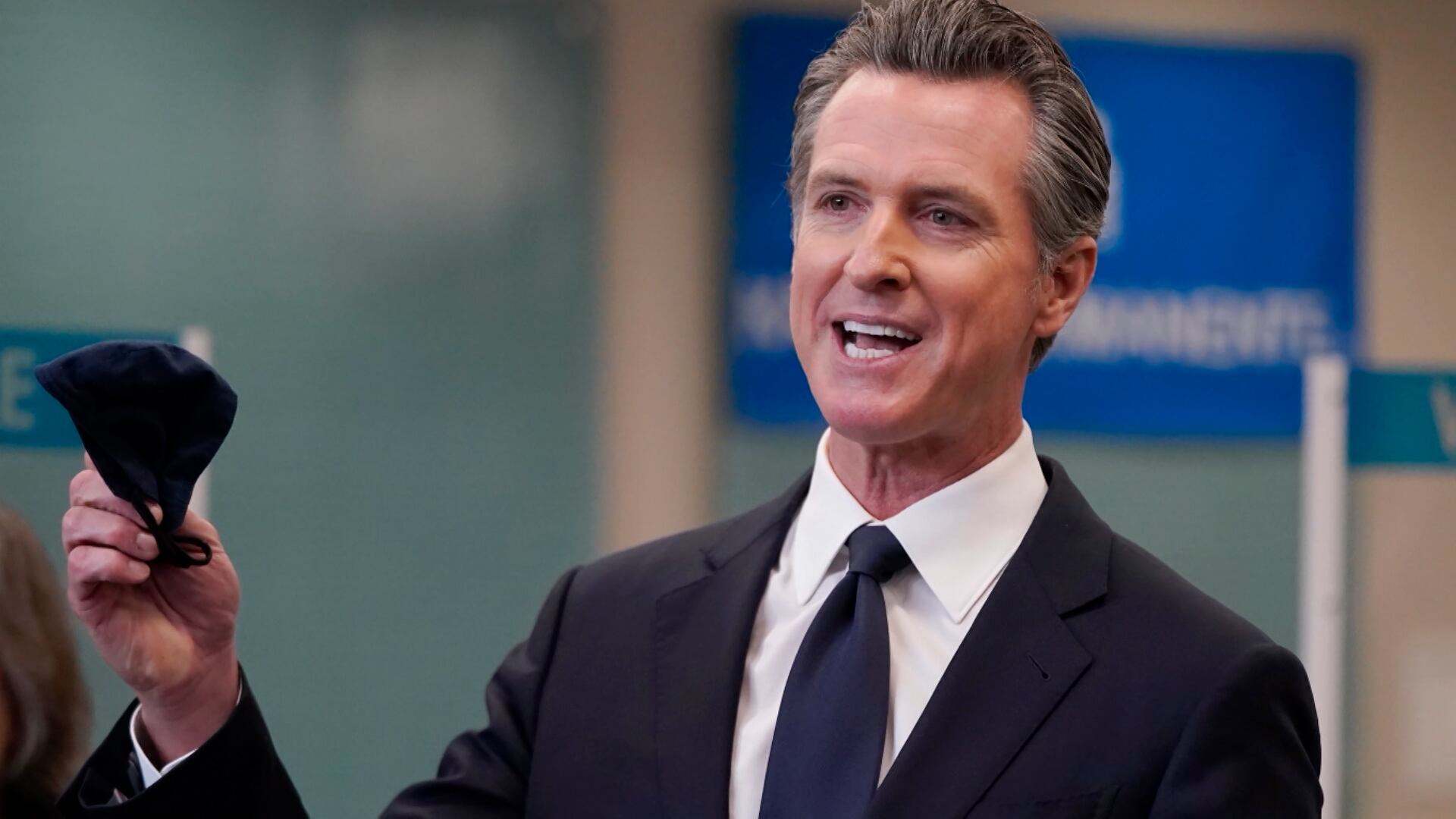
California Governor Gavin Newsom is projected to keep his job. Around two-thirds of the votes have been reported, and roughly 64% of those votes are in favor of keeping Newsom as their governor.
Daniel Strauss, senior political correspondent at The New Republic, joined Cheddar's Opening Bell to discuss more about what Newsom's win means to both political parties moving into Midterm elections season.
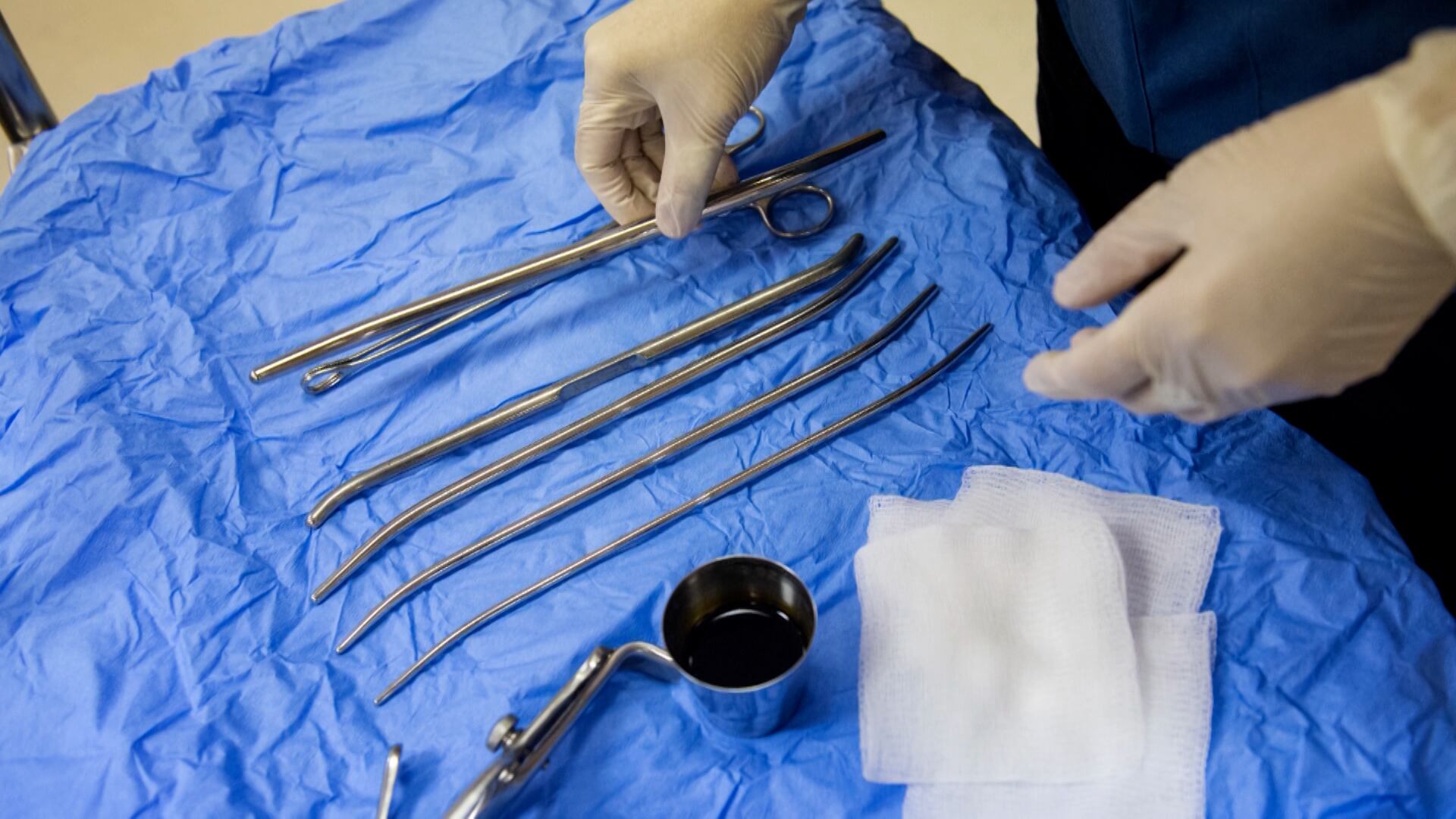
The Department of Justice is suing Texas over the state's new abortion law that prohibits abortions after six weeks, well before many women even know they're pregnant. The lawsuit argues the law is unconstitutional under long-standing Supreme Court precedent. It was filed last week in federal court in Texas, but could go all the way to the high court within weeks. Josh Blackman, a constitutional law professor at South Texas College of Law Houston, discusses the DOJ lawsuit and what it could mean for other abortion laws across the country.
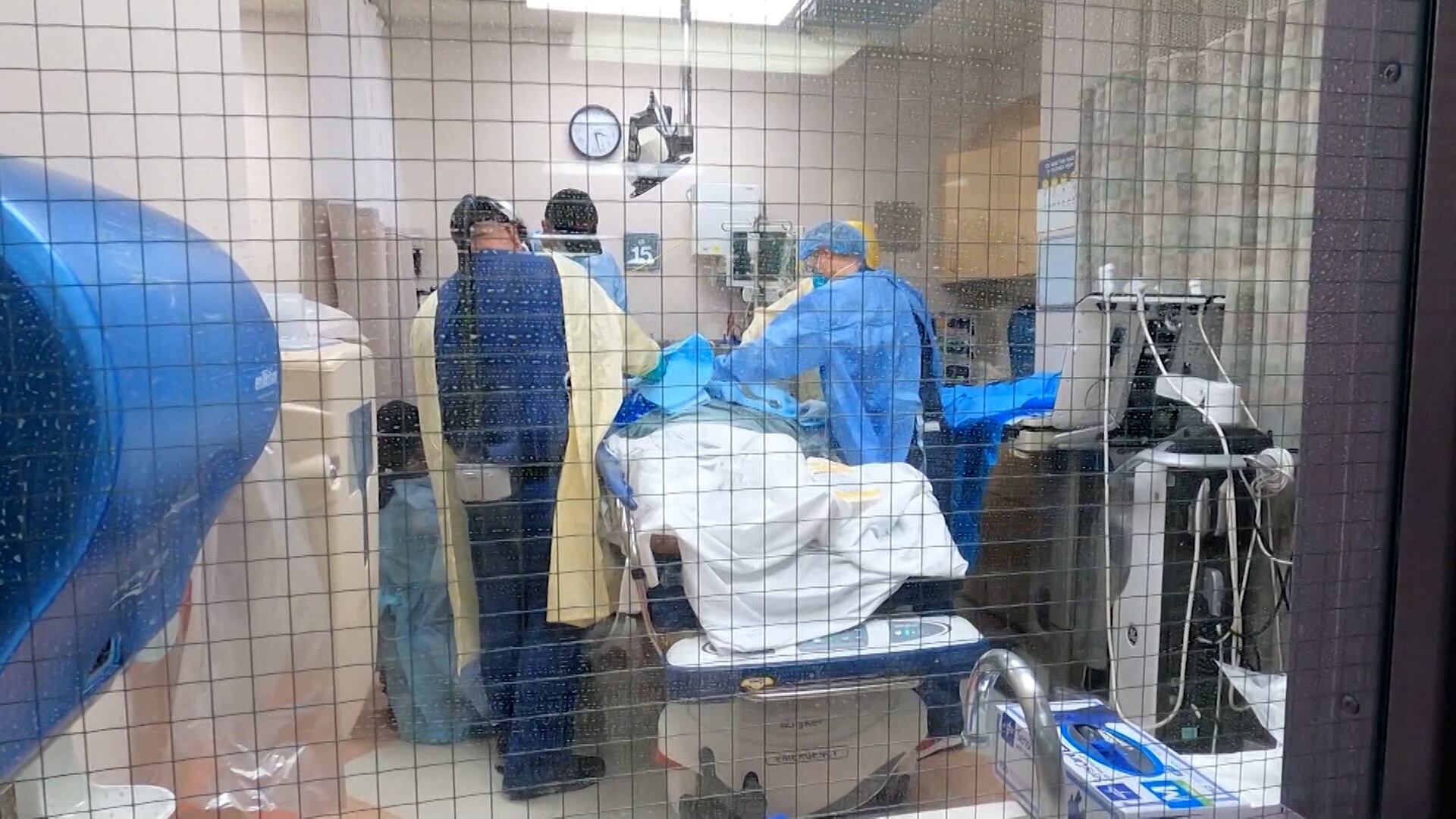
26 states have now fully vaccinated more than half of their population with Vermont, Connecticut, and Massachusetts fully vaccinating at least two-thirds of their residents. These three states are among the ones with the lowest new Covid-19 cases per capita, but in states with low vaccination rates, hospitals are filling up again.
Dr. Rob Davidson, ER doctor and executive director of Committee to Protect Health Care, joined Cheddar's Opening Bell to discuss more.
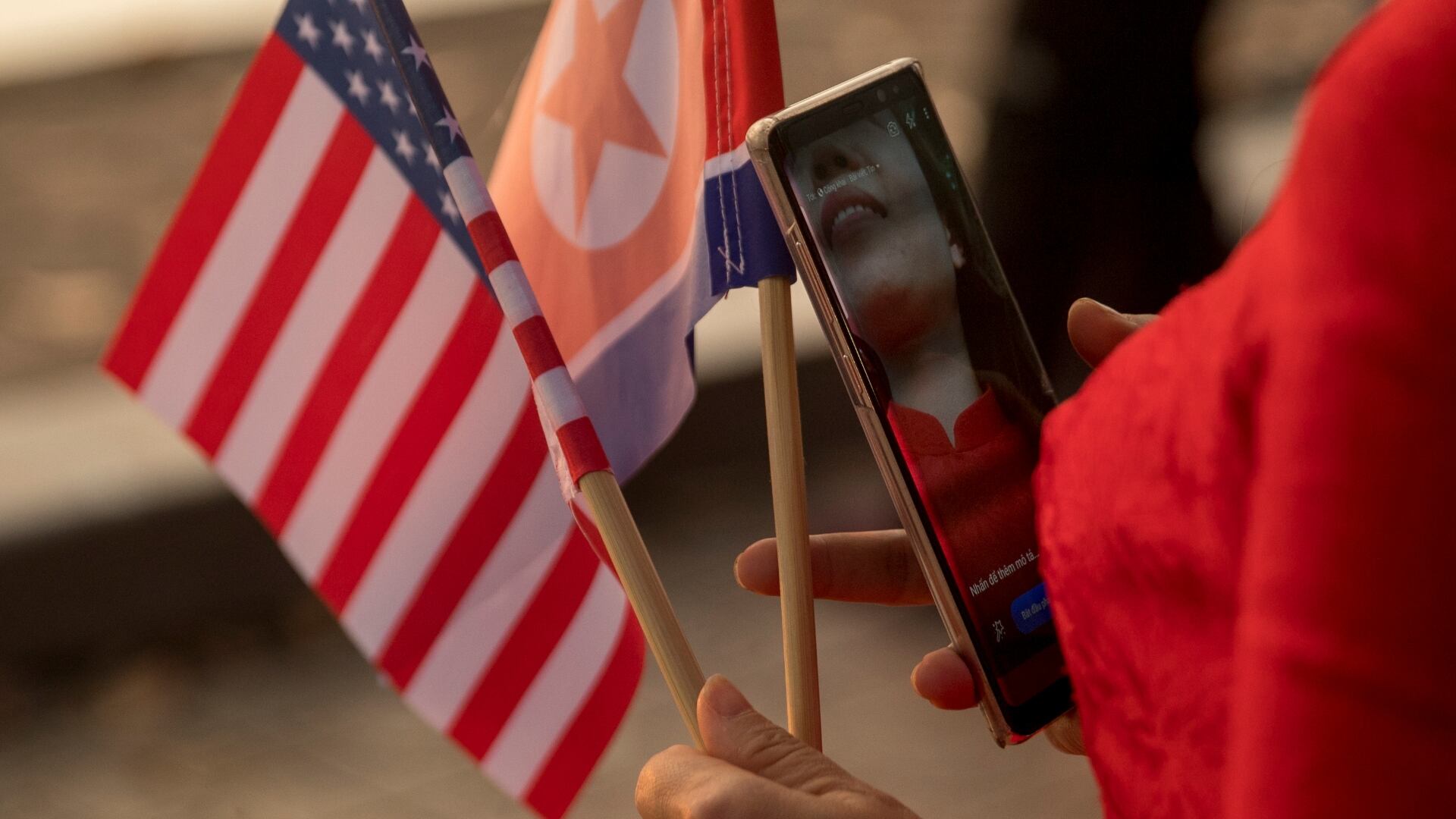
The Biden Administration has officially extended a ban on a Trump-era policy that prohibits traveling with a U.S. passport to North Korea. The extension is expected to last until August 2022. The ban was initially enforced after the death of Otto Warmbier, who entered a vegetative state while in North Korean custody. Advocates against the ban argue that it has caused crippling impacts on Korean Americans who have not been able to reunite with their families back home. Senior Fellow at The Foundation For Defense of Democracies Anthony Ruggiero joined Cheddar's News Wrap to discuss more.