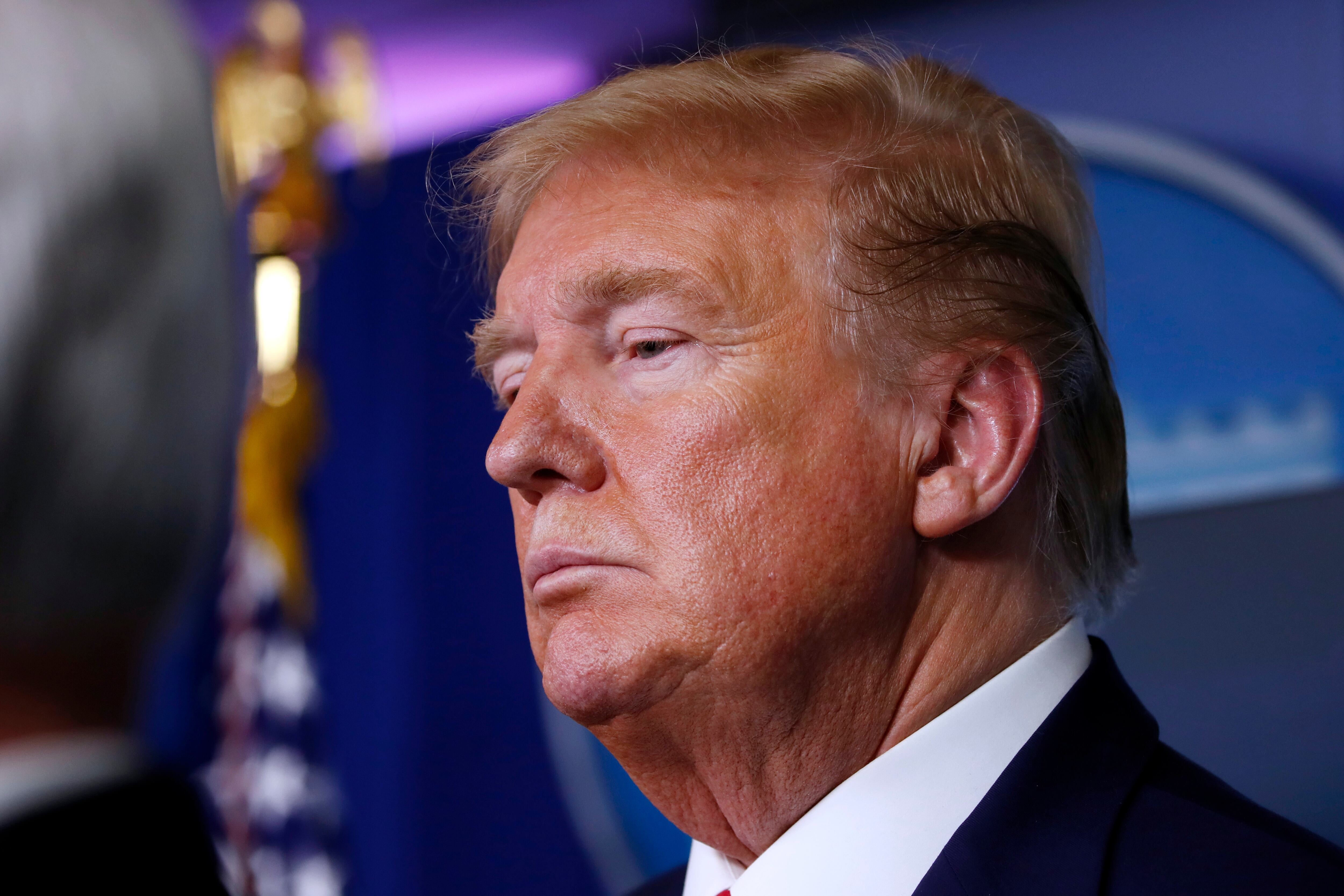
President Donald Trump listens during a briefing about the coronavirus in the James Brady Press Briefing Room of the White House, Monday, April 20, 2020, in Washington. (AP Photo/Alex Brandon)
President Donald Trump said that he will sign an executive order “to temporarily suspend immigration into the United States” because of the coronavirus.
“In light of the attack from the Invisible Enemy, as well as the need to protect the jobs of our GREAT American Citizens, I will be signing an Executive Order to temporarily suspend immigration into the United States!” Trump tweeted late Monday.
He offered no details about which immigration programs might be affected by the order.
National security adviser Robert O'Brien on Tuesday cast the president's announcement as a move to protect the American people's health. O'Brien said the temporary halt to immigration would not be “dissimilar” to limits on travel to the U.S. from China that Trump put in place in January.
“We're trying to do everything, the president's trying to do everything he can to put the health of the American people first during this crisis,” O'Brien said on Fox News Channel. “So this is one step. It's not dissimilar to the restrictions on travel from China that he implemented back on Jan. 29 at the very outset of this public health crisis.”
O'Brien said the administration believes those travel restrictions saved lives.
Asked about Trump's reference to jobs, O'Brien referenced the virus' economic toll.
“There’s been an economic cost here, too, and the president’s looking out for Americans on both fronts at every turn,” he said.
Trump has taken credit for his restrictions on travel to the U.S. from China and hard-hit European countries, arguing the restrictions contributed to slowing the spread of the virus in the U.S. But he has not extended those restrictions to other nations now experiencing virus outbreaks.
Due to the pandemic, almost all visa processing by the State Department, including immigrant visas, has been suspended for weeks.
Almost 800,000 Americans have come down with COVID-19, the disease caused by the coronavirus, and more than 42,000 have died, according to figures compiled by Johns Hopkins University.
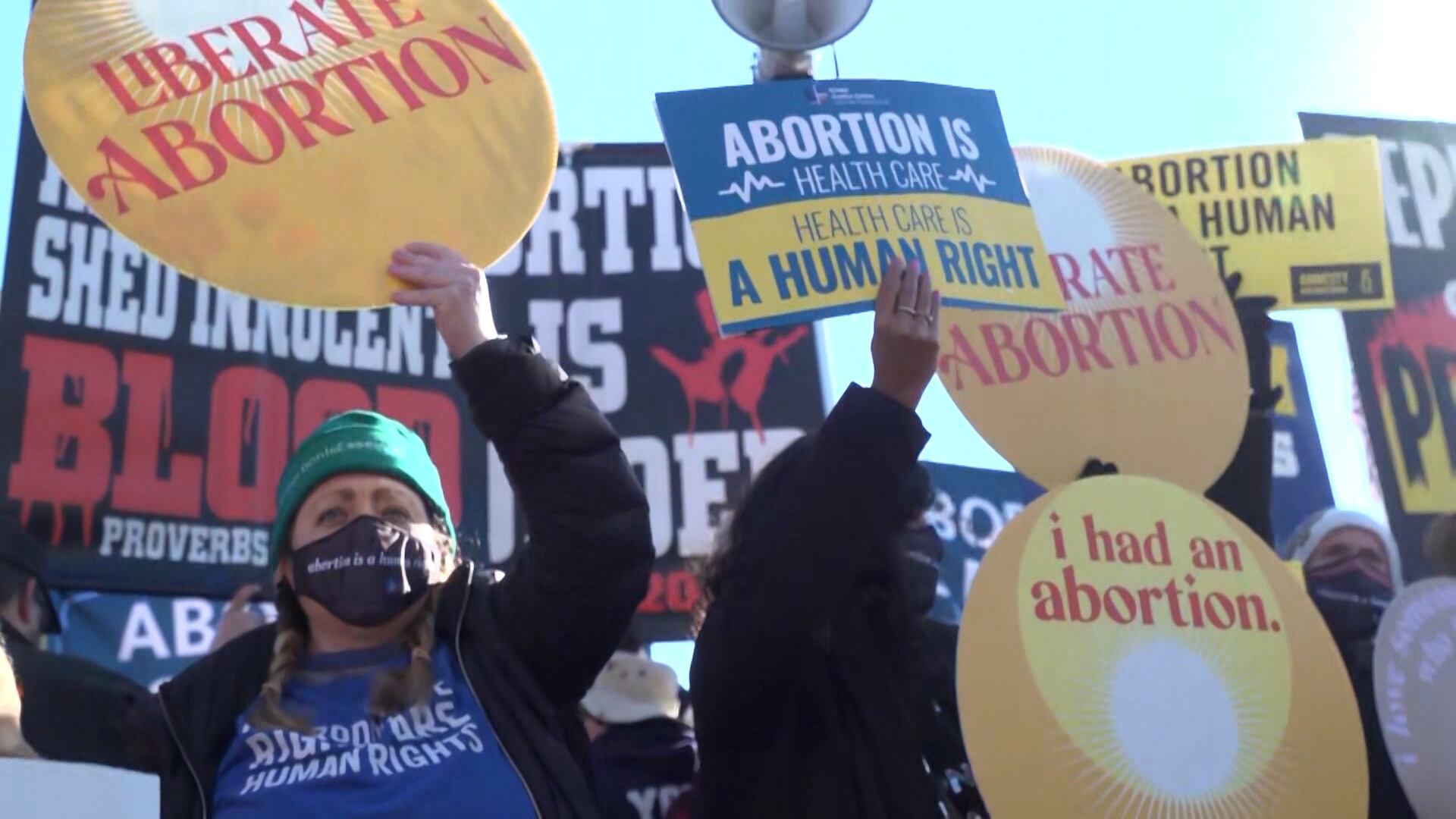
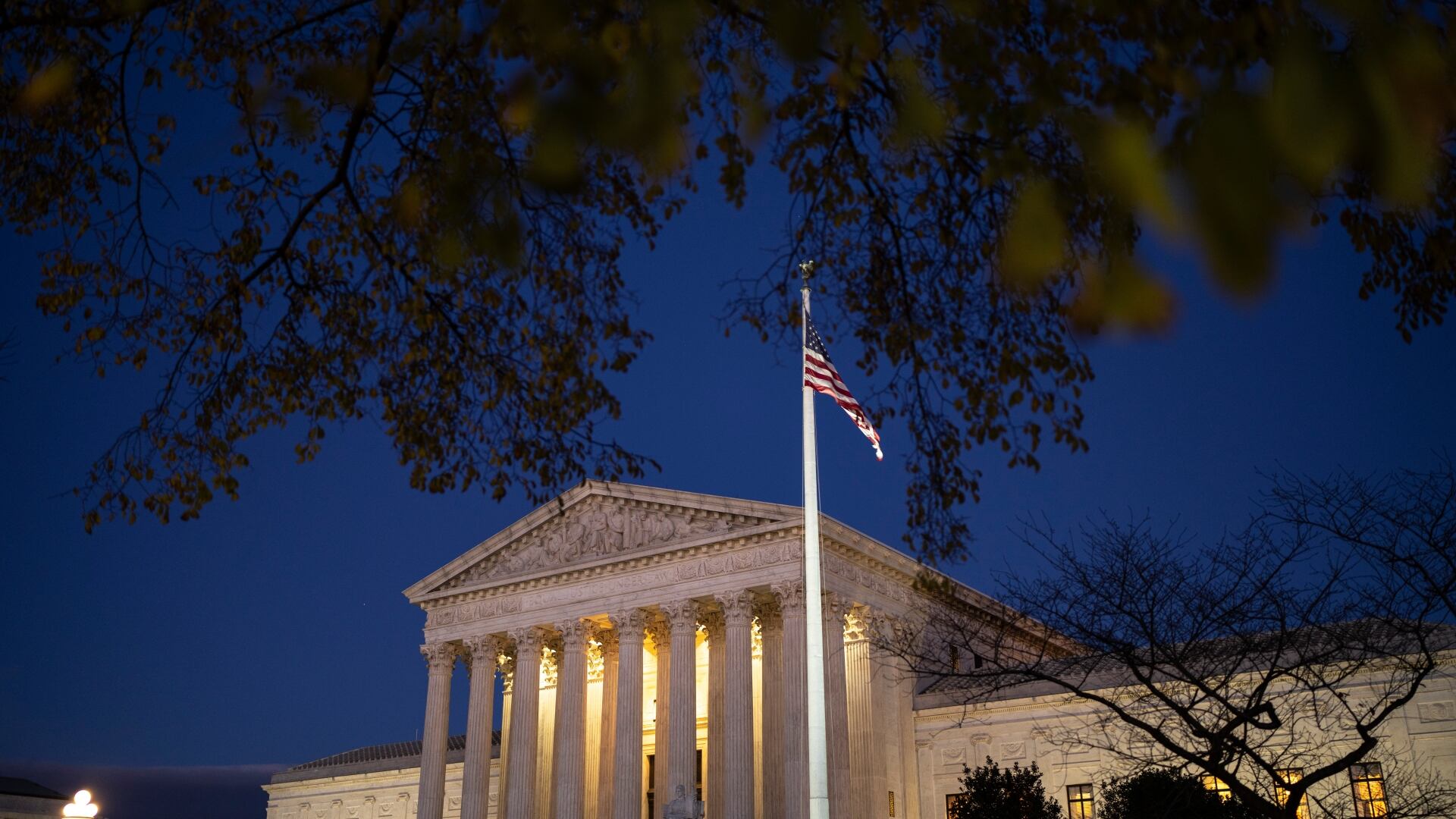
The Supreme Court appeared prepared Wednesday to uphold a Mississippi law that would ban almost all abortions after 15 weeks of pregnancy. The ruling is far from over, with Roe V. Wade at risk. Susan Rinkunas, senior reporter at Jezebel, joins Cheddar News to share the developments of the hearing.
The nine justices heard arguments Wednesday, around a Mississippi abortion law that bans the procedure after 15 weeks and appeared to lean toward upholding the law, while leaving uncertainty about the landmark precedent, Roe v. Wade. Kristin Ford, vice president of communications and research at NARAL Pro-Choice America joins Cheddar News to discuss.
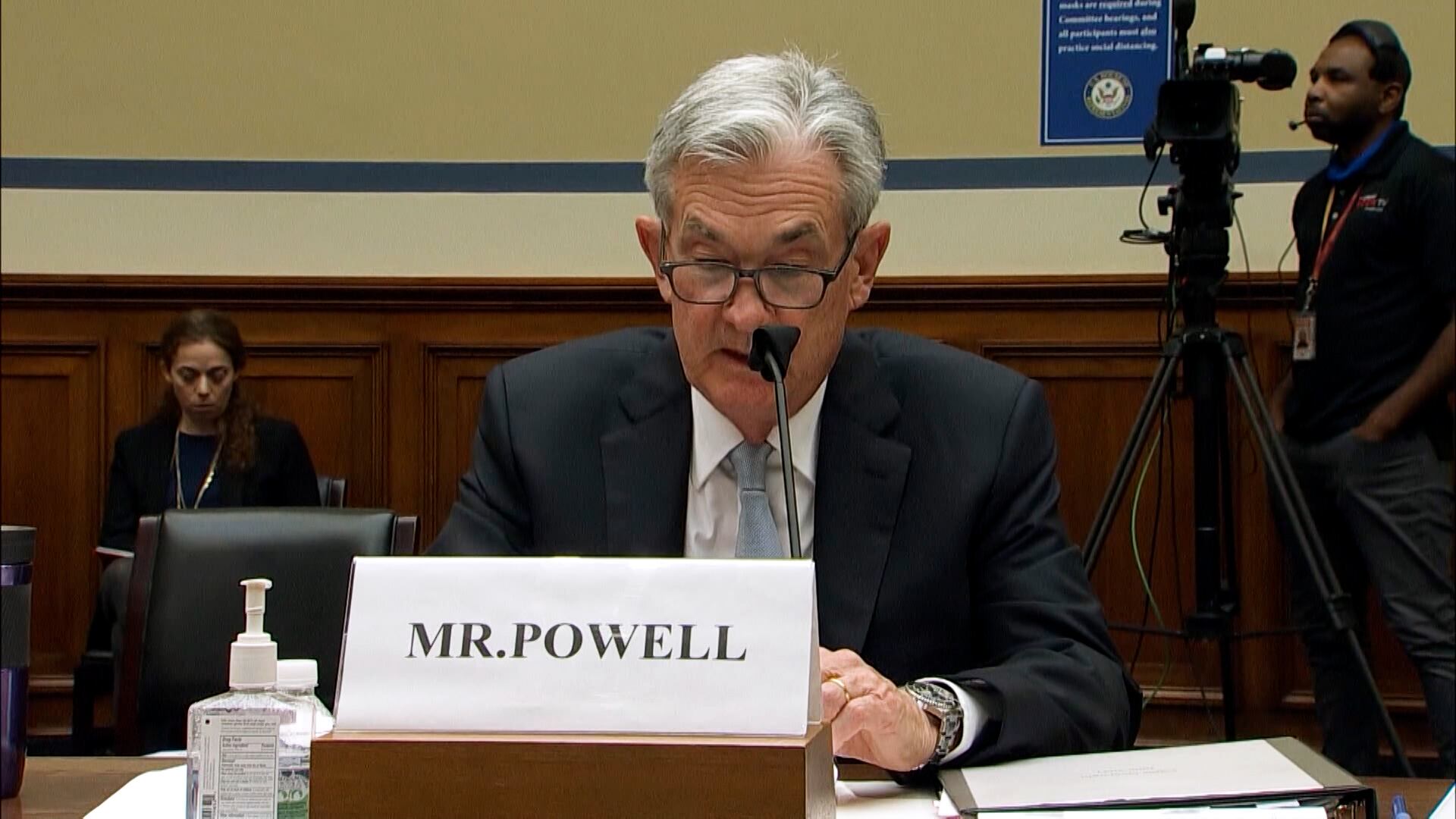
Just about a week after being re-nominated, Federal Reserve Chair Jermone Powell is changing his tune. After nearly a year of referring to inflation as 'transitory,' Powell said he will retire the 'T' word as inflation remains elevated. Christopher Russo, Post-Graduate Research Fellow, Mercatus Center joined Cheddar's Opening Bell to discuss.
Airbnb has come under fire after an Axios report found that the rental company has properties available in China's Xinjiang region where the nation has been accused of committing genocide against Uyghur Muslims, demolishing their homes, and replacing them with tourist attractions.
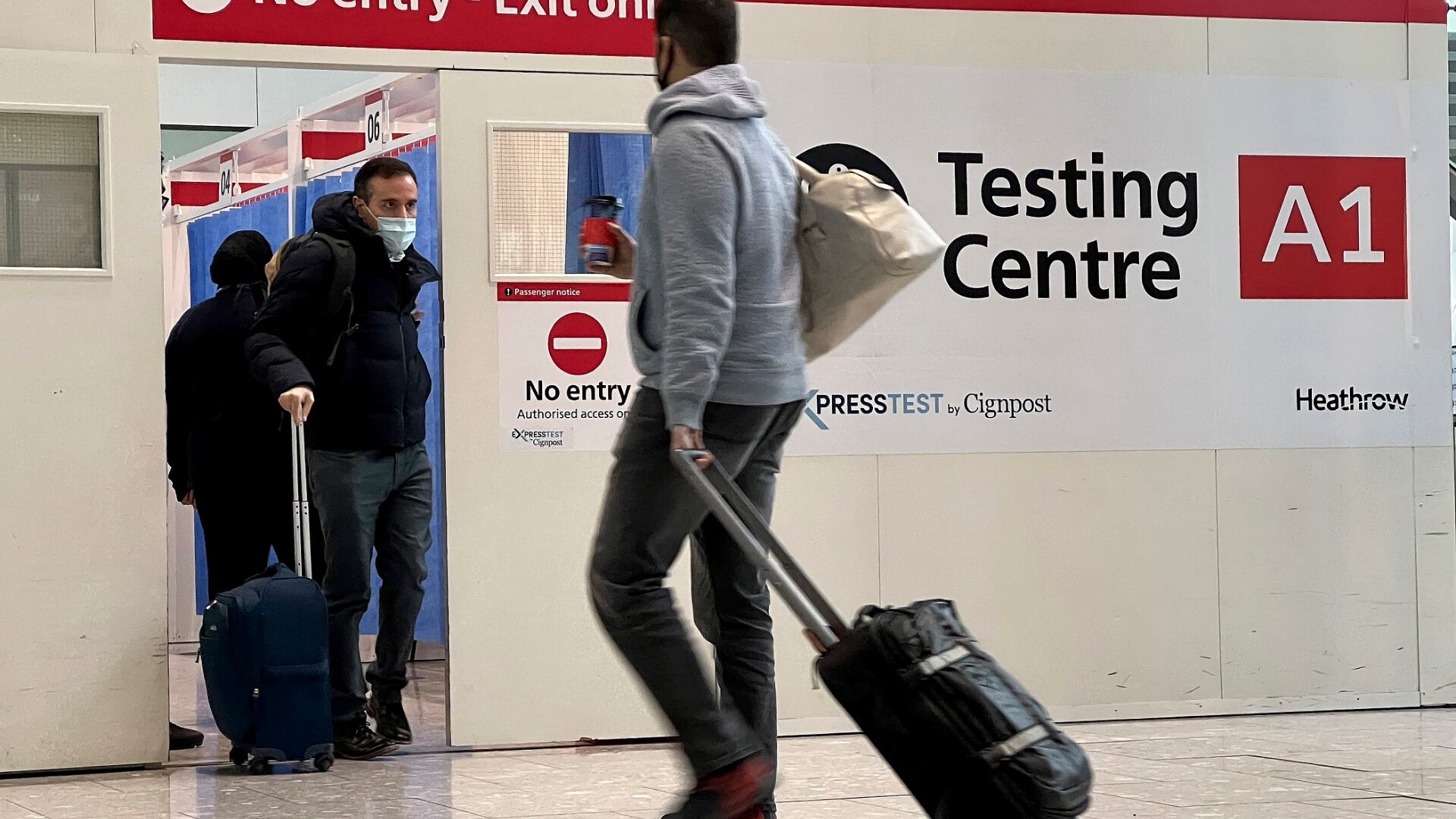
With the emergence of the omicron variant, the U.S. is considering tightening international travel guidelines. The CDC said it might reduce the window for foreign travelers to submit a negative COVID-19 test from three days prior to one day before allowing entry.
Jill and Carlo cover the latest on Omicron, another school shooting in America and more. Plus, bidding farewell to 'transitory' inflation, and the controversy surrounding 'Lovely Bones' author Alice Sebold.
Disparities in tree coverage across America is a huge issue that affects air quality, heat exposure, and ultimately determines how resilient communities are against climate change. The Build Back Better Act is allocating $2.5 billion to boost 'tree equity.' Lemir Teron, assistant professor at SUNY College of Environmental Science and Forestry, joins Cheddar News to explain why this is a priority for Democrats today.