President Trump is now using tariffs as a negotiation tactic. Trump tweeted Monday morning saying "tariffs on steel and aluminum will only come off if new and fair NAFTA agreement is signed." Later on Monday Trump told reporters the White House is not backing down. CFRA Equity Research Analyst Matthew Miller explains why his outlook remains positive on the steel sub industry.
"Ultimately Canada and Mexico--the US is an extremely important trading partner for all three groups. We think that in order for steel tariffs to be effective either steel tariffs need to be applied all throughout the NAFTA region to prevent circumvention or it has to be applied across the board," said Miller.
Miller says he is not surprised Trump is leaning towards stiff tariffs, given his promise to protect the steel industry.
U.S. states could face some hurdles as they experiment with road usage charging programs aimed at one day replacing motor fuel taxes, which are generating less each year, in part due to fuel efficiency and the rise of electric cars.
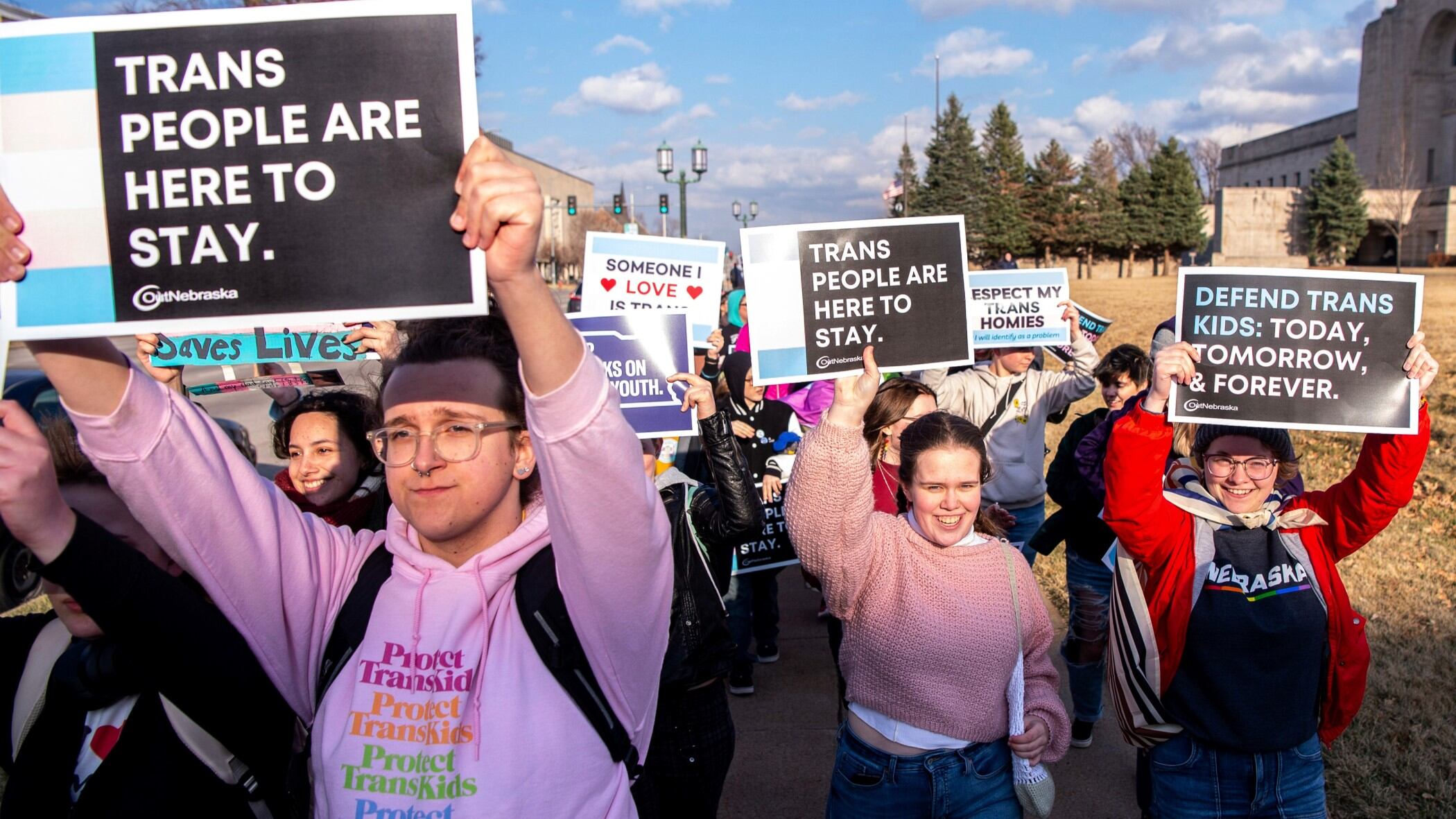
The defiance of restrictions in North Dakota on what bathrooms transgender students can use in public schools and universities shows that it's not exactly clear how bathroom laws will play out in local communities after being enacted in at least 10 states with Republican-controlled legislatures.
The Supreme Court on Monday left in place an appellate ruling barring a North Carolina public charter school from requiring girls to wear skirts to school.
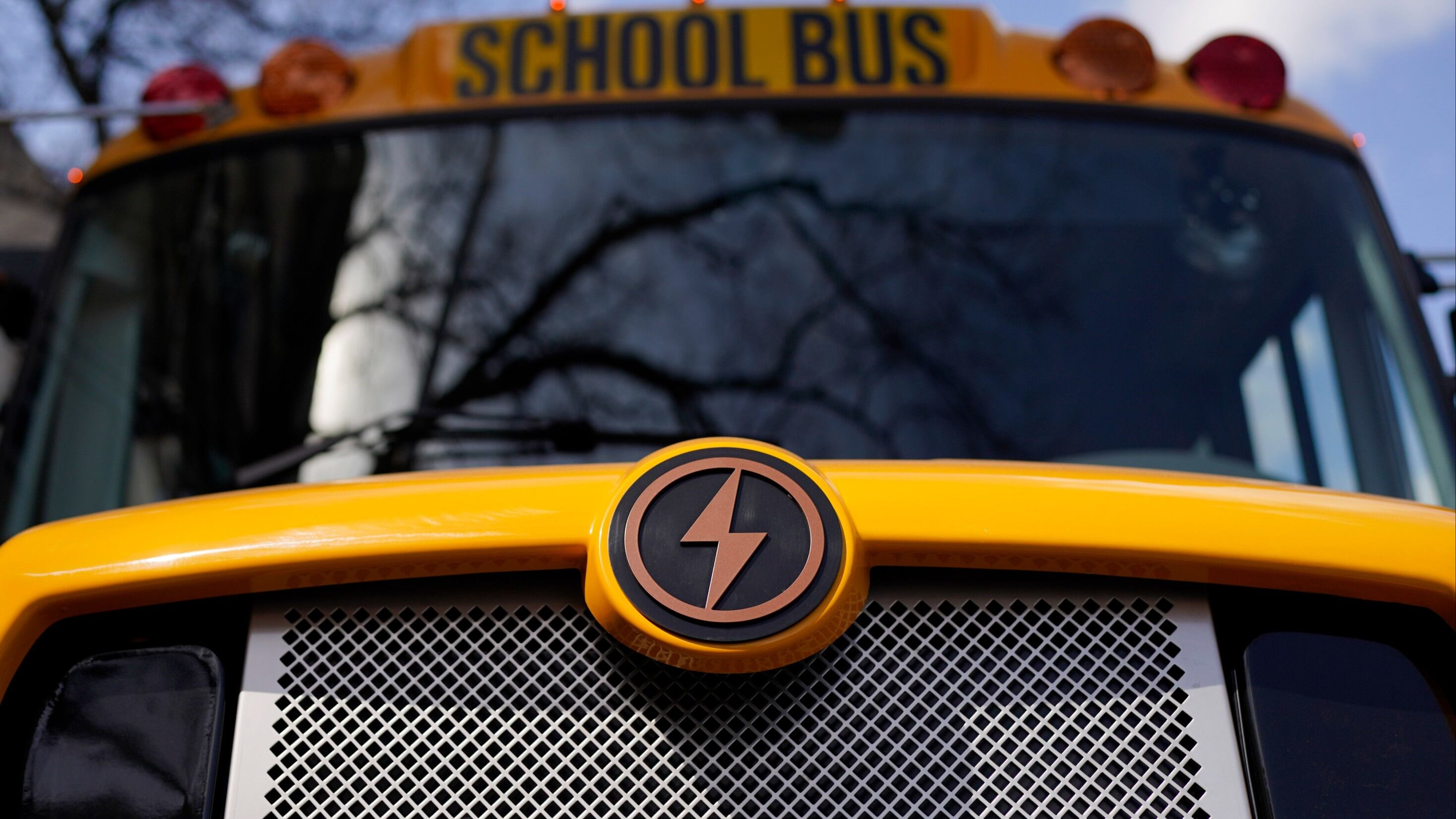
The U.S. Department of Transportation is awarding almost $1.7 billion in grants for buying zero- and low-emission buses, with the money going to transit projects in 46 states and territories.
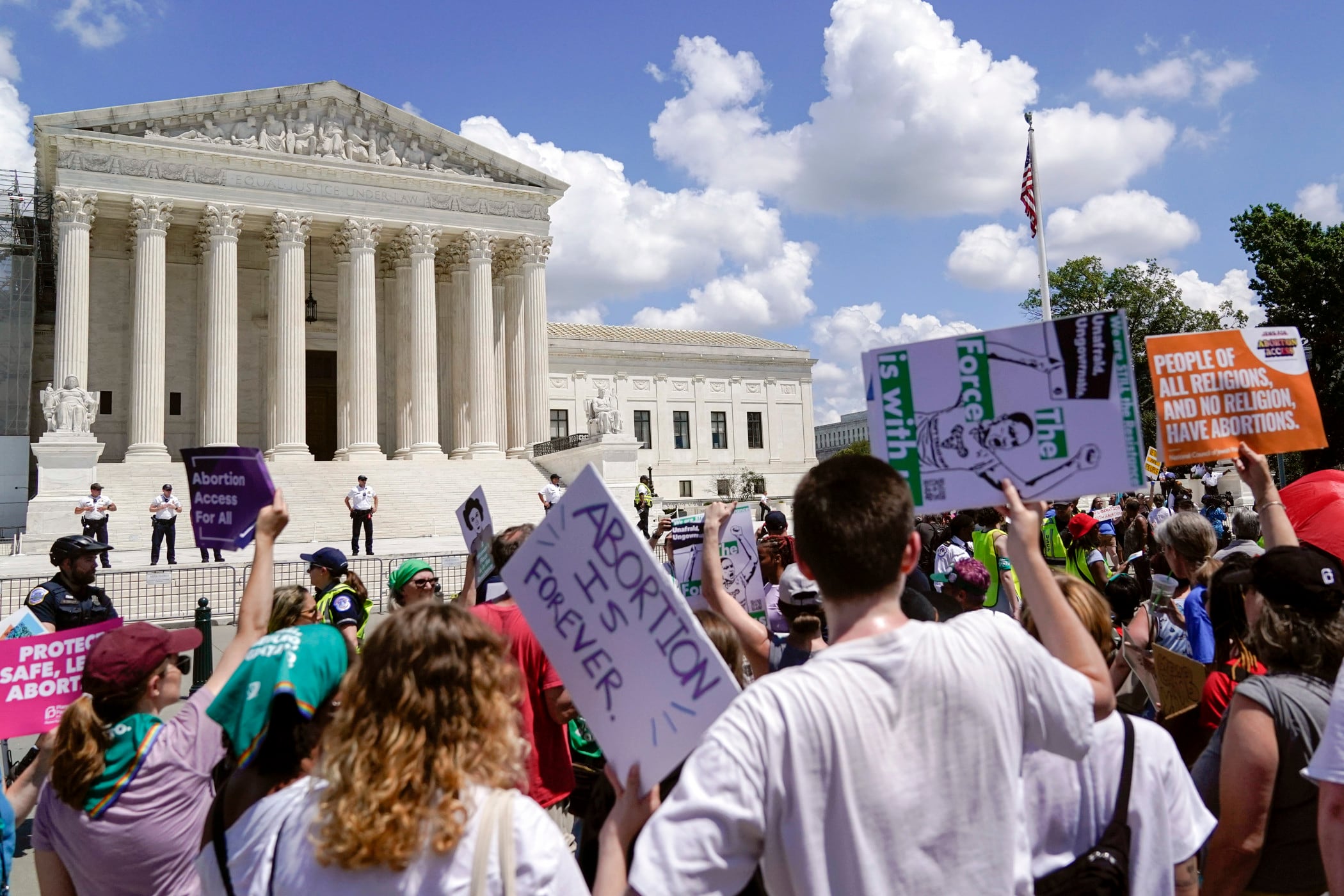
Vice President Kamala Harris said Supreme Court conservatives caused a healthcare crisis in America and blasted abortion bans in Republican-led states.
To many observers, the efforts to roll back two policies that disproportionately help Black students and other students of color reflect a backlash to racial progress in higher education.