President Donald Trump signs a proclamation recognizing the 100th anniversary of the ratification of the 19th Amendment, Tuesday, Aug. 18, 2020, in the Blue Room of the White House in Washington. (AP Photo/Patrick Semansky)
By Deb Riechmann, Kevin Freking, and Zeke Miller
As controversy swirls over mail-in voting in this year's election, President Donald Trump said Tuesday he will pardon Susan B. Anthony, a women's suffrage leader arrested for voting in 1872 in violation of laws permitting only men to vote.
Trump's move comes amid an outcry over Postal Service disruptions that Democrats say endanger the voting rights of millions of Americans who would vote by mail in November during the coronavirus pandemic. Trump has denied asking for the mail to be delayed even as he leveled fresh criticism on mail-in voting.
Comments from Trump and some of those assembled for a White House event commemorating the 19th Amendment quickly pivoted into an appeal for Trump's reelection.
"Win, lose, or draw, we have to get it right," Trump said, adding that mail-in voting, as opposed to absentee voting, leads to ballots cast by pets and the deceased.
"We have to have honest voting. that's what this is all about here. we have to have honest voting," he said.
Trump said he would sign "a full and complete pardon" later Tuesday, the 100-year anniversary of the ratification of the 19th Amendment, which ensured women the right to vote. It's also known as the Susan B. Anthony Amendment.
Anthony is best known for her role in the movement to secure voting rights for women, but she also was a strong anti-slavery and voting rights pioneer.
His action comes as his support has been eroding among suburban white women in battleground states since his last campaign, in part because of his harsh rhetoric.
In recent weeks Trump has recognized he needs to work to undo some of the damage among the pivotal constituency and has stepped up his events aimed at women. His campaign has launched a "women for Trump" bus tour and the president has embraced a "law and order" message with renewed vigor.
Anthony was arrested for voting in her hometown of Rochester, New York, and convicted in a widely publicized trial. Although she refused to pay the fine, the authorities declined to take further action.
The 19th Amendment states that "The right of citizens of the United States to vote shall not be denied or abridged by the United States or by any State on account of sex." Congress passed it in 1919, and the amendment was ratified on Aug. 18, 1920.
Visiting Anthony's gravesite in Rochester on Election Day has become a popular ritual in recent years. Thousands turned out in 2016 for the presidential match-up between Trump and Hillary Clinton. In 2018, voters showed up by the dozens to put their "I Voted" stickers on her headstone.
Jill and Carlo are a bit delayed today on account of Carlo's internet not working. Better late than never, they discuss what we know about the suspect in the Christmas parade crash, closing arguments in the Arbery killing trial, and more.
Stocks began the week closing at session lows on a day when bond yields rose and President Biden decided to stick with Jerome Powell as Fed Chair. Bryan Lee, Chief Investment Officer at Blue Zone Wealth Advisors, joins Cheddar News' Closing Bell, where he breaks down the day's activity and discusses what the Fed now needs to do going forward.
President Joe Biden announced Monday he is re-nominating Federal Reserve Chairman Jerome Powell after weeks of speculation that he would choose Democrat and Fed Governor Lael Brainard to fill the role. Biden could be looking for continuity as the U.S. continues to grapple with COVID-19 and high inflation, and investors could be on the same page: markets and treasuries ticked up after the White House made the announcement. MarketWatch Senior Reporter Greg Robb joins Cheddar News' Closing Bell to discuss Powell's re-nomination, what we can expect from the Fed's December meeting, whether it will speed up its taper timeline, and more.
President Joe Biden named Jerome Powell, initially appointed by President Trump, to keep his seat as the chair of the Federal Reserve on Monday amid the ongoing challenges of the pandemic, inflation, and unemployment. David Beckworth, a former international economist for the Treasury Department and a senior fellow with the Mercatus Center, joined Cheddar to discuss what he sees as the practicality of Biden's decision. "What Powell brings to the table is he's built up political capital with Republicans and Democrats," he said. "It's easy for him to get the job done. I think in one way he was the path of least resistance for the president."
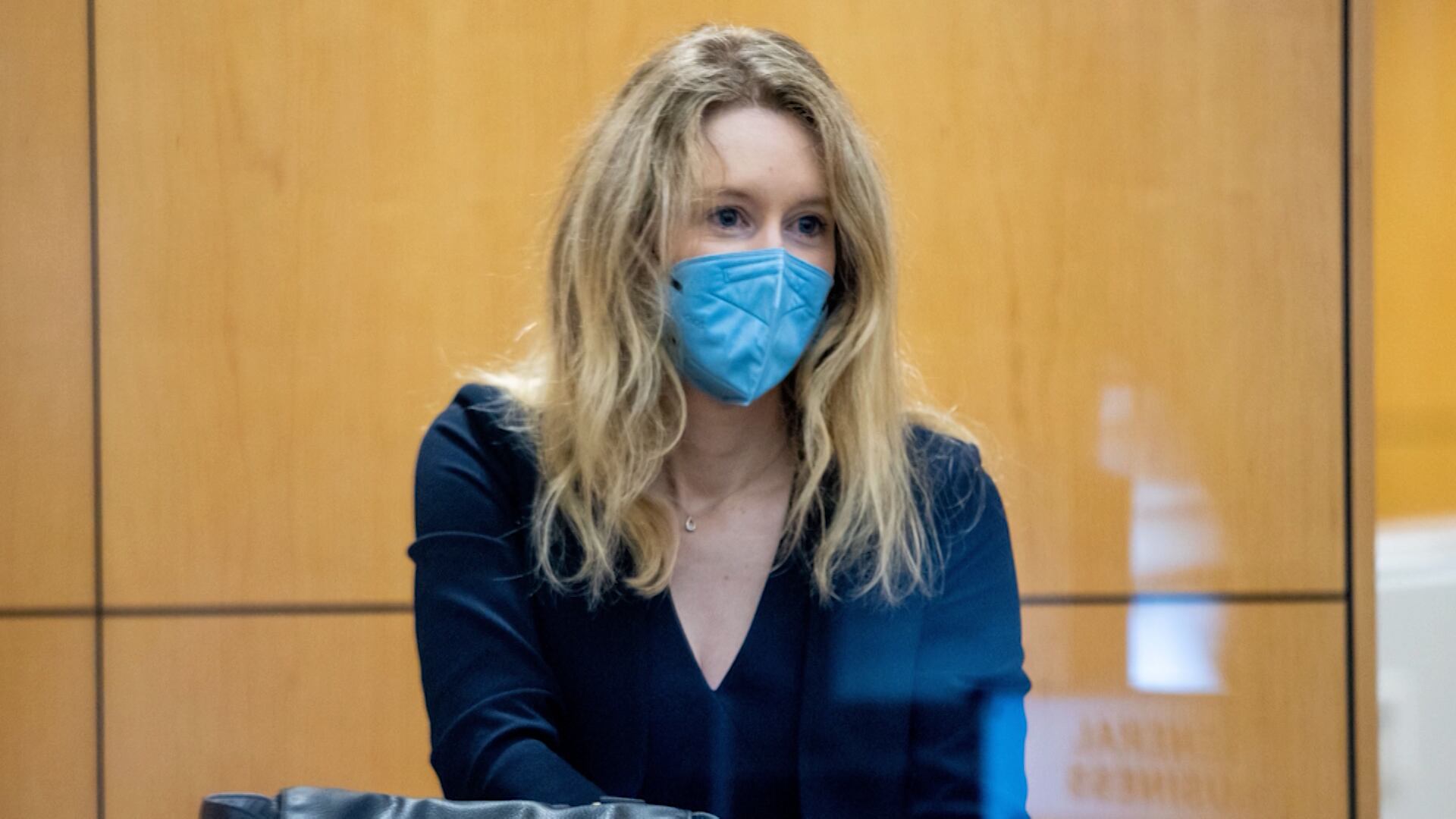
In a surprise turn of events, Elizabeth Holmes took the stand in her own defense on Friday and is expected to continue her testimony later today. Holmes, who founded a blood testing start-up Theranos back in 2003, faces 11 counts of wire fraud as well as conspiracy to commit wire fraud. Aron Solomon, Chief Legal Analyst, Esquire Digital joined Cheddar's Opening Bell to discuss.
Jill and Carlo cover the developing story out of suburban Milwaukee, where a speeding SUV careened through a Christmas parade. Looters get more brazen in San Francisco, the missing Chinese tennis star resurfaces, and more.
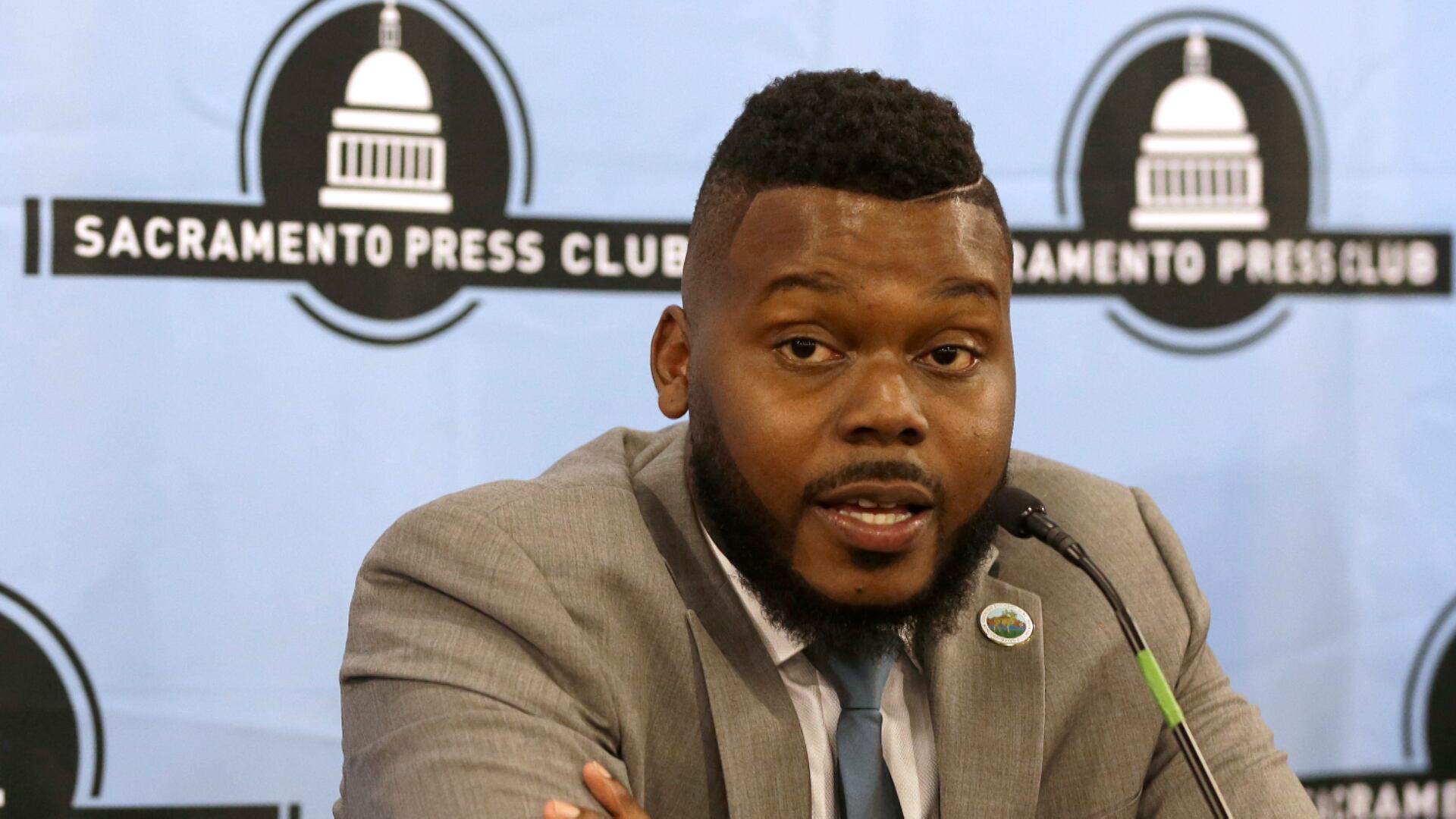
Michael Tubbs, former Mayor of Stockton, California and author of 'The Deeper the Roots,' joined Cheddar Movers to talk all about his new memoir, and his ongoing fight to make meaningful change in his community.