President Donald Trump signs a proclamation recognizing the 100th anniversary of the ratification of the 19th Amendment, Tuesday, Aug. 18, 2020, in the Blue Room of the White House in Washington. (AP Photo/Patrick Semansky)
By Deb Riechmann, Kevin Freking, and Zeke Miller
As controversy swirls over mail-in voting in this year's election, President Donald Trump said Tuesday he will pardon Susan B. Anthony, a women's suffrage leader arrested for voting in 1872 in violation of laws permitting only men to vote.
Trump's move comes amid an outcry over Postal Service disruptions that Democrats say endanger the voting rights of millions of Americans who would vote by mail in November during the coronavirus pandemic. Trump has denied asking for the mail to be delayed even as he leveled fresh criticism on mail-in voting.
Comments from Trump and some of those assembled for a White House event commemorating the 19th Amendment quickly pivoted into an appeal for Trump's reelection.
"Win, lose, or draw, we have to get it right," Trump said, adding that mail-in voting, as opposed to absentee voting, leads to ballots cast by pets and the deceased.
"We have to have honest voting. that's what this is all about here. we have to have honest voting," he said.
Trump said he would sign "a full and complete pardon" later Tuesday, the 100-year anniversary of the ratification of the 19th Amendment, which ensured women the right to vote. It's also known as the Susan B. Anthony Amendment.
Anthony is best known for her role in the movement to secure voting rights for women, but she also was a strong anti-slavery and voting rights pioneer.
His action comes as his support has been eroding among suburban white women in battleground states since his last campaign, in part because of his harsh rhetoric.
In recent weeks Trump has recognized he needs to work to undo some of the damage among the pivotal constituency and has stepped up his events aimed at women. His campaign has launched a "women for Trump" bus tour and the president has embraced a "law and order" message with renewed vigor.
Anthony was arrested for voting in her hometown of Rochester, New York, and convicted in a widely publicized trial. Although she refused to pay the fine, the authorities declined to take further action.
The 19th Amendment states that "The right of citizens of the United States to vote shall not be denied or abridged by the United States or by any State on account of sex." Congress passed it in 1919, and the amendment was ratified on Aug. 18, 1920.
Visiting Anthony's gravesite in Rochester on Election Day has become a popular ritual in recent years. Thousands turned out in 2016 for the presidential match-up between Trump and Hillary Clinton. In 2018, voters showed up by the dozens to put their "I Voted" stickers on her headstone.
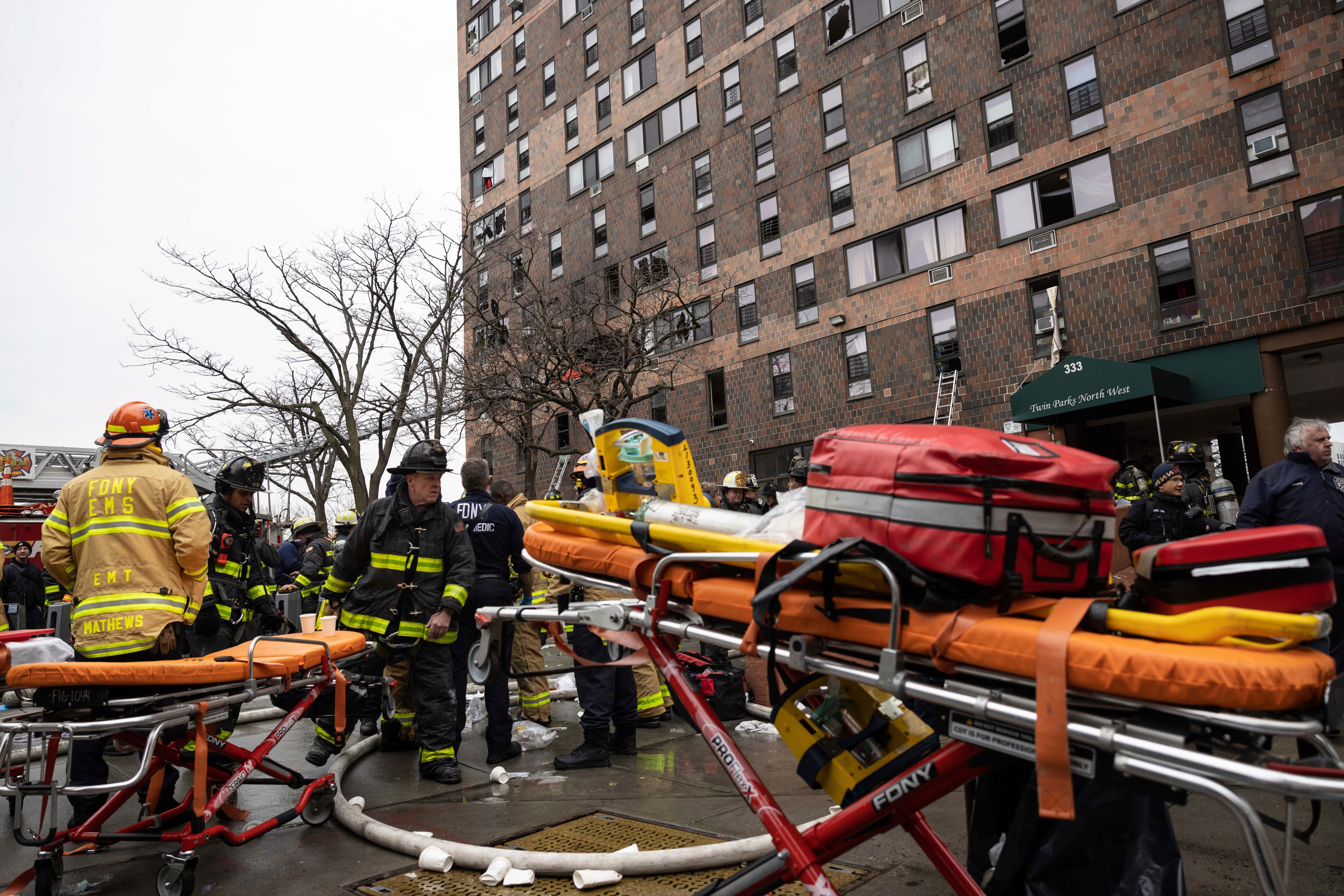
Earlier this month, New York City experienced one of the deadliest fires it has seen in decades. 17 people lost their lives in the Fordham section of the Bronx. This was due to a faulty space heater which reportedly began on the lower floor of the 120 unit building. Thanks to the F. D. N. Y. And heroic neighbors, many were able to get out in time. Unfortunately, the toxic smoke surged upwards through a safety door. Now, many advocates say negligence by policymakers and landlords has led to the deaths in black and brown communities from fires that honestly could have been preventable. Legislative Director of Citizen Action of New York, Rebecca Garrard, and the Chair of Journalism and New Media Studies at St. Joseph's College Theodore Hamm, joined Cheddar to discuss more.
The Supreme Court has declined to order the Texas Abortion case back to the original trial judge for further proceedings. Essentially if Texas abortion providers were able to get their case back to the lower court., It would have greatly helped the group move against the law. However, this decision is likely to prolong the case legal battle. Professor and Author of "The Turnaway Study: Ten Years, a Thousand Women, and the Consequences of Having — Or Being Denied — An Abortion", Diane Foster, joined Cheddar to discuss more.
The Supreme Court rejected yet another bid by abortion providers to block Texas's law - which bans most abortions after six weeks of pregnancy. This is the fourth time that advocates have tried and failed to block the most restrictive abortion ban in the country. Leah Litman, assistant professor of law at The University of Michigan and co-host of the "Strict Scrutiny" podcast, joins Cheddar News to discuss.
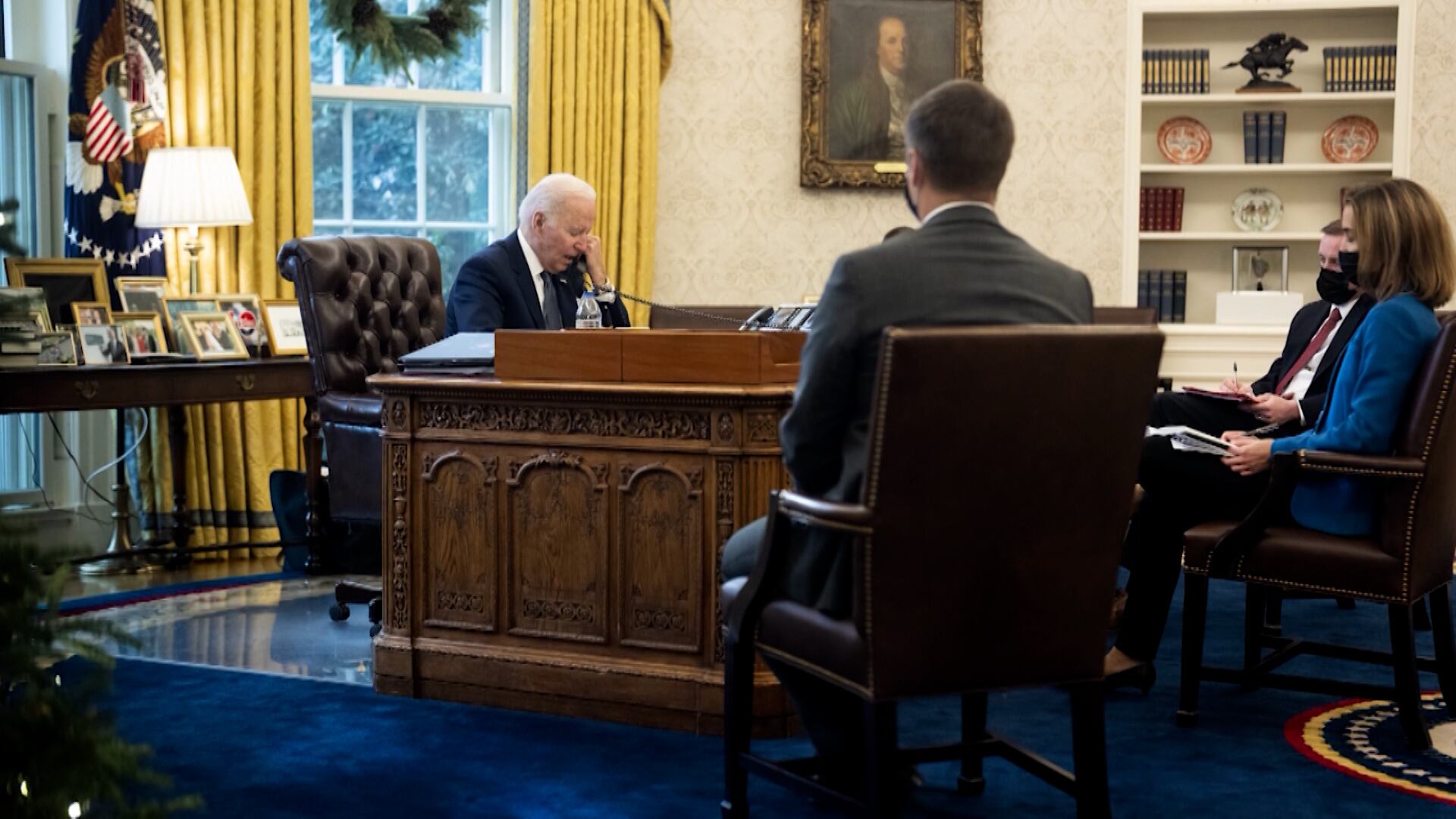
As the standoff between the U.S. and its allies continues with Russia over its possible designs to invade Ukraine, President Biden held a video conference call with European leadership and had 8,500 American troops put on high alert. Jamil Jaffer, a former associate White House counsel for the Bush Administration, joined Cheddar to discuss his views on the escalating crisis in Eastern Europe.
As controversy dogs the run-up to the 2022 Beijing Winter Olympics, China is hiring TikTokers and other social media influencers to promote the nation's history, culture, diplomatic efforts, and current trends.
The Supreme Court has rejected another request to block Texas' strict abortion law. This marks the third time the high court has declined to intervene in challenges to the law that bans abortions after six weeks, well before many women even know they're pregnant. Aziza Ahmed, professor of law at the University of California, Irvine, joined Cheddar News to discuss the impact of the law so far on women seeking abortion services in Texas.
Mayors in cities like Miami and New York City are considering introducing cryptocurrencies as a way to reduce economic inequality. Miami Mayor Francis X. Suarez has even pushed for distributing Bitcoin dividends to the city's inhabitants.
The U.S. will be implementing a vaccine mandate for all people entering through its land borders, removing exemptions for "essential" travelers such as truckers, students, and business people. While the Canadian Trucking Alliance argues that the new, stricter rule might exacerbate ongoing auto supply chain issues, some health experts see the potential for helping curb the ongoing pandemic. Anthony Santella, a professor of health administration at the University of New Haven, joined Cheddar to give his take on the updated border crossing restriction. "We can't just focus on one type of travel. We need to ensure that it's clear and consistent across all types of travel," Santella said.