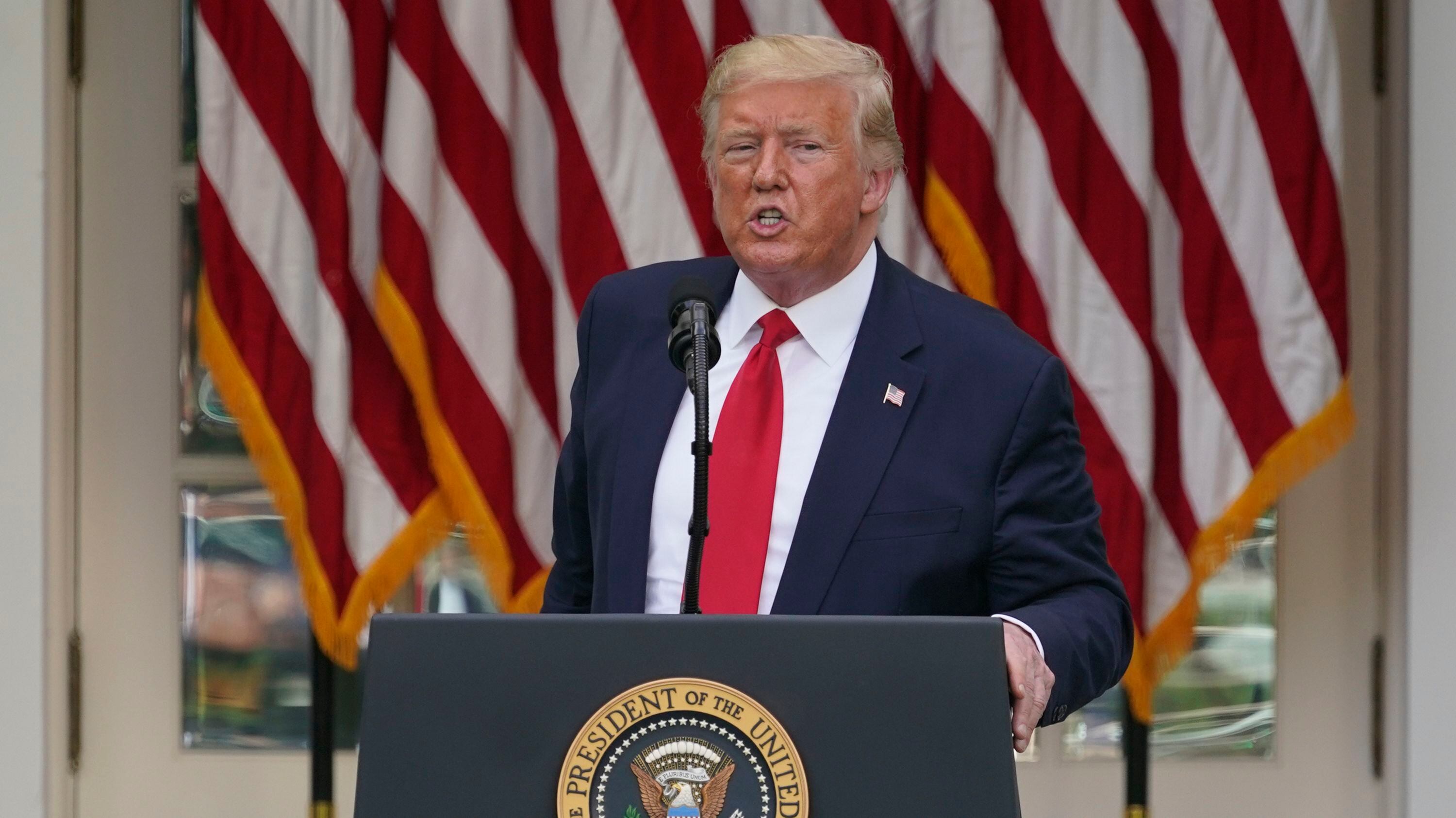
President Donald Trump answers questions from reporters during an event on protecting seniors with diabetes in the Rose Garden White House, Tuesday, May 26, 2020, in Washington. (AP Photo/Evan Vucci)
By Zeke Miller
President Donald Trump on Wednesday threatened social media companies with new regulations or even shuttering after Twitter added fact checks to two of his tweets.
The president can’t unilaterally regulate or close the companies, which would require action by Congress or the Federal Communications Commission. But that didn't stop Trump from angrily issuing strong warnings.
Claiming tech giants “silence conservative voices,” Trump tweeted early Wednesday, “We will strongly regulate, or close them down, before we can ever allow this to happen.” Later he tweeted without elaboration, “Big Action to follow.”
He repeated his unsubstantiated claim — which sparked his latest showdown with Silicon Valley — that expanding mail-in voting “would be a free for all on cheating, forgery and the theft of Ballots.”
There was no immediate reaction from Twitter or other social media companies to the president’s threats.
Trump and his campaign had lashed out Tuesday after Twitter added a warning phrase to two Trump tweets that called mail-in ballots “fraudulent” and predicted that “mail boxes will be robbed,” among other things. Under the tweets, there is now a link reading “Get the facts about mail-in ballots” that guides users to a Twitter “moments” page with fact checks and news stories about Trump’s unsubstantiated claims.
Trump replied on Twitter, accusing the platform of “interfering in the 2020 Presidential Election” and insisting that “as president, I will not allow this to happen.” His 2020 campaign manager, Brad Parscale, said Twitter’s “clear political bias” had led the campaign to pull “all our advertising from Twitter months ago.” Twitter has banned all political advertising since last November.
Trump did not explain his threat Wednesday, and the call to expand regulation appeared to fly in the face of long-held conservative principles on deregulation.
But some Trump allies, who have alleged bias on the part of tech companies, have questioned whether platforms like Twitter and Facebook should continue to enjoy liability protections as “platforms” under federal law — or be treated more like publishers, which can face lawsuits over content.
The protections have been credited with allowing the unfettered growth of the internet for more than two decades, but now some Trump allies are advocating that social media companies face more scrutiny.
“Big tech gets a huge handout from the federal government," Republican Sen. Josh Hawley told Fox News. “They get this special immunity, this special immunity from suits and from liability that’s worth billions of dollars to them every year. Why are they getting subsidized by federal taxpayers to censor conservatives, to censor people critical of China?”
There was no immediate reaction from Twitter or other social media companies to the president's threats.
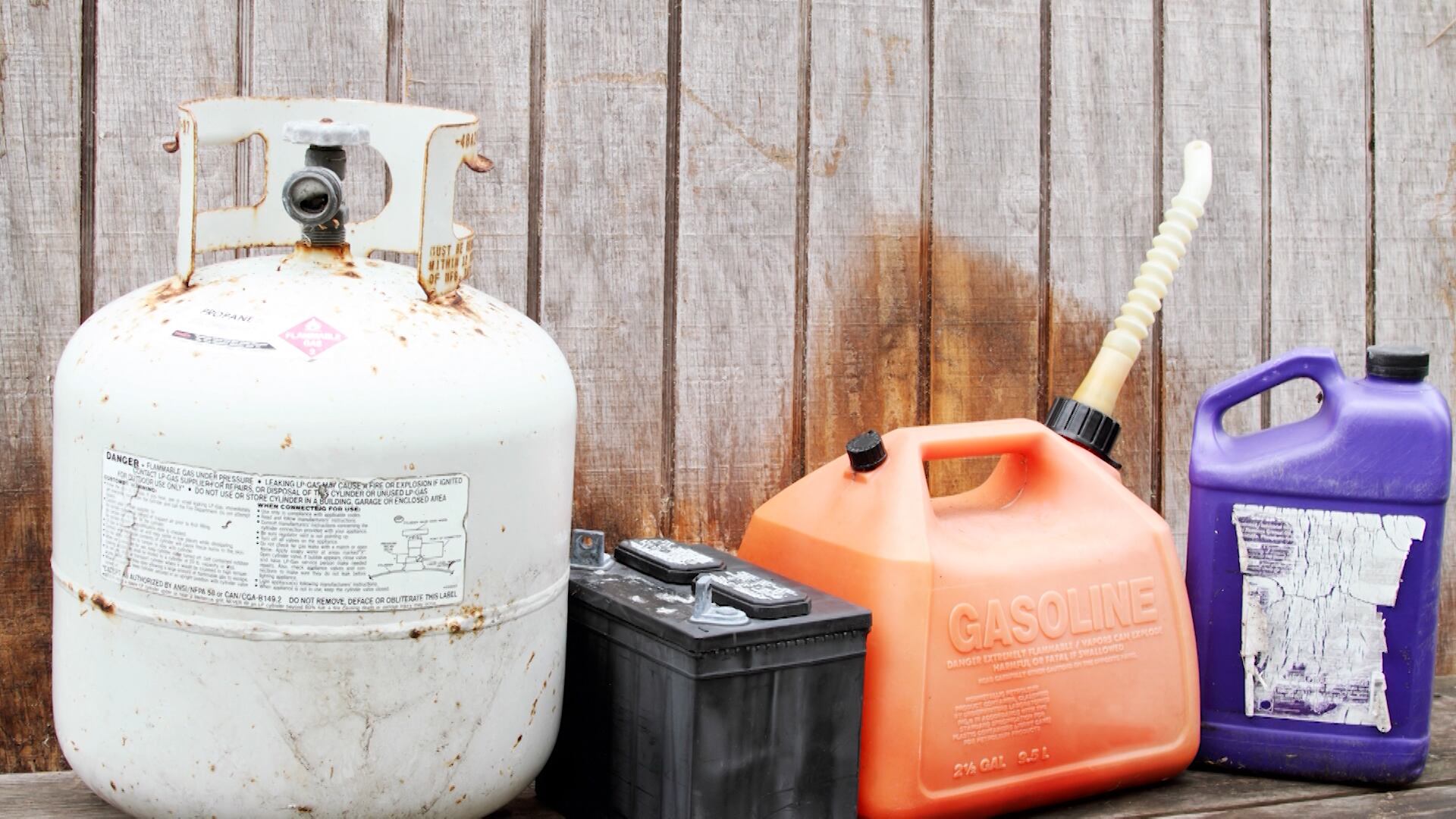
The U.S. propane market is headed for 'armageddon' this winter, according to the research firm, IHS Markit Ltd. Residential propane prices nationwide are currently at their highest level for the month of October since 2011. It comes amid soaring demand and as the energy source is in short supply. This all could lead to some regions experiencing shortages before winter ends. President and CEO of Suburban Propane Michael Stivala joins Cheddar News' Closing Bell to discuss.
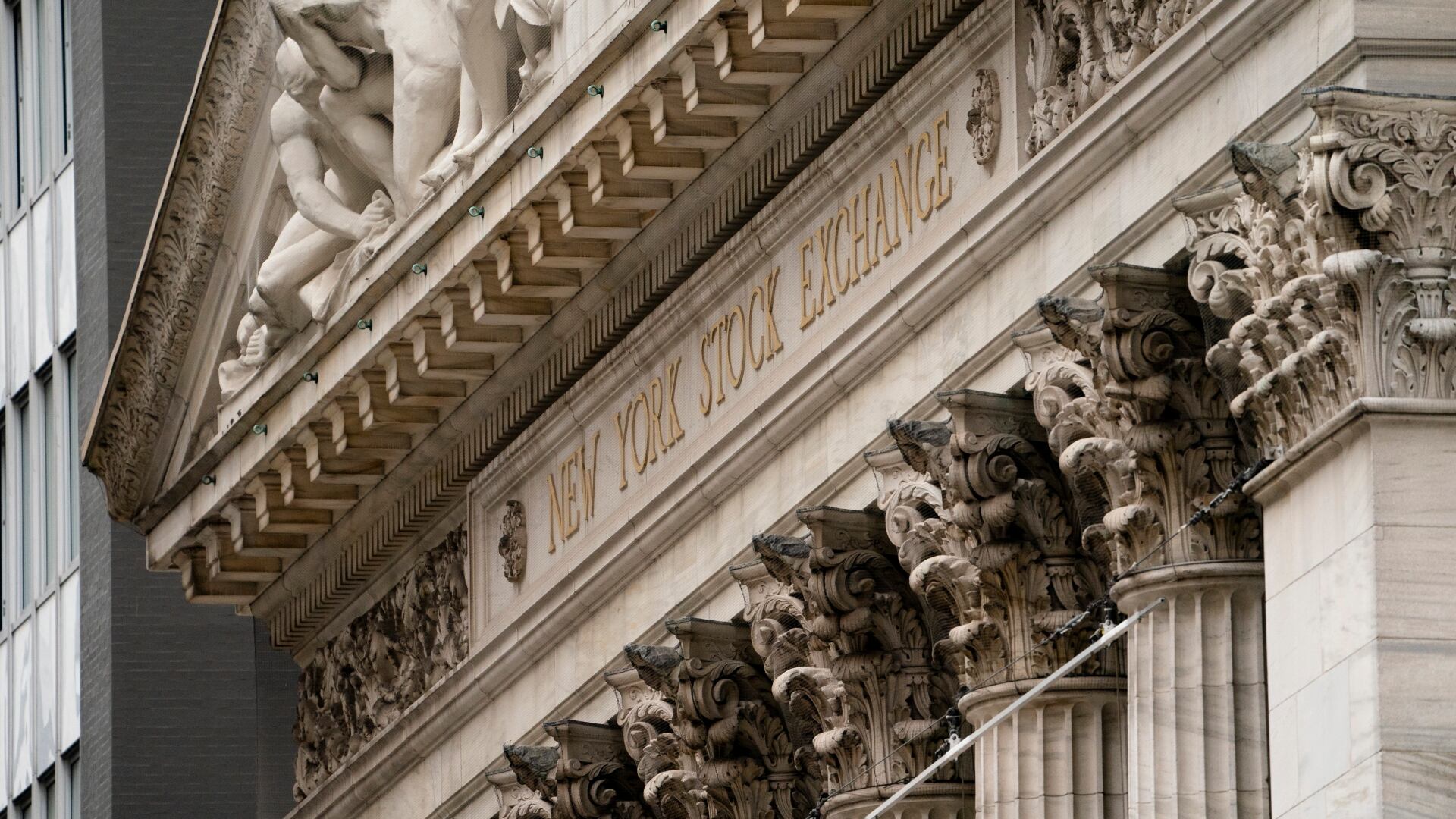
The Dow, S&P, and Nasdaq begin November by not only ending Monday's session higher but with a record close as well. Melissa Armo, Founder and Owner of The Stock Swoosh, has her eye on major economic storylines and joins Cheddar News' Closing Bell to discuss what role the news could play on Wall Street.
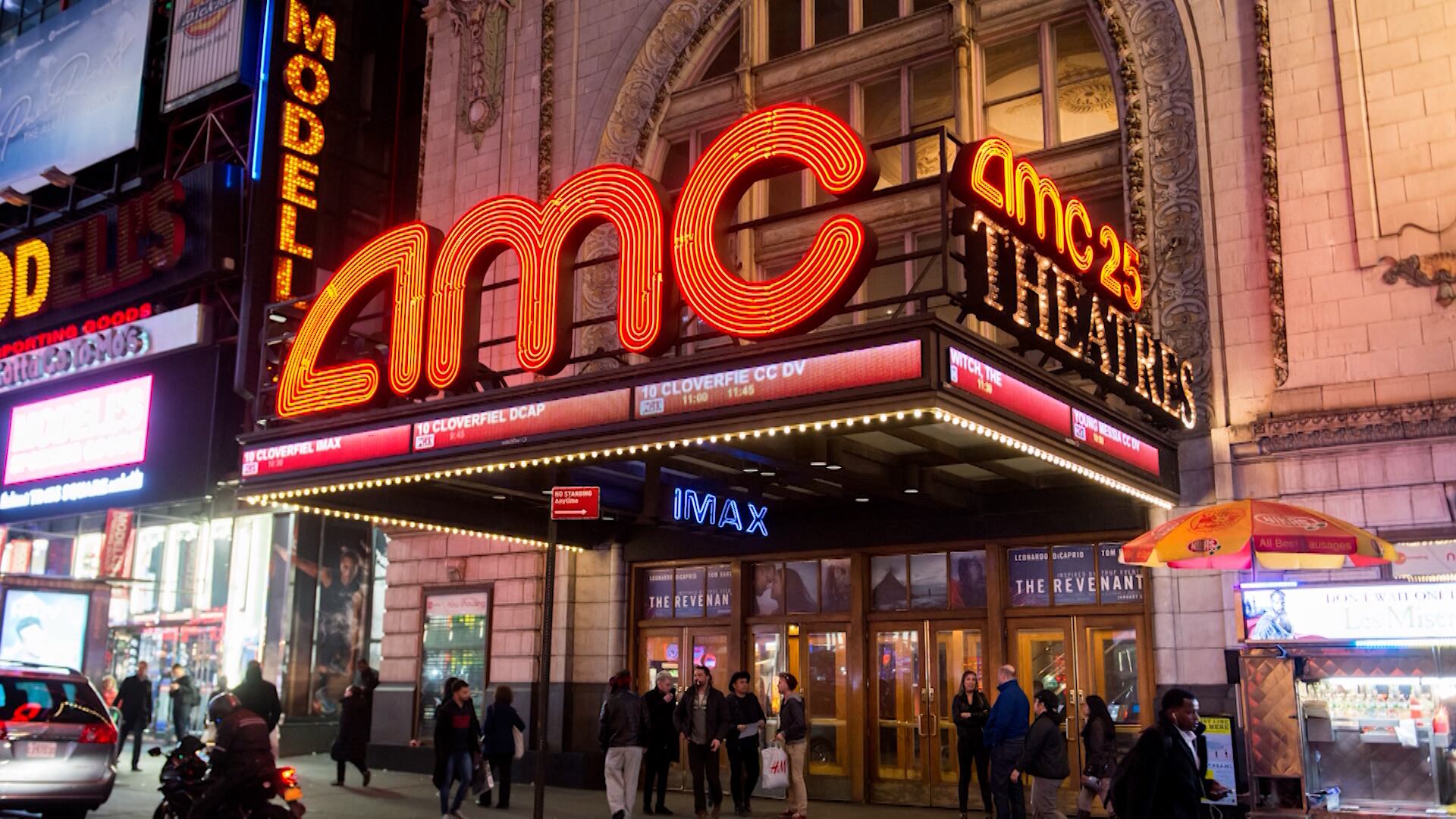
October was a great month for movies, as it's set to bring in more than $600 million this month, according to Comscore. Thanks to big hits like Venom 2, No Time to Die, Halloween Kills, Dune, and The Addams Family 2, October is expected to be the best month since the pandemic began in regards to combined domestic ticket sales. Mark Sebastian, CIO of Karman Line Capital, explains why October wasn't just a fluke for movie theaters. He also gives a look at AMC stock as the chain is set to report its third quarter earnings on November 8.
Michael Boyd, CEO of aviation consultancy Boyd Group International, joined Cheddar to discuss recent mass flight cancellations by airlines like American and Southwest. Boyd noted that the usually efficient hub and spoke system left American Airlines vulnerable to the weather event in Dallas-Fort Worth and staffing shortages. He also said that while planning trips in the current climate can be unnerving, problems like weather delays are just part of the flying experience.
Christian Kroll, CEO of Ecosia, joins 'Fast Forward' to discuss how Ecosia uses its ad revenue to plant trees, and what the company plans to do after launching a $405 million venture capital fund focused on combating the climate crisis.
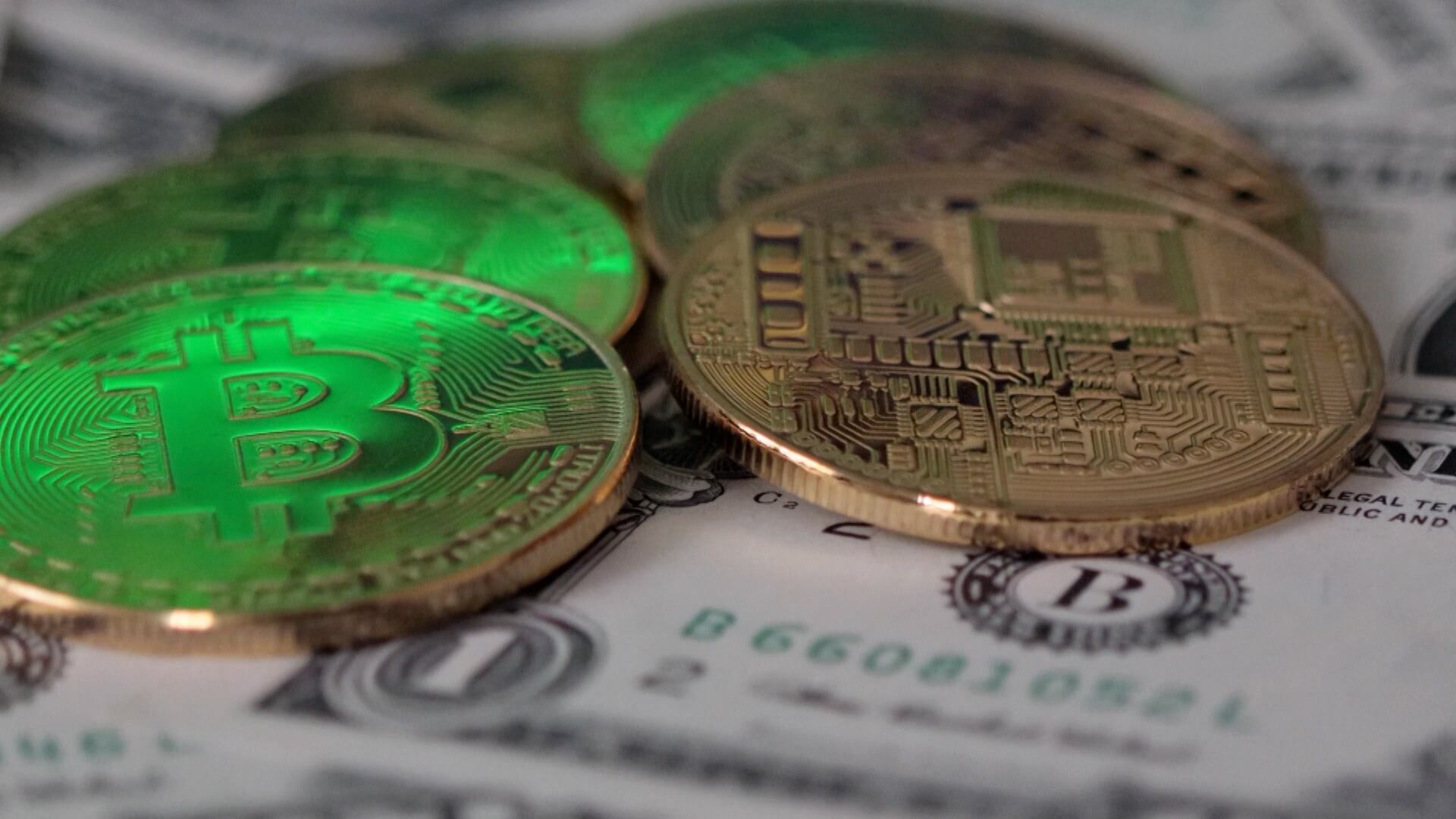
Guy Hirsch, USA managing director and head of NFT at eToro, joined Cheddar to discuss the evolution of bitcoin into the mainstream 13 years after the white paper from the presumed pseudonym Satoshi Nakamoto was published. Hirsch said there were several groundbreaking moments for the cryptocurrency, starting with the financial crisis of 2008, noting that people began seeking a solution to protect wealth, and bitcoin "gave people the confidence that it is an immutable ledger that no one can really hack or interfere with."
Visa CFO Vasant Prabhu, joined Cheddar's "Closing Bell" to talk about the financial service company's prediction that a full economic recovery from the pandemic won't happen until summer 2023 based on travel-related sources. Prabhu noted that a big question mark for the recovery is when Asia reopens for travel but "anything's possible" and the recovery could still end up going faster than anticipated.