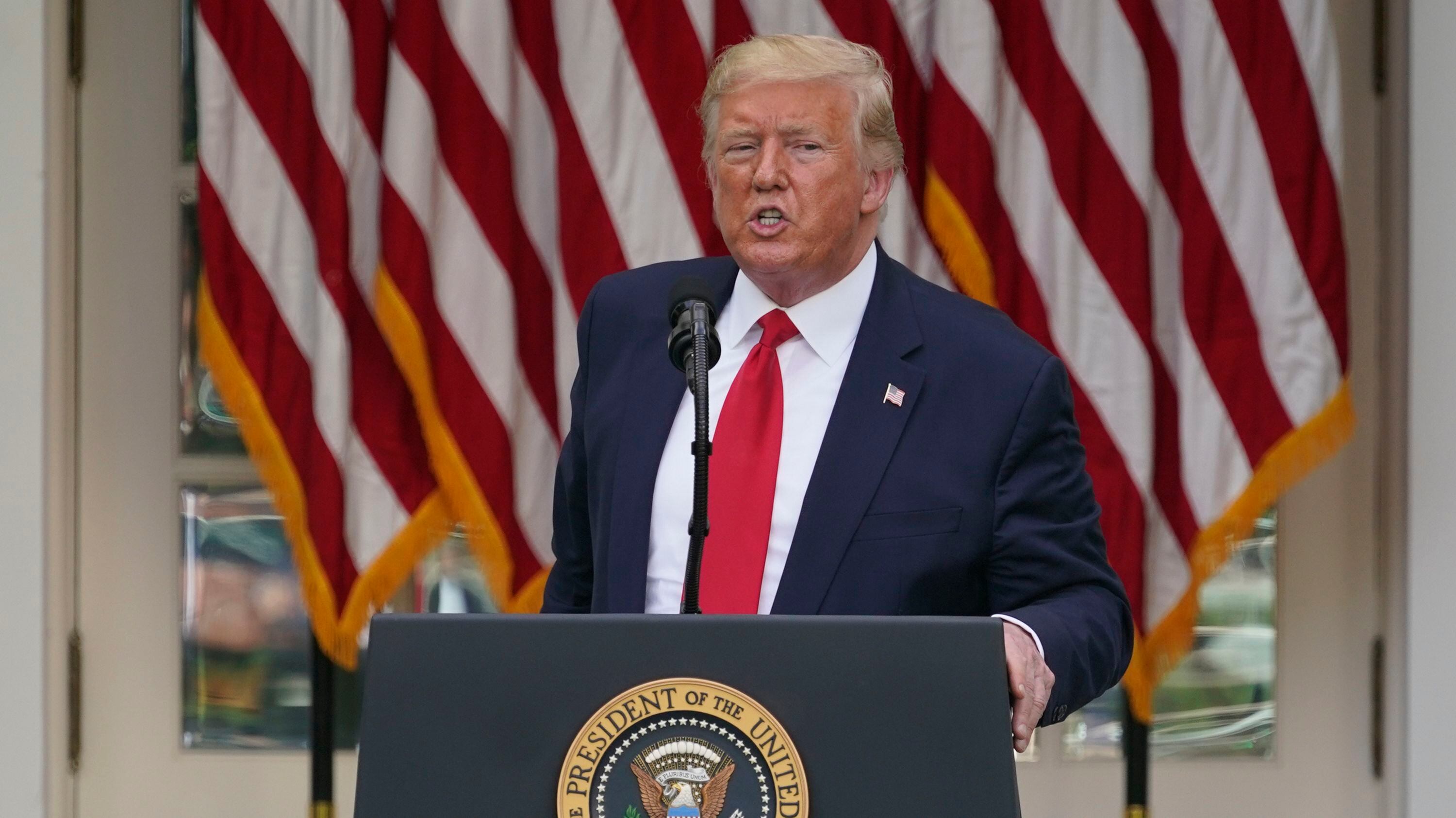
President Donald Trump answers questions from reporters during an event on protecting seniors with diabetes in the Rose Garden White House, Tuesday, May 26, 2020, in Washington. (AP Photo/Evan Vucci)
By Zeke Miller
President Donald Trump on Wednesday threatened social media companies with new regulations or even shuttering after Twitter added fact checks to two of his tweets.
The president can’t unilaterally regulate or close the companies, which would require action by Congress or the Federal Communications Commission. But that didn't stop Trump from angrily issuing strong warnings.
Claiming tech giants “silence conservative voices,” Trump tweeted early Wednesday, “We will strongly regulate, or close them down, before we can ever allow this to happen.” Later he tweeted without elaboration, “Big Action to follow.”
He repeated his unsubstantiated claim — which sparked his latest showdown with Silicon Valley — that expanding mail-in voting “would be a free for all on cheating, forgery and the theft of Ballots.”
There was no immediate reaction from Twitter or other social media companies to the president’s threats.
Trump and his campaign had lashed out Tuesday after Twitter added a warning phrase to two Trump tweets that called mail-in ballots “fraudulent” and predicted that “mail boxes will be robbed,” among other things. Under the tweets, there is now a link reading “Get the facts about mail-in ballots” that guides users to a Twitter “moments” page with fact checks and news stories about Trump’s unsubstantiated claims.
Trump replied on Twitter, accusing the platform of “interfering in the 2020 Presidential Election” and insisting that “as president, I will not allow this to happen.” His 2020 campaign manager, Brad Parscale, said Twitter’s “clear political bias” had led the campaign to pull “all our advertising from Twitter months ago.” Twitter has banned all political advertising since last November.
Trump did not explain his threat Wednesday, and the call to expand regulation appeared to fly in the face of long-held conservative principles on deregulation.
But some Trump allies, who have alleged bias on the part of tech companies, have questioned whether platforms like Twitter and Facebook should continue to enjoy liability protections as “platforms” under federal law — or be treated more like publishers, which can face lawsuits over content.
The protections have been credited with allowing the unfettered growth of the internet for more than two decades, but now some Trump allies are advocating that social media companies face more scrutiny.
“Big tech gets a huge handout from the federal government," Republican Sen. Josh Hawley told Fox News. “They get this special immunity, this special immunity from suits and from liability that’s worth billions of dollars to them every year. Why are they getting subsidized by federal taxpayers to censor conservatives, to censor people critical of China?”
There was no immediate reaction from Twitter or other social media companies to the president's threats.
It's earnings season for the hospitality industry, with Marriott, MGM, Booking Holdings, and Hyatt all set to report on November 3. The stakes are high as investors look for signs that travel is returning after months of pandemic-related disruptions. Hilary Kramer, chief investment officer for Kramer Capital Research, joined Cheddar to explain why the industry still has a long way to go when it comes to recovering from the pandemic.
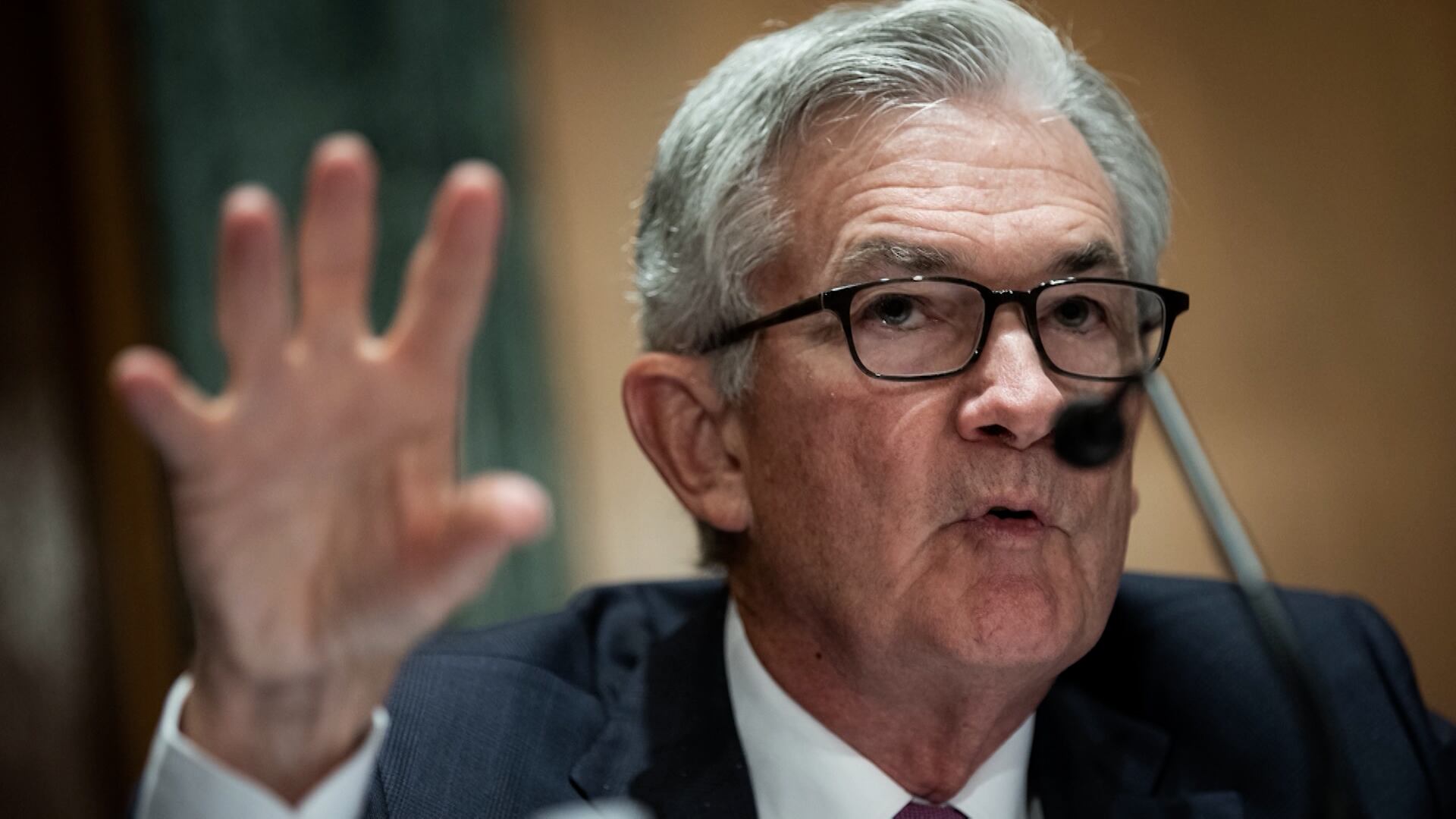
The Federal Reserve announced it would begin tapering asset purchases in mid-November and that it would keep interest rates low. Stocks hit a record high on the announcement. Dan Eye, Head of Asset Allocation & Equity Research at Fort Pitt Capital Group, joins Cheddar News' Closing Bell to discuss the Fed news, as well as Q3 earnings season.
Both the S&P 500 and Nasdaq hit new highs Thursday, with investors keeping an eye on strong economic data, and tech stocks boosting the Nasdaq. The Dow closed lower, but hovered near a record. Brandon Pizzurro, Director of Public Investments at GuideStone Capital Management, joins Cheddar News' Closing Bell to discuss today's close, Q3 earnings season so far, and 2022 outlook amid Fed announcements.
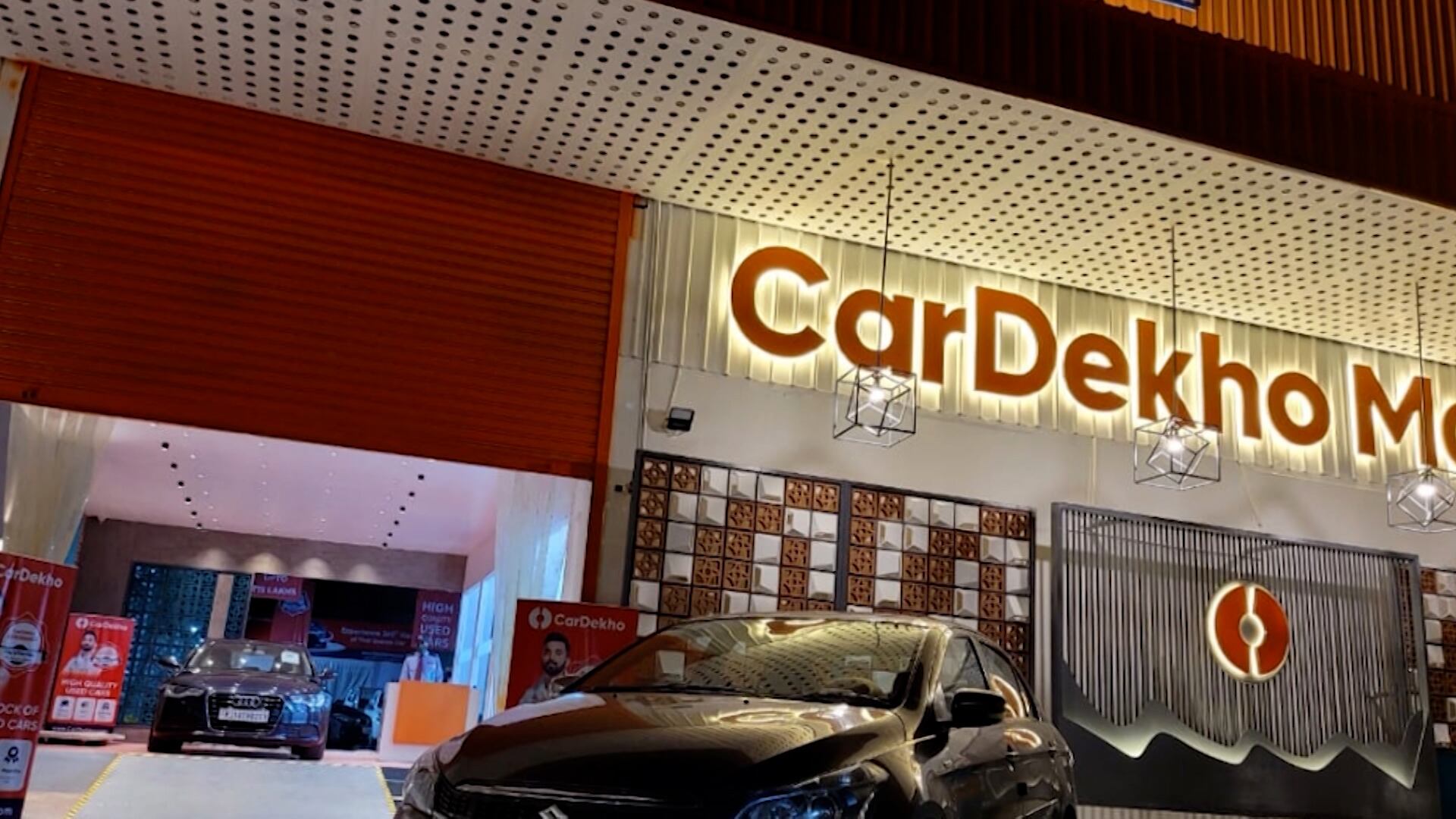
The largest car search platform in India, Cardekho, recently raised $250 million in what the company calls a pre-IPO round led by leapfrog investments. The funding bumps CarDekho above unicorn status with a $1.2 billion valuation. The company currently has a catalogue of more than 3,000 pre-owned cars for online purchases and hopes to expand with the new funding. Partner and co-head of South Asian investment for LeapFrog Stewart Langdon joins Cheddar News' Closing Bell to discuss.
E-scooter company Bird made its public debut on the New York Stock Exchange on Thursday. CFO Yibo Ling joined Cheddar to discuss what made the company launch a SPAC IPO now. Ling noted one of the deciding factors was the need to scale the business to help take "gas-guzzling cars off the road" by growing into more locations. "A large portion of our proceeds will go to fund expansion into these new geographies," he said.
Booking Holdings CEO Glenn Fogel joined Cheddar's "Closing Bell" to discuss the online travel company's Q3 earnings beat and the state of the travel industry. The earnings win was a sign that a sense of normalcy is slowly returning, according to Fogel, though he expressed disappointment in the Biden administration's delay allowing international vaccinated travelers into the country. He also predicted that elevated prices in areas like room bookings will remain high as travelers continue to pay more even as occupancy rates remain low.
Fintech firm NerdWallet made its IPO debut on the Nasdaq on Thursday. CEO Tim Chen joined Cheddar to talk about the decision to tap the capital markets now and explained the company's revenue model by taking a cut from financial products like credit cards and loans sold through the site. Chen also talked about the firm's stance on cryptocurrencies, noting it advises people to only invest what they can afford to lose. (Updated November 5, 2021 to reflect that NerdWallet went public on Nasdaq, not NYSE.)
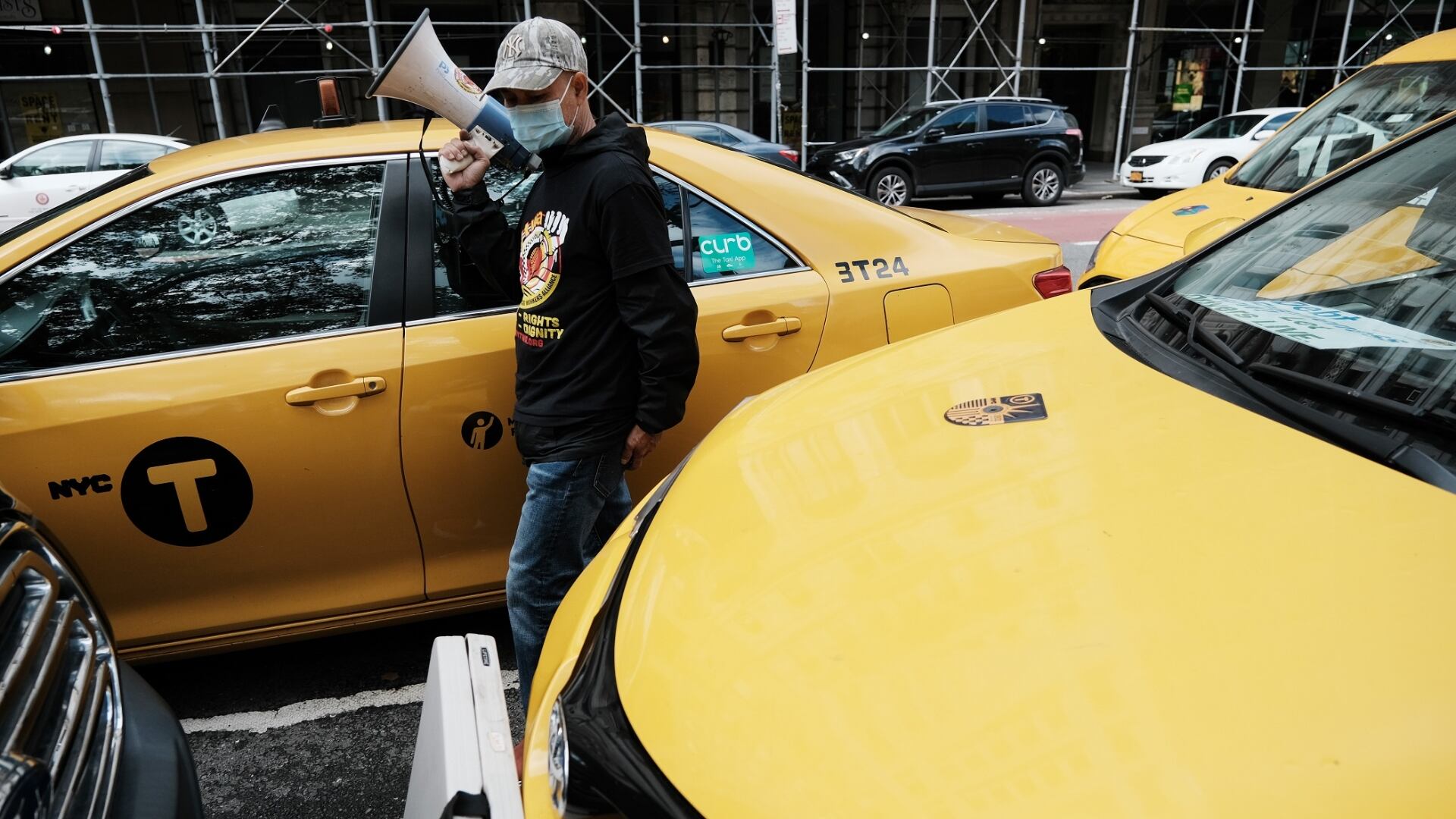
New York City taxi drivers won a major victory to slash the cost of money owed for taxi medallions. The announcement follows a two-week long hunger strike at City Hall by some drivers to demand debt relief.
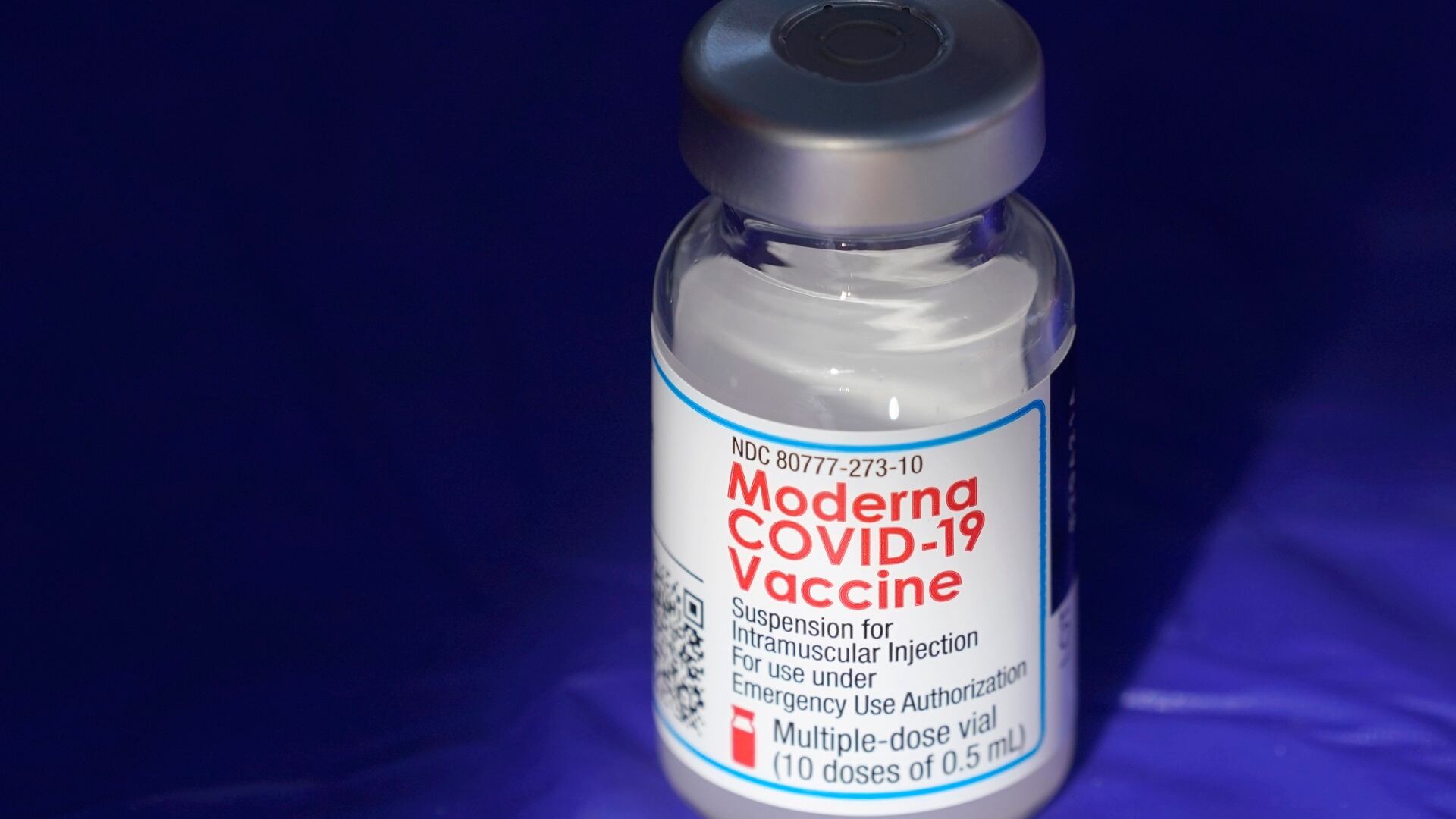
Moderna reported a massive miss on revenue in its Q3 earnings, taking in $5 billion versus the expected $6.21 billion despite sales of the COVID-19 vaccine. The pharmaceutical giant's stock dropped sharply on the news.