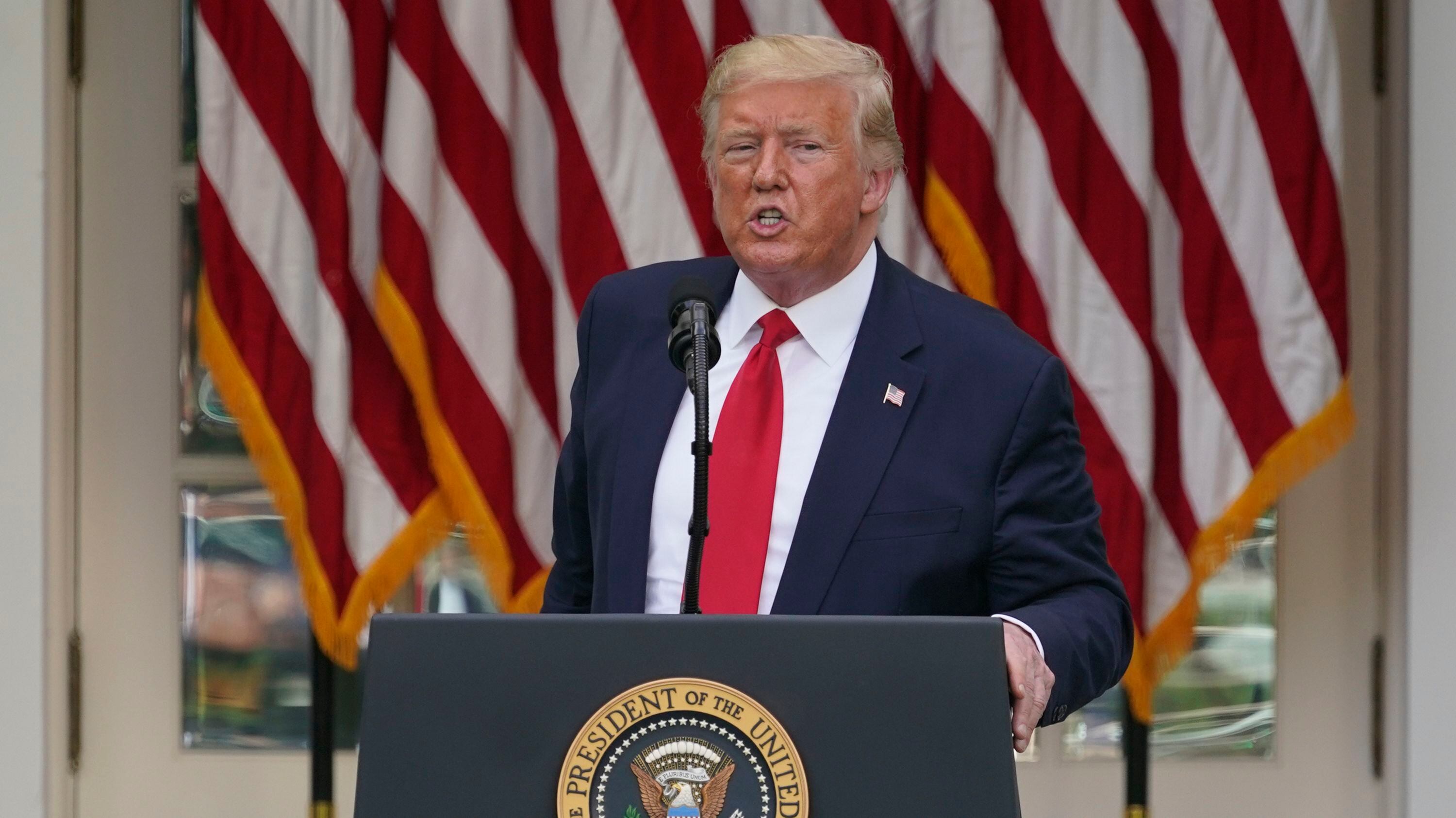
President Donald Trump answers questions from reporters during an event on protecting seniors with diabetes in the Rose Garden White House, Tuesday, May 26, 2020, in Washington. (AP Photo/Evan Vucci)
By Zeke Miller
President Donald Trump on Wednesday threatened social media companies with new regulations or even shuttering after Twitter added fact checks to two of his tweets.
The president can’t unilaterally regulate or close the companies, which would require action by Congress or the Federal Communications Commission. But that didn't stop Trump from angrily issuing strong warnings.
Claiming tech giants “silence conservative voices,” Trump tweeted early Wednesday, “We will strongly regulate, or close them down, before we can ever allow this to happen.” Later he tweeted without elaboration, “Big Action to follow.”
He repeated his unsubstantiated claim — which sparked his latest showdown with Silicon Valley — that expanding mail-in voting “would be a free for all on cheating, forgery and the theft of Ballots.”
There was no immediate reaction from Twitter or other social media companies to the president’s threats.
Trump and his campaign had lashed out Tuesday after Twitter added a warning phrase to two Trump tweets that called mail-in ballots “fraudulent” and predicted that “mail boxes will be robbed,” among other things. Under the tweets, there is now a link reading “Get the facts about mail-in ballots” that guides users to a Twitter “moments” page with fact checks and news stories about Trump’s unsubstantiated claims.
Trump replied on Twitter, accusing the platform of “interfering in the 2020 Presidential Election” and insisting that “as president, I will not allow this to happen.” His 2020 campaign manager, Brad Parscale, said Twitter’s “clear political bias” had led the campaign to pull “all our advertising from Twitter months ago.” Twitter has banned all political advertising since last November.
Trump did not explain his threat Wednesday, and the call to expand regulation appeared to fly in the face of long-held conservative principles on deregulation.
But some Trump allies, who have alleged bias on the part of tech companies, have questioned whether platforms like Twitter and Facebook should continue to enjoy liability protections as “platforms” under federal law — or be treated more like publishers, which can face lawsuits over content.
The protections have been credited with allowing the unfettered growth of the internet for more than two decades, but now some Trump allies are advocating that social media companies face more scrutiny.
“Big tech gets a huge handout from the federal government," Republican Sen. Josh Hawley told Fox News. “They get this special immunity, this special immunity from suits and from liability that’s worth billions of dollars to them every year. Why are they getting subsidized by federal taxpayers to censor conservatives, to censor people critical of China?”
There was no immediate reaction from Twitter or other social media companies to the president's threats.
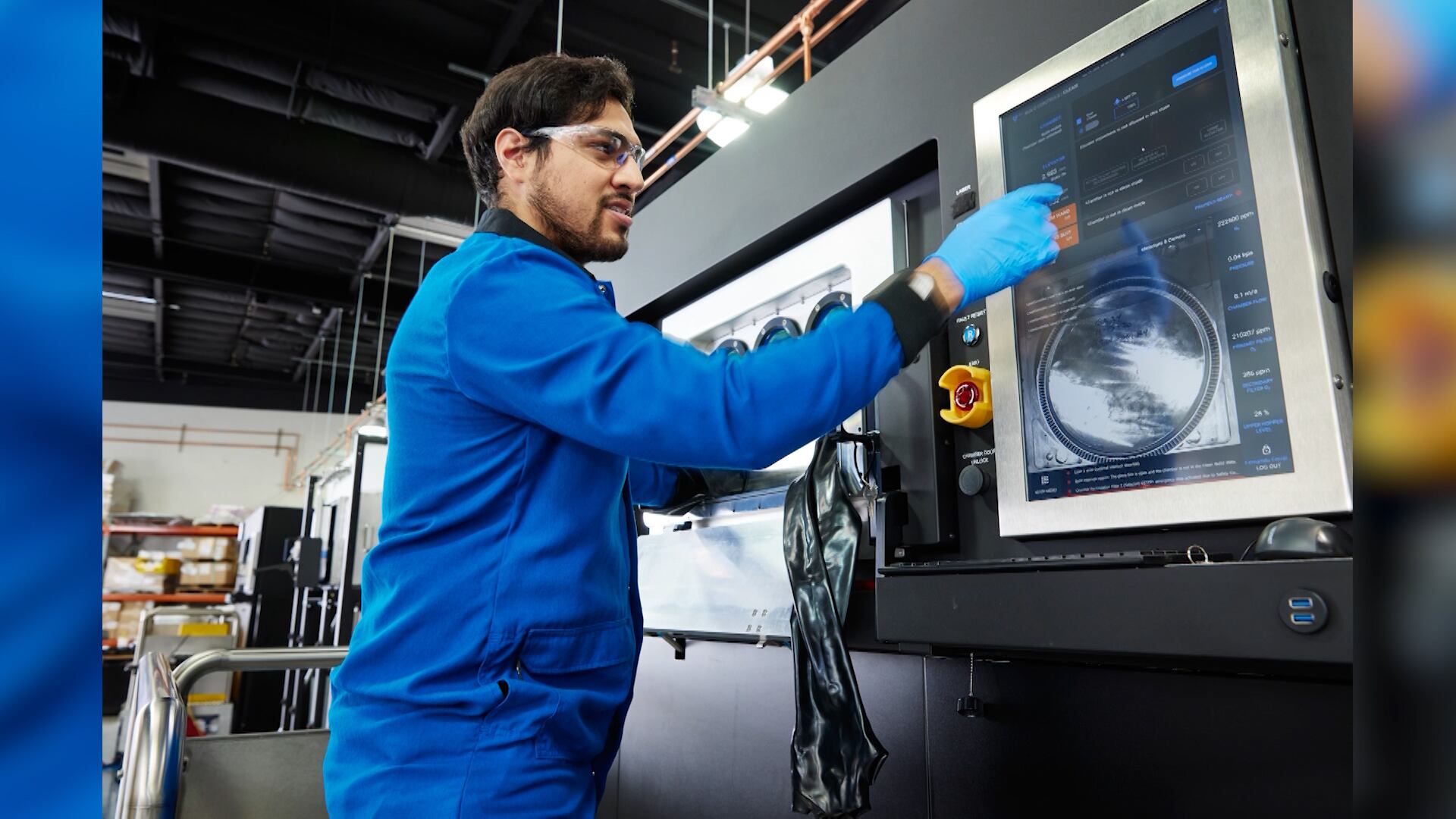
3D printing company Velo3D released its first earnings report since going public in September. CEO and co-founder Benny Buller joined Cheddar to discuss the company's bottom line miss while noting he expects revenue for the year will hit $26 million. Buller also expressed optimism about the company achieving $89 million in revenue in 2022.
Wheels Up CEO Kenny Dichter talked to Cheddar about the aviation company's Q3 earnings report, the increase in memberships, and rising fuel costs. He attributed some of the increase in the number of members and rising revenue to lingering concerns about commercial flying amid the pandemic and noted that legacy members have used the service more frequently than in previous years. Dichter also explained that a rise in pricing is planned for December.
With more companies offering employees flexibility in work schedules, Airbnb is looking to accommodate flexible travel plans. Chief Strategy Officer Nathan Blecharczyk joined Cheddar to discuss the growing trend of people staying in Airbnbs for longer periods of time. "In December over the holidays, in North America, we are seeing a 68 percent increase in the demand for month-long stays relative to years past," he said.
Asad Hussain, lead mobility analyst at data company PitchBook, joined Cheddar to discuss the blockbuster Rivian IPO. The electric truck maker's valuation jumped to more than $90 billion, signaling progress in the "multi-decade transformation in mobility," according to Hussain. He noted that electric automakers like Rivian, Tesla, and Lucid, will continue to lead electrification in being free to innovate and lacking the legacy issues facing traditional, combustion engine carmakers.
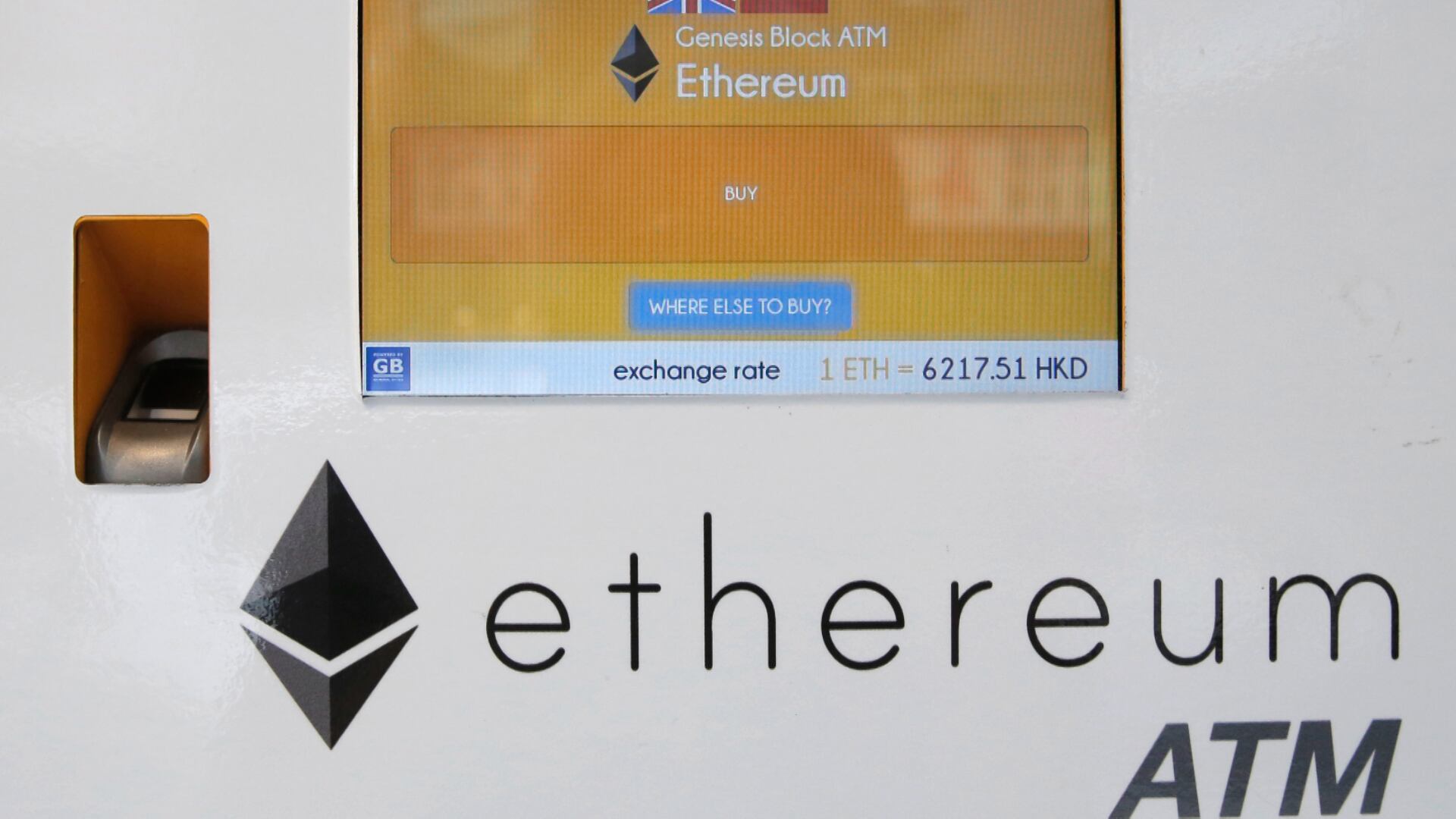
Coinbase reported third quarter earnings yesterday and revenue did not at all meet estimates, with the company saying that it also saw a staggering decrease of about 1.4 million customers in comparison to the previous quarter. This comes in the same week where bitcoin and ethereum, two of its most important digital assets hit record highs. Martin Gaspar, research analyst at CrossTower explains how a soft crypto trading quarter contributed to the less-than-ideal revenue outcome.
John Jannarone, Editor-In-Chief at IPOedge.com, joined Wake Up With Cheddar to discuss Riivian ahead of its public debut on the Nasdaq, as investors gear up for the biggest IPO for a U.S. company since Facebook.
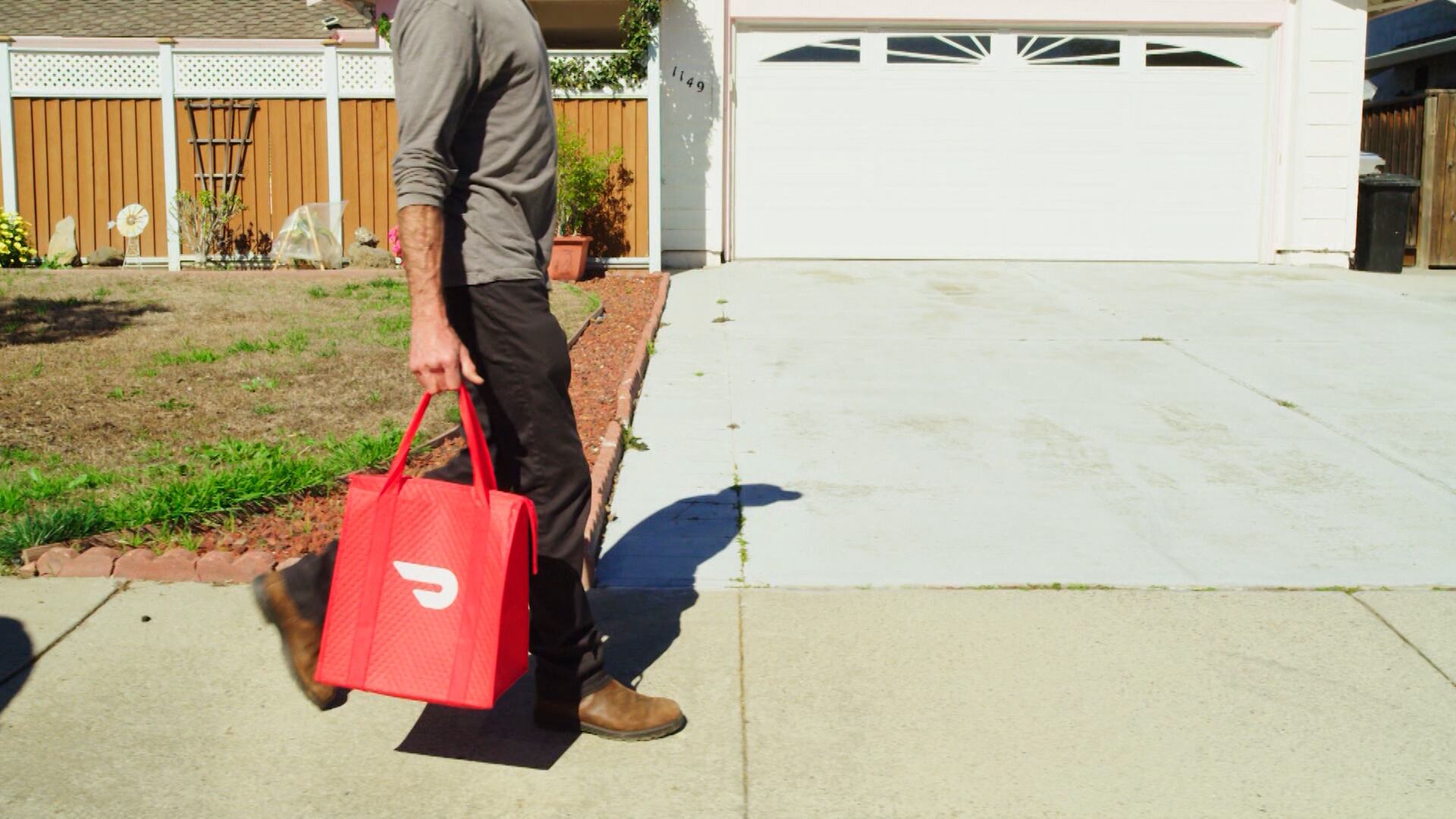
DoorDash is set to acquire European-based food delivery company Wolt in an $8.1 billion deal. Ann Berry, chief investment officer at media platform Wheelhouse, joined Cheddar to discuss how this positions DoorDash in the prepared food and potentially the grocery delivery space. "I do think that what DoorDash is trying to be thoughtful about now is how to take that there's been a shift in consumer behavior in terms of mobile ordering and delivery and try and apply it to other categories," she said, also pointing to its partnership with beauty supply company Ulta.
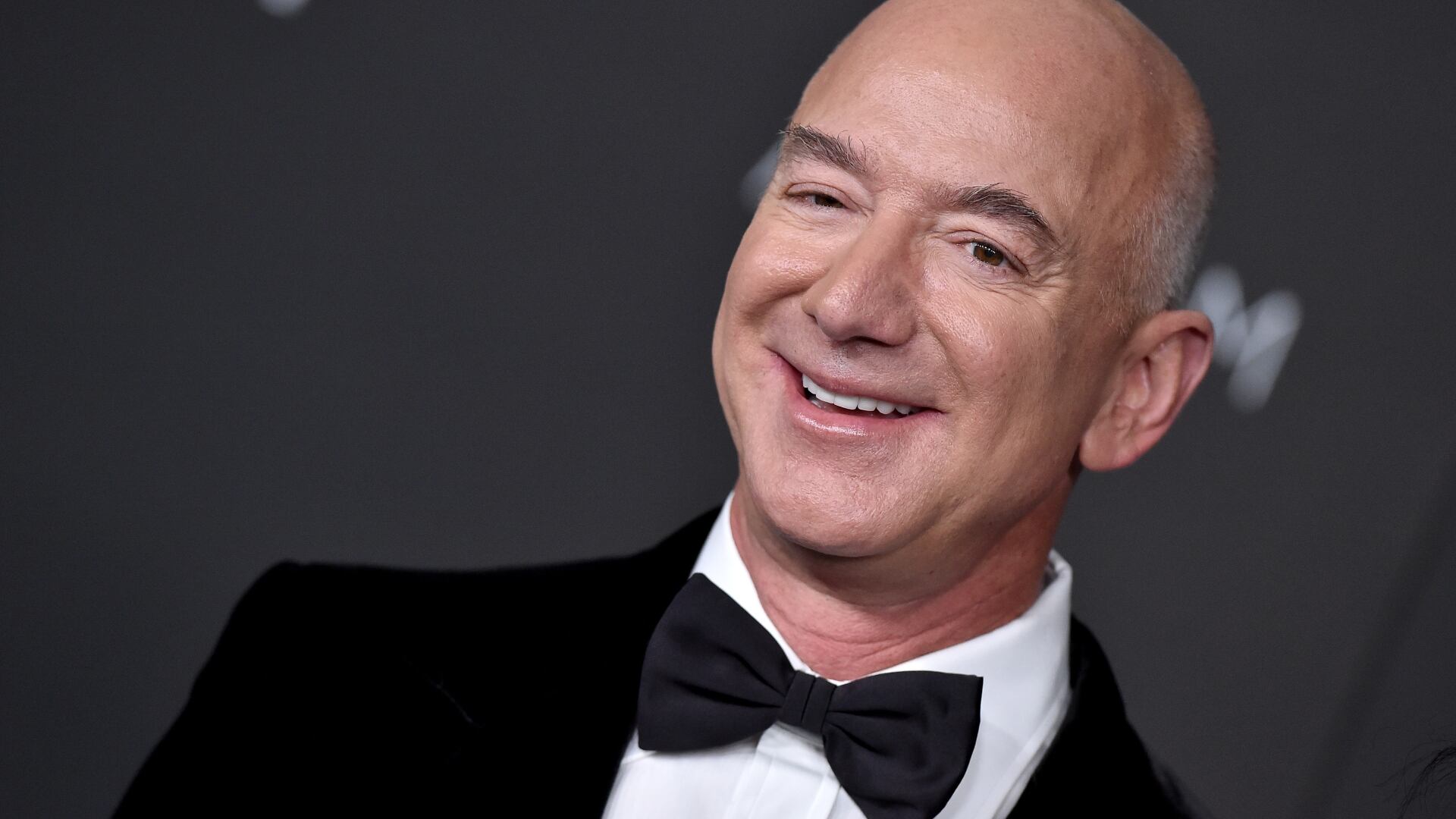
Amazon founder Jeffrey Bezos took to the stage at the U.N.'s COP26 Climate Summit to unveil a new plan to combat climate change, but some say it might do more harm than good. Justine Calma, Science Reporter at The Verge, joined Cheddar to discuss.
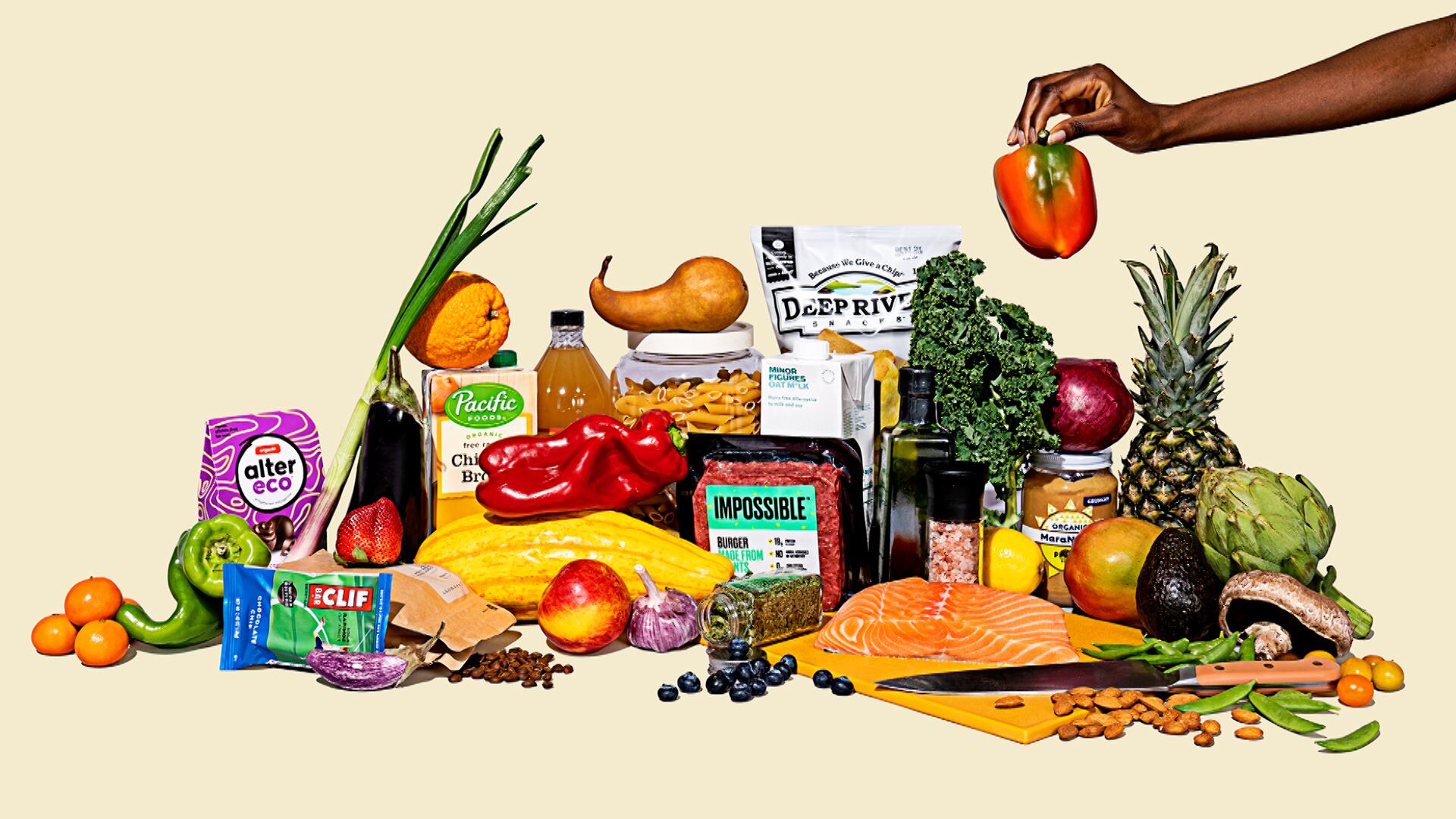
Misfits Market, the grocery delivery company that capitalizes on curbing food waste, expanded into California for the first time on Wednesday. Abhi Ramesh, founder and CEO, joined Cheddar to discuss the launch in the Golden State, after the company's beginnings in Philadelphia and experiencing a wave of growth amid the pandemic. He noted that the expansion was an opportunity to provide West Coast communities with fresh produce as "one in five California households are in food deserts and don't have access to fresh, healthy food."