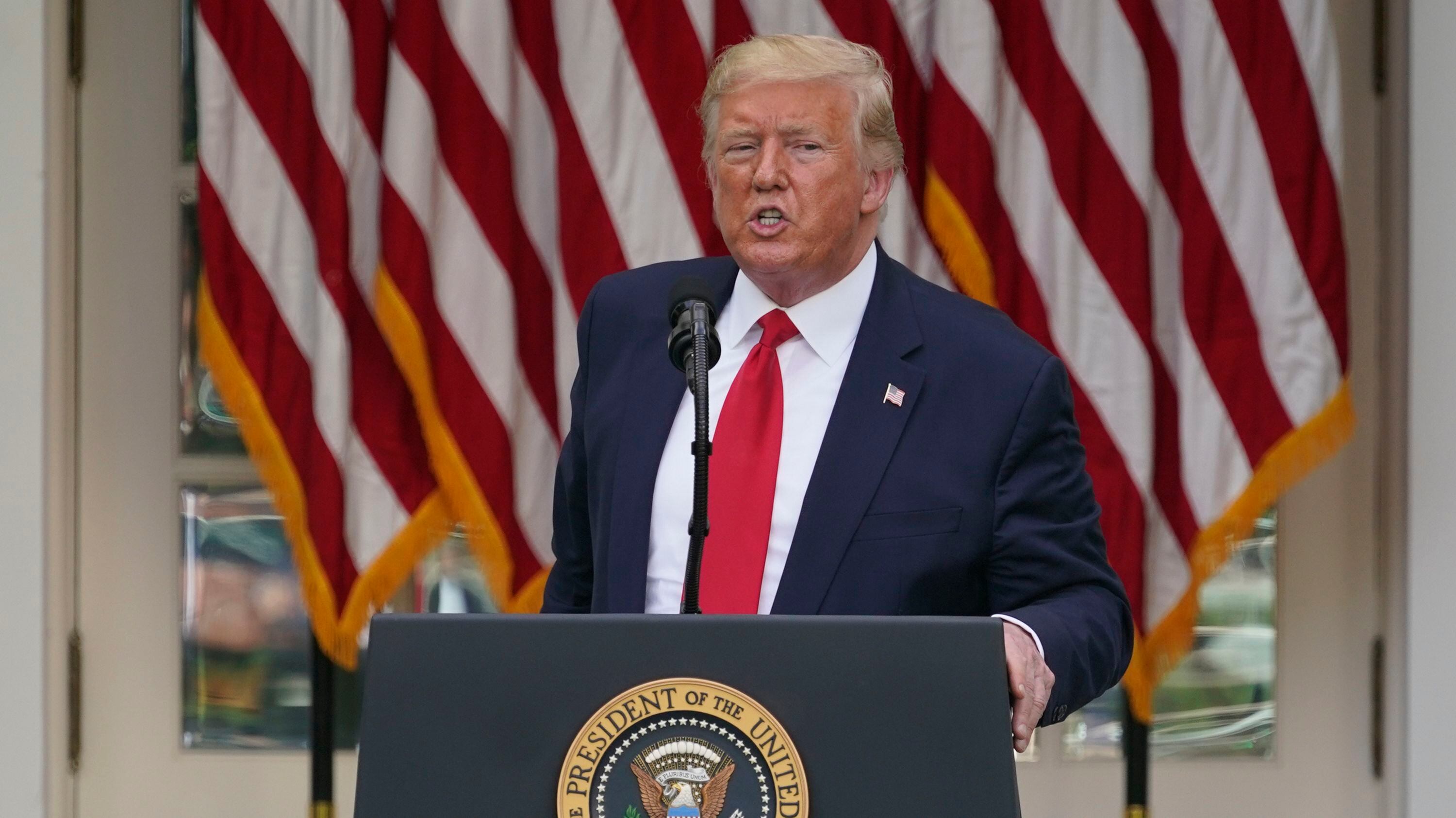
President Donald Trump answers questions from reporters during an event on protecting seniors with diabetes in the Rose Garden White House, Tuesday, May 26, 2020, in Washington. (AP Photo/Evan Vucci)
By Zeke Miller
President Donald Trump on Wednesday threatened social media companies with new regulations or even shuttering after Twitter added fact checks to two of his tweets.
The president can’t unilaterally regulate or close the companies, which would require action by Congress or the Federal Communications Commission. But that didn't stop Trump from angrily issuing strong warnings.
Claiming tech giants “silence conservative voices,” Trump tweeted early Wednesday, “We will strongly regulate, or close them down, before we can ever allow this to happen.” Later he tweeted without elaboration, “Big Action to follow.”
He repeated his unsubstantiated claim — which sparked his latest showdown with Silicon Valley — that expanding mail-in voting “would be a free for all on cheating, forgery and the theft of Ballots.”
There was no immediate reaction from Twitter or other social media companies to the president’s threats.
Trump and his campaign had lashed out Tuesday after Twitter added a warning phrase to two Trump tweets that called mail-in ballots “fraudulent” and predicted that “mail boxes will be robbed,” among other things. Under the tweets, there is now a link reading “Get the facts about mail-in ballots” that guides users to a Twitter “moments” page with fact checks and news stories about Trump’s unsubstantiated claims.
Trump replied on Twitter, accusing the platform of “interfering in the 2020 Presidential Election” and insisting that “as president, I will not allow this to happen.” His 2020 campaign manager, Brad Parscale, said Twitter’s “clear political bias” had led the campaign to pull “all our advertising from Twitter months ago.” Twitter has banned all political advertising since last November.
Trump did not explain his threat Wednesday, and the call to expand regulation appeared to fly in the face of long-held conservative principles on deregulation.
But some Trump allies, who have alleged bias on the part of tech companies, have questioned whether platforms like Twitter and Facebook should continue to enjoy liability protections as “platforms” under federal law — or be treated more like publishers, which can face lawsuits over content.
The protections have been credited with allowing the unfettered growth of the internet for more than two decades, but now some Trump allies are advocating that social media companies face more scrutiny.
“Big tech gets a huge handout from the federal government," Republican Sen. Josh Hawley told Fox News. “They get this special immunity, this special immunity from suits and from liability that’s worth billions of dollars to them every year. Why are they getting subsidized by federal taxpayers to censor conservatives, to censor people critical of China?”
There was no immediate reaction from Twitter or other social media companies to the president's threats.
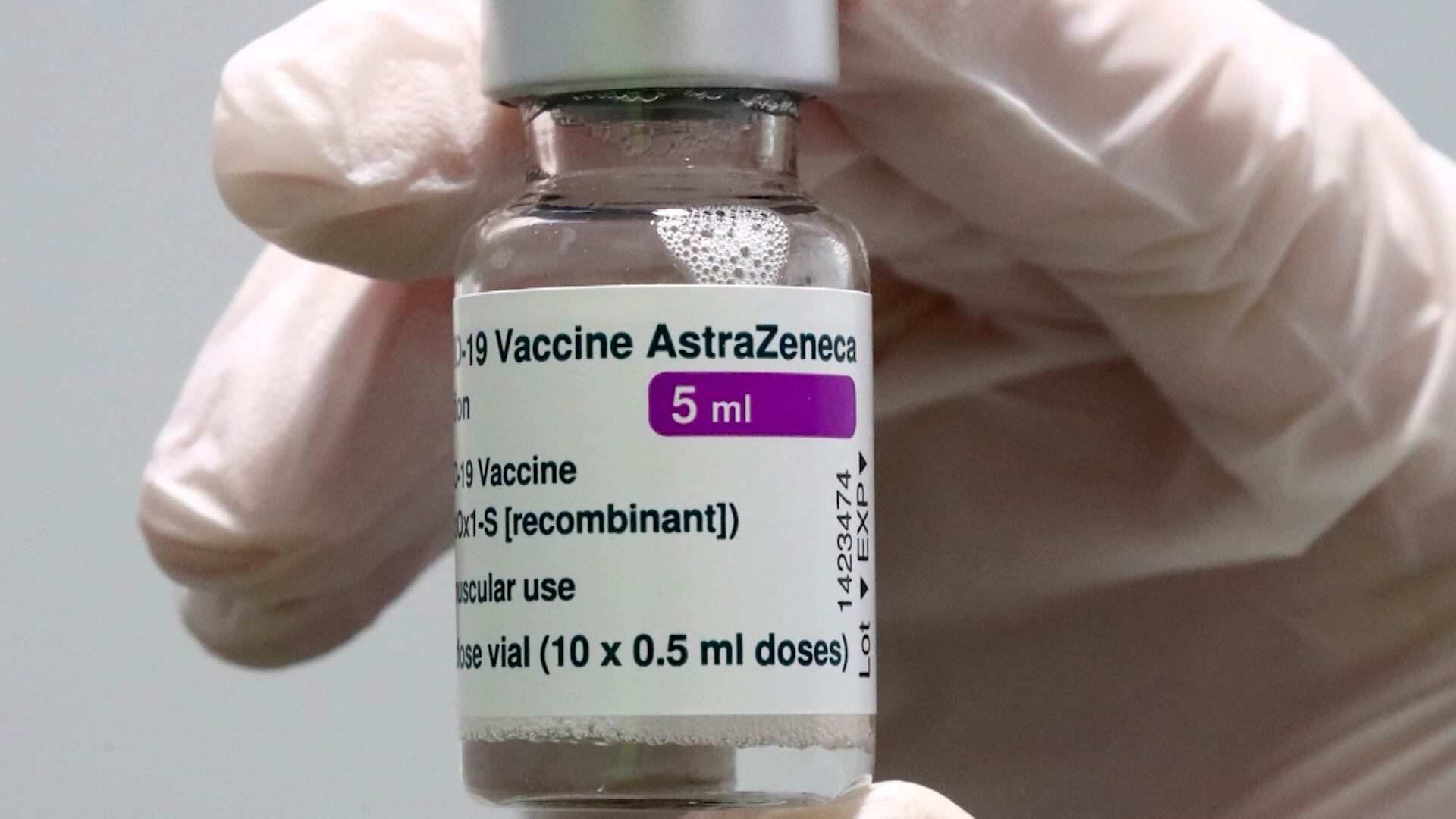
Mina Makar, senior vice president of respiratory and immunology, Astrazeneca, joined Cheddar to discuss the FDA's decision to give emergency use authorization to the pharma giant's COVID-19 antibody treatment called Evusheld for immunocompromised patients For about 2 percent of the U.S. Makar noted that the injection is supposed to provide antibody protection for those who can't generate their own adequate immune response via the vaccines for a minimum of six months, though long-term trials are underway.
The pandemic has forced corporate America to reshape itself to adapt, including onboarding doctors as chief medical officers to help maintain the health and safety of staff. Dr. Geeta Nayyar, chief medical officer at Salesforce, joined Cheddar to break down her role and how it has become relevant and necessary in the evolving workplace. "Every business today is now in the business of healthcare," she said. "It is a priority to empower employees to then serve your customers."
Sustainable consumer products maker Grove Collaborative is gearing up to launch an IPO via a SPAC merger with Richard Branson's Virgin Group Acquisition Corp II. Stuart Landesberg, CEO and co-founder of Grove Collaborative, talked to Cheddar's Kristen Scholer about going public through the merger and aligning with a partner he felt also prioritizes climate. "What this partnership will mean is that we're able to expand the assortment and innovations that we bring to market in products that work just as well as the conventionals and market leaders but have a significantly different environmental profile," Landesberg said.
Cuy Sheffield, head of crypto at Visa, joined Cheddar's "Closing Bell" to talk about Visa's commitment and the partnerships the company has established to make crypto a conventional form of currency. He noted that banks are becoming more receptive to digital currency as their customers move portions of money to crypto platforms and also explained steps Visa is taking to make them more climate conscious.
Many brands and industries are announcing their predictions for new trends to watch in 2022. According to Forbes, cooking robots and plant-based meat are just some of the many food trends that are expected to dominate. Jeff Crivello, CEO of BBQ Holdings, joins Cheddar News to discuss more.
Boxed, an e-commerce grocery platform that sells bulk consumables to businesses and household customers, began trading under the ticket symbol "BOXD" after completing a transaction with SPAC Seven Oaks Acquisition. Chieh Huang, co-founder and CEO of Boxed joins Cheddar News to talk about the company's growth.
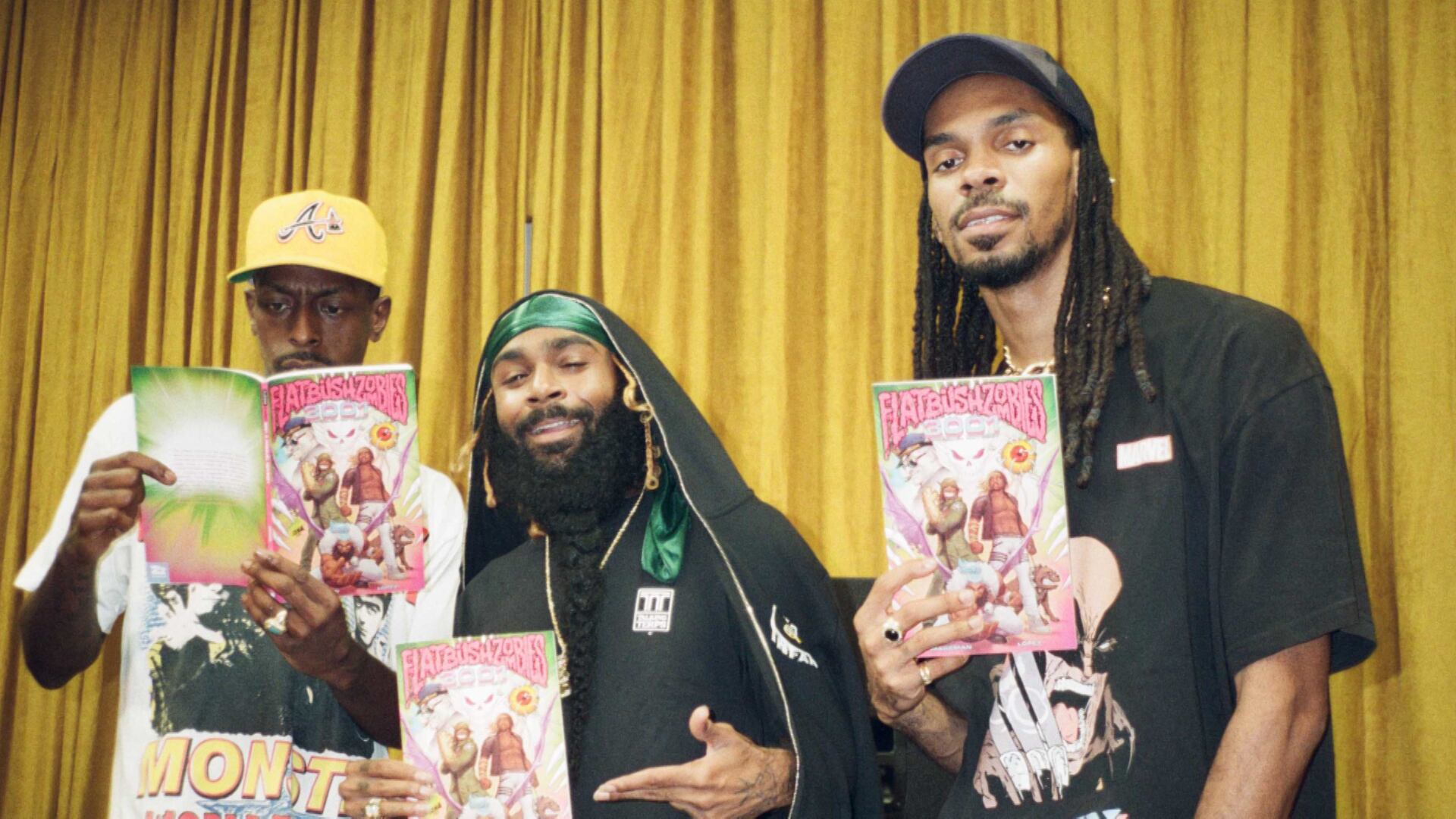
Live music took a big hit last year, and many artists had to cancel or postpone their tours to 2022. Many partnered with the graphic novel company Z2 Comics to make money by creating unique comic book stories. Josh Bernstein, executive vice president of Z2 Comics, and Sridhar Reddy, founder and publisher at Z2 Comics, join Cheddar News to talk about the company's popularity.
Employees at a Buffalo, NY, area Starbucks voted to establish a union due to ongoing staffing issues, demands for higher pay, and complaints about non-functioning equipment. The development could clear the path for other locations across the country to unionize.
Caleb Silver, Investopedia Editor-in-Chief, joined Cheddar to break down Lululemon's Q3 earnings beat. Men's sales drove revenue up over the quarter, a key area that the company would want to grow, Silver said. He also noted that its $500 million acquisition of at-home fitness startup company Mirror could be a detriment for the company with its sales outlook slashed as more people head back into physical gyms and supply chain disruptions continue.